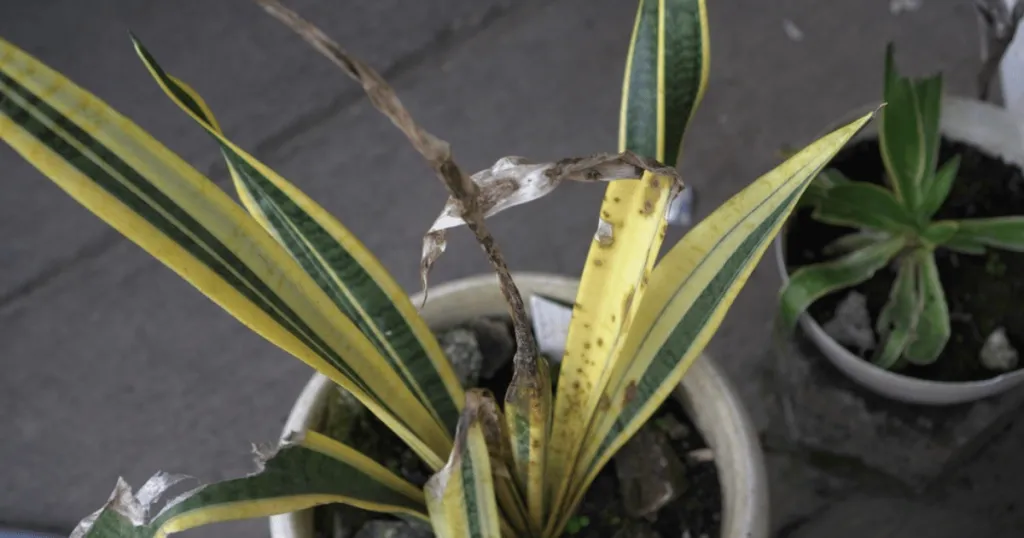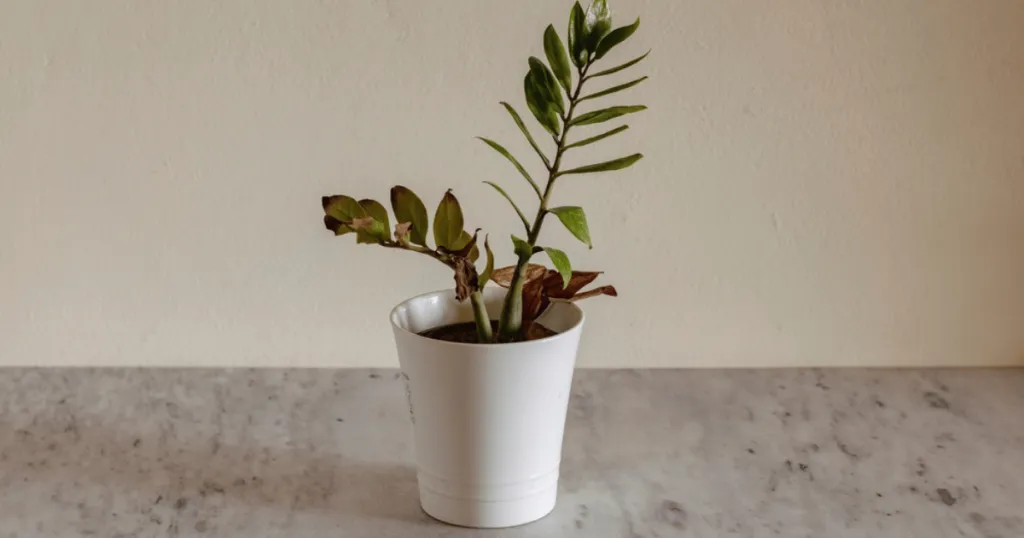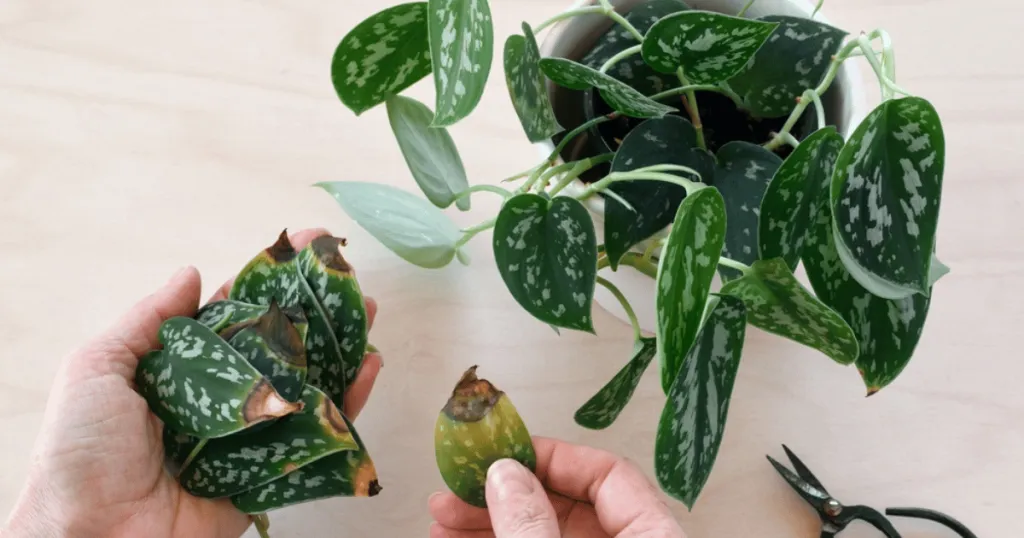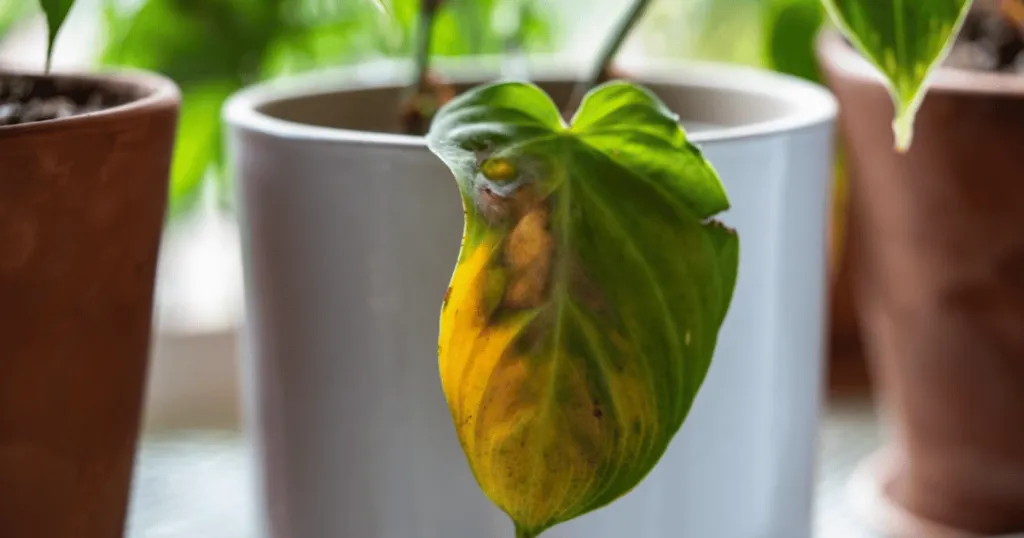
Peperomia plants are office staples for a reason. Their compact size, diverse foliage textures, and resilience make them excellent candidates for desks and meeting rooms. If you notice your plant looking less than vibrant, do not panic. Most peperomia problems are minor and stem from simple environmental mismatches rather than incurable diseases. The most likely culprits are inconsistent watering habits or light levels that do not quite meet the plant’s needs.
Before you assume the worst, look at the soil moisture and the proximity of your plant to the nearest light source. Often, a quick adjustment to your watering routine or moving the pot a few feet closer to a window resolves the issue entirely. These plants are semi-succulent in nature, meaning they store water in their fleshy leaves and stems, making them surprisingly forgiving if you occasionally skip a watering cycle.
The Short Version
The vast majority of peperomia problems are caused by overwatering. Because these plants store moisture in their leaves, they require the top inch of soil to dry out completely between waterings. If your plant looks sad, check the soil moisture before adding more water to avoid root rot.
Identifying Common Symptoms
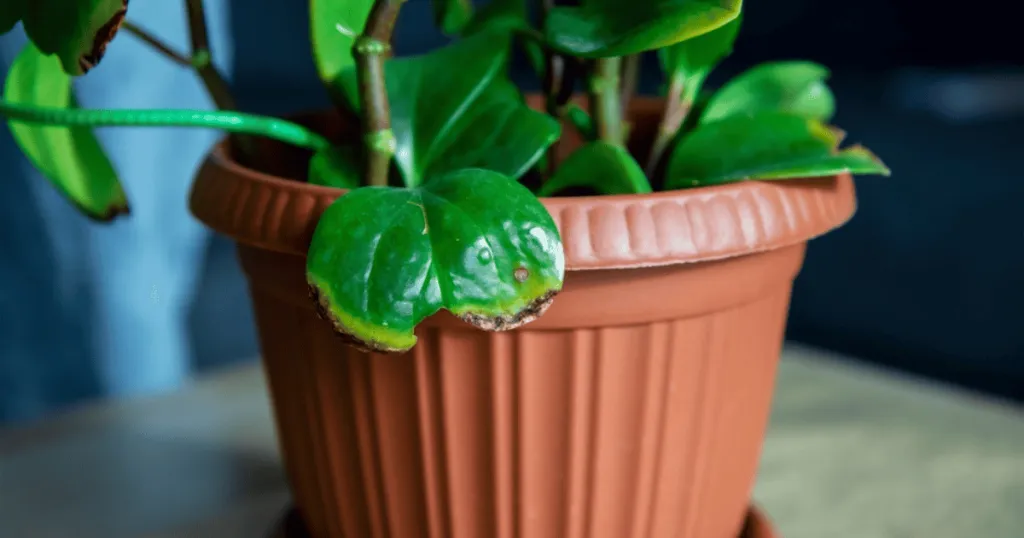
Troubleshooting begins with observation. Because peperomias have thick leaves, they communicate stress differently than thin-leaved tropicals. Use this guide to match your plant’s current state to the most likely cause.
| Symptom | Likely Cause |
|---|---|
| Yellowing lower leaves | Overwatering or poor drainage |
| Brown, crispy leaf edges | Low humidity or underwatering |
| Drooping or soft stems | Root rot from excessive moisture |
| Stalled growth | Insufficient light or root-bound pot |
| Spots on leaves | Fungal issues or water quality |
Addressing the Most Common Issue: Root Rot
If your peperomia is drooping despite the soil feeling wet, you are likely dealing with root rot. This is the most frequent issue in office environments where plants are watered on a schedule rather than by need. When roots sit in saturated soil, they cannot breathe, leading to decay that prevents the plant from absorbing water.
The Immediate Fix
Stop watering immediately. If the soil is waterlogged, you must allow it to dry out. In severe cases, remove the plant from its pot to inspect the roots. Healthy roots are firm and light in color. If you find mushy, dark, or foul-smelling roots, trim them away with sterile scissors. Repot the plant into fresh, well-draining soil mix that includes perlite or orchid bark to improve aeration.
Adjusting Office Watering Habits
In an office, it is easy to over-water out of habit. Instead of a set weekly schedule, use the finger test. Push your finger into the soil up to the first knuckle. If the soil feels damp, walk away. Only water when the soil feels dry to the touch. Ensure your pot has drainage holes, as standing water at the bottom of a decorative container is a death sentence for peperomias.
Managing Light and Growth Issues
Peperomias thrive in medium indirect light. In many offices, they are placed in corners with very little natural light or directly under harsh, constant fluorescent lighting. If your plant is stretching, losing its variegation, or failing to produce new leaves, it is likely light-starved.
Correcting Light Exposure
Move your plant to a location where it receives bright, indirect light. A spot near an east-facing window is ideal. If you only have artificial light, ensure the plant is within a few feet of a desk lamp or overhead fixture, but avoid direct contact with heat-emitting bulbs. If the plant is losing color, it is a clear signal that it needs more intensity to maintain its chlorophyll production.
Advanced Care and Prevention
Prevention is the best way to avoid recurring peperomia problems. By establishing a few simple habits, you can keep your office greenery healthy for years.
Soil and Drainage
Always use a potting mix designed for succulents or houseplants with added drainage amendments. Peperomias do not like to sit in heavy, peat-based soils that retain moisture for too long. If your plant came in a dense nursery plug, consider gently repotting it into a more porous medium.
Temperature and Humidity
Office HVAC systems often create dry, fluctuating environments. While peperomias tolerate average room humidity, they dislike being placed directly in the path of a heating or air conditioning vent. These drafts can cause rapid moisture loss, leading to crispy leaf edges. Keep your plant in a stable location away from direct airflow.
Pet Safety
According to the ASPCA, peperomias are non-toxic to cats and dogs. This makes them a safe choice for offices that allow pets or for managers concerned about workplace safety. However, even non-toxic plants should not be consumed by pets, as ingestion can still cause mild stomach upset.
Understanding Leaf Texture and Structural Changes
Peperomias are prized for their varied foliage, ranging from the thick, coin-like leaves of the Peperomia obtusifolia to the deeply corrugated, heart-shaped leaves of the Peperomia caperata. When you notice structural changes, such as leaves curling inward or losing their characteristic thickness, it is often a sign of environmental stress.
In an office, this is frequently linked to the plant’s inability to regulate its internal water pressure due to inconsistent light or temperature fluctuations. If the leaves feel thin or papery, the plant is likely struggling to maintain its semi-succulent nature. Ensure the plant is not sitting in a “cold spot” near a window during winter months, as this can impede the plant’s ability to process nutrients effectively.
The Role of Potting Media in Long-Term Health
Many office plants arrive in nursery soil that is designed for rapid growth in a greenhouse, not for the long-term stability required in an office. This soil often contains high amounts of peat moss, which can become hydrophobic (water-repellent) if allowed to dry out completely, or conversely, stay soggy for too long. For optimal plant health, consider a custom mix.
A blend of 50% high-quality indoor potting soil and 50% perlite or pumice provides the necessary drainage to prevent the most common peperomia problems. This structural change in the soil medium allows for better oxygen exchange at the root level, which is critical for plants kept in climate-controlled offices where evaporation rates are lower than in outdoor environments.
Managing Seasonal Growth Cycles
While offices are climate-controlled, plants still respond to the subtle shifts in light intensity that occur throughout the year. During the winter, even in a well-lit office, the total amount of light reaching your desk may decrease. This is the time to be particularly vigilant about overwatering. Because the plant’s growth cycle slows down, its water consumption drops significantly. If you continue to water on a “summer schedule,” you are inviting root rot. Adjusting your plant maintenance to match the season is a hallmark of an experienced office plant manager. When in doubt, wait an extra few days before watering; a slightly thirsty peperomia is much easier to revive than one with compromised roots.
Analyzing Leaf Spotting and Fungal Concerns
Occasionally, you may notice small, dark spots appearing on the foliage. While these can sometimes be mistaken for pests, they are often physiological responses to water quality or humidity. If you use tap water with high mineral content, these minerals can accumulate in the leaf tissue, causing localized cell death. To mitigate this, consider using filtered water. Furthermore, if the office environment is stagnant with poor air circulation, fungal spores can settle on moist leaves.
Ensure your plant has adequate space around it for airflow. If you notice spots, remove the affected leaves immediately to prevent potential spread and ensure the plant is not being misted, as keeping the foliage dry is a primary defense against fungal issues in office settings.
Decision Guidance: When to Repot vs. When to Prune
Office managers often face the dilemma of whether to repot a struggling plant or simply prune it back. If the peperomia is showing signs of stunted growth and the roots are circling the bottom of the pot, it is time to repot. A plant that has outgrown its container will struggle to maintain hydration, leading to wilting even when watered.
Conversely, if the plant has become “leggy” or sparse due to low light, pruning is the better strategy. By trimming back the stems, you encourage the plant to produce bushier, more compact growth from the base. This is a practical way to rejuvenate a plant that has been neglected or placed in a suboptimal location, effectively resetting its structural health without the need for a full repotting process.
Final Thoughts on Peperomia Health
Solving peperomia problems is rarely about complex intervention. It is about observing the plant’s reaction to its environment and making small, consistent adjustments. By prioritizing soil drainage and monitoring your watering frequency, you can maintain a healthy, vibrant plant that improves your office space without requiring constant attention.
Related Peperomia Guides
FAQ
Why are the leaves on my peperomia falling off?
Leaf drop is often a sign of extreme overwatering or cold stress. If the leaves are mushy, check for root rot. If they are dry and brittle, the plant may have been exposed to a cold draft from an office window or AC vent.
Can I use tap water for my peperomia?
Most peperomias tolerate standard tap water well. However, if your local water is heavily chlorinated or high in minerals, you might notice spots on the leaves. Letting the water sit out overnight before using it can help dissipate chlorine.
How often should I fertilize my peperomia?
Peperomias are not heavy feeders. Use a balanced, water-soluble fertilizer diluted to half-strength only during the growing season, typically spring and summer. Avoid fertilizing in winter when the plant’s growth naturally slows down.
Should I mist my peperomia to increase humidity?
Misting is generally unnecessary and can lead to fungal issues if water sits on the leaves for too long. Peperomias adapt well to standard office humidity levels. If your office is exceptionally dry, a small humidifier nearby is a better solution than misting.