If your Ficus lyrata is losing leaves or showing dark spots, the most common culprit is inconsistent watering combined with low light levels. In an office environment, these plants often suffer from a cycle of neglect followed by over-saturation, or they are placed in corners where light intensity is insufficient to support their growth. While these plants have a reputation for being temperamental, they are actually quite predictable once you understand their specific needs for consistent moisture and bright, indirect light.
Reassurance is key here. A few yellowing leaves do not mean your plant is dying. Before you consider repotting or aggressive pruning, start by checking the soil moisture and light exposure. Most issues stem from environmental stress rather than disease, meaning simple adjustments to your care routine can often reverse the damage without the need for specialized interventions.
Quick Answer
Fiddle leaf fig problems are almost always caused by improper watering, specifically overwatering or inconsistent moisture levels, combined with insufficient light. To fix this, ensure the top two inches of soil are dry before watering, provide bright indirect light, and keep the plant away from cold HVAC drafts.
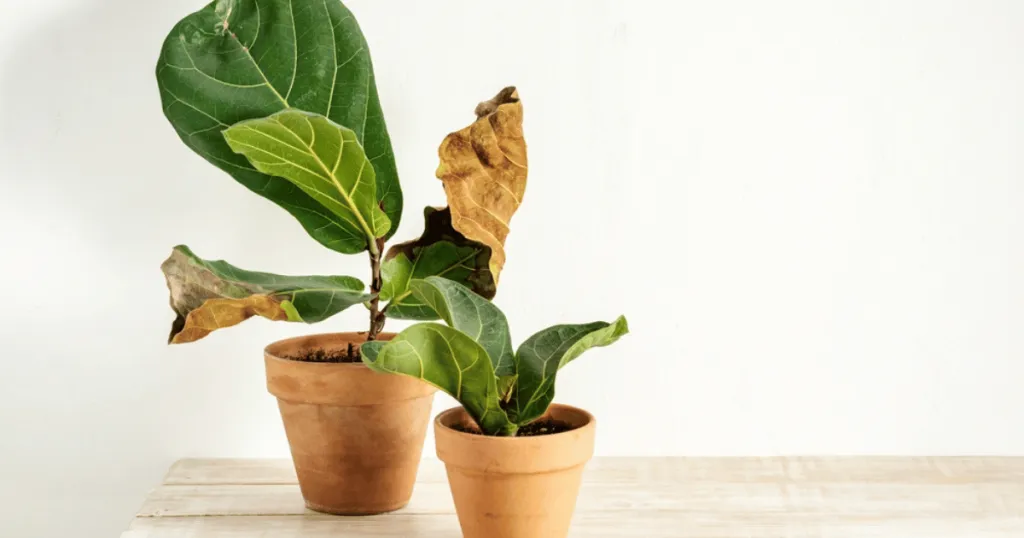
Troubleshooting Common Symptoms
Understanding the connection between symptoms and environmental triggers is the first step toward recovery. In an office setting, you are fighting against artificial lighting and climate control systems that can dry out the air rapidly.
Brown Spots on Leaves
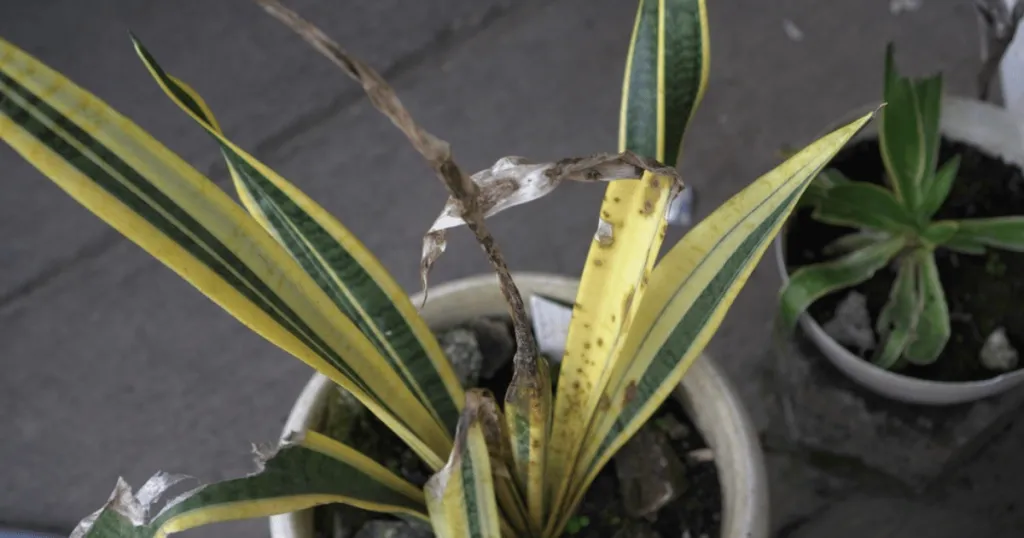
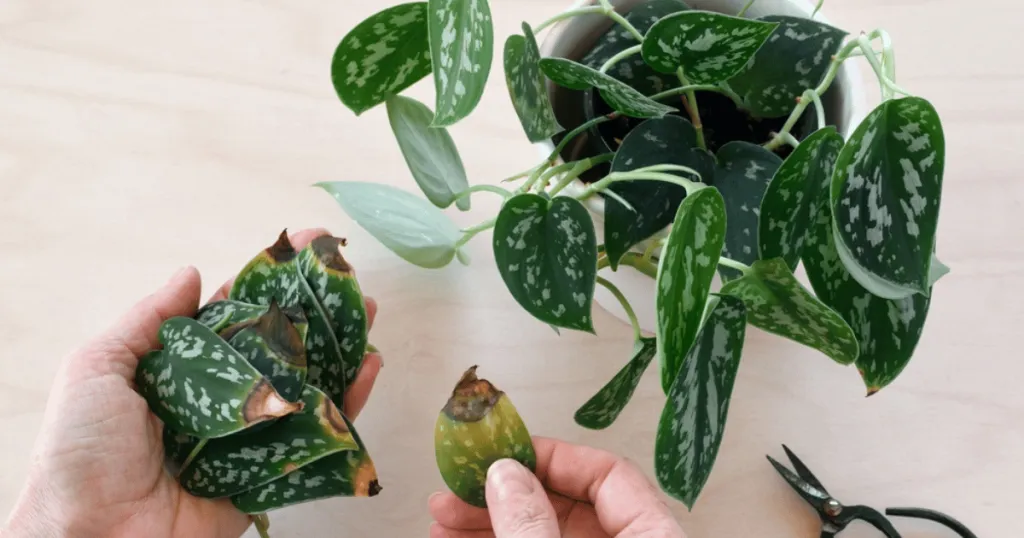
Brown spots, especially those appearing in the center of the leaf or along the edges, often point to root rot caused by overwatering. When the root system remains in soggy soil, it cannot transport oxygen, leading to cellular death that manifests as brown, necrotic tissue. If the spots are crispy and located primarily on the edges, the issue is likely low humidity or underwatering. Check the soil depth; if it is consistently wet, you must allow it to dry out significantly before the next watering.
Yellowing Foliage
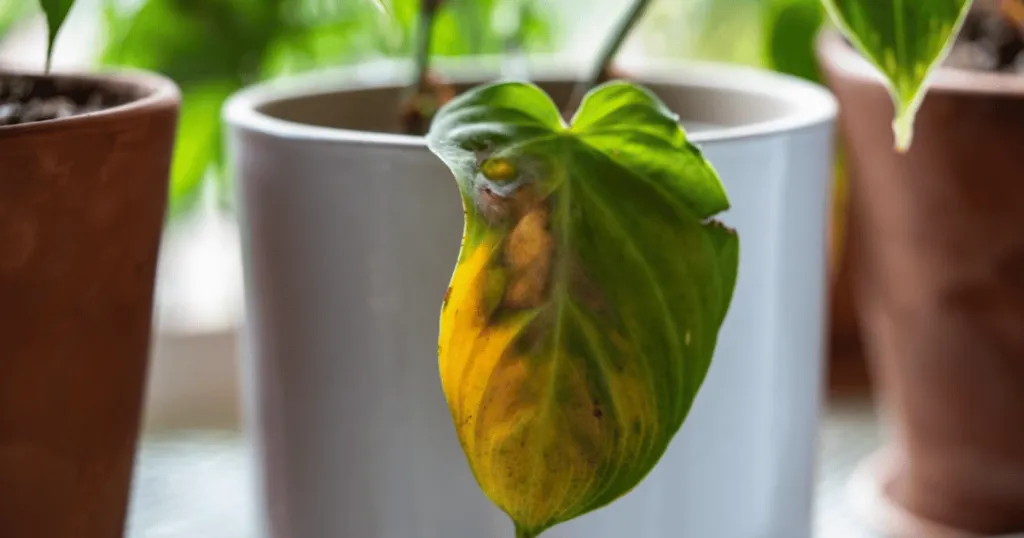
Yellow leaves usually indicate a nutrient imbalance or a watering issue. If the lower leaves turn yellow and drop, the plant is likely being overwatered. If the yellowing is widespread across the plant, it may be a sign of poor light exposure or a lack of essential nutrients. In office environments, plants rarely need fertilizer during the winter months, so avoid the urge to feed a stressed plant until you have identified the primary environmental cause.
Leaf Drop
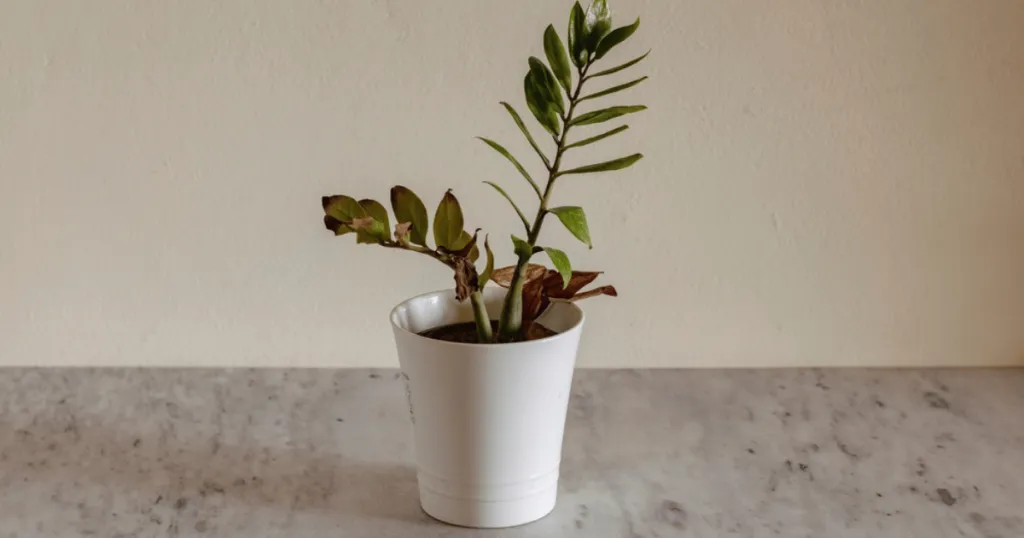
Sudden leaf drop is the plant’s way of signaling that its environment has changed too rapidly. This is common when a plant is moved from a greenhouse to a dim office corner or placed directly in the path of an air conditioning vent. The plant is essentially shedding foliage it can no longer support under the new light or temperature conditions.
The Mechanics of Photosynthesis and Light Stress
Fiddle leaf figs are native to tropical rainforests, where they grow in dappled sunlight. In an office, they are often placed in “dead zones” where light intensity is far below what is required for healthy photosynthesis. When a plant does not receive enough light, it cannot produce the energy needed to maintain its large, broad leaves. Consequently, the plant will prioritize its survival by dropping older, less efficient leaves. This is a common form of environmental stress that office managers often mistake for a disease.
To mitigate this, assess the light quality throughout the day. If you are relying on overhead fluorescent lighting, ensure the plant is within a few feet of a window to supplement that light. If the plant is stationary, it will eventually acclimate, but moving it frequently will only exacerbate the leaf drop as the plant struggles to recalibrate its internal processes.
Watering Dynamics and Root Health
The relationship between soil moisture and root health is the most critical aspect of Ficus lyrata care. Because office plants are often cared for by multiple people or on an irregular schedule, they frequently fall victim to “the saucer trap.” This occurs when a plant is watered, and the excess liquid sits in the decorative pot or saucer, effectively drowning the roots. This lack of oxygen leads to root rot, which is often irreversible if left unchecked. To prevent this, always ensure your plant is in a nursery liner with adequate drainage holes.
When you water, take the liner to a sink or breakroom area, saturate the soil, and allow it to drain completely before returning it to the decorative container. This practice prevents the accumulation of stagnant water and ensures that the root system remains oxygenated. If you notice a musty smell coming from the soil, this is a clear indicator that anaerobic bacteria are present, and immediate intervention is required.
Managing Office Humidity and Airflow
Office environments are notorious for low humidity levels, often dipping below 30% due to constant HVAC operation. This dry air increases the rate of transpiration, meaning the plant loses water through its leaves faster than it can absorb it through its roots. This imbalance leads to crispy leaf edges and stunted growth. While you cannot change the building’s climate control, you can create a localized microclimate. Grouping plants together can increase the ambient humidity in a small area.
Alternatively, placing the plant on a tray of pebbles and water – ensuring the pot itself is not sitting directly in the water – can provide a slight boost in moisture. Furthermore, avoid placing your fiddle leaf fig near air intake or exhaust vents. The constant stream of dry, moving air acts like a hair dryer on the foliage, rapidly desiccating the plant and causing it to drop leaves as a defensive measure.
Pest Management in Shared Spaces
In a shared office, pests like spider mites and scale can spread quickly from plant to plant. Spider mites thrive in the dry, warm air typical of office buildings. You may not see the mites themselves, but you will notice fine webbing between the stems and leaves, or a stippled, dusty appearance on the foliage. Scale insects, on the other hand, appear as small, brown, bump-like protrusions on the stems or the undersides of leaves. Because you want to avoid harsh chemical pesticides in a workspace, physical removal is the most practical first step. Use a damp cloth to wipe down every leaf, top and bottom, to remove dust and pests.
For more persistent infestations, a mild solution of water and insecticidal soap can be used. Always test a small area of the leaf first to ensure no damage occurs. Regular cleaning is the best form of plant pest control, as it keeps the stomata clear for gas exchange and allows you to catch infestations before they become unmanageable.
Fixing Watering and Light Issues
The most effective way to address fiddle leaf fig problems is to standardize your care routine. These plants thrive on consistency, which is often the hardest thing to maintain in a busy office.
First, evaluate the light. If your plant is more than three feet from a window, it is likely not receiving enough energy to sustain its large leaves. Move the plant closer to a window, but ensure it is not receiving direct, harsh sun during the hottest parts of the day, which can scorch the foliage. If natural light is unavailable, a dedicated LED grow light can supplement the plant’s needs.
Second, refine your watering technique. Instead of a set schedule, use the finger test. Insert your finger two inches into the soil. If it feels damp, wait. If it feels dry, water thoroughly until liquid drains from the bottom of the pot. Never let the plant sit in a saucer of standing water, as this is a guaranteed path to root rot. If your office pot lacks drainage holes, move the plant to a nursery liner that can be removed for watering.
Advanced Care and Root Health
If your plant continues to struggle after correcting light and water, you may need to inspect the root system. Gently remove the plant from its container to check for mushy, dark, or foul-smelling roots. Healthy roots should be firm and light-colored. If you find rot, trim the affected roots with sterile shears and repot the plant in fresh, well-draining potting mix. This is a disruptive process, so only perform it if you are certain that the soil is the primary issue.
Another advanced concern is the presence of pests. In office settings, spider mites and scale are common due to the dry, stagnant air. Inspect the undersides of leaves for webbing or small, sticky bumps. If you find pests, wipe the leaves down with a damp cloth and consider using a mild insecticidal soap. Avoid harsh chemicals that could irritate coworkers or damage the plant further.
Prevention Habits for Office Success
Prevention is far easier than recovery. Establish a routine that accounts for the office environment. Keep the plant away from HVAC vents, as the constant stream of dry, moving air will desiccate the leaves and cause premature drop. If your office has low humidity, grouping plants together or using a small humidifier can help maintain a more stable microclimate.
Clean the leaves regularly with a soft, damp cloth. Dust buildup on the large leaves blocks light absorption, which effectively starves the plant. This simple habit also allows you to inspect for pests before an infestation becomes severe. Finally, avoid moving the plant. Ficus lyrata is sensitive to light changes, and even rotating it too frequently can cause stress. Choose a spot that meets its light requirements and leave it there.
Regarding safety, it is important to note that the sap of the fiddle leaf fig contains calcium oxalate crystals. According to the ASPCA, this plant is considered toxic to cats and dogs if ingested. In an office, ensure the plant is placed where it will not be chewed on by office pets or accidentally handled by people with sensitive skin, as the sap can cause irritation.
Related Fiddle Leaf Fig Guides
FAQ
Why are the leaves on my fiddle leaf fig turning brown at the edges?
Brown, crispy edges usually indicate low humidity or underwatering. Office environments often have very dry air due to HVAC systems. Try misting the leaves occasionally or placing the plant away from direct air vents to increase local humidity.
Can I save a fiddle leaf fig that has lost most of its leaves?
Yes, if the stem is still firm and green, the plant can recover. Focus on providing stable, bright indirect light and correct your watering habits. It may take several months for the plant to push out new growth, so be patient.
How do I know if my fiddle leaf fig has root rot?
Root rot is identified by dark, mushy roots and a foul smell coming from the soil. You may also see dark brown or black spots on the leaves. If you suspect rot, you must inspect the root ball and trim away the damaged sections.
Is it normal for my fiddle leaf fig to drop leaves after I move it?
Yes, this is a stress response. Fiddle leaf figs are sensitive to changes in light and temperature. When moved to a new location, the plant often sheds older leaves to adjust to the new light levels. Minimize movement to prevent this.