When you notice your office plant looking less than vibrant, it is natural to feel concerned. Before you assume the worst, take a moment to look at the water quality and light exposure. Are the leaves turning yellow, or are the stems becoming soft? Most lucky bamboo problems stem from simple environmental mismatches that are easy to correct once you identify the specific symptom. Because these plants are often kept in water without soil, they are highly sensitive to the chemistry of their environment, particularly the additives found in standard office tap water.
You are likely dealing with a reaction to water impurities, light levels, or temperature fluctuations common in climate-controlled office spaces. By isolating the cause, you can usually restore the plant to health without needing complex fertilizers or professional intervention. Start by checking the roots and the water clarity, as these two factors provide the most immediate clues regarding the plant’s overall health and vitality.
Short Answer
Most lucky bamboo problems result from poor water quality or excessive light. If your plant is struggling, switch to distilled or filtered water, move it away from direct sunlight, and trim any mushy, decaying roots immediately to prevent the spread of rot to healthy stems.
Identifying Common Symptoms
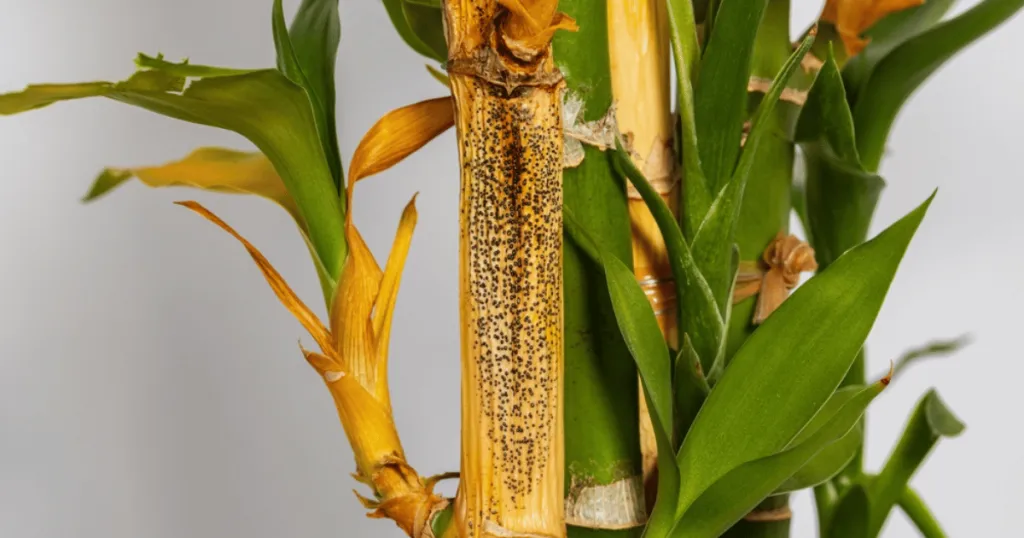
Understanding the visual cues your plant provides is the first step toward a solution. Lucky bamboo, or Dracaena sanderiana, communicates stress through specific physical changes. Use this guide to match your plant’s current state with the most likely culprit.
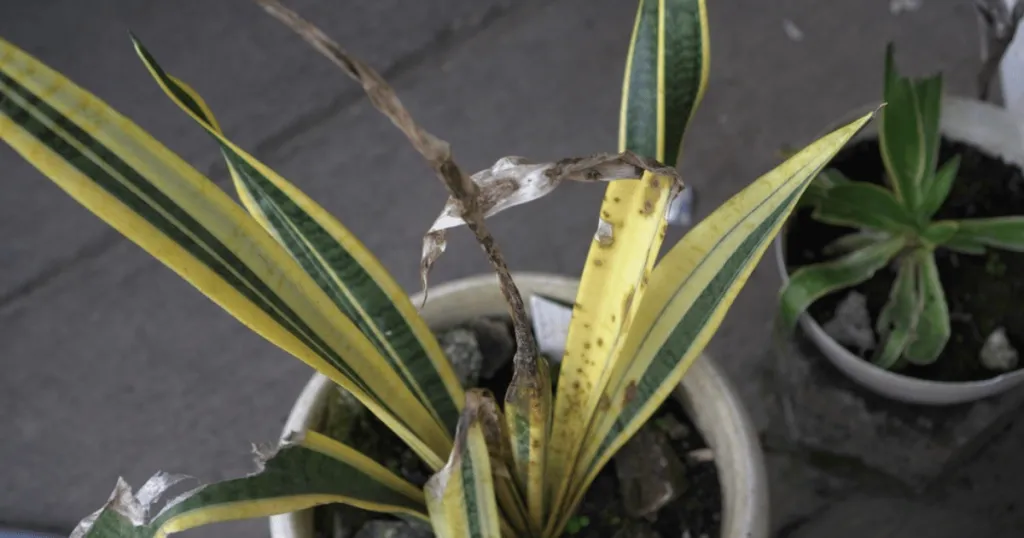
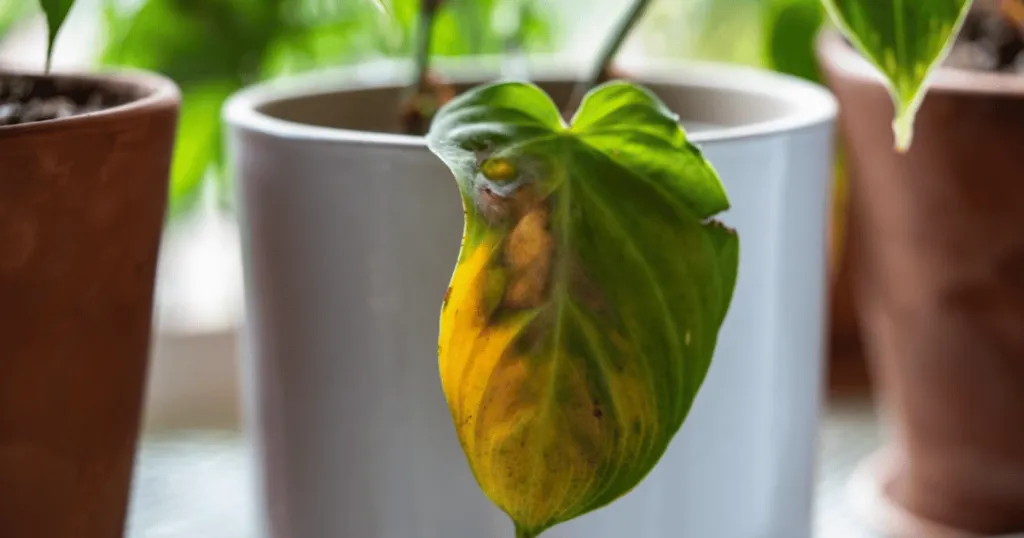
- Yellowing Leaves: Often caused by direct sunlight, water with high chlorine or fluoride content, or over-fertilization.
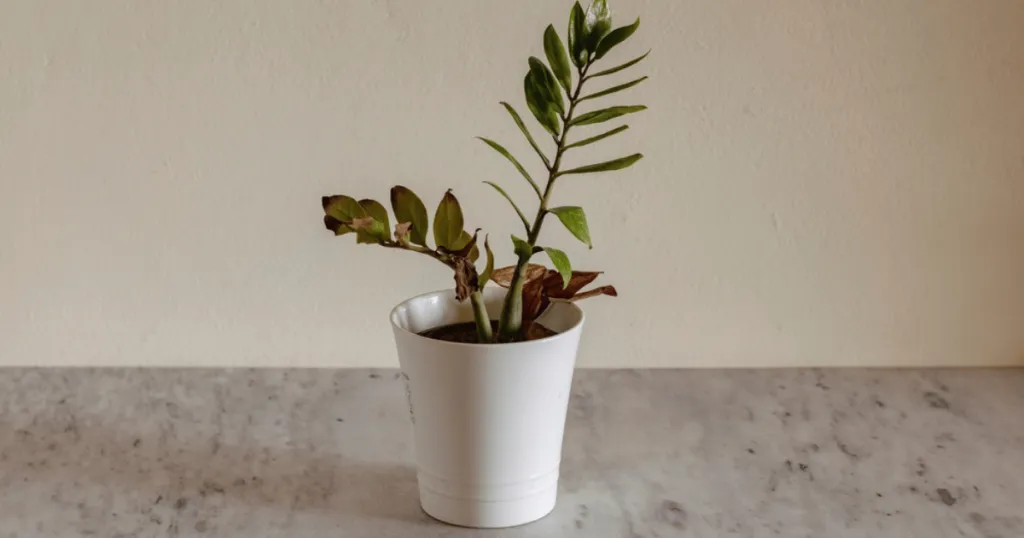
- Soft or Mushy Stems: A clear sign of stem rot, usually triggered by stagnant water or bacterial growth.
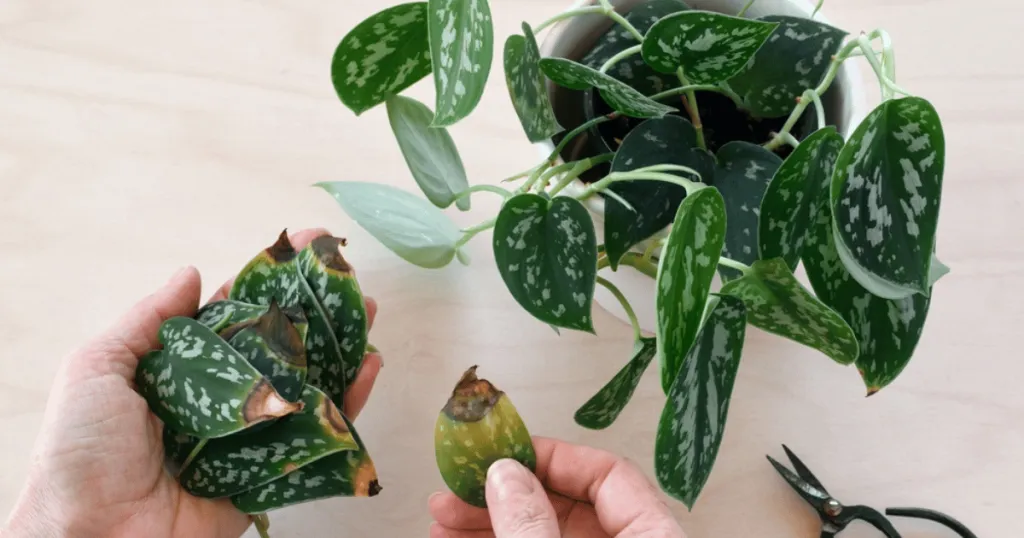
- Brown Leaf Tips: Typically indicates low humidity or salt buildup from tap water.
- Stalled Growth: Often a result of insufficient light or lack of nutrients in the water.
- Algae Growth in Water: Caused by sunlight hitting the water container, which encourages organic buildup.
Addressing Water Quality and Root Health
The most frequent source of lucky bamboo problems is the water itself. In an office setting, tap water often contains chlorine, chloramine, or fluoride, all of which can cause leaf tip burn and yellowing. If your plant is grown in water, the roots should be firm and pale or light pink. If they appear dark, mushy, or smell unpleasant, you have a case of root rot.
The Water Quality Fix
If you suspect your tap water is the issue, the solution is straightforward. Switch to distilled, bottled spring, or filtered water. If you must use tap water, let it sit in an open container for 24 hours to allow chlorine to dissipate, though this does not remove fluoride. For plants already showing signs of stress, a full water change is necessary. Rinse the container thoroughly to remove any biofilm or mineral deposits before refilling it with fresh, clean water.
Managing Root Rot
Root rot is a critical condition. If you notice a foul odor or slimy texture, remove the plant from its container immediately. Gently rinse the roots under cool water. Use sterilized scissors to trim away any black, mushy, or decaying sections. Healthy roots are essential for nutrient uptake, so be thorough but gentle. Once the unhealthy tissue is removed, place the plant in a clean container with fresh water. Do not add fertilizer at this stage, as the plant needs to recover its root system first.
Adjusting Light and Environmental Factors
While lucky bamboo is marketed as a low-light plant, it still requires indirect light to thrive. Placing it directly on a windowsill where it receives harsh, afternoon sun will almost certainly lead to scorched, yellowing leaves. In an office, this often happens when a plant is placed too close to a south-facing window or under intense, direct artificial light.
Finding the Right Spot
Move your plant to a location that receives bright, indirect light. If your office lacks windows, a spot near a fluorescent or LED desk lamp is usually sufficient, provided the light is not touching the leaves directly. If the leaves are turning a pale yellow, the plant is likely not getting enough light. If they are turning brown or crispy, it is receiving too much light or is too close to a heat source like a radiator or an HVAC vent.
Prevention Habits for Long-Term Success
Consistency is your best tool for preventing future lucky bamboo problems. By establishing a simple maintenance routine, you can avoid the stress of troubleshooting later. Change the water every two weeks, even if it looks clear, to ensure oxygen levels remain high and to prevent the buildup of bacteria. When you change the water, take a moment to wipe down the container with a clean cloth to remove any algae or mineral rings.
Avoid over-fertilizing. These plants grow slowly and do not require heavy feeding. If you choose to use a liquid fertilizer, use a very weak solution designed for hydroponic plants and only apply it during the growing season. A common mistake is assuming that more fertilizer equals faster growth, but this often leads to salt buildup that burns the roots. Finally, keep in mind that this plant is toxic to cats and dogs, according to the ASPCA. If your office is pet-friendly, ensure the plant is kept in an area inaccessible to animals to prevent ingestion.
Advanced Care and Troubleshooting
If you have addressed water and light but the plant continues to decline, consider the container itself. If the plant is in a decorative vase with rocks, ensure the rocks are not trapping decaying organic matter. Sometimes, simply removing the rocks and cleaning them thoroughly can solve a persistent odor or rot issue. If the stem has become completely soft or hollow, it is likely beyond recovery. In such cases, you may be able to save a healthy top cutting by trimming it above the rot and placing it in a new container of water to encourage new root growth.
Understanding the Office Microclimate
Office environments present unique challenges for Dracaena sanderiana. Unlike a home environment, an office is often subject to strict HVAC cycles. Over weekends, temperatures may drop significantly, or humidity may plummet when the air conditioning is running at full capacity. While lucky bamboo is generally resilient, sudden shifts in temperature can cause the plant to drop leaves or show signs of stress. If your plant is located near a vent, the constant airflow can lead to rapid evaporation of the water in the container, which concentrates the mineral content of the remaining water.
This increased concentration of salts can lead to the very leaf-tip burn that many office managers mistake for a disease. To mitigate this, check water levels weekly rather than bi-weekly if the plant is near an active vent.
The Role of Container Hygiene
Container hygiene is often overlooked in office plant maintenance. Because lucky bamboo is frequently displayed in glass vases, it is easy to see the roots, but it is also easy to ignore the buildup of biofilm on the glass interior. This biofilm is a breeding ground for bacteria that can compromise the health of the plant. During your regular maintenance, do not just top off the water. Empty the container completely, wash the glass with mild soap, rinse it thoroughly to ensure no soap residue remains, and then replace the water.
If you use decorative pebbles or marbles, these must also be cleaned. Over time, these stones accumulate debris that can rot and foul the water. Boiling the stones periodically can help sterilize them, ensuring that the environment remains hospitable for the roots.
Managing Nutrient Deficiency vs. Toxicity
Distinguishing between nutrient deficiency and toxicity is a common hurdle in troubleshooting lucky bamboo problems. A plant that is pale green or yellowing uniformly across its leaves may be suffering from a lack of nutrients, particularly if it has been in the same water for months. However, if the yellowing is accompanied by brown, crispy edges, it is more likely a sign of chemical toxicity or salt buildup. Adding fertilizer to a plant suffering from salt toxicity will only exacerbate the issue.
Always flush the system with fresh, distilled water for several weeks before attempting to introduce a very dilute hydroponic nutrient solution. If the plant is in soil, ensure the soil is not compacted, as this prevents oxygen from reaching the roots, which is just as detrimental as poor water quality.
When to Propagate as a Last Resort
If you have attempted all the troubleshooting steps and the main stem continues to decline, propagation is your best option for saving the plant. If the top portion of the plant remains green and firm, you can cut it off, ensuring you have a clean, healthy section of stem. Place this cutting in a fresh container of distilled water. This effectively resets the plant’s life cycle.
While it is disappointing to lose the original structure, this method allows you to preserve the plant’s genetics and start fresh with a clean, healthy specimen that is no longer burdened by the accumulated issues of the previous environment. This is a standard practice in professional office plant maintenance to ensure that displays remain aesthetically pleasing and healthy throughout the year.
Related Lucky Bamboo Guides
FAQ
Why are the leaves of my lucky bamboo turning yellow?
Yellowing leaves are usually a sign of water quality issues, specifically chlorine or fluoride toxicity from tap water. It can also be caused by direct sunlight exposure. Switch to distilled water and move the plant to a spot with indirect light to see if the color improves.
Is it normal for my lucky bamboo to have algae in the water?
Algae is common when sunlight hits the water, but it can compete with the plant for oxygen. To prevent it, use an opaque container that blocks light from reaching the roots, or change the water more frequently and scrub the container to keep it clean.
How often should I change the water for my lucky bamboo?
We recommend changing the water every two weeks. This prevents the buildup of bacteria, mineral salts, and algae, which are common causes of lucky bamboo problems. Always use room-temperature distilled or filtered water to avoid shocking the plant.
Can I move my lucky bamboo from water to soil?
Yes, but it requires a transition period. Use a well-draining potting mix and keep the soil consistently moist but not waterlogged for the first few weeks. The plant will need to grow soil-specific roots to replace its water-based ones, so monitor it closely for signs of wilting.