If you notice your jade plant looking less than vibrant, the most effective first step is to check the soil moisture and the drainage of your pot immediately. In an office setting, these succulents are frequently victims of well-meaning colleagues who water them too often. Before you assume the plant is suffering from a complex disease or lack of light, press your finger deep into the soil. If it feels damp or soggy, you have likely found the culprit. Jade plants are remarkably resilient, and identifying the root cause of their distress early is the best way to ensure they continue to thrive in your workspace.
Jade plants are classic office staples, valued for their structural beauty and low-maintenance nature. However, they are not immune to environmental stressors. Whether your plant is dealing with the dim light of a windowless cubicle or the dry, recycled air of a climate-controlled office, understanding how these conditions impact their health is vital. Most jade plant problems stem from human intervention rather than natural decline, making them highly solvable with a few adjustments to your care routine.
The Short Version
The vast majority of jade plant problems are caused by overwatering rather than underwatering. If your plant looks sickly, stop watering immediately, check that the pot has drainage holes, and ensure the soil dries out completely between waterings to prevent root rot.
Quick Checks for Immediate Relief
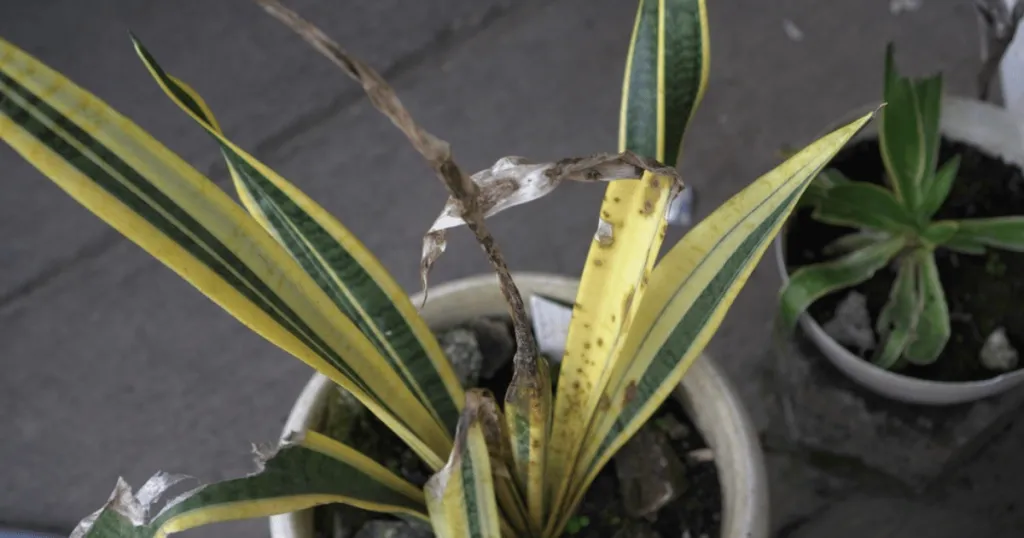
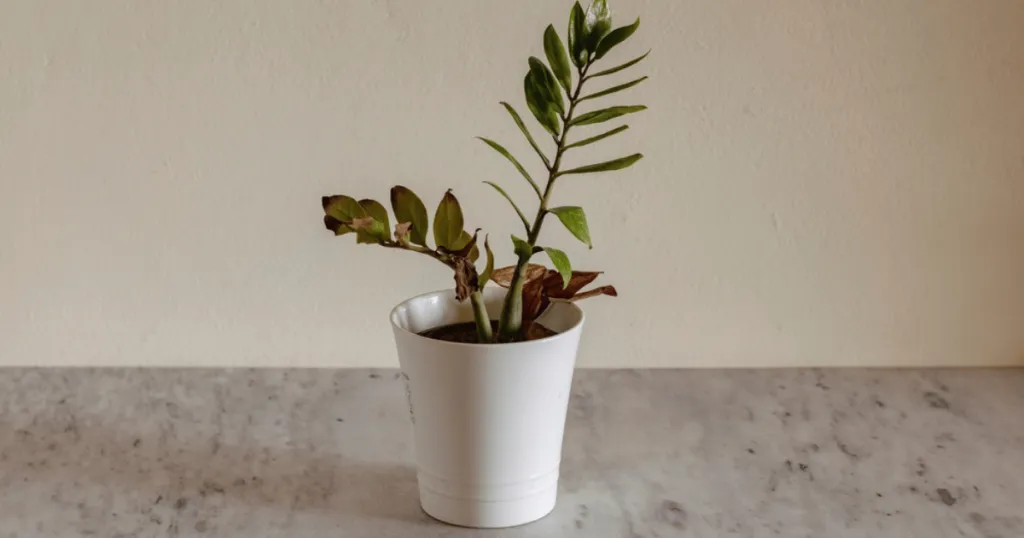
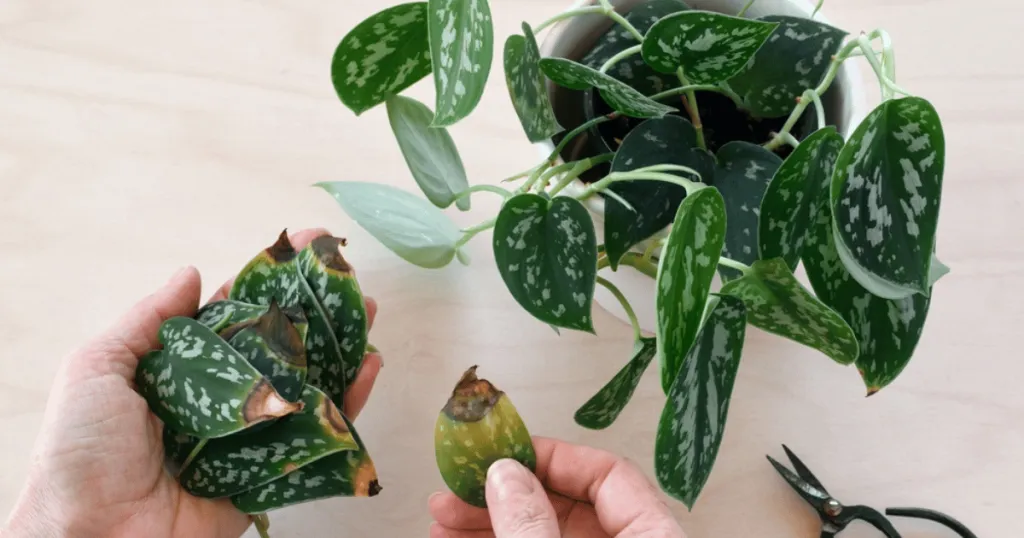
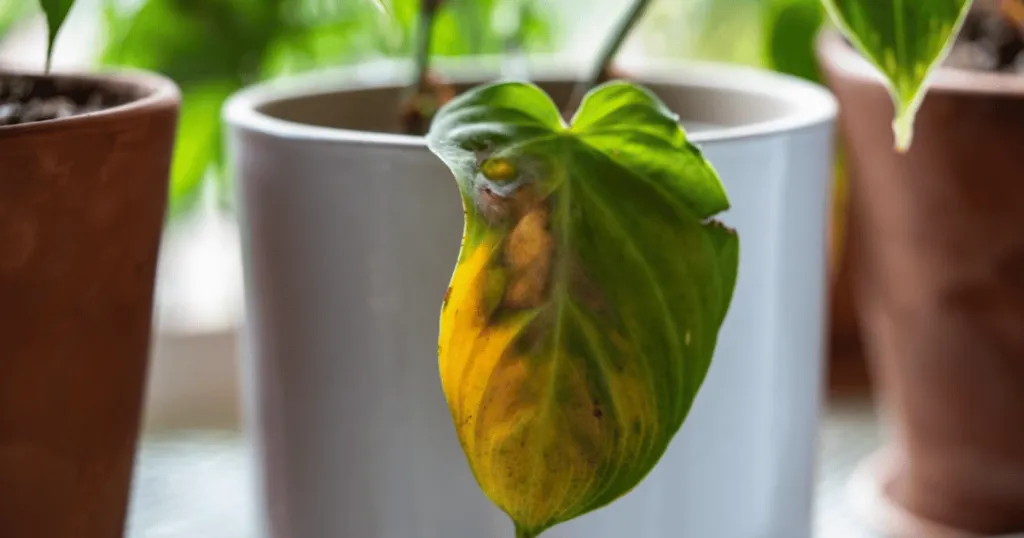
When a jade plant shows signs of stress, your first instinct might be to add water or move it to a brighter spot. However, acting without a diagnosis can worsen the situation. Start by inspecting the plant for physical symptoms. Are the leaves shriveled, or are they yellow and mushy? Shriveled leaves often indicate the plant is thirsty, while yellow, soft leaves are a classic warning sign of waterlogged roots. Check the pot to ensure it is not sitting in a saucer full of standing water, which is a common occurrence in offices where plants are watered by different people.
Next, evaluate the light exposure. While jade plants are often labeled as low-light tolerant, they genuinely prefer bright, indirect light to maintain their shape and health. If your plant is leaning heavily toward a window, it is stretching for light, a condition known as etiolation. Simply rotating the pot weekly can prevent this lopsided growth. If the plant is in a dark corner, consider moving it to a desk closer to a window or under a dedicated LED grow light to provide the energy it needs to recover.
Symptom-to-Cause Diagnosis
| Symptom | Likely Cause | Action Needed |
|---|---|---|
| Yellowing, soft leaves | Overwatering | Stop watering, check for root rot |
| Shriveled, thin leaves | Underwatering | Deep soak, then wait for dry soil |
| Leggy, stretched stems | Insufficient light | Move to brighter location |
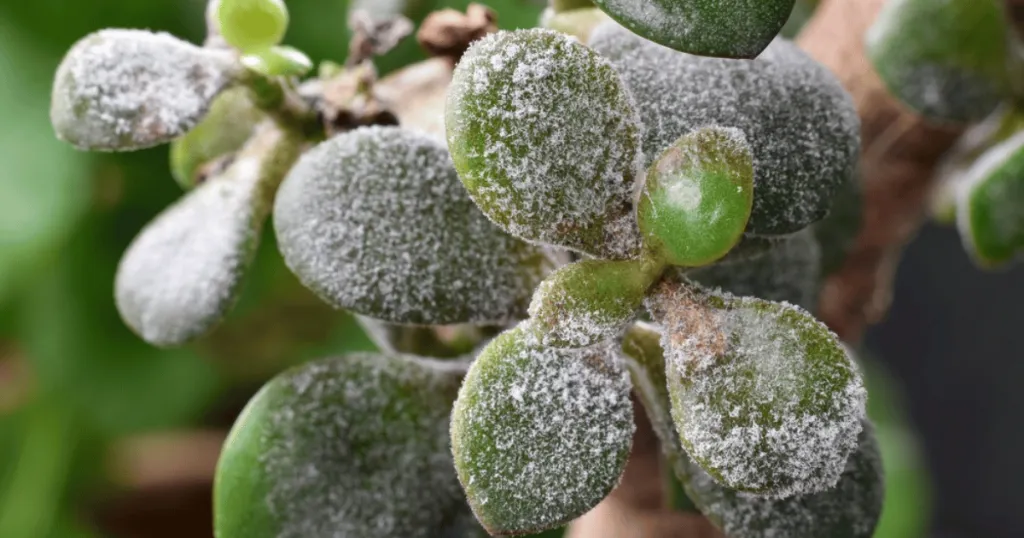
| White, cottony spots | Mealybugs | Wipe with rubbing alcohol |
| Brown, crispy leaf edges | Low humidity or salt buildup | Flush soil, ensure consistent care |
Addressing the Most Common Issues
Overwatering is the primary cause of decline for jade plants in professional settings. Because these plants store water in their thick, fleshy leaves, they are physiologically adapted to dry periods. When the soil remains constantly moist, the roots cannot breathe, leading to root rot. If you suspect rot, gently remove the plant from its pot. Healthy roots should be firm and light-colored. If you find black, mushy, or foul-smelling roots, you must trim them away with clean, sterilized scissors. Re-pot the plant in fresh, well-draining succulent soil and withhold water for at least a week to allow the roots to heal.
Underwatering, while less common, can still occur if the plant is forgotten during long weekends or holiday breaks. If the leaves appear puckered or thin, a thorough watering is necessary. Place the pot in a sink and water it until liquid flows freely from the drainage holes. This ensures the entire root ball is hydrated. Avoid the temptation to water in small, frequent amounts, as this prevents water from reaching the deeper roots and can lead to salt accumulation in the soil.
Pests can also cause problems in an office. Mealybugs are the most frequent visitors, appearing as small, white, cotton-like clusters in the crevices where leaves meet the stems. These pests thrive in the stable, warm temperatures of office buildings. If you spot them, do not panic. Use a cotton swab dipped in isopropyl alcohol to wipe them away directly. This is a safe and effective way to manage an infestation without using harsh chemicals in a shared workspace.
Advanced Care and Maintenance
If your jade plant has become too tall or top-heavy, it may begin to lean or even topple over. This is a common issue for older plants that have not been pruned. Pruning is not just for aesthetics; it encourages the plant to grow a thicker, stronger trunk. Use sharp, clean shears to snip off the ends of branches just above a leaf node. This will force the plant to branch out, creating a bushier, more stable structure. You can even propagate the cuttings by letting them dry for a few days and placing them in fresh soil.
Repotting is another task that should be approached with caution. Jade plants prefer to be slightly root-bound, so you do not need to move them to a larger pot frequently. If you do repot, choose a container only one size larger than the current one and ensure it has adequate drainage. Using a heavy ceramic or terracotta pot can provide extra stability for a top-heavy plant, preventing it from tipping over on a busy desk.
Deep Dive: Environmental Factors in the Office
Office environments present unique challenges that differ significantly from home care. The primary issue is the reliance on HVAC systems, which often create a very dry, low-humidity microclimate. While jade plants are succulent and naturally drought-tolerant, extreme dryness combined with fluctuating temperatures near vents can cause leaf drop. If your plant is positioned directly under an air conditioning vent, the constant airflow can dehydrate the leaves faster than the roots can supply moisture. Relocating the plant to a more stable area, away from direct drafts, is a simple but effective strategy for long-term health.
Furthermore, the quality of light in an office is often misunderstood. Fluorescent lighting, while bright enough for human work, is rarely sufficient for the intense photosynthesis needs of a healthy jade plant. If you notice your plant is losing its vibrant green color or developing a pale, sickly appearance, it is likely starving for light. In such cases, supplementing with a full-spectrum LED desk lamp can bridge the gap. Ensure the light is positioned close enough to the foliage to be effective, but monitor for heat damage if the bulb is not a cool-running LED.
Managing Soil and Nutrient Health
Over time, the soil in your jade plant’s pot can become depleted or suffer from salt buildup, especially if you use tap water. This is a subtle issue that often manifests as brown, crispy leaf edges. The minerals in office tap water, such as chlorine or fluoride, can accumulate in the soil over months of watering. To mitigate this, consider flushing the soil with distilled or filtered water once every few months. Allow the water to run through the drainage holes for several minutes to wash away excess salts. This practice, combined with using a well-draining succulent mix, ensures the root environment remains hospitable.
When it comes to fertilization, less is more. Jade plants are slow growers and do not require heavy feeding. In an office setting, fertilizing once or twice a year during the active growing season (spring and summer) is more than sufficient. Using a balanced, water-soluble fertilizer diluted to half-strength prevents the risk of nutrient burn, which can cause the roots to wither. Avoid fertilizing during the winter months when the plant’s growth naturally slows down due to reduced light levels.
Prevention Habits for Office Success
The best way to avoid jade plant problems is to establish a consistent care routine that accounts for the unique office environment. First, designate one person to be responsible for watering. This prevents the common mistake of multiple people watering the same plant, which is the fastest way to kill a jade. Use a simple tracking method, such as a sticky note or a digital calendar reminder, to ensure the plant is only watered when the soil is completely dry.
Second, pay attention to the placement of your plant relative to HVAC vents. While jade plants tolerate dry air, they do not like direct blasts of hot or cold air from vents. These drafts can cause rapid moisture loss and stress the plant. Position your jade away from direct airflow to maintain a more stable microclimate. Finally, keep the leaves clean. Dust can accumulate on office plants, blocking light and hindering photosynthesis. Gently wipe the leaves with a damp cloth every few weeks to keep them functioning at their best.
Always remember that jade plants are toxic to cats and dogs if ingested, according to guidance from the American Society for the Prevention of Cruelty to Animals. If your office is pet-friendly, ensure the plant is placed in a location where animals cannot reach it to avoid any accidental poisoning.
Related Jade Plant Guides
FAQ
How often should I water my jade plant in an office?
There is no fixed schedule because office conditions vary. Instead of a calendar, use the soil test: only water when the soil is completely dry from top to bottom. In a typical office with fluorescent lighting, this might be every two to four weeks.
Why are the leaves on my jade plant falling off?
Leaf drop is usually a sign of extreme stress. It is most commonly caused by severe overwatering, which leads to root rot, or by sudden changes in temperature or light. Check the soil moisture first, as soggy soil is the most likely culprit.
Can a jade plant recover from root rot?
Yes, if caught early. You must remove the plant from the pot, trim away all mushy or black roots, and repot it in fresh, dry, well-draining soil. Do not water the plant for at least a week after repotting to allow the remaining roots to recover.
What kind of light does a jade plant need in an office?
Jade plants need bright, indirect light. A spot near a south or west-facing window is ideal. If your office lacks natural light, a desk lamp equipped with a full-spectrum LED bulb can provide the necessary intensity to keep the plant healthy.