When you notice your Chamaedorea seifrizii, commonly known as the bamboo palm, beginning to look less than vibrant, it is natural to feel concerned. Most bamboo palm problems are not signs of a terminal illness but rather direct feedback from the plant regarding its office environment. In the vast majority of cases, these issues stem from three primary culprits: irregular watering habits, insufficient ambient humidity, or a mismatch between the plant’s light requirements and the specific intensity of your office lighting.
Before you consider drastic measures like repotting or pruning significant portions of the foliage, take a moment to assess the soil moisture and the proximity of the plant to HVAC vents. Often, the fastest way to stabilize the plant is to adjust the watering frequency or move it just a few feet away from a direct air stream. By addressing these environmental factors first, you can usually stop the decline and encourage new, healthy growth.
Bottom Line
Most bamboo palm problems are caused by inconsistent moisture or low humidity. If the soil is bone-dry or the leaf tips are crispy, adjust your watering schedule. If the plant is near an active vent, move it to a location with stable, indirect light and higher humidity.
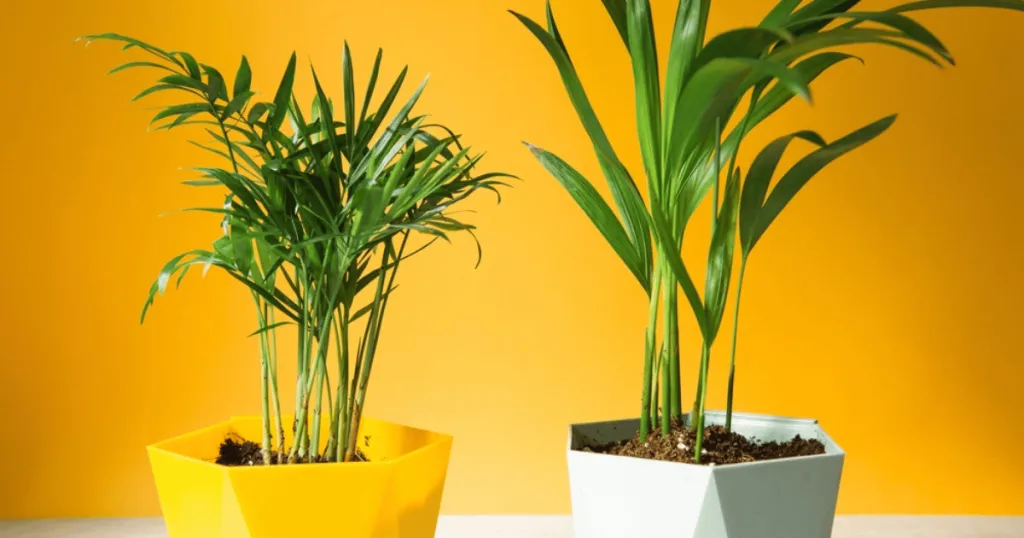
Identifying Common Symptoms
Understanding what your plant is trying to communicate is the first step toward a solution. Because the bamboo palm is a clustering species, it often shows stress in specific ways that reflect its internal water balance or light exposure.
Yellowing Fronds
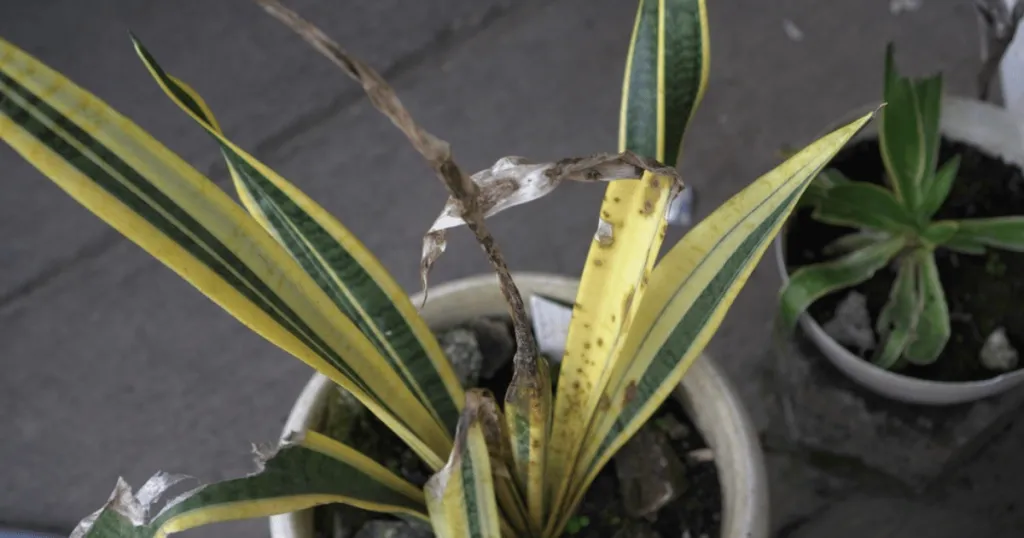
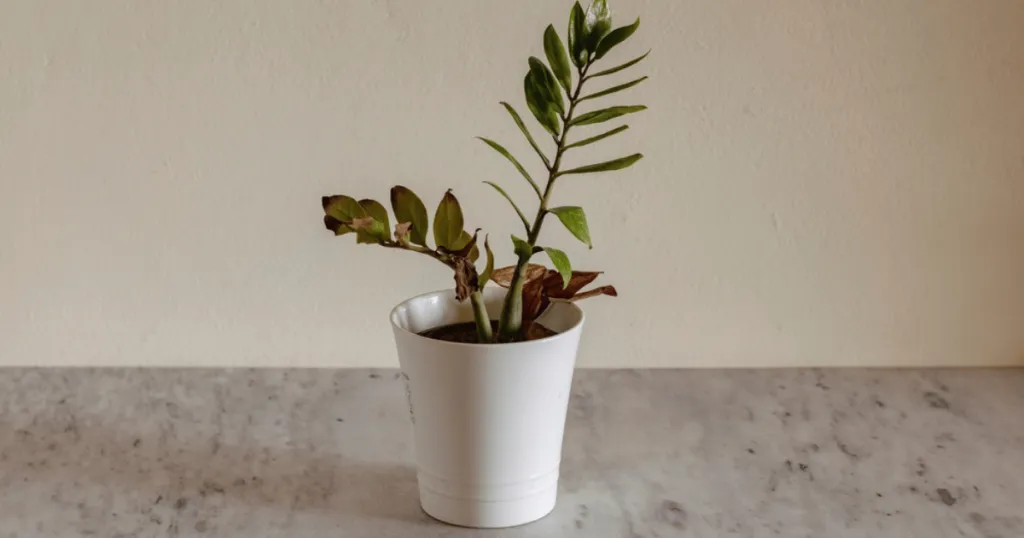
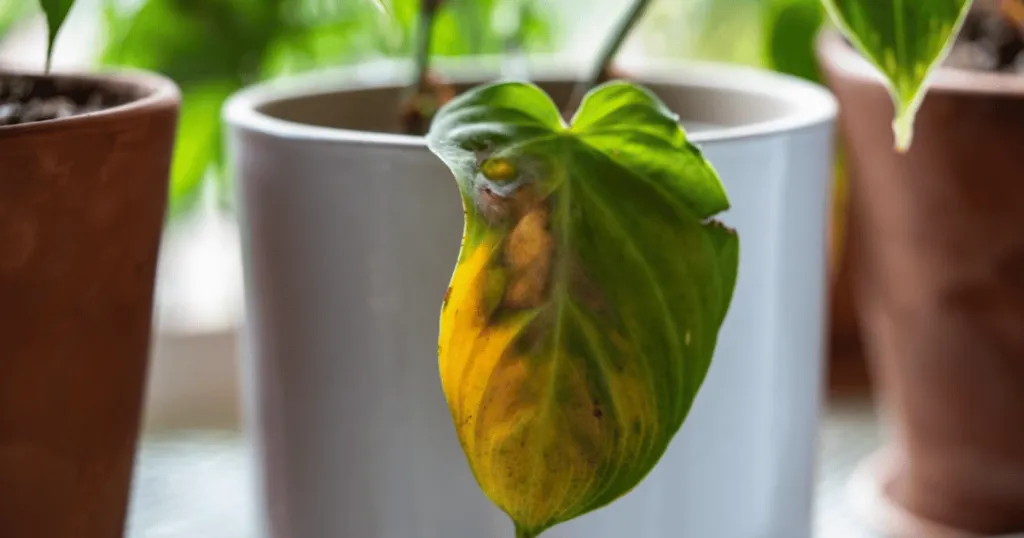
Yellowing is frequently a sign of overwatering or poor drainage. If the lower fronds turn yellow while the soil remains consistently soggy, the roots may be struggling to breathe. Conversely, if the yellowing is patchy and the plant is in a very bright window, it could be a sign of light stress or nutrient deficiency. In an office, yellowing can also indicate that the plant is not receiving enough light to support its current leaf count, causing it to shed older, less efficient fronds to conserve energy.
Brown and Crispy Tips
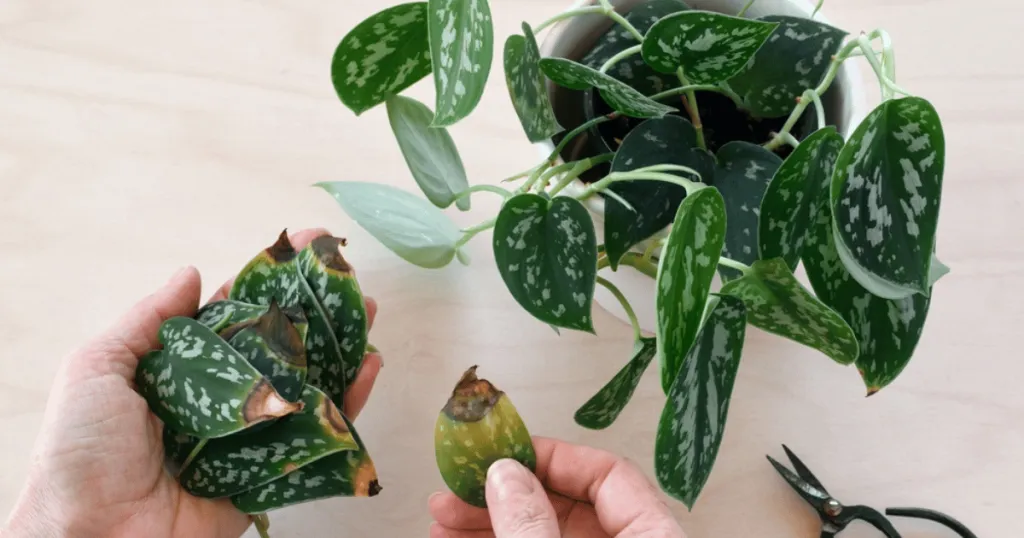
This is the most common complaint in office environments. Brown, crispy tips are almost always a result of low humidity or mineral buildup from tap water. Offices are notoriously dry due to climate control systems, which pull moisture away from the palm fronds faster than the roots can replace it. This process, known as transpiration, is accelerated by constant airflow from HVAC systems, leading to rapid desiccation of the delicate leaf tips.
Drooping or Wilted Appearance
If the fronds look limp or droopy, the plant is likely experiencing water stress. While it sounds counterintuitive, this can happen if the soil has been allowed to dry out completely for too long, or if the root system has been damaged by prolonged saturation. When roots are damaged by rot, they can no longer transport water to the foliage, resulting in a wilted appearance even if the soil itself feels damp to the touch.
Addressing Watering and Humidity Issues
The bamboo palm thrives when the soil is kept lightly moist, but never waterlogged. In an office setting, the biggest mistake is following a rigid calendar schedule rather than checking the soil. Use your finger to check the top two inches of soil; if it feels dry, it is time to water. If it is still damp, wait another two days. Overwatering is a common pitfall in office environments where multiple people might be responsible for plant care, leading to accidental double-watering.
To combat the dry air common in modern office buildings, consider placing the palm on a pebble tray filled with water. This increases the local humidity around the foliage without requiring you to mist the leaves, which can sometimes encourage fungal issues if the office lacks good air circulation. Ensure the pot is sitting on the pebbles and not directly in the water to prevent root rot. Additionally, grouping plants together can create a microclimate that helps retain moisture, effectively mitigating the harsh, dry conditions created by industrial HVAC systems.
Managing Light and Environmental Stress
While the bamboo palm is often marketed as a low-light plant, it performs best in medium, indirect light. If your palm is stuck in a dark corner with no natural light, it will eventually stall and lose its vigor. If the plant is in a high-traffic area, ensure it is not being brushed against constantly, as this can damage the delicate leaflets. Physical trauma to the leaves often manifests as brown, frayed edges that can be mistaken for disease.
If you suspect your office lighting is inadequate, consider moving the plant closer to a window that does not receive harsh, direct afternoon sun. Direct sun can scorch the leaves, leading to bleached patches or brown spots that look like disease but are actually just light damage. A sheer curtain can help diffuse intense light if a window location is your only option. For offices without windows, full-spectrum LED grow lights can provide the necessary energy to maintain foliage health without the heat output of older fluorescent fixtures.
Advanced Care and Long-Term Prevention
Once you have addressed the immediate symptoms, focus on long-term prevention. Avoid using water that has been softened, as the high salt content can be toxic to palms. If your office building uses a water softener, try to use filtered or bottled water for your plants. Additionally, keep the leaves clean by gently wiping them with a damp cloth every few weeks. This removes dust that can block light and harbor pests. Dust accumulation is a silent contributor to bamboo palm problems, as it reduces the plant’s ability to photosynthesize effectively in lower-light office settings.
Regularly inspect the undersides of the leaves for spider mites, which are common in dry office environments. If you see fine webbing, wipe the leaves down with a mild soap and water solution. This simple habit prevents infestations from becoming a major problem that requires chemical intervention. Spider mites thrive in the warm, dry air of climate-controlled offices, making regular leaf inspection a critical part of office plant maintenance.
Understanding Root Health and Potting Media
A frequently overlooked aspect of bamboo palm health is the potting mix itself. Over time, peat-based potting soils can become hydrophobic, meaning they repel water rather than absorbing it. If you notice water running straight through the pot and out the drainage holes without moistening the soil, your plant may be suffering from this condition.
In such cases, the plant is effectively starving for water despite your best efforts. Repotting into a fresh, well-draining mix that includes perlite or orchid bark can restore proper aeration and water retention, preventing the root rot that often plagues palms in stagnant, heavy soil.
When to Seek Professional Help
If you have corrected the watering, humidity, and light, but the plant continues to decline, you may be dealing with a root-bound situation or an underlying pathogen. If the roots are circling the bottom of the pot tightly, it is time for a larger container. However, if the roots appear mushy or smell foul, this indicates root rot, and you may need to trim the affected sections and repot the plant in fresh, well-draining soil mix designed for palms. If the plant is a large specimen in a heavy container, consider consulting with a professional interior plant service to avoid injury or further damage to the plant during the repotting process.
Analyzing Seasonal Shifts in Office Environments
Office environments are not static; they change with the seasons, which directly impacts your bamboo palm. During winter months, heating systems run more frequently, drastically lowering indoor humidity levels. This is when you will see the most significant “crispy tip” issues. Conversely, during summer, air conditioning units may create cold drafts that can shock the plant if it is positioned too close to a vent. It is essential to monitor these seasonal shifts. You may need to increase your watering frequency during the summer growth phase and decrease it during the winter dormancy period, while simultaneously increasing your humidity-boosting efforts during the heating season to compensate for the drier air.
Distinguishing Natural Aging from Stress
Not every brown leaf is a sign of a problem. As a clustering palm, the bamboo palm naturally sheds its oldest, lowest fronds as it produces new growth from the center. These older fronds will slowly turn yellow, then brown, and eventually dry up. This is a normal part of the plant’s life cycle. You can distinguish this from environmental stress by checking the rest of the plant. If the new growth at the top is vibrant, green, and healthy, and only the lowest, oldest fronds are dying, you are likely witnessing natural aging.
If, however, the yellowing or browning is occurring on newer, upper leaves, or if the entire plant looks dull, you are dealing with an environmental issue that requires intervention.
The Role of Potting Containers in Plant Health
The type of container your bamboo palm is in can significantly influence its health. Porous pots, like terracotta, allow for better aeration but dry out much faster, which can be a disadvantage in a dry office. Plastic or ceramic pots retain moisture longer but can lead to waterlogging if they lack adequate drainage holes. If you find your palm is constantly struggling with moisture levels, consider the material of the pot. If it is in a decorative container without a drainage hole, ensure you are using a nursery liner inside that can be removed for watering. This prevents the palm from sitting in a pool of stagnant water, which is a leading cause of root rot in office settings.
Related Bamboo Palm Guides
FAQ
Is the bamboo palm toxic to office pets?
According to the ASPCA, the bamboo palm is non-toxic to both cats and dogs. This makes it a safe choice for offices that allow pets or for employees who are concerned about potential ingestion by animals.
Why are my bamboo palm leaves turning brown even though I water it?
Brown tips are often caused by low humidity or the use of tap water containing high levels of fluoride or chlorine. Try using filtered water and increasing the humidity around the plant to see if the new growth remains green.
Should I prune the brown fronds on my bamboo palm?
Yes, you can trim brown tips or entirely dead fronds to improve the plant’s appearance. Use clean, sharp scissors to cut just outside the healthy tissue, being careful not to cut into the main stem of the plant.
How often should I fertilize my bamboo palm in an office?
Bamboo palms are light feeders. In an office environment, fertilize only during the growing season, typically spring and summer, using a balanced liquid fertilizer diluted to half-strength. Avoid fertilizing during the winter months when growth naturally slows.