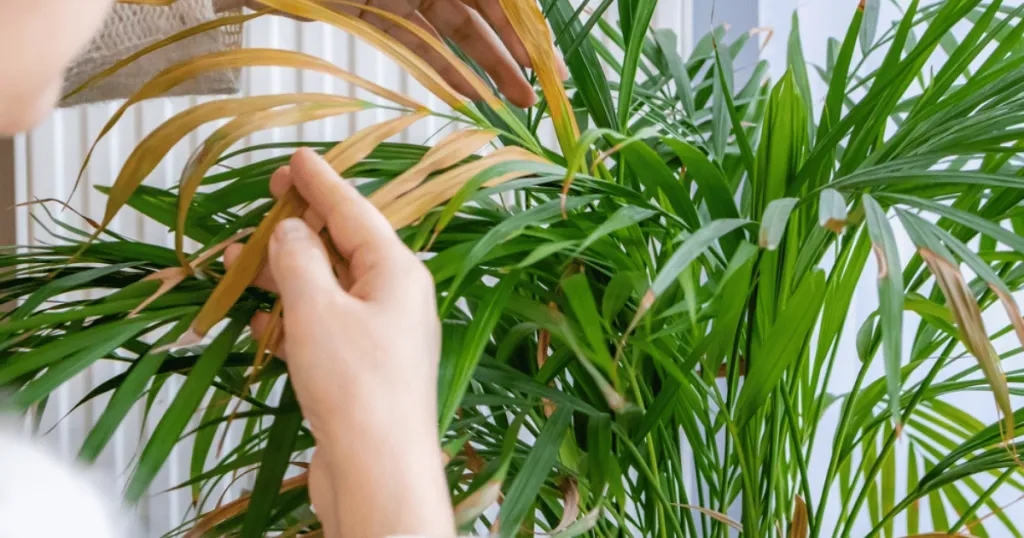
A healthy parlor palm, or Chamaedorea elegans, is a study in quiet elegance. Its fronds should display a deep, vibrant green, arching gracefully from a central cluster. In a well-maintained office environment, the leaves look supple and firm, with a slight sheen that reflects ambient light. If you notice the lower fronds turning yellow or brown, it is easy to assume the plant is failing. However, in many cases, this is simply the natural life cycle of the palm. Distinguishing between normal aging and actual parlor palm problems is the first step toward effective plant management.
When you encounter issues, the most likely culprits in a professional setting are inconsistent watering or improper light exposure. Before you reach for fertilizers or consider repotting, look closely at the soil moisture and the proximity of the plant to windows or HVAC vents. Most office-related struggles with this species are easily corrected by adjusting the environment rather than adding chemical interventions.
The Short Version
Most parlor palm problems stem from overwatering or low-light stress. If your plant looks distressed, check the soil moisture first. If the soil is soggy, stop watering immediately and ensure the pot has adequate drainage to prevent root rot, which is the most common cause of decline.
Quick Checks and Fast Fixes
Before assuming your plant is dying, perform a systematic check of its immediate surroundings. Office environments often present hidden stressors that mimic disease or pest infestations. Start by observing the light levels. While parlor palms are famously shade-tolerant, they are not light-proof. If the plant is tucked into a dark corner with no access to indirect light, it will eventually lose its vigor and stop producing new growth. Move it closer to a window, but avoid direct sun, which can scorch the delicate fronds.
Next, evaluate your watering routine. In an office, it is common for multiple people to water the same plant, leading to saturation. Use the finger test: insert your finger two inches into the soil. If it feels damp, do not add water. If the soil is pulling away from the sides of the pot, it is likely too dry. Ensure that your pot has drainage holes. If your plant is sitting in a decorative cachepot without drainage, water will accumulate at the bottom, creating a swampy environment that leads to root rot. If you find standing water, lift the plant out and drain the excess immediately.
Symptom Diagnosis Guide
Use this guide to identify the specific issue affecting your parlor palm:
- Yellowing lower fronds: Usually natural aging, but can indicate overwatering if the yellowing is widespread.
- Brown, crispy tips: Typically caused by low humidity or inconsistent watering cycles.
- Drooping stems: Often a sign of severe dehydration or, conversely, root damage from overwatering.
- Stalled growth: Usually linked to insufficient light or a root-bound condition.
- White webbing or spots: Indicates a pest infestation, most commonly spider mites or mealybugs.
Addressing the Most Common Issues
The most frequent parlor palm problems are centered on water management. Because office plants are often neglected over weekends and then over-watered on Mondays, the root system rarely gets a chance to breathe. When roots remain in saturated soil, they cannot absorb oxygen, leading to root rot. The symptoms of root rot often manifest as yellowing leaves that eventually turn brown and mushy. If you suspect rot, you must remove the plant from its container to inspect the root ball. Healthy roots are firm and light-colored. If you see dark, slimy, or foul-smelling roots, you are dealing with rot. Trim away the affected roots with sterile shears and repot the plant in fresh, well-draining potting mix.
Another common issue is browning leaf tips. In an office, HVAC systems often strip the air of moisture, creating a dry environment that the parlor palm finds challenging. While the plant can tolerate average humidity, extreme dryness causes the tips of the fronds to crisp. You do not need to mist the plant, as this provides only temporary relief. Instead, consider grouping plants together to create a microclimate or placing the pot on a tray filled with pebbles and a small amount of water, ensuring the bottom of the pot does not touch the water directly. This increases the local humidity without saturating the soil.
If you notice the plant is leaning or stretching significantly, it is reaching for a light source. This is known as phototropism. Rotate the pot every time you water it to ensure even growth on all sides. If the plant is severely stretched, it may need to be moved to a location with brighter, indirect light. Remember that parlor palms grow slowly, so do not expect rapid changes in shape.
Advanced Troubleshooting and Pest Management
Pests are less common in offices than in home gardens, but they do occur. Spider mites are the primary concern for parlor palms, especially in dry, warm offices. They thrive in low-humidity conditions and often go unnoticed until you see fine webbing between the leaflets. If you spot mites, wipe the fronds down with a damp cloth to remove the pests and the webbing. For persistent infestations, use a gentle insecticidal soap designed for indoor use. Avoid harsh chemicals, as they can damage the plant and introduce unpleasant odors to your workspace.
Mealybugs, which look like small white cottony tufts, can also hide in the crevices where the fronds meet the stem. Use a cotton swab dipped in rubbing alcohol to dab these pests directly. This is a targeted, effective way to manage the problem without treating the entire plant. Always isolate an infested plant from others in the office to prevent the spread of pests.
Understanding Environmental Stressors in the Workplace
Office environments are unique ecosystems that differ significantly from residential settings. The primary challenge for Chamaedorea elegans is the fluctuation of air quality and temperature. HVAC systems are designed for human comfort, not plant health, often creating drafts that can dehydrate foliage rapidly. If your parlor palm is situated directly under an air vent, the constant airflow can cause the fronds to dry out faster than the roots can replenish moisture, leading to brittle, brown edges even if the soil appears adequately damp. In such cases, the best solution is to relocate the plant to a more sheltered area of the office where the air is still.
Furthermore, consider the impact of office lighting. While these palms are shade-tolerant, they still require a consistent light cycle. If your office uses motion-sensor lighting that turns off completely after hours, the plant may experience a lack of sufficient light exposure over the course of a week. While they don’t need light 24/7, a total lack of light for 12-14 hours a day can contribute to stunted growth and a loss of the deep green color that characterizes a healthy palm. If your office is perpetually dark, consider supplementing with a small, full-spectrum LED desk lamp pointed toward the plant, which can provide the necessary energy for photosynthesis without the heat of traditional bulbs.
The Role of Soil and Potting Media
A common mistake in office plant maintenance is using the wrong potting medium. Many decorative pots come with soil that is too dense or lacks proper aeration. Over time, this soil compacts, preventing oxygen from reaching the roots. When the root system is deprived of oxygen, the plant cannot effectively uptake nutrients, leading to yellowing leaves that mimic signs of nutrient deficiency. If you suspect your parlor palm is struggling due to soil compaction, consider a gentle repotting. Use a high-quality, peat-based potting mix amended with perlite or pumice to improve drainage and aeration. This simple adjustment can revitalize a struggling plant by allowing the roots to expand and breathe more freely.
Prevention Habits for Long-Term Success
The secret to avoiding parlor palm problems is consistency. Establish a single person responsible for plant care to prevent over-watering. Create a simple calendar or a sticky note system near the plant to track when it was last watered. This prevents the common office mistake of multiple people watering the plant on the same day.
Focus on the soil quality. Use a high-quality, peat-based potting mix that allows for good aeration. If the soil has become compacted over time, it will not hold water or air correctly. Gently loosening the top inch of soil with a small tool can help improve oxygen flow to the roots. Additionally, keep the leaves clean. Dust accumulation on the fronds blocks light and can hide early signs of pest activity. A quick wipe with a damp cloth once a month keeps the plant healthy and looking professional.
Finally, be patient with the plant’s growth rate. Parlor palms are not fast growers. If the plant is not producing new fronds, it does not necessarily mean it is sick. As long as the existing foliage is green and firm, the plant is likely just in a period of slow growth, which is normal for this species in indoor conditions.
Related Parlor Palm Guides
FAQ
Is it normal for my parlor palm to lose its lower leaves?
Yes. As a parlor palm matures, it naturally sheds its oldest, lowest fronds. If the yellowing is limited to the bottom-most leaves while the rest of the plant remains green and healthy, it is simply the plant’s natural aging process.
Are parlor palms toxic to office pets?
According to the ASPCA, the parlor palm is considered non-toxic to cats and dogs. This makes it a safe choice for offices that allow pets or for employees concerned about the safety of their animals at home.
How often should I fertilize my parlor palm?
Parlor palms are light feeders. You only need to fertilize during the growing season, typically spring and summer, using a balanced liquid fertilizer diluted to half-strength. Avoid fertilizing in the winter when growth naturally slows down.
Can I trim the brown tips off my parlor palm?
Yes, you can trim brown tips for aesthetic reasons. Use clean, sharp scissors and follow the natural shape of the leaf. Be careful not to cut into the healthy green tissue, as this can cause further browning or stress to the frond.