Deciding how to allocate funds for workplace greenery often starts with a simple administrative question. When facilities managers or business owners look at their ledger, they frequently ask whether plants an office expense that qualifies for standard operational budgeting, capital expenditure allocation, or specialized interior design allowances. The classification depends heavily on how the greenery is acquired, whether the arrangement involves a recurring plant rental service, and how the company structures its internal department cost centers.
Understanding the financial and operational treatment of workplace botany helps prevent administrative friction between accounting departments and office managers. Beyond mere tax categorization, treating greenery as a legitimate operational line item impacts indoor environmental quality, employee satisfaction, and overall workplace maintenance workflows. Evaluating the true cost involves looking past the initial purchase price of a ceramic pot and a fiddle leaf fig to encompass long-term care, watering labor, and replacement cycles under typical commercial lighting and HVAC conditions.
Categorizing Workplace Botany in Corporate Accounting
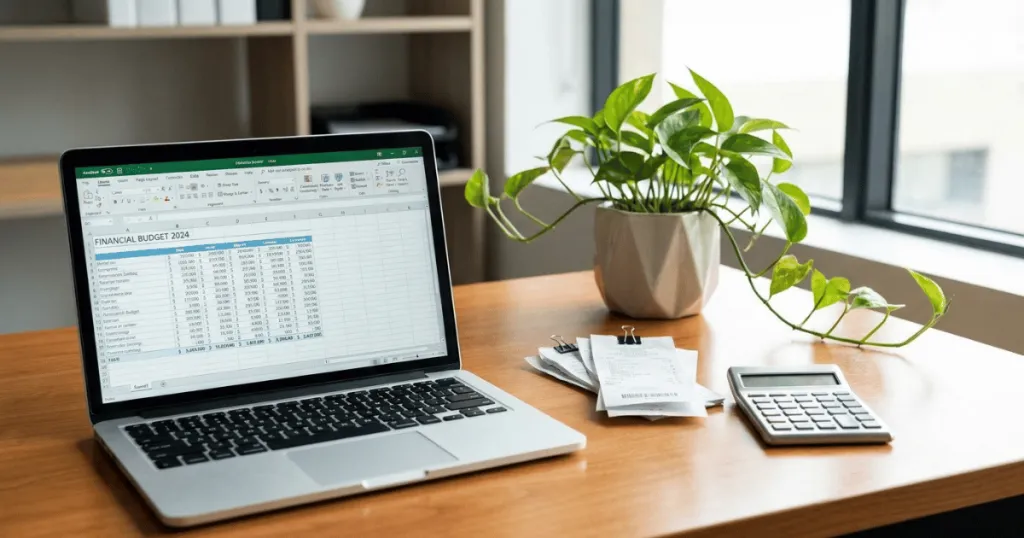
In standard corporate accounting, office greenery generally falls under operational expenditures rather than capital assets. This classification depends on the scale of the purchase and the permanence of the installation. For most organizations, buying a few tabletop specimens for individual desks or a statement palm for the reception area is treated as a routine supply or interior enhancement cost. However, larger corporate headquarters might handle living walls and built-in architectural planters differently, occasionally capitalizing them as part of major office build-outs or leasehold improvements.
When finance teams review accounts payable, they typically sort plant costs into specific buckets based on procurement methods. Purchasing plants outright from a local nursery creates a one-time inventory or supply expense. Conversely, hiring a commercial interior landscaping vendor for monthly maintenance, plant rotation, and replacement guarantees results in a predictable recurring service fee. Office managers must coordinate with accounting to ensure these outlays align with the correct ledger codes, such as office supplies, interior decor, or facilities maintenance.
Furthermore, corporate accounting for plants requires evaluating the asset lifecycle. Unlike heavy office machinery or IT servers that undergo structured depreciation schedules over multiple years, indoor office flora has an unpredictable lifespan dictated by interior climate variables. Factors such as proximity to commercial heating vents, exposure to continuous artificial LED lighting, and weekend HVAC shutdowns heavily influence whether a plant thrives or requires early replacement. Because of this high volatility, financial controllers prefer expensing them immediately rather than treating them as depreciable fixed assets.
Purchase versus Maintenance Service Contracts
The distinction between owning plants outright and paying for a service contract changes how expenses appear on a monthly profit and loss statement. Outright purchases require upfront capital allocation but involve no recurring vendor fees, shifting the burden of watering, pruning, and pest control onto internal staff or office coordinators. While this approach appears less expensive on paper, it often leads to unexpected replacement costs if plants succumb to low humidity, stagnant air near vents, or inconsistent weekend watering schedules.
Service contracts bundle the cost of the flora, decorative containers, periodic fertilization, and guaranteed replacements into a fixed monthly or quarterly invoice. From a budgeting perspective, this turns an unpredictable botanical hobby into a reliable, fixed operational expense. Facility directors often favor this route because it eliminates the risk of asset loss due to neglect, ensuring that client-facing areas maintain a healthy, professional appearance without consuming internal staff hours.
When evaluating vendor contracts, workplace managers must carefully read the fine print regarding replacement terms. Some interior landscaping service cost structures include unconditional swaps for any declining foliage, while others charge add-on fees for specialized seasonal rotations. Understanding these contractual nuances prevents unexpected budget overruns during quarterly financial reviews.
Tax Deductibility and Business Necessity
From a tax perspective, ordinary and necessary expenses incurred to maintain a productive and professional workplace are generally deductible as business operating expenses. Office greenery directly contributes to the working environment by improving interior aesthetics, dampening ambient noise in open-plan offices, and supporting employee well-being. Because these items serve a clear business purpose in maintaining a professional office atmosphere rather than providing personal luxury, their acquisition and maintenance costs are routinely integrated into standard business deductions.
Documenting these costs properly requires clear invoice descriptions from vendors. Receipts that specify interior landscaping services or office plant maintenance make it straightforward for tax professionals to classify the expenditures correctly. Separating plant purchases from personal home gardening supplies is essential for maintaining clean corporate financial records during internal reviews or audits. Organizations often align these expenditures with broader corporate wellness initiatives, ensuring that workspace improvements are fully documented for corporate governance and tax compliance purposes.
Budgeting Models and Resource Allocation for Workplace Greenery
Creating a sustainable budget for office plants involves weighing aesthetic goals against practical constraints such as light levels, water access, and staff availability. A common mistake is allocating funds exclusively for the initial purchase while ignoring the ongoing lifecycle costs. A comprehensive budget accounts for potting soil, slow-release fertilizers, specialized pruning tools, and eventual plant upgrades as specimens outgrow their containers or struggle under fluorescent office lighting.
For open-plan offices and collaborative zones, organizations often use a tiered budgeting model. High-impact zones like reception areas and executive boardrooms receive professional-grade installations and dedicated maintenance, while individual desk areas rely on hardy, low-maintenance species managed directly by employees or general office staff. This hybrid approach optimizes financial resources while ensuring that focal points maintain a polished, vibrant look.
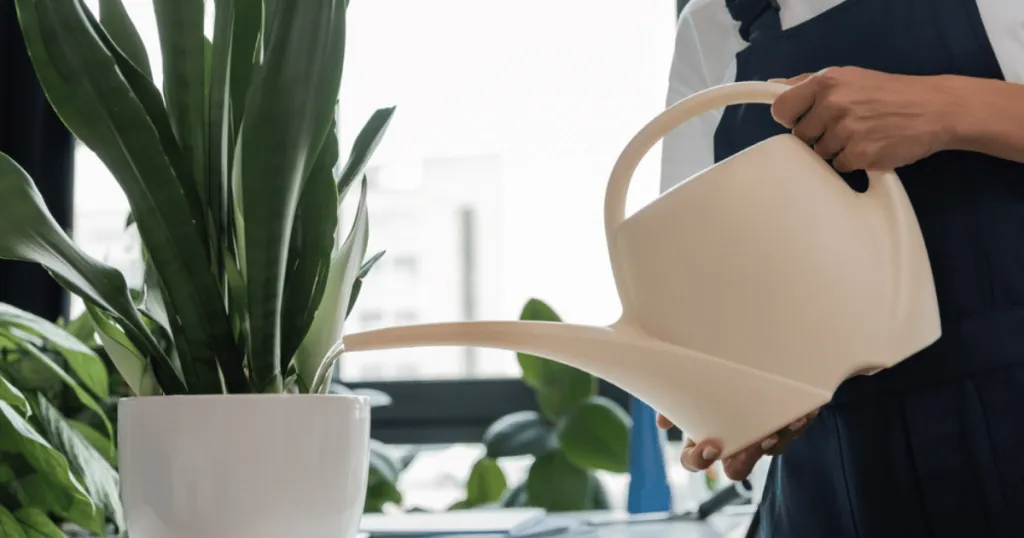
Another critical element in workplace botanical expenses planning is water source accessibility. If conference rooms or executive suites lack nearby sinks or utility rooms, staff members waste valuable working hours hauling heavy watering cans across large floor plates. Factoring in equipment like rolling water tanks or budgeting for self-watering ceramic planters directly impacts labor efficiency and reduces accidental water spillage on commercial carpeting.
Hidden Costs Beyond the Initial Purchase Price
Evaluating whether plants fit comfortably into an operational budget means accounting for variables that rarely appear on a nursery price tag. Consider the following factors before approving a plant purchasing initiative:
- Replacement frequency for sensitive species placed in harsh HVAC drafts or low-light corners.
- Watering accessories, saucers, moisture meters, and protective mats to prevent water damage to commercial flooring or wooden desks.
- Staff labor hours dedicated to watering, dusting leaves, and managing minor pest outbreaks during regular work hours.
- Disposal and recycling costs for containers and spent soil when specimens reach the end of their viable office lifespan.
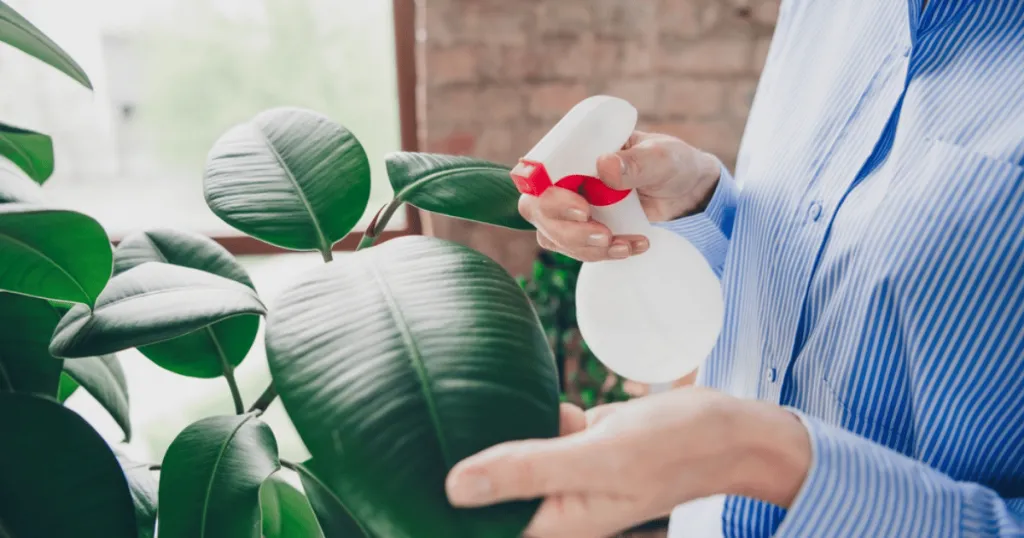
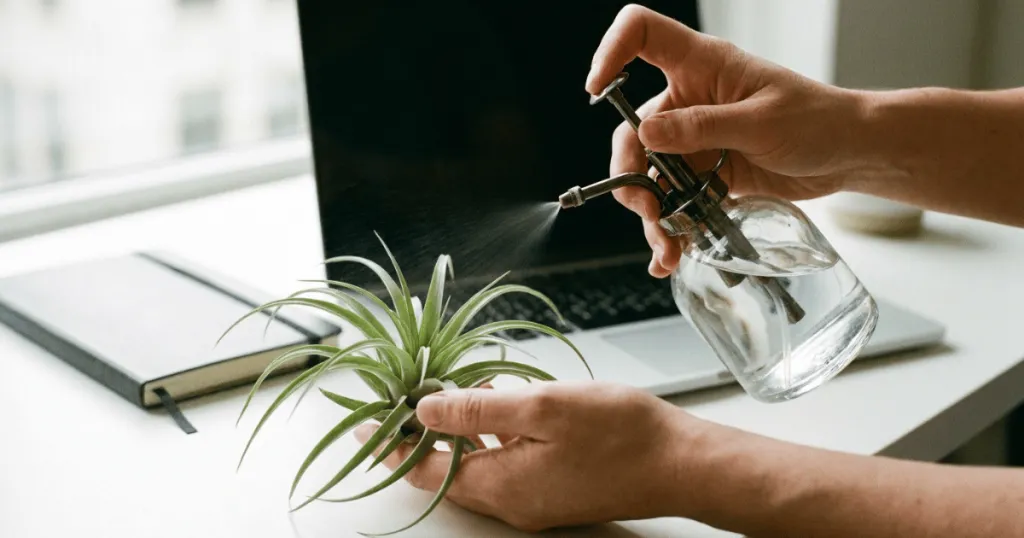
Additionally, offices operating in regions with extreme seasonal climate shifts must anticipate higher indoor heating usage during winter months, which drastically drops relative humidity and causes leaf tip browning on tropical varieties like peace lilies or calatheas. Allocating extra funds for specialized misting or humic supplements can prevent premature plant failure in these challenging environments.
Allocating Costs Across Departmental Budgets
In decentralized organizations, determining which department absorbs plant expenses can spark minor internal debates. Human resources might advocate for biophilic design to support employee wellness and talent retention, while facilities management focuses on space utility and maintenance logistics. Finance teams usually prefer assigning these costs to general administrative overhead or facilities upkeep rather than splitting small fractions across multiple project codes.
When office plants are viewed as a shared workplace infrastructure asset rather than a departmental perk, budget approval becomes streamlined. A centralized facilities budget ensures consistent standards across all conference rooms, shared lounges, and workstation clusters, preventing a disjointed mix of neglected personal plants and high-end corporate installations. This centralized oversight also simplifies vendor management, allowing the facilities department to negotiate bulk service agreements across multiple regional branches if necessary.
Strategic Decision Framework for Office Plant Investments
Before committing funds to indoor greenery, workplace decision-makers should evaluate their specific office environment to ensure the investment yields practical value. If the workspace suffers from dim natural light and aggressive weekend HVAC setbacks, investing in delicate tropical specimens will lead to rapid plant failure and wasted capital. Instead, choosing resilient foliage varieties such as snake plants, ZZ plants, or cast-iron plants minimizes replacement rates and protects the operational budget.
When reviewing vendor proposals or nursery invoices, prioritize transparency regarding plant replacement guarantees. A reputable commercial plant service will replace struggling specimens at no additional charge, safeguarding the company against premature financial loss. By aligning plant selection with the physical realities of the office environment and establishing clear accounting categories, organizations can maintain a vibrant, professional workplace without unexpected budgetary surprises.
To implement this framework successfully, office managers should conduct a lighting and airflow audit prior to submitting any plant purchasing requests. Documenting window directions, distance from primary light sources, and vent placements ensures that selected species match room conditions. This proactive step prevents costly trial-and-error spending and ensures that every dollar allocated to workplace greenery supports a sustainable, long-lasting indoor ecosystem.
FAQ
Can office plants be depreciated as fixed assets?
In most cases, office plants are not depreciated as fixed capital assets because they have a relatively short useful life and low individual unit costs. They are typically expensed immediately as operational supplies or interior maintenance costs in the year they are purchased.
How do commercial plant rental services impact corporate taxes?
Payments made to interior landscaping vendors for plant rentals and routine maintenance are generally treated as fully deductible ordinary and necessary business operating expenses, appearing directly on the income statement as a service fee.
Are employee-owned desk plants considered a company expense?
Personal plants brought in by individual employees are not corporate expenses. However, if an employer purchases plants in bulk to furnish all workstations as part of an office-wide wellness or interior design initiative, those acquisitions become legitimate company expenses.
What is the best way to code plant maintenance in accounting software?
Plant maintenance and leasing fees are most commonly assigned to accounts such as office supplies, interior decor, building maintenance, or specialized facilities services, depending on the chart of accounts used by the business.