Affiliate Disclosure: As an Amazon Associate, I earn from qualifying purchases.
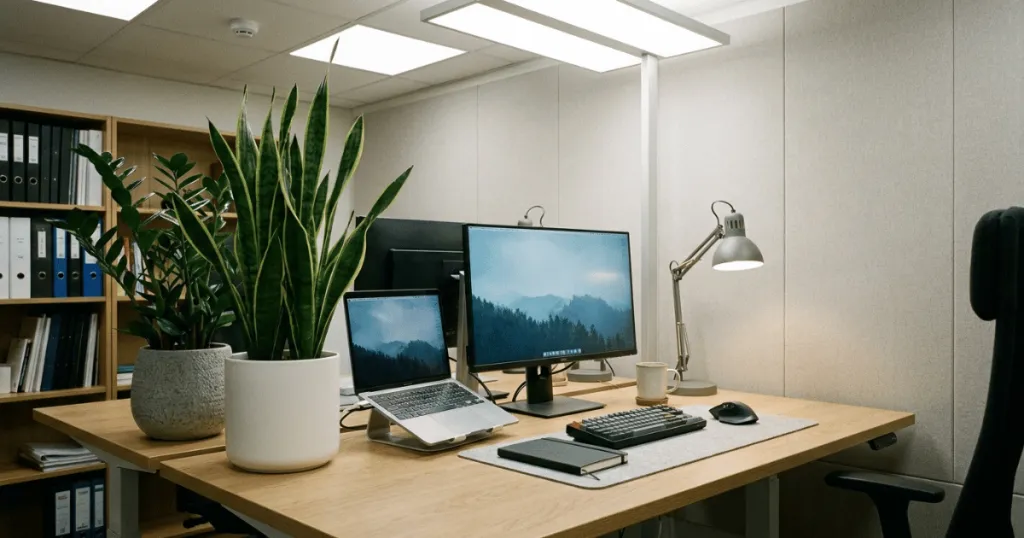
Finding the best office plants without sunlight requires a shift in how you evaluate plant health. Many common houseplants are marketed as shade-tolerant, but in an office setting, you are often dealing with artificial fluorescent or LED lighting rather than true natural shade. The most successful office plants are those that can photosynthesize efficiently under lower light intensities while tolerating the dry, climate-controlled air typical of modern office buildings. When selecting greenery for your workspace, your primary decision logic should focus on the plant’s metabolic rate; plants that grow slowly in low light are far more sustainable than those that require high energy to maintain their foliage.
When you are choosing plants for a cubicle, a reception desk, or a windowless meeting room, prioritize species that have evolved to survive in the understory of forest floors. These plants are naturally adapted to low-light conditions and generally require less frequent watering than their sun-loving counterparts. By focusing on these specific varieties, you can maintain a vibrant, professional workspace without the constant struggle of keeping a plant alive in a dark corner. This guide provides a curated selection of plants that balance aesthetic appeal with the practical reality of limited light and inconsistent care.
Key Takeaway
The best office plants without sunlight are those that thrive in low-light, stable environments and tolerate infrequent watering cycles.
- Choose low-light tolerant species like Snake Plants or ZZ Plants.
- Prioritize plants that handle dry, HVAC-controlled office air well.
- Avoid overwatering, as low-light plants consume water much slower.
Criteria for Low-Light Office Success
The primary challenge in a windowless office is the lack of photosynthetically active radiation. While plants can survive under standard office lighting, they will grow significantly slower than they would in a home environment with a window. This reduced growth rate is actually an advantage for office managers, as it means less frequent repotting and pruning.
You should also consider the maintenance schedule. In an office, you may have weekends or holidays where no one is available to check on the plants. The best candidates for these spaces are drought-tolerant and forgiving of occasional neglect. If a plant requires high humidity or daily misting, it will likely struggle in the arid, air-conditioned environment of a typical office, leading to brown tips and leaf drop.
Snake Plant
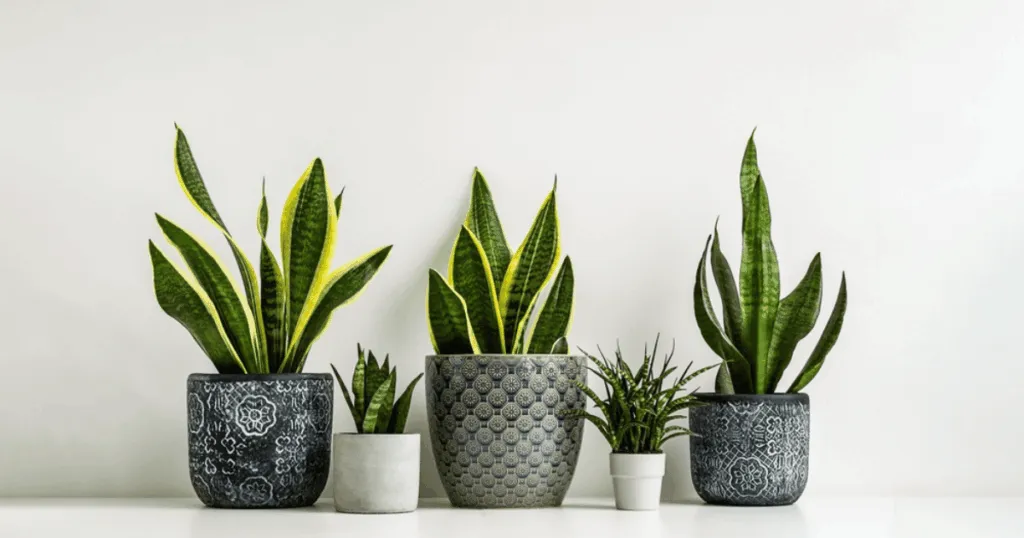
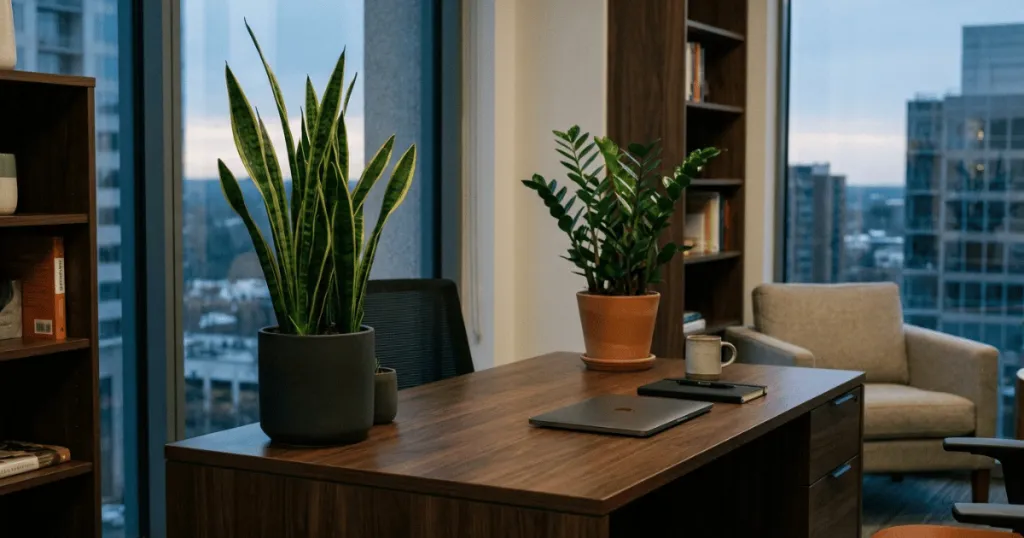
The Snake Plant is perhaps the most resilient option for any office. It is highly tolerant of low light and actually prefers to be left alone. Its upright, architectural leaves make it a perfect fit for tight corners or small desks where space is at a premium. Because it stores water in its thick, succulent-like leaves, it is incredibly forgiving if you forget to water it for a few weeks. Note that it is mildly toxic to pets, so keep it away from areas where office cats or dogs might roam. In practice, this plant is the gold standard for “set it and forget it” office greenery.
ZZ Plant
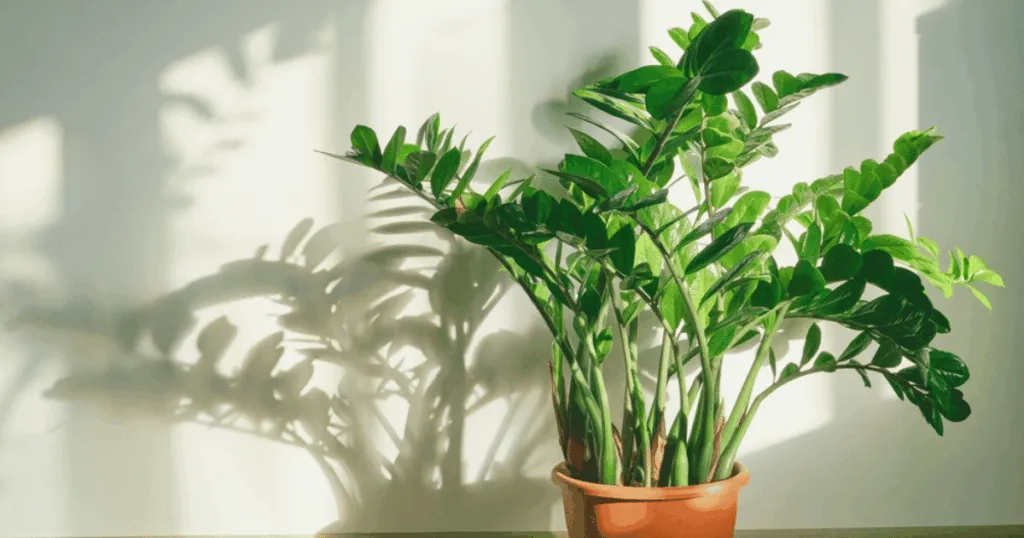
The ZZ Plant is a standout for windowless offices because it thrives under standard fluorescent lighting. Its glossy, dark green leaves look polished and professional, making it an excellent choice for reception areas or conference rooms. Like the Snake Plant, it is extremely drought-tolerant. A common mistake is overwatering this plant, so ensure the soil is completely dry before adding more moisture. It is toxic to pets if ingested. Its rhizomes act as water storage units, allowing it to survive even the longest holiday office closures.
Cast Iron Plant
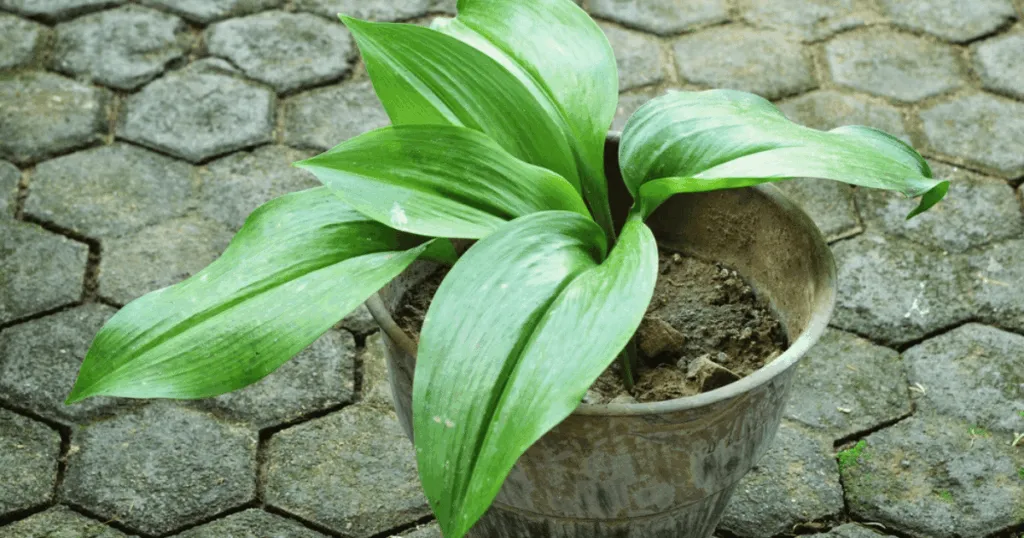
True to its name, the Cast Iron Plant is nearly indestructible. It is one of the few plants that can handle deep shade and fluctuating temperatures without showing signs of stress. If your office has poor air circulation or is prone to temperature swings near doorways, this plant is a dependable choice. It grows slowly, so it will not quickly outgrow its designated spot on your desk. It is also non-toxic to pets, making it a safe choice for pet-friendly workplaces. It is the ideal candidate for the darkest corner of a lobby.
Pothos
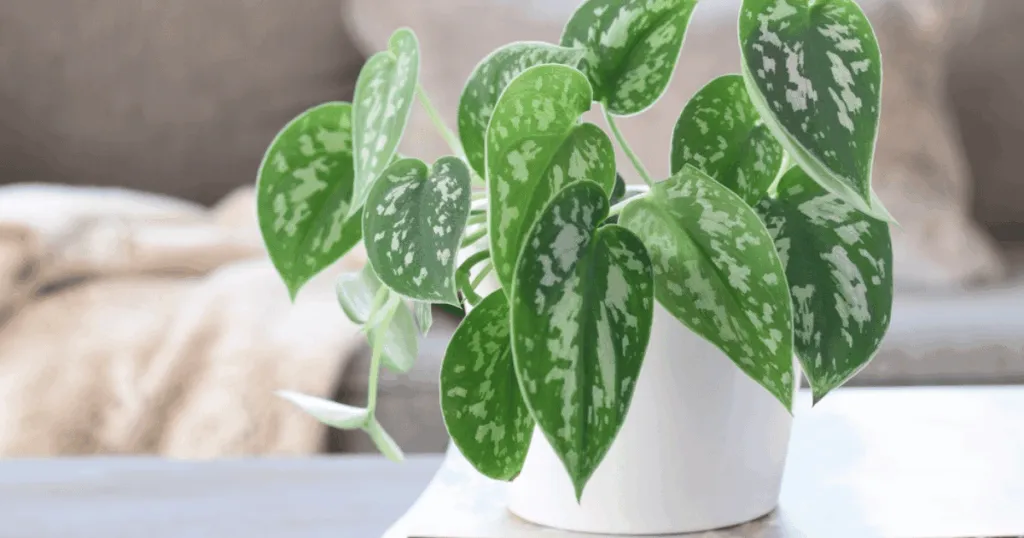
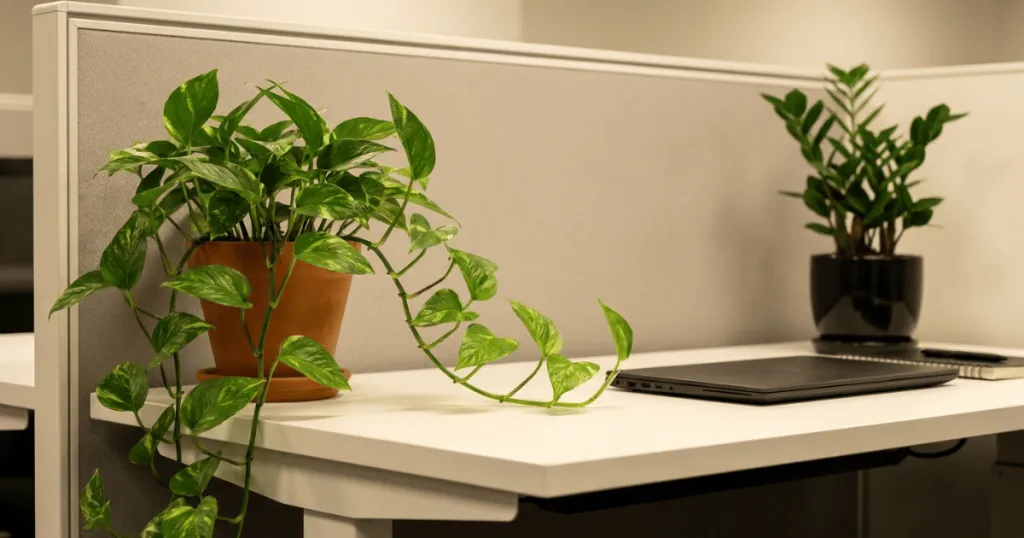
If you prefer a trailing plant, Pothos is a versatile and easy-to-care-for option. It can tolerate very low light levels, although its growth will be more compact in those conditions. Pothos is excellent for placing on top of filing cabinets or high shelves where its vines can hang down. It is also quite communicative, as the leaves will begin to droop slightly when it is time for a drink. Note that it is toxic to pets if chewed. Its ability to thrive in water-only setups also makes it a unique, soil-free option for clean-desk environments.
Chinese Evergreen
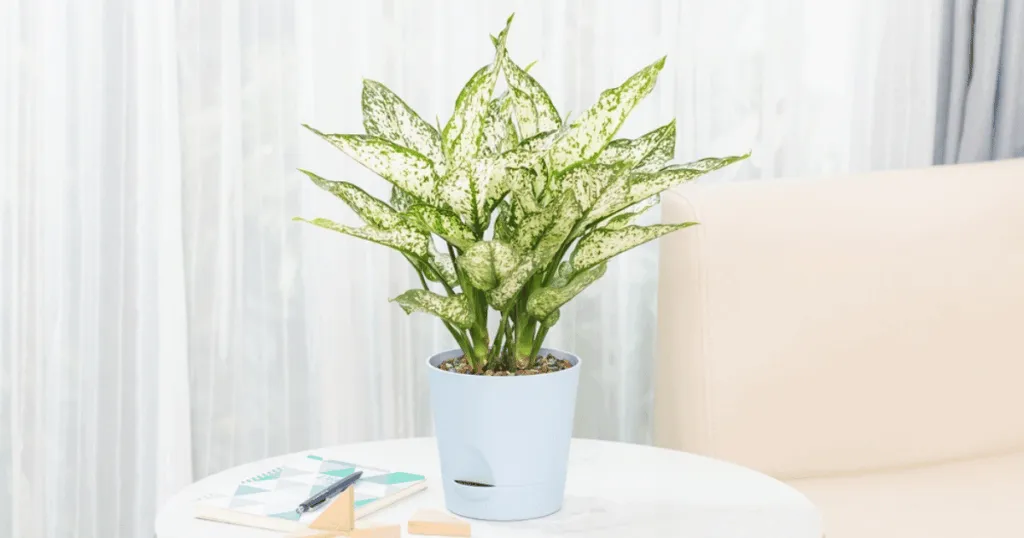
Chinese Evergreen, or Aglaonema, offers a bit more visual interest with its variegated leaf patterns. It is well-suited for offices because it is remarkably shade-tolerant and adapts well to indoor environments. It prefers slightly more consistent moisture than the Snake Plant, but it is still very forgiving. It adds a touch of color to a desk without requiring the high light levels that many other colorful plants demand. Be aware that it is toxic to pets. Its diverse range of cultivars allows for a customized look that matches office branding.
Parlor Palm
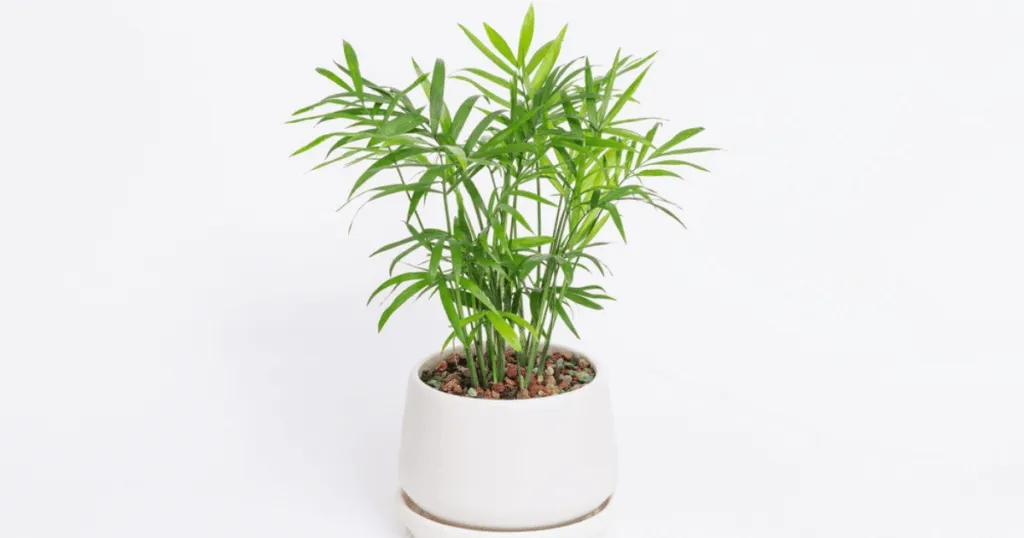
For those who want a tropical aesthetic without the high-light requirements of other palms, the Parlor Palm is the answer. It is one of the most shade-tolerant palms available and stays relatively compact, making it ideal for a floor plant in an office. It is non-toxic to pets, which is a helpful consideration if your office is pet-friendly. Unlike many other palms, it does not require high humidity to stay healthy. It provides a soft, feathery texture that contrasts beautifully with modern, hard-edged office furniture.
Bird’s Nest Fern
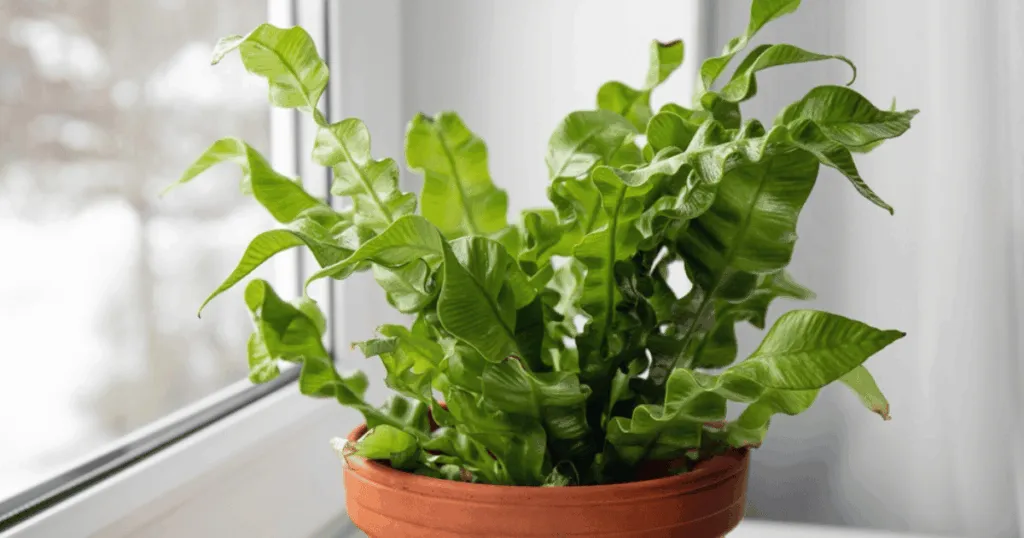
If you are looking for something with a unique texture, the Bird’s Nest Fern is a great choice. It has wavy, bright green fronds that grow in a rosette pattern. It is much more tolerant of low light and dry office air than the more temperamental Boston Fern. It works well on a desk or as a small accent plant in a meeting room. It is non-toxic to pets, offering a safe, lush look for your workspace. Ensure the center of the rosette remains free of standing water to prevent rot.
Heartleaf Philodendron
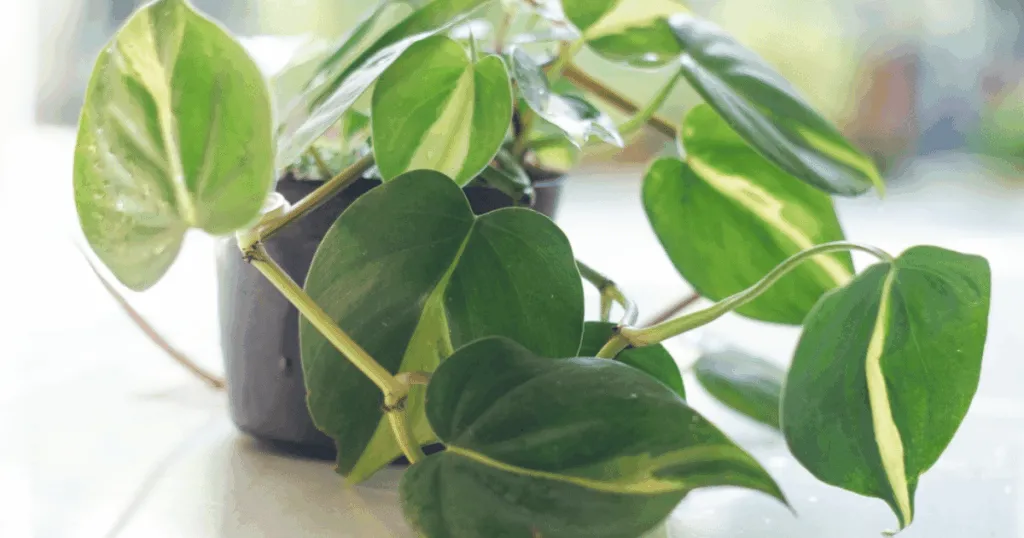
This classic trailing plant is a staple for a reason. It handles low light well and is very easy to propagate if you want to expand your office greenery. It prefers to have the top inch of soil dry out between waterings. Keep in mind that it is toxic to pets, so it should be placed on high shelves or in areas inaccessible to animals. Its heart-shaped leaves provide a softer, more organic feel to sterile cubicle environments.
Dracaena
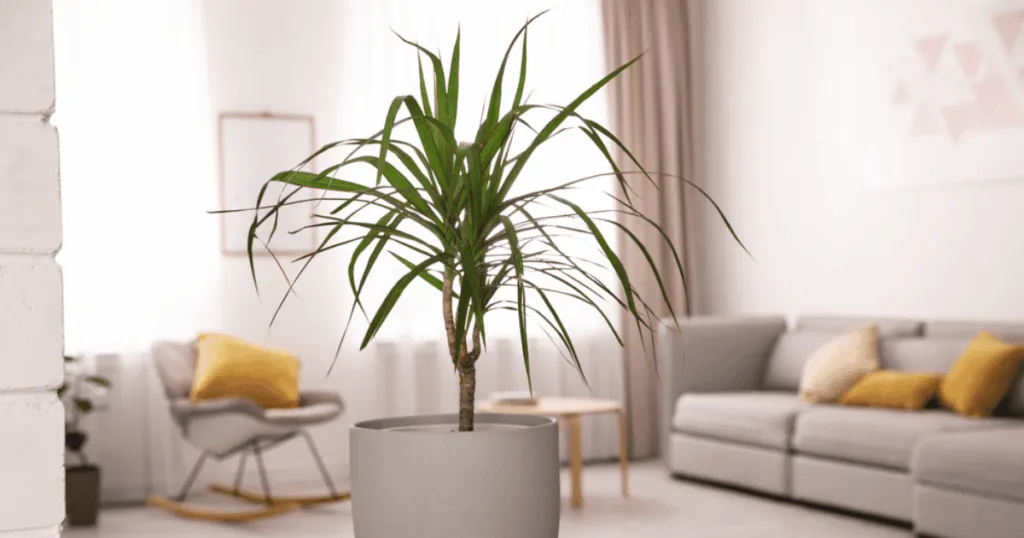
Dracaena varieties, such as the Corn Plant, are excellent for adding height to a room. They are quite tolerant of low light, though they can be sensitive to fluoride in tap water, which may cause brown leaf tips. Using filtered water can mitigate this. They are moderately toxic to pets, so consider placement carefully. Their cane-like structure makes them excellent for filling vertical space in corners without taking up too much floor area.
Peace Lily
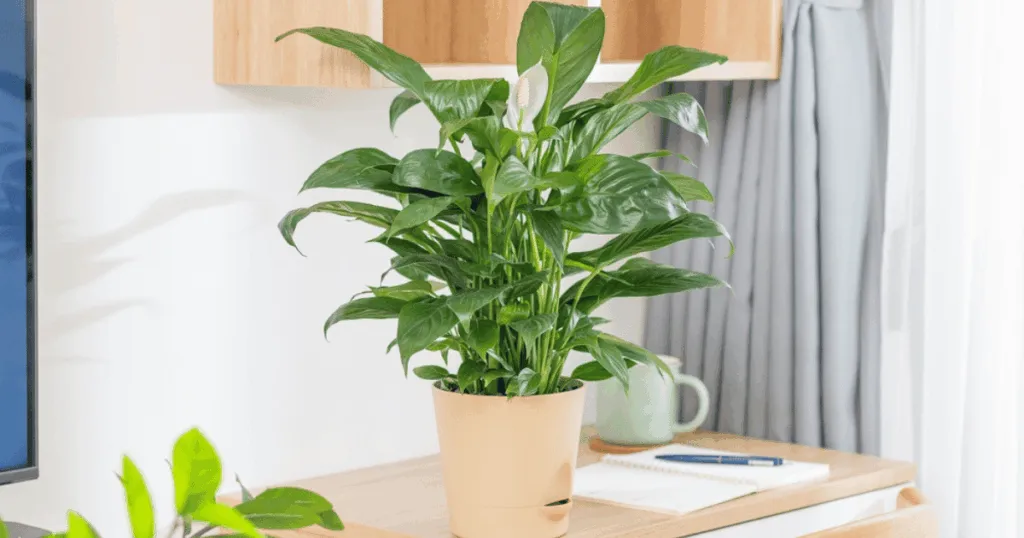
The Peace Lily is a unique addition because it can actually signal its own watering needs by drooping. While it prefers medium indirect light, it can persist in lower light conditions. It is toxic to pets and humans if ingested. In an office, it serves as a functional indicator; when the leaves sag, it is time for a drink. This makes it a great “teaching” plant for office managers who are new to plant care.
Spider Plant
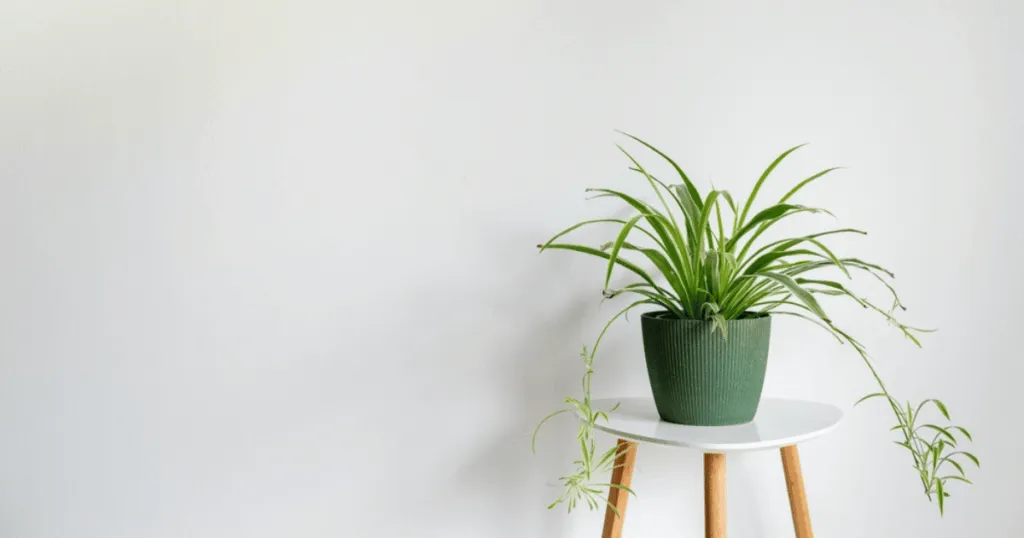
The Spider Plant is a classic, non-toxic choice that is remarkably easy to propagate. It produces “babies” on long stems, which can be removed and repotted to create new plants for other desks. It is highly adaptable to various light levels and is forgiving of occasional missed waterings. It is an excellent choice for offices where staff members might want to take a piece of the office greenery home.
Strategic Placement in Windowless Spaces
When you have no natural light, every bit of artificial light counts. Position your plants as close to overhead light fixtures as possible without placing them directly under hot bulbs. If you are placing a plant in a cubicle, try to keep it near the top of the partition where it can catch more ambient light from the room rather than tucking it under a dark desk surface.
Avoid placing plants directly in the path of HVAC vents. The constant stream of dry, moving air can dehydrate plants quickly, even those that are otherwise low-maintenance. If you notice a plant is struggling, try moving it just a few feet away from the vent or the darkest corner of the room to see if it responds to the slight change in conditions. In windowless offices, you may also consider rotating your plants every few weeks to ensure all sides receive equal exposure to the available artificial light.
Limitations and Trade-offs
It is important to manage expectations when growing plants without sunlight. While these plants will survive, they will not grow with the same vigor as they would in a greenhouse. You may notice that variegated leaves lose some of their color or that the plant grows very slowly. This is normal and not necessarily a sign of poor health. In fact, slow growth is often a benefit in an office, as it reduces the need for frequent repotting. If you find that your plants are consistently dying, the issue is rarely the lack of light alone.
More often, it is a combination of overwatering and poor drainage. Because low-light plants use less water, the soil stays wet for longer, which can lead to root rot. Always ensure your pots have drainage holes, and never let a plant sit in a saucer of standing water. If you are not confident in your watering schedule, consider using a moisture meter to take the guesswork out of the process.
Plant Care in Office Settings
Maintaining office plants is a straightforward process when you prioritize consistency over intensity. Most of the plants listed here prefer to dry out between waterings. A good rule of thumb is to check the soil moisture with your finger or a wooden dowel before adding water. If the top two inches of soil are still damp, wait a few more days. Remember that office environments often have lower humidity than homes, so while the soil might dry out, the leaves may still benefit from being kept away from direct heat sources.
Dusting the leaves is another often-overlooked task. In an office environment, dust can accumulate on leaf surfaces, blocking the limited light that is available. Gently wiping the leaves with a damp cloth every few weeks will help the plant photosynthesize more effectively and keep it looking clean and professional. This also provides an opportunity to inspect the plant for common pests like spider mites, which can thrive in dry, stagnant office air.
Selecting Plants for Specific Office Zones
Different areas of an office have different environmental profiles. A reception desk might have more ambient light than a back-office cubicle, while a conference room might be completely dark for long stretches of the week. For reception areas, consider the ZZ Plant or Chinese Evergreen, as they offer a high-end, polished look that impresses visitors. For individual desks, smaller, compact plants like Peperomia or a small Pothos are ideal because they don’t crowd your workspace.
If you are managing a large, open-plan office, consider using larger floor-standing plants like the Parlor Palm or a tall Dracaena to create natural partitions. These plants can help soften the harsh lines of cubicle walls and improve the overall aesthetic of the space. Always ensure that the chosen plants are stable in their pots, especially in high-traffic areas where they might be bumped by passing staff.
FAQ
Can plants really survive in an office with no windows?
Yes, many plants like the Snake Plant and ZZ Plant are adapted to low-light conditions and can thrive under standard office fluorescent or LED lighting, provided they are not overwatered.
How often should I water my office plants?
There is no set schedule because water needs vary by plant and office humidity. Always check the soil moisture first; if the top two inches are dry, it is likely time to water.
Why are the leaves on my office plant turning brown?
Brown tips are often caused by dry air from HVAC systems or inconsistent watering. Ensure the plant is not sitting directly in the path of an air vent and check that the soil is not staying soggy.
Do I need to fertilize my plants in a low-light office?
Because low-light plants grow slowly, they require very little fertilizer. A light application of balanced liquid fertilizer once or twice during the spring and summer is usually sufficient.