Affiliate Disclosure: As an Amazon Associate, I earn from qualifying purchases.
Outfitting an interior teaching space with greenery changes the entire atmosphere, yet deep-interior rooms present a distinct botanical challenge. When fluorescent fixtures and LED tubes replace natural sunlight, standard container plants often stretch, fade, or drop leaves within weeks. Selecting resilient flora for a windowless room requires looking past traditional sun-loving varieties and focusing on specimens that evolved under dense forest canopies or tolerate low Photosynthetically Active Radiation levels. Educators and facility managers need options that handle weekend neglect, artificial illumination cycles, and dry indoor air without requiring constant micro-management.
We have curated this shortlist of the best plants for classroom without windows specifically for interior educational spaces based on light compensation points, physical durability against heavy student traffic, and tolerance for inconsistent watering schedules. Every recommendation below has been evaluated for its ability to persist under office-grade or classroom-grade artificial lighting while maintaining structural appeal in desk planters, high shelves, or hallway-facing reception zones.
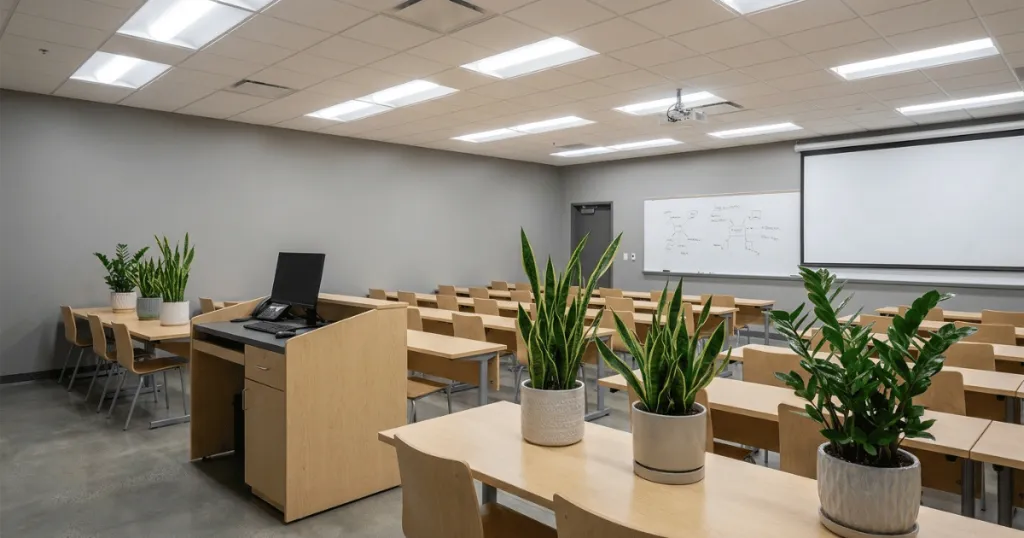
Selecting plants for an interior classroom requires prioritizing low-light tolerance and robust artificial light adaptation.
- Choose species surviving under fluorescent light.
- Prioritize low-maintenance, neglect-tolerant indoor flora.
- Avoid high-light varieties like succulents.
- Select non-toxic options for shared spaces.
Criteria for Windowless Classroom Plant Selection
Evaluating greenery for an interior room without exterior glass demands a strict set of physiological filters. Photosynthesis under artificial fixtures relies on narrower light spectrums and lower foot-candle measurements than direct window light. Plants must possess high chlorophyll efficiency to utilize the wavelengths emitted by ceiling tubes. Furthermore, school environments involve unique physical constraints, including bumping backpacks, weekend temperature setbacks when HVAC systems scale back, and long holiday breaks where nobody waters the containers.
Maintenance overhead remains another critical filtering metric for instructional spaces. Instructors do not have time for complex pruning rituals or delicate misting schedules. The species featured here survive occasional missed waterings, resist common pests that multiply in dry indoor air, and hold their form without constant structural intervention. We also prioritize structural safety, ensuring that toxicity levels and physical thorn hazards match the realities of shared public spaces.
When curating low light indoor plants for a windowless classroom or office suite, understanding the trade-off between growth rate and environmental stability is essential. Specimens that adapt well to artificial illumination typically grow slower because their overall energy conversion is constrained by the limited foot-candles of office lighting. Embracing this slower physiological rhythm ensures that containers do not rapidly outgrow their desk footprints or require frequent repotting by busy staff members.
Practical decision-making in windowless rooms also involves analyzing spatial layouts. Desks situated beneath downward-facing luminaire banks receive more usable lumens than corners shielded by tall filing cabinets or lockers. Facility managers should map out light distribution before placing containers, ensuring that even shade-tolerant specimens sit within reasonable proximity to ceiling illumination sources.
Top Resilient Selections for Windowless Interiors
Snake Plant
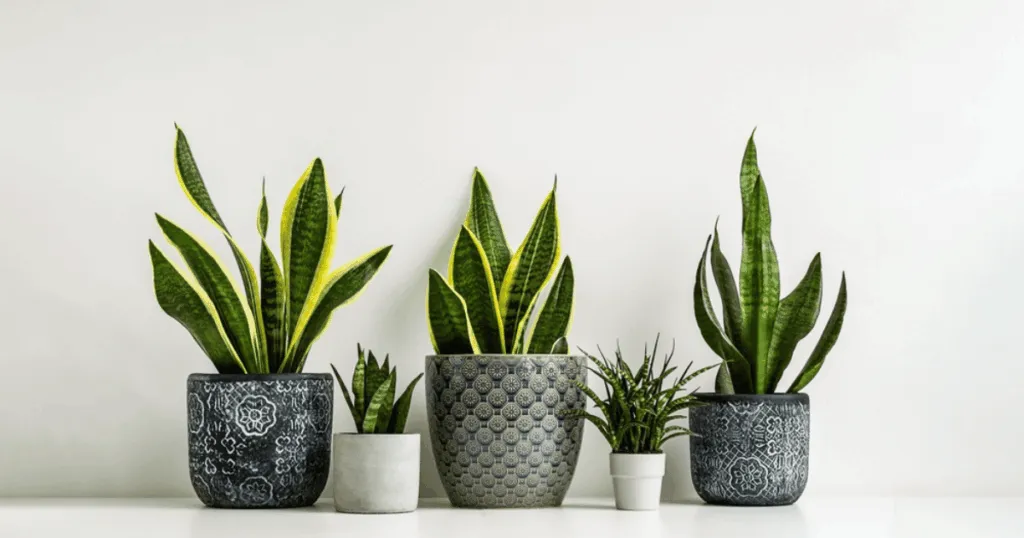
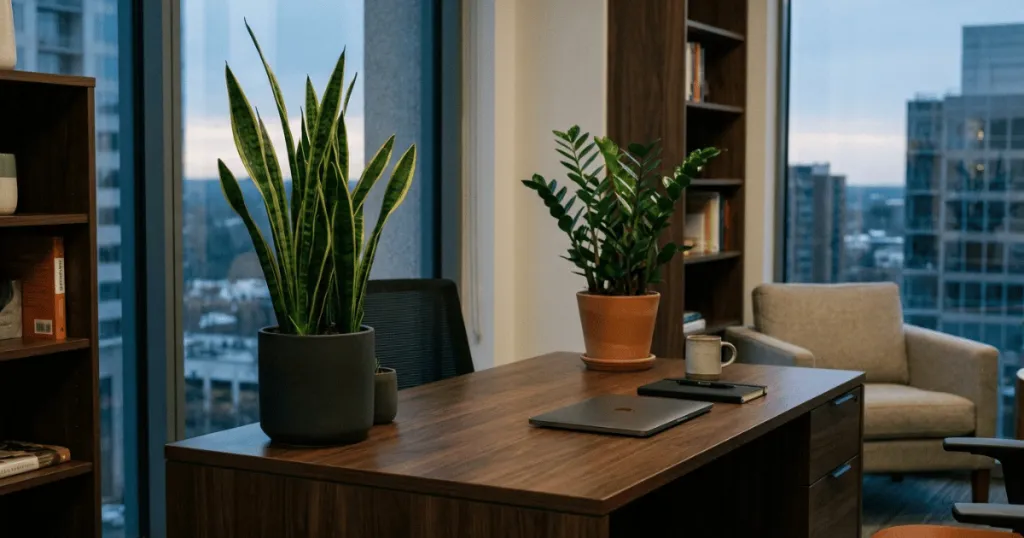
The Snake Plant stands out as an exceptional anchor for windowless rooms because its crassulacean acid metabolism allows it to adapt remarkably well to dim artificial lighting. Its upright, architectural leaves take up minimal floor space near desks or doorway corners. One important detail to remember is that overwatering poses the single greatest threat to its survival, making it an ideal choice for schedules where watering happens sporadically. As one of the most reliable office plants for windowless rooms, it handles dry HVAC air exceptionally well without developing crisp leaf tips or drooping stems.
In windowless classrooms, its stiff, sword-like foliage provides a striking vertical contrast to horizontal institutional furniture. Because its root system remains compact, it does not require oversized pots, reducing tipping risks in high-traffic hallways or busy study corners. When hydration is missed over a three-week winter break, the Snake Plant easily rebounds once regular maintenance resumes, demonstrating exceptional physiological resilience.
ZZ Plant
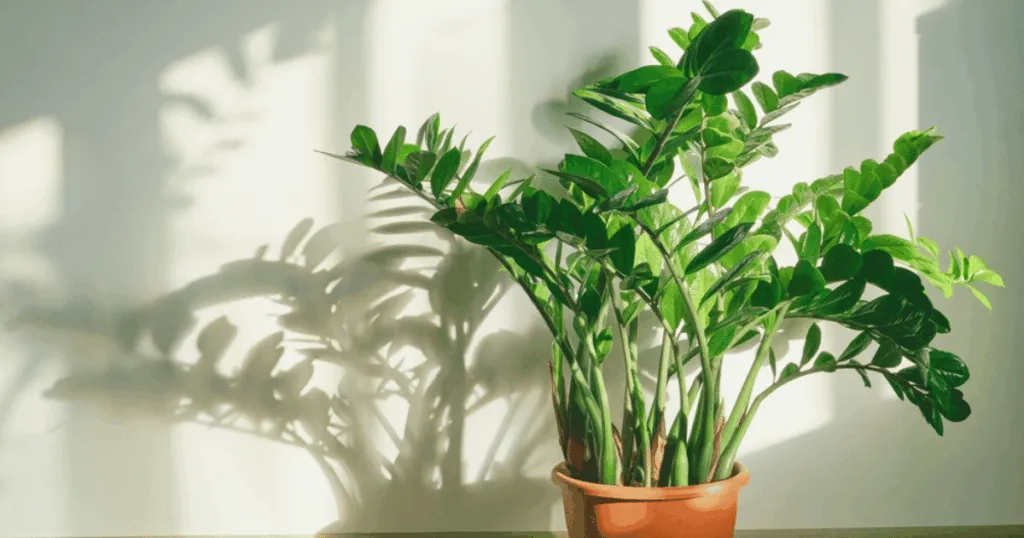
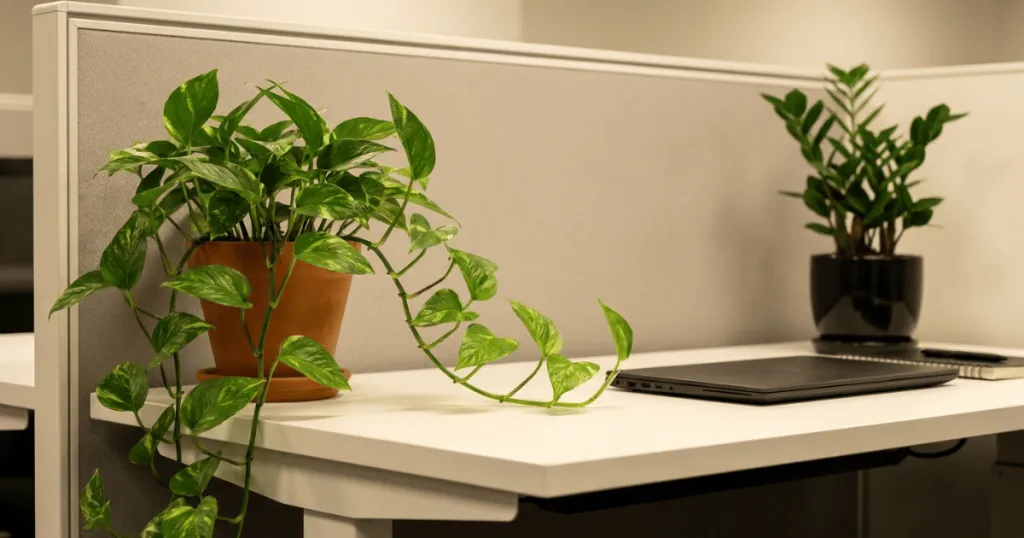
The ZZ Plant stores moisture in thick, potato-like rhizomes beneath the soil surface, allowing it to withstand extended periods of neglect during school breaks. Its glossy, dark green foliage reflects artificial light surprisingly well, giving a vibrant appearance even in rooms devoid of exterior views. In practice, this species performs best when potting soil dries completely between soakings under fluorescent lighting arrays. Its natural resilience makes it a cornerstone of durable indoor greenery selections in commercial and educational spaces alike.
Classrooms benefit from its dust-resistant, waxy leaves, which require only occasional wiping to maintain their lustrous sheen. Because it tolerates the dimmest corners of a room far from any ceiling fixture, it serves as a reliable filler for dark alcoves where other species would quickly drop their leaves. Care must be taken to avoid heavy saucers of standing water, as stagnant moisture quickly rots the underground rhizomes.
Chinese Evergreen
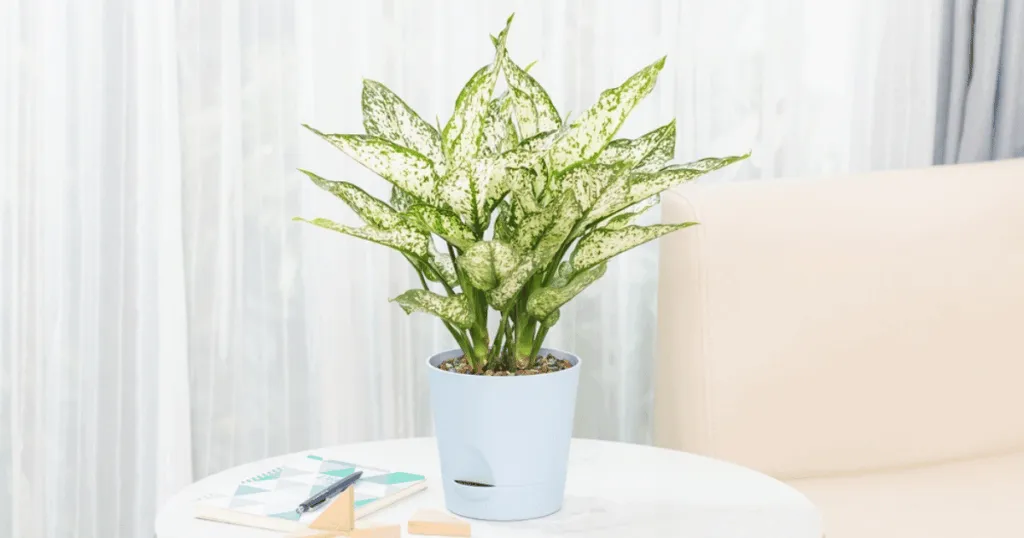
Chinese Evergreen varieties bring striking pattern variation and muted color to interior spaces that otherwise rely entirely on gray or beige tones. They handle low light levels gracefully while maintaining their variegated leaf markings better than many other patterned species. A common mistake involves placing them directly beneath cold air vents, which can cause leaf edge browning in climate-controlled environments. Their adaptability to fluorescent light plants categories ensures they maintain color contrast even when situated far from any doorway or ambient hallway light.
Unlike some strict green-leafed varieties, cultivars with silver or pale green splashes actually utilize ambient reflection effectively in window-free rooms. They prefer consistent, moderate soil moisture rather than the bone-dry conditions tolerated by succulents. This makes them ideal for teachers who maintain a steady, predictable weekly watering routine.
Cast Iron Plant
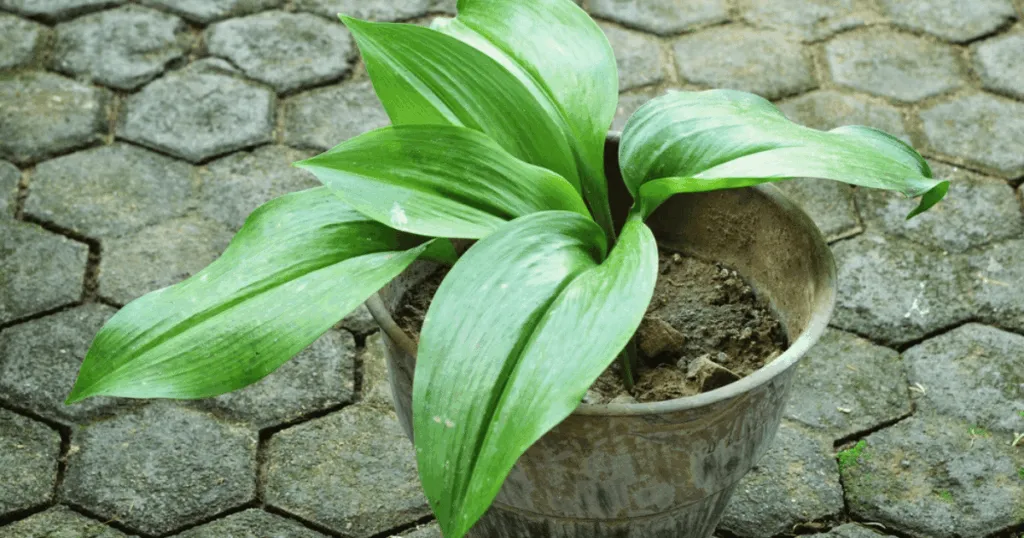
True to its descriptive common name, the Cast Iron Plant shrugs off deep shade, erratic watering habits, and fluctuating indoor temperatures. It features broad, dark green lance-shaped leaves that arch gracefully from the soil line. This option suits high-traffic zones where students might accidentally brush against foliage, as the tough cellular structure resists tearing and bruising. It represents the pinnacle of low maintenance office plants, requiring very little attention once established in an interior space.
Because it lacks showy flowers or fast vertical growth, its energy expenditure remains entirely focused on sustaining its dark green fronds under minimal foot-candle input. It represents a bulletproof selection for interior rooms where heating and cooling cycles create mechanical stress on less hardy botanical specimens.
Parlor Palm
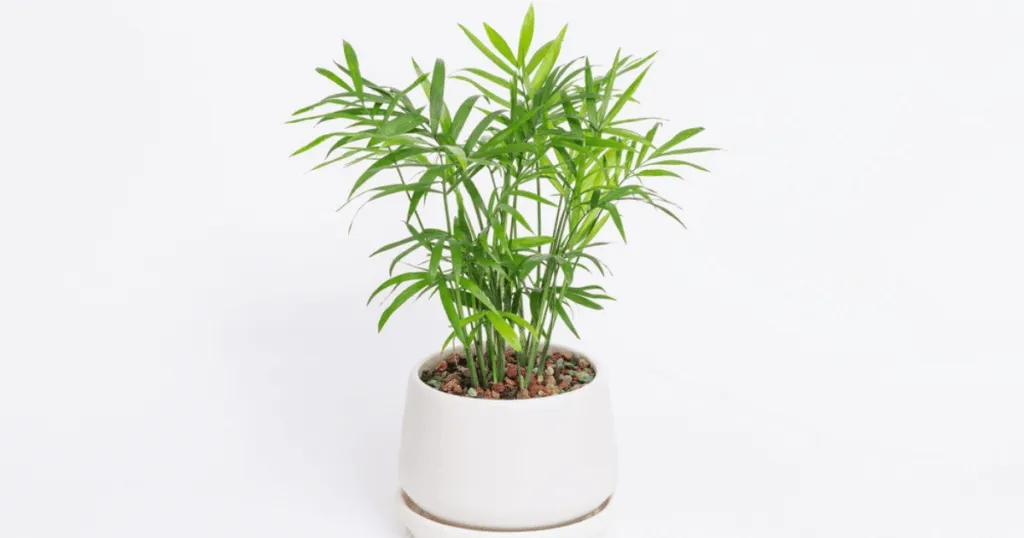
The Parlor Palm introduces a soft, feathery texture that softens the hard angles of institutional shelving and filing cabinets. Among indoor palms, this species proves uniquely tolerant of lower light conditions and stagnant indoor air currents. Facility managers often select it for shared spaces because it carries a non-toxic profile, eliminating safety worries if curious hands come into contact with it. Its fine fronds add a touch of natural elegance to interior classroom decor without demanding complex humidity management.
Maintaining a Parlor Palm in a windowless room involves keeping its soil lightly and evenly moist, avoiding both extreme drought and waterlogged root zones. While it grows slowly away from natural windows, its stable architectural form remains unchanged for years, providing reliable long-term greenery without demanding aggressive pruning or repotting cycles.
Spider Plant
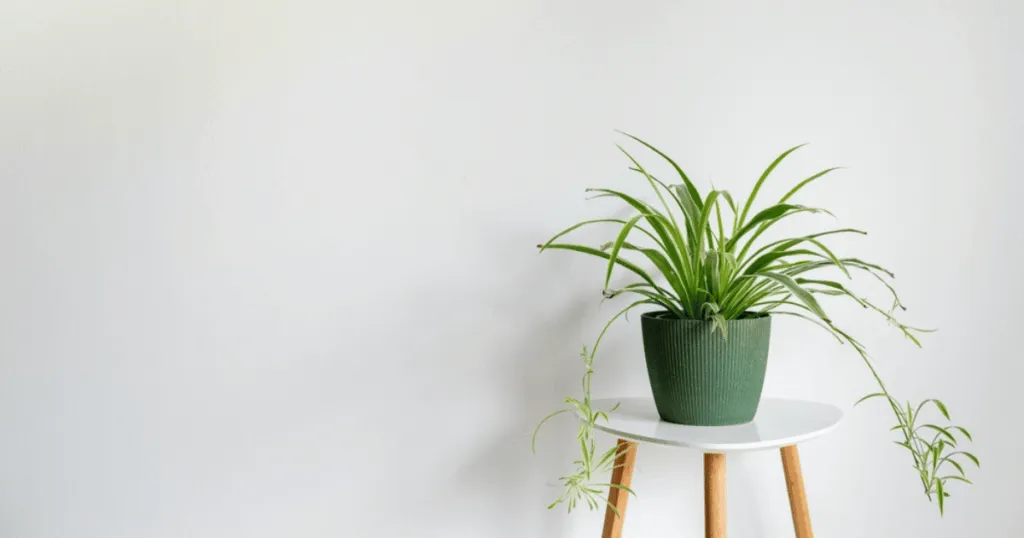
Spider Plants adapt readily to fluorescent illumination while producing cheerful arching foliage runners that lend a dynamic element to high wall mounts. They tolerate lower light levels without losing their structural integrity, though growth rate slows down significantly compared to specimens kept near windows. A practical note on maintenance is that fluoride sensitivity in tap water can cause brown tips, making filtered water a worthwhile consideration if appearance is a priority. Their proven shade tolerant foliage makes them a favorite for multi-level shelving units in windowless environments.
In addition to their aesthetic flexibility, Spider Plants are non-toxic, making them safe for any shared institutional space. When suspended securely from classroom ceilings or sturdy wall brackets, they draw the eye upward, breaking up the visual monotony of blank drywall and drop ceilings.
Heartleaf Philodendron
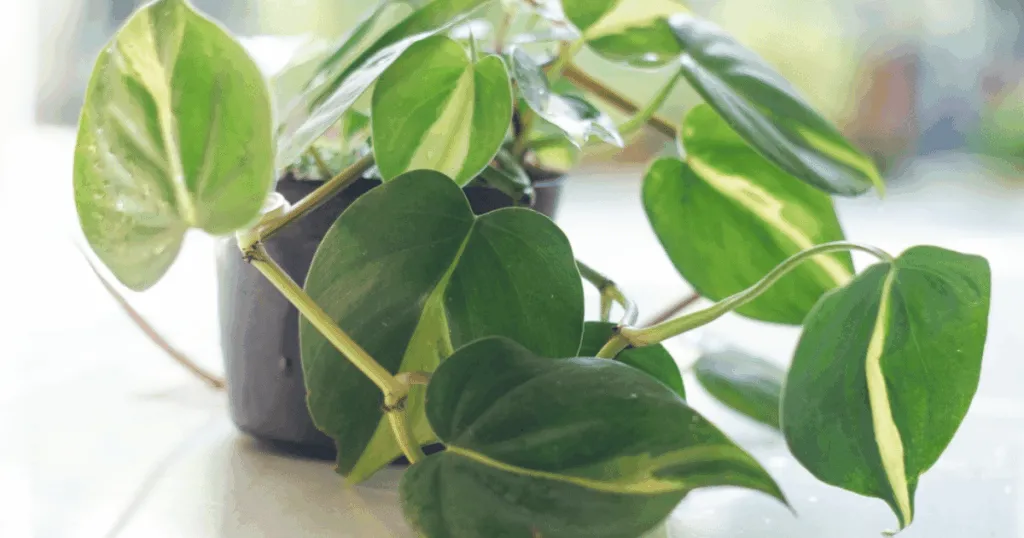
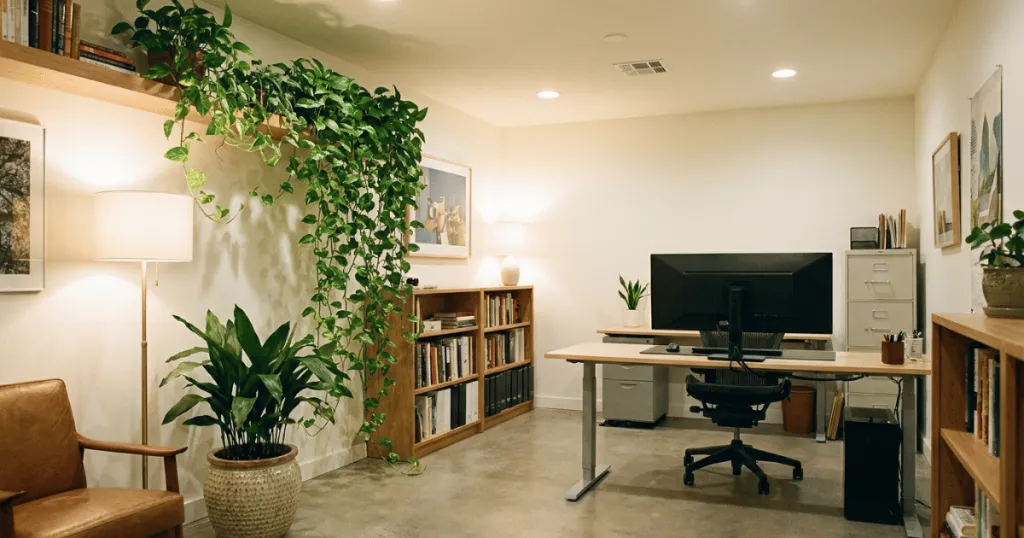
Heartleaf Philodendrons trail beautifully from bookshelves or filing cabinets, adding a cascading green element to vertical wall space. They expand steadily under moderate artificial lighting without demanding frequent fertilizer applications or complex pruning routines. From a practical standpoint, pinching back trailing stems occasionally encourages bushier growth near the crown rather than letting vines become leggy. Their lush heart-shaped leaves provide an instant psychological softening effect in sterile, windowless rooms.
Their adaptability makes them forgiving of minor watering inconsistencies. If allowed to dry out slightly between waterings, they recover quickly once rehydrated. However, keeping them completely neglected for months will cause lower leaf yellowing, signaling that supplemental hydration is overdue.
Environmental and Placement Considerations
Positioning greenery inside a windowless room requires careful attention to existing architectural features and lighting schedules. Because natural daylight is absent, fixtures overhead dictate how well photosynthesis proceeds. Positioning containers directly under or adjacent to ceiling light banks maximizes the available lumens. When lights remain switched off over weekends or extended school breaks, metabolic activity slows down dramatically, which directly alters hydration requirements.
Humidity and airflow represent additional variables inside sealed educational facilities. Centralized HVAC systems strip moisture from the air, creating a dry microclimate that stresses delicate foliage. Grouping multiple specimens together creates a small localized humidity buffer through shared transpiration. Furthermore, keeping foliage away from direct drafts prevents sudden temperature drops that trigger leaf drop in sensitive tropical species. Maintaining proper soil moisture retention becomes easier when you account for these indoor atmospheric factors.
Another operational factor is the building’s operating schedule. In many educational facilities, lights are put on automated timers that shut down entirely during evenings and weekends. This means plants experience total darkness for 48 to 72 consecutive hours each week. While shade-adapted species handle this cyclic darkness easily, sensitive varieties will suffer from extended light deprivation. Ensuring that your selected plants align with these building hours prevents premature leaf drop and yellowing.
Limitations and When to Choose Alternative Solutions
No botanical specimen can survive in absolute darkness. If an interior space lacks functional overhead lighting for long stretches of the day, living plants will eventually decline regardless of species resilience. In rooms where lights remain off for days at a time, artificial LED grow light bulbs screwed into standard desk lamps can supplement the missing spectrum. Without supplemental illumination, even the toughest shade-loving flora will eventually exhaust their stored energy reserves.
Another important trade-off involves growth rate and appearance. Species grown under purely artificial light generally exhibit slower expansion rates and less intense variegation than those receiving natural solar radiation. Educators should adjust their aesthetic expectations accordingly, viewing these living additions as architectural accents rather than fast-growing showpieces. When lighting constraints are severe, supplementing with high-quality artificial botanical displays or choosing specialized low-light species remains the most practical path forward.
It is also vital to recognize the limitations of biological air filtration in windowless rooms. While indoor plants contribute to psychological well-being, tactile engagement, and spatial aesthetics, they do not replace commercial HVAC ventilation systems or active air filtration units for removing indoor pollutants. Framing plants around their aesthetic, cognitive, and emotional benefits ensures realistic expectations for any interior greening initiative.
Ultimately, transforming an interior educational environment with greenery is entirely achievable when you match plant physiology to the realities of artificial illumination and irregular maintenance schedules. By selecting tough, shade-tolerant species and paying attention to basic watering discipline, you can maintain a vibrant indoor atmosphere all year long.
FAQ
Can indoor plants survive purely on fluorescent or LED school lighting?
Yes, shade-tolerant species can survive and maintain foliage using artificial office lighting, provided the fixtures remain turned on for normal daily intervals.
How often should plants in a windowless room be watered?
Watering frequency drops significantly in windowless rooms due to lower evaporation rates and reduced photosynthetic activity, so always check soil dryness several inches down before adding moisture.
What causes leaf tips to turn brown in windowless indoor environments?
Dry air from centralized HVAC systems and sensitivity to minerals in tap water are the primary drivers of brown leaf tips in indoor settings.
Do I need to install special grow lights for a classroom without windows?
Standard fluorescent tubes or LED classroom lighting usually suffices for ultra-low-light species, though adding dedicated LED grow bulbs can help if ambient light levels are exceptionally dim.