Affiliate Disclosure: As an Amazon Associate, I earn from qualifying purchases.
Desks situated deep within corporate floorplates, internal core rooms, and windowless cubicle clusters present a unique challenge for office managers and workers introducing living greenery. Without natural sunlight, these spaces rely entirely on overhead fluorescent or LED fixtures, necessitating carefully chosen plants capable of photosynthetic survival under artificial spectra. Finding the best plants for office desk with no windows requires evaluating physiological traits like low light compensation points and structural resilience against HVAC drafts.
Choosing office flora for a zero-window workspace means managing specific environmental trade-offs, particularly stagnant air circulation and steady indoor HVAC cycles. Without windows to vent heat or let in fresh air, humidity drops and temperature fluctuations can stress delicate foliage. Fortunately, several specialized indoor species handle these exact artificial microclimates with minimal fuss, transforming a drab cubicle into a vibrant, living workspace.
Key Takeaway
Windowless office desks require low-light species that tolerate artificial lighting and minimal air movement.
- Select shade-tolerant genera like ZZ plant or cast iron plant.
- Avoid sun-loving succulents that stretch and fade in darkness.
- Rely on LED overhead bulbs for baseline photosynthetic energy.
- Prevent root rot by reducing watering frequency during slow growth phases.
Criteria for Windowless Office Desk Survival
Evaluating plants for windowless workstations demands a strict set of physiological benchmarks. Natural sunlight provides a broad spectrum of energy that drives rapid growth and heavy transpiration. Artificial office lighting, by contrast, delivers significantly lower lumens and narrower wavelengths. A successful desk plant must possess low light compensation points, meaning it can maintain cellular processes and basic maintenance metabolism without burning through excessive stored energy.
Beyond light scarcity, office environments present distinct atmospheric challenges. Most indoor office spaces maintain rigid heating, ventilation, and air conditioning schedules that strip moisture from the air and create constant air currents from ceiling vents. Plants with thin, delicate leaves often crisp up at the edges under these conditions. Sturdier cuticle layers, thick water-storing rhizomes, or compact structural habits allow certain species to weather dry indoor air and infrequent watering routines without dropping foliage or inviting pests.
When implementing interior office greenery in windowless zones, understanding the intersection of photoperiod duration and light intensity is vital. Overhead commercial lighting is typically activated for 10 to 12 hours daily, giving plants a consistent routine, yet the lack of natural dawn-to-dusk progression means plants must maximize every minute of artificial illumination. Shade-tolerant desk species have evolved under dense forest canopies where direct sun is rare, making them ideally adapted to the filtered, low-intensity glow of commercial office environments.
Curated Selections for Windowless Desks
ZZ Plant
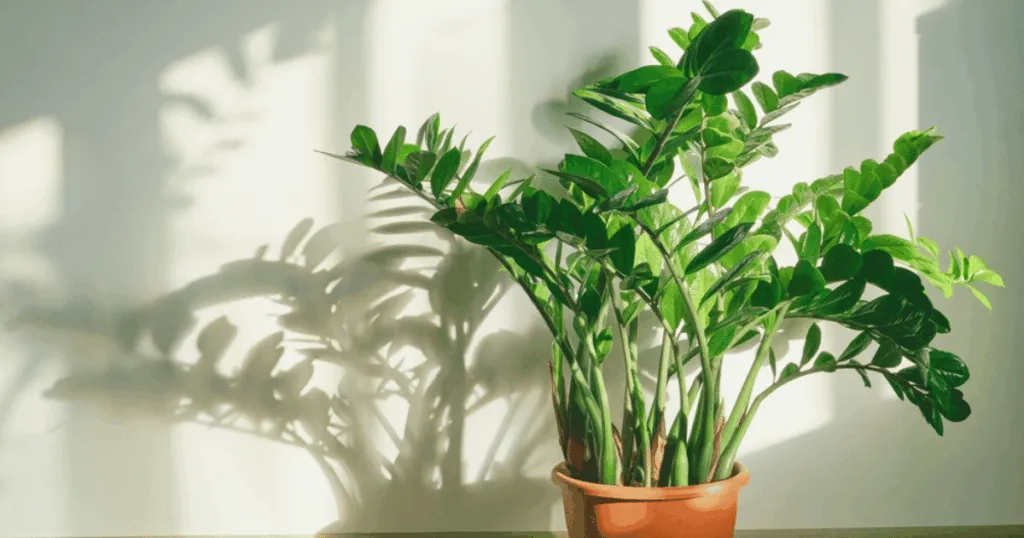
The ZZ plant stands out as a premier choice for windowless desks because of its thick, potato-like rhizomes that store water through long stretches of neglect. This species handles fluorescent office lighting exceptionally well, maintaining its glossy, dark green leaves even when natural light is entirely absent. One important caution involves its slow growth rate, which means it rarely requires pruning but also will not rapidly fill a large empty corner. Overwatering remains the primary threat in office settings, as excess moisture in sealed desk pots quickly leads to root rot.
In practice, office workers often over-attend to desk plants by watering them on a weekly schedule regardless of soil moisture. With a ZZ plant, letting the soil dry out completely between waterings is non-negotiable. Its thick rhizomes act as internal reservoirs, meaning the plant can easily survive unwatered through long holiday closures or extended weekends when the office is locked. This drought tolerance makes it a favorite among busy teams who cannot commit to rigorous plant maintenance schedules.
Snake Plant
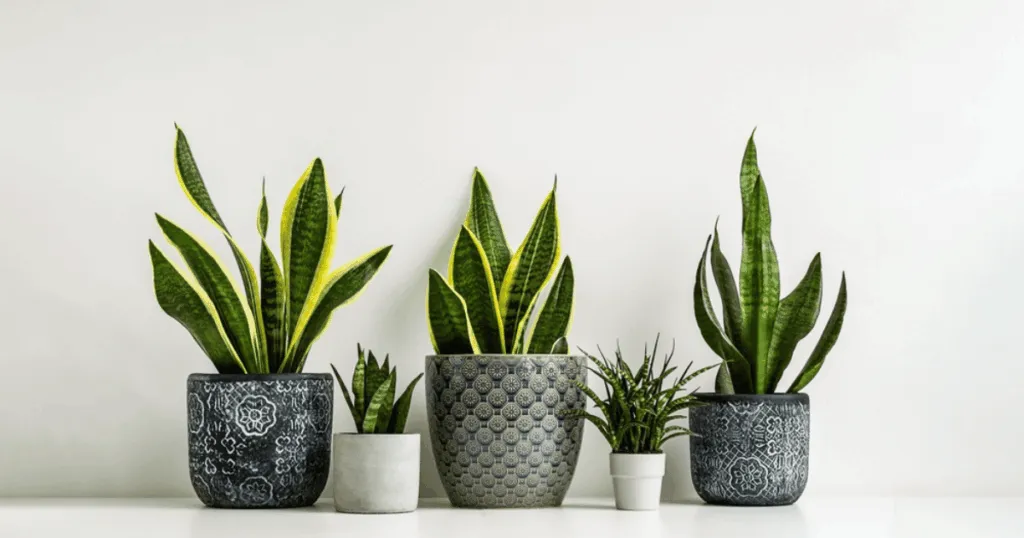
Snake plants feature upright, architectural leaves that command attention while demanding almost nothing from the caretaker. Their stiff, sword-like foliage adapts seamlessly to dim office corners and artificial fixtures. In terms of maintenance, this option forgives irregular watering schedules better than almost any other indoor species. A practical note to keep in mind is that soil should dry out completely between waterings, and the plant must never sit in a saucer of standing water underneath a desk.
For narrow desk returns or shared collaborative hubs where space is restricted, the vertical orientation of the snake plant is a major advantage. It grows upward rather than outward, preventing it from interfering with keyboards, monitors, or paperwork. While it appreciates bright indirect light, it persists stubbornly in windowless core offices, maintaining its structural integrity where softer-leaved plants would quickly wither under dry HVAC currents.
Cast Iron Plant
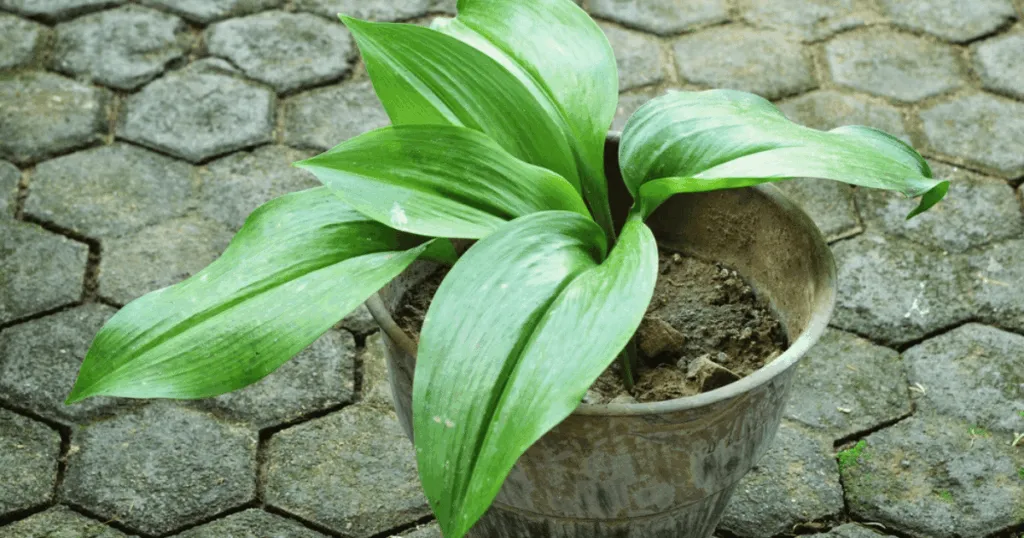
True to its common name, the cast iron plant earns its reputation through sheer resilience against dark rooms and dry indoor air. It produces deep green, lance-shaped leaves that arch gracefully from the soil line, offering a softer look than rigid succulents. This species tolerates deep shade far better than most foliage plants, making it a reliable staple for interior offices lacking exterior views. Office managers frequently place these plants in central reception pods where natural light fails to reach.
Managing a cast iron plant in a windowless room involves keeping its root zone well-drained and wiping dust from its broad leaves periodically. Because interior offices accumulate airborne dust from carpeting and HVAC ductwork, dust buildup on leaves can obstruct light absorption. Regular maintenance ensures that every available photon from overhead fixtures is captured efficiently by the foliage.
Pothos
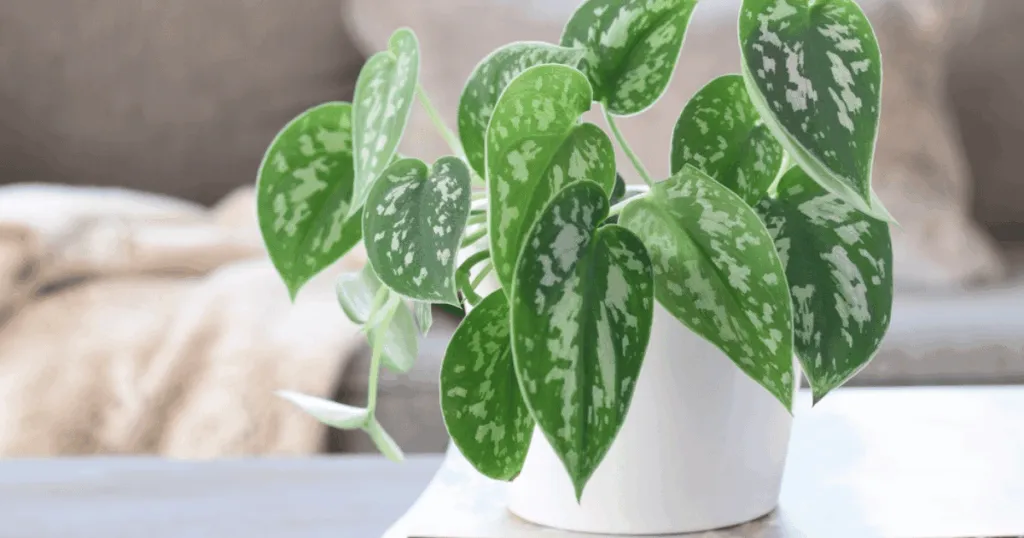
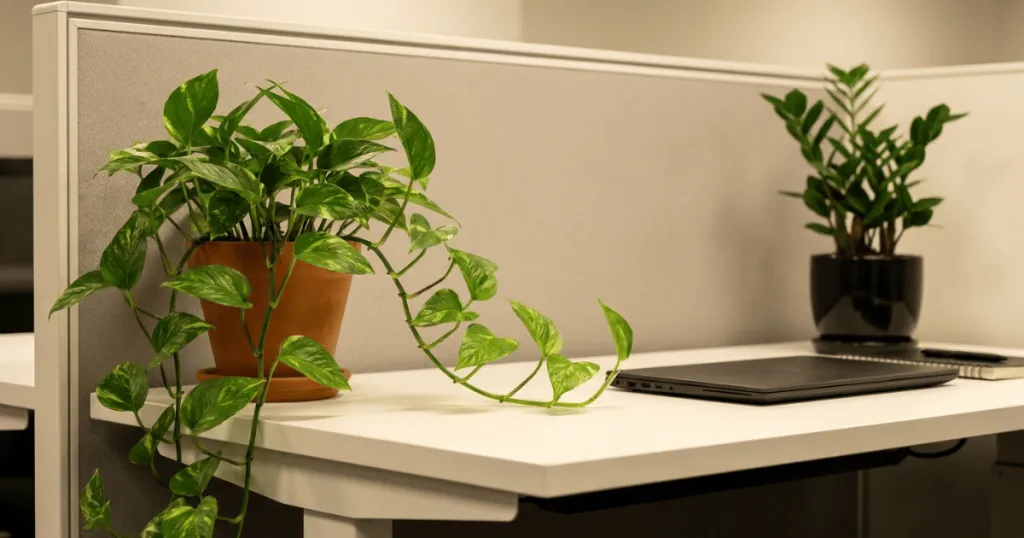
Pothos vines trail attractively over desk edges or file cabinets while showing high tolerance for artificial indoor illumination. Variegated cultivars might lose some of their brighter leaf patterns under very dim conditions, but solid green varieties maintain their rich color easily. A common mistake with office pothos plants is leaving them too close to direct blowing air vents, which can cause leaf tips to brown. Pruning trailing stems occasionally encourages bushier growth closer to the base.
When selecting a trailing vine for a windowless workspace, pothos offers rapid adaptability. It adjusts smoothly to lower lumen levels without immediate leaf drop, though its growth will slow down noticeably compared to specimens kept near windows. If vines become overly leggy due to extreme darkness, trimming the stems back to a node stimulates new shoots and keeps the plant looking dense and compact on top of a desk hutch or bookshelf.
Chinese Evergreen
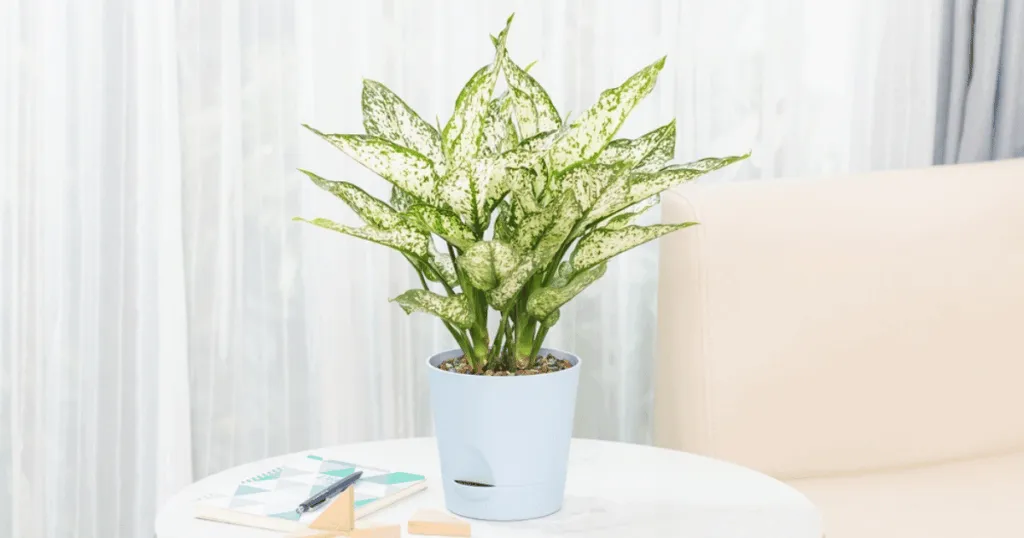
Chinese evergreen varieties bring subtle color variations to dark desks without demanding bright sun to keep their patterns intact. Their patterned foliage ranges from silver-green to deep emerald, brightening dull office cubicles effectively. These plants appreciate evenly moist soil during active growth periods, though they tolerate drying out slightly better than delicate ferns. They fit neatly into compact desk footprints, making them ideal for narrow keyboard returns and shared workstations.
Because these plants have broader leaf surfaces, they are sensitive to dry drafts blowing directly from ceiling vents. Positioning them slightly away from direct airflow channels prevents leaf curling and tip necrosis. Their colorful variegation provides a psychological boost in windowless interior spaces, introducing vibrant color tones that break up the monotony of neutral gray cubicle walls and commercial carpeting.
Parlor Palm
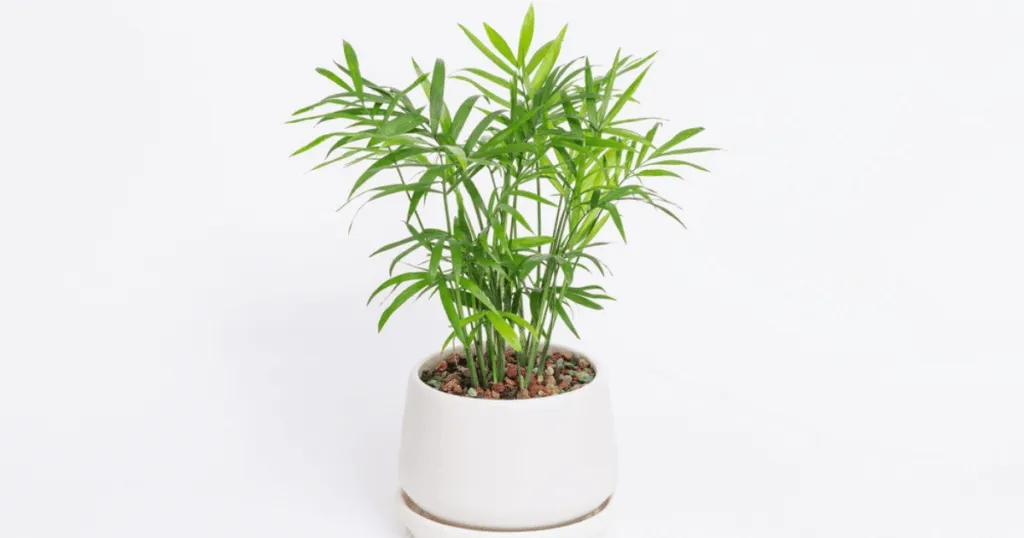
Parlor palms introduce a fine-textured, tropical aesthetic to interior offices without requiring the intense sunlight that many other palms demand. They grow slowly in low-light environments, keeping their compact size for years inside a standard desk container. One trade-off in dry windowless rooms is their sensitivity to spider mites if the surrounding air becomes too stagnant. Regular gentle wiping of the fronds helps keep dust at bay and maintains plant health.
Unlike high-light palms that scorch easily or drop fronds under artificial lamps, the parlor palm adapts comfortably to shaded corners and office cubicles. Care must be taken to balance watering: while it prefers lightly moist soil, letting it sit in a soggy, poorly drained pot will rapidly invite root decay. Ensuring the container has adequate drainage holes is essential for long-term desk survival.
Dracaena
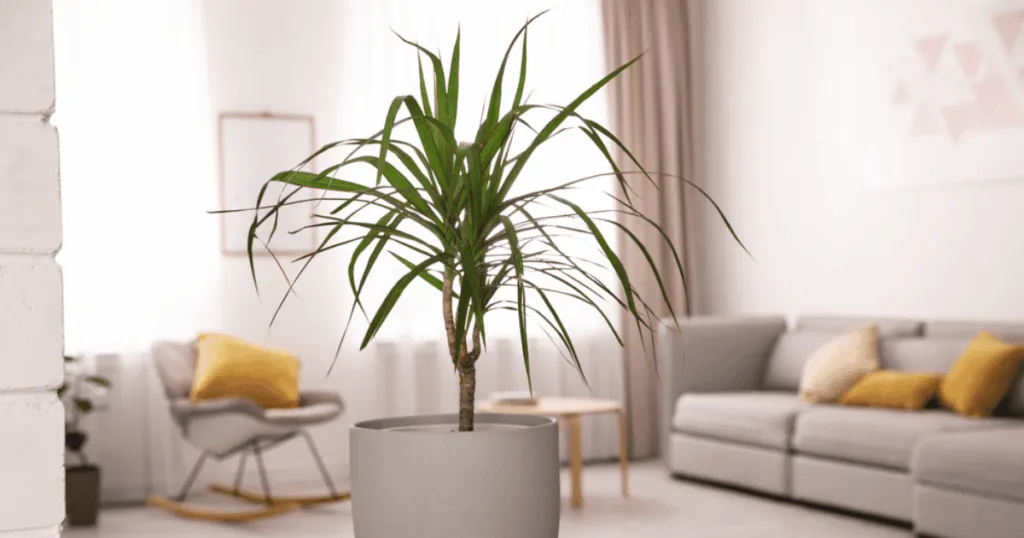
Dracaena species offer upright growth forms that fit neatly beside a desk pedestal or in a narrow corner without blocking walking paths. Their strappy leaves tolerate standard fluorescent office lighting reliably. Water quality matters significantly for these plants, as they can develop brown leaf tips if exposed to high levels of fluoride or salts found in some tap water supplies. Letting tap water sit out overnight before watering helps mitigate this issue.
In windowless corporate environments where tap water is the only accessible source, dracaenas manage adequately provided the soil does not become compacted or waterlogged. Their rigid, sword-like leaves add a clean architectural element to executive desks and administrative workstations alike, requiring minimal physical intervention beyond occasional pruning of lower leaves as they naturally age and yellow.
Peace Lily
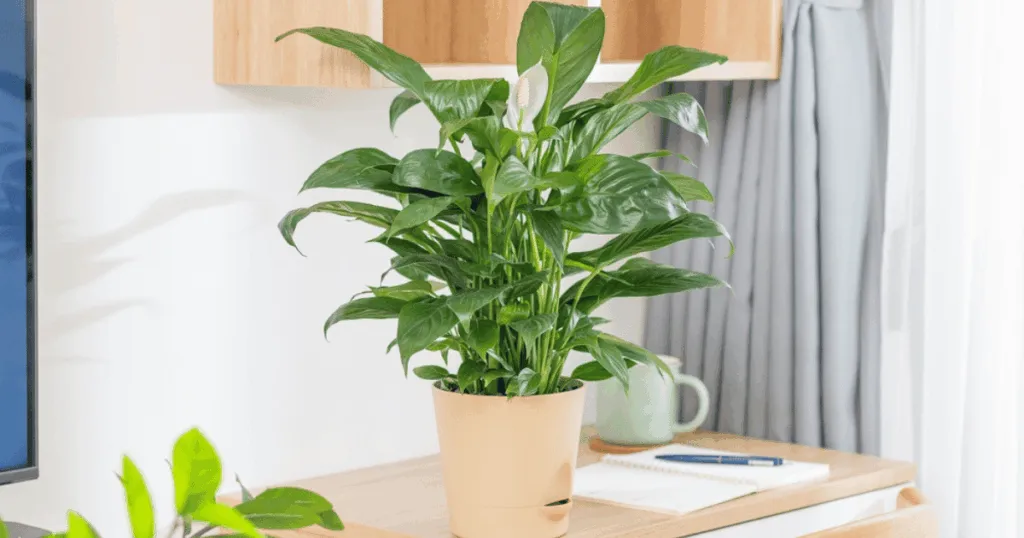
Peace lilies provide broad, glossy leaves and distinctive white spathe flowers that soften hard-edged office furniture. While they tolerate low light levels well, flowering may decrease significantly when natural sunlight is completely absent. They act as reliable natural indicators for watering needs, drooping dramatically when dry and bouncing back quickly after a thorough soak. Care must be taken not to let them dry out too frequently, as chronic underwatering stunts their overall vigor.
Placing a peace lily on a windowless desk requires attentive moisture management. Because office air is typically dry, the soil surface can dry out faster than expected even when the ambient light is low. Monitoring the weight of the pot and watching for the characteristic drooping cue prevents severe stress and keeps the foliage lush and glossy throughout the workweek.
Placement and Environmental Optimization
Maximizing plant health in a windowless workspace requires deliberate placement strategies. Positioning a desk plant directly underneath an overhead LED or fluorescent fixture captures maximum available photons. If the ceiling lights are turned off during weekends, ensure the fixtures stay on for extended periods during workdays to compensate. Keeping plants away from direct blasts of air conditioning vents prevents rapid moisture loss from delicate leaf tissues.
Lighting duration matters just as much as intensity. In offices where overhead lights run on automated timers for ten to twelve hours daily, plants receive a steady photoperiod that supports basic metabolic functions. For desks situated in deep shadows where even ambient office light is dim, supplementing with a small, full-spectrum LED desk lamp can bridge the gap between survival and active growth.
Air circulation in windowless rooms often relies entirely on mechanical HVAC loops rather than open windows. While gentle air movement prevents stale pockets, intense, continuous drafts from overhead diffusers can dehydrate leaves faster than roots can absorb moisture. Office workers should evaluate the airflow pattern around their desk before placing sensitive plants, adjusting desk layouts or utilizing small decorative barriers if necessary to shield the foliage.
Limitations, Trade-Offs, and Alternative Approaches
Selecting low-light desk plants involves realistic compromises. You will not see rapid, explosive growth, and flowering species will likely produce fewer blooms compared to specimens placed near south-facing windows. Variegated foliage often reverts to solid green when light levels drop below critical thresholds. Understanding these trade-offs prevents frustration and guides proper care expectations.
If your workspace is exceptionally dark, or if you prefer vibrant flowering displays and fast-growing vines, relying solely on unassisted indoor conditions may lead to disappointing results. Rotating plants periodically between a windowless desk and a brighter breakroom or perimeter office allows them to recover stored energy. Alternatively, installing dedicated horticultural LED bulbs in existing desk lamps transforms a challenging windowless zone into a viable growing space.
Another important trade-off involves watering dynamics in windowless environments. Because lower light levels reduce the rate of photosynthesis and transpiration, plants consume water much more slowly than they would in a sunlit greenhouse or sunny windowsill. Applying water on the same schedule used for outdoor container gardens will inevitably lead to saturated soil, oxygen deprivation in the root zone, and root rot. Cultivating a habit of checking soil moisture several inches down before adding water is the single most effective way to sustain desk plants in windowless interiors.
FAQ
Can office plants survive entirely on fluorescent lighting without any windows?
Yes, many shade-adapted species thrive under standard fluorescent or LED office lighting because their natural habitats include dark forest floors beneath dense canopies.
How often should I water a plant on a windowless office desk?
Watering frequency depends heavily on ambient humidity and container size, but low-light plants generally need water less often because slower metabolism reduces moisture consumption.
Why are the leaf tips of my office desk plant turning brown?
Brown tips typically result from dry HVAC air currents, inconsistent watering habits, or mineral accumulation from tap water rather than low light alone.
Do I need to fertilize plants kept in a windowless office?
Fertilization should be kept minimal because slow growth in low light means plants process nutrients slowly, and excess fertilizer can burn roots.