Maintaining a healthy office plant collection requires more than just regular watering and adequate light. One of the most overlooked aspects of plant care is the hygiene of your equipment. When you trim a leaf or remove a dead stem, your shears can inadvertently pick up bacteria, fungi, or viruses from one plant and transmit them to the next. Learning how to sanitize pruning tools between plants is a fundamental skill that prevents the rapid spread of pathogens across your workspace, potentially saving your entire collection from a localized outbreak.
In an office environment, plants often exist in close proximity, sharing the same air circulation and, occasionally, the same maintenance schedule. Because office plants are already dealing with stressors like artificial lighting and fluctuating humidity, they are often more susceptible to infections once a pathogen is introduced. By adopting a strict protocol for cleaning your tools, you create a necessary barrier that keeps your indoor garden resilient and thriving.
The Short Version
To sanitize pruning tools between plants, wipe the blades thoroughly with a 70 percent isopropyl alcohol solution or a diluted bleach mixture. Allow the solution to sit on the metal surface for at least one minute before wiping dry to ensure all pathogens are effectively neutralized.
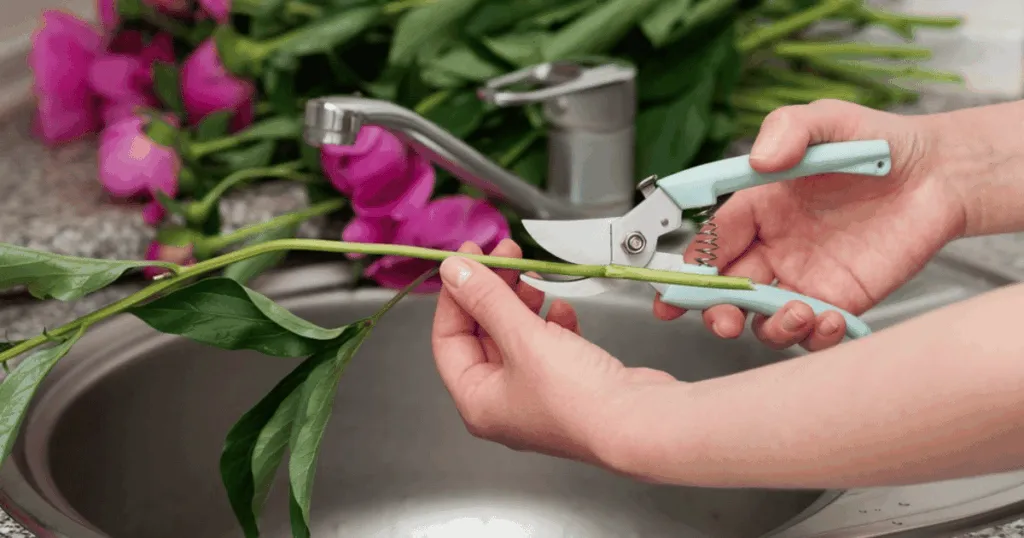
Before You Start
Preparation is the most critical factor in successful tool maintenance. Before you even touch a plant, you need to assess your workspace and gather the correct supplies. A common mistake is attempting to clean tools at a desk or in a common area without proper containment. This can lead to chemical spills on office furniture or carpets. Always designate a specific, stable area for cleaning, such as a breakroom sink or a utility closet, where you can manage liquids safely.
You must also evaluate the condition of your tools. If your shears have significant sap buildup, dirt, or rust, simple sanitization will not be enough. Pathogens can hide underneath layers of dried plant resin, shielding them from the disinfectant. If your blades are dirty, you must first clean them with soap and warm water to remove physical debris. Sanitization is a two-step process: cleaning to remove dirt and disinfecting to kill germs. Skipping the cleaning step renders the disinfectant significantly less effective.
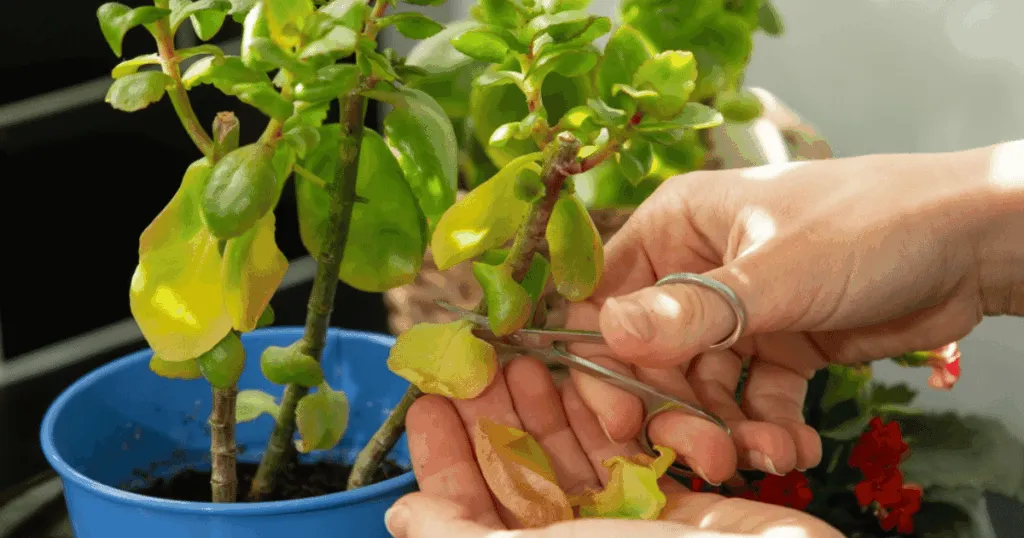
Finally, consider the timing of your pruning. If you are dealing with a plant that shows signs of obvious distress, such as yellowing leaves with dark spots or fuzzy mold growth, you should always prune that plant last. By addressing the healthiest plants first and moving toward the most compromised ones, you minimize the risk of spreading an existing infection. If you must prune a sick plant, sanitize your tools immediately afterward before touching any other foliage.
Essential Tools and Materials
You do not need industrial-grade equipment to maintain a sterile environment. For most office settings, a few basic, readily available items are sufficient. The most effective disinfectant for pruning shears is 70 percent isopropyl alcohol. It is fast-acting, evaporates quickly, and does not leave a residue that could harm the next plant you touch. Avoid using higher concentrations of alcohol, such as 90 percent or above, because they evaporate too quickly to effectively kill bacteria and fungi.
A secondary option is a household bleach solution, mixed at a ratio of one part bleach to nine parts water. While highly effective, bleach is corrosive to metal blades and can damage your tools if left on for too long. If you choose this method, you must rinse the blades with clean water and dry them thoroughly immediately after the contact time. For most office managers, isopropyl alcohol is the preferred choice because it is less damaging to equipment and safer to store in an office cabinet.
Keep a small spray bottle or a container of pre-moistened alcohol wipes at your workstation. Having these items within reach ensures that you do not skip the sanitization step out of convenience. If you are using a spray bottle, keep a clean microfiber cloth nearby to wipe down the blades. Ensure your cloth is laundered regularly, as a dirty cloth can also harbor pathogens and defeat the purpose of your sanitization routine.
Step-by-Step Sanitization Process
Follow these steps every time you move from one plant to another to ensure your office collection remains healthy and free from cross-contamination.
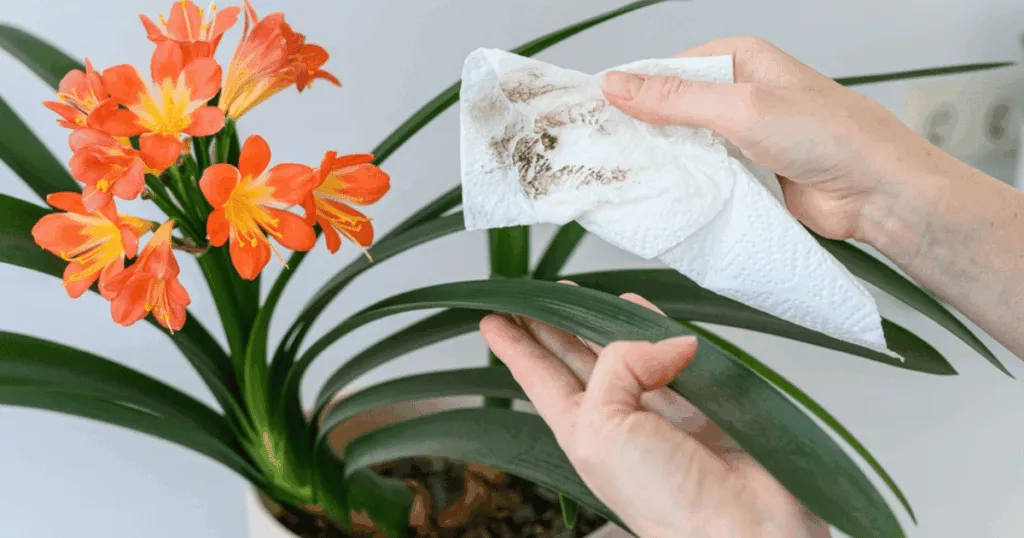
- Remove Physical Debris: If your pruning shears have visible sap or plant tissue stuck to the blades, wipe them clean with a damp cloth. If the buildup is stubborn, use a mild dish soap and a soft brush to scrub the blades. Dry the blades completely before proceeding to the next step.
- Apply the Disinfectant: Spray the blades generously with 70 percent isopropyl alcohol, or dip the blades into a container filled with the solution. Ensure that both sides of the blades are thoroughly coated. If you are using a bleach solution, ensure the blades are completely submerged or saturated.
- Allow Contact Time: This is the step most people skip. You must let the disinfectant sit on the blades for at least 60 seconds. This duration is necessary for the chemicals to penetrate and neutralize bacterial and fungal spores. Do not wipe the blades dry immediately after application.
- Wipe and Dry: After the contact time has elapsed, use a clean, lint-free cloth to wipe the blades dry. Removing the excess liquid prevents potential corrosion and ensures that no chemical residue is transferred to the next plant.
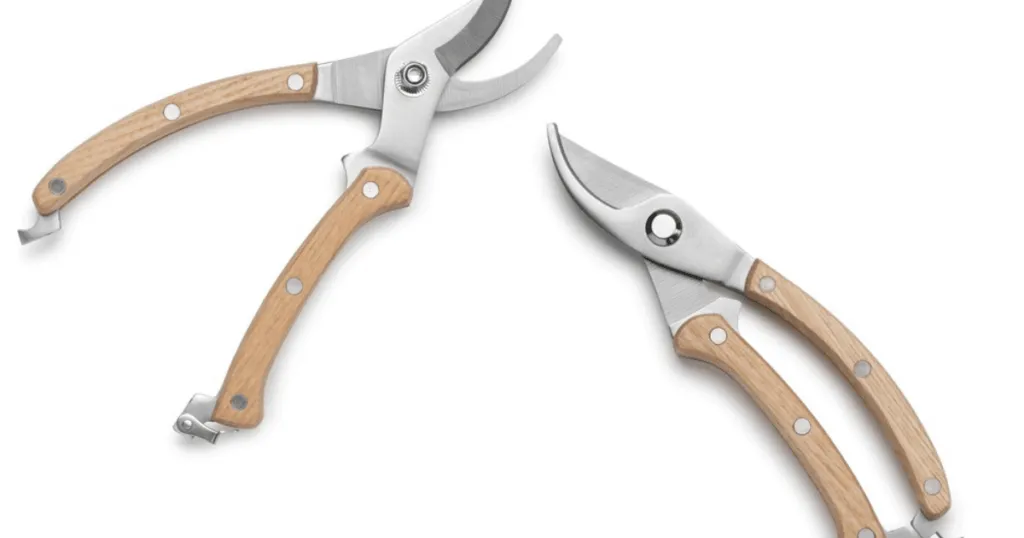
- Inspect for Damage: Take a moment to look at the pivot point of your shears. If you notice any rust or stiffness, apply a drop of mineral oil to the screw or hinge. Proper lubrication keeps the action smooth, which helps make cleaner cuts that heal faster.
Understanding Pathogen Transfer in Office Environments
In the controlled climate of an office, pathogen transfer is often accelerated by the lack of natural airflow found in outdoor environments. When you prune a plant, you create an open wound. If your shears carry microscopic fungal spores or bacteria from a previous plant, you are essentially inoculating that fresh wound with a pathogen. In an office with low humidity, plants are often already stressed, making them less capable of mounting a defense against these introduced organisms.
Consider the common office plant, such as a Pothos or a Peace Lily. These plants are often clustered together on desks or in reception areas. If one plant develops a bacterial leaf spot, the proximity allows for rapid spread. By practicing rigorous pruning tool hygiene, you break the chain of transmission. This is not just about keeping the tools clean; it is about managing the biological safety of your indoor ecosystem. Think of your shears as a medical instrument; just as a surgeon would never use an unsterilized scalpel on two different patients, you should never use unsterilized shears on two different plants.
The Role of Tool Maintenance in Disease Prevention
Sanitization is only one part of the equation; mechanical maintenance is the other. A dull blade is a major contributor to plant stress. When a blade is dull, it does not slice through the stem cleanly. Instead, it crushes the vascular tissue. This creates a larger, more ragged wound that takes significantly longer to heal. A slow-healing wound is an open invitation for pathogens to enter the plant’s system. By keeping your tools sharp, you ensure that the plant can seal its own wounds quickly, reducing the window of opportunity for infection.
Furthermore, the pivot point of your shears is a common hiding spot for debris. If your shears are stiff, you are more likely to apply uneven pressure, which can lead to tearing. Regularly cleaning the hinge and applying a light coat of mineral oil ensures that the tool operates smoothly. This mechanical efficiency is a subtle but vital component of your overall plant health strategy. When you combine sharp, well-lubricated tools with a consistent sanitization protocol, you create a robust defense system for your office greenery.
Managing High-Risk Situations
There are specific scenarios where standard sanitization might not be enough. If you are dealing with a plant that has a known, severe infection – such as a systemic fungal wilt or a viral infection – you should treat your tools with extra caution. In these cases, it is advisable to use a dedicated set of tools for the infected plant and keep them separate from your general maintenance kit. If you only have one pair of shears, sanitize them twice: once immediately after the cut, and again after you have finished the task.
Additionally, be mindful of the materials you use to clean. While microfiber cloths are excellent for wiping blades, they can become saturated with pathogens over time. If you are dealing with a high-risk plant, consider using disposable paper towels to wipe your blades. This eliminates the risk of cross-contamination from a reusable cloth. Once you have finished, dispose of the paper towels in a sealed bag to prevent the spread of spores within your office trash system.
Common Mistakes to Avoid
One of the most frequent errors is assuming that a quick wipe with a dry cloth is sufficient. Physical wiping removes dirt, but it does nothing to neutralize microscopic pathogens. If you have been trimming a plant suffering from root rot or fungal leaf spot, a dry cloth will simply spread those spores to the next plant you prune. Always use a chemical disinfectant.
Another common mistake is using the same cloth for multiple plants without cleaning it. If you wipe your blades and then use that same cloth to wipe them again later, you are essentially re-contaminating your tools. Use a fresh section of the cloth for each plant, or keep several small cloths on hand that you can cycle through and wash at the end of the day.
Many people also neglect the handles of their pruning tools. While the blades are the primary point of contact with the plant, your hands touch the handles constantly. If your hands have touched a diseased leaf, the handles can become a secondary source of contamination. Periodically wipe down the handles of your shears with an alcohol wipe to ensure your entire tool remains sanitary.
Troubleshooting and Maintenance
If you notice that your blades are starting to pit or show signs of corrosion, you are likely leaving your disinfectant on for too long or failing to rinse it off. While isopropyl alcohol is generally safe, bleach is highly reactive. If you use bleach, you must be diligent about the rinse-and-dry cycle. If you see orange or brown spots appearing on your steel blades, scrub them with a fine-grade steel wool pad to remove the oxidation, then oil them to prevent further damage.
If your shears become dull, they will crush the plant stem rather than making a clean slice. A crushed stem is more vulnerable to infection because it takes longer to heal, providing a larger window for pathogens to enter the plant. If you find yourself needing to force the shears to cut through a stem, stop immediately. A dull tool is a hazard to both you and your plants. Have your tools professionally sharpened or replace the blades if they are no longer holding an edge.
If you suspect a plant is suffering from a systemic disease, such as a severe bacterial wilt, do not just sanitize your tools between plants. You should also isolate the affected plant from the rest of the collection. In these cases, sanitizing your tools is a necessary precaution, but it may not be enough to stop the spread if the plant is also shedding spores into the air or soil. In such scenarios, consult with a professional plant care service to determine if the plant can be saved or if it needs to be removed from the office entirely.
FAQ
Can I use hand sanitizer instead of isopropyl alcohol to clean my pruning tools?
Most hand sanitizers contain additives like moisturizers, fragrances, or thickeners that can leave a residue on your pruning blades. This residue can attract dust or potentially interfere with the plant’s health. It is best to use pure 70 percent isopropyl alcohol without added ingredients to ensure your tools are cleaned effectively without leaving behind unwanted substances.
How often should I sharpen my pruning tools for office plants?
The frequency depends on how much you prune, but a good rule of thumb is to check the sharpness every few months. If the shears leave a jagged or crushed edge on a stem rather than a clean, smooth cut, they need sharpening. Keeping blades sharp is essential because clean cuts heal faster, making the plant less susceptible to infections that could be introduced during the pruning process.
Is it necessary to sanitize tools if I am only removing dead, brown leaves?
Yes, it is still recommended. Even if a leaf appears to have died naturally, it may be harboring dormant fungal spores or bacteria. Since you cannot always visually confirm why a leaf died, treating every pruning session as a potential transmission event is the safest approach for your office plant collection. It takes only a few seconds to sanitize and provides significant peace of mind.
What should I do if I accidentally prune a diseased plant with clean tools?
If you realize you have pruned a plant showing signs of disease, stop immediately. Do not use those tools on any other plants until they have been thoroughly sanitized. Perform a deep cleaning of the blades with soap and water to remove any sap or tissue, then apply your 70 percent isopropyl alcohol solution, ensuring it sits for at least one minute before you continue your work.