Managing an indoor plant collection in a workspace requires a different approach than outdoor gardening. While outdoor plants respond primarily to natural sunlight and fluctuating temperatures, office plants exist in a climate-controlled bubble. Even with consistent HVAC settings and artificial lighting, most indoor plants still possess an internal biological clock that dictates their nutrient uptake. Maintaining a proper fertilizing schedule by season is the most effective way to support these cycles without risking salt buildup or root burn.
The primary goal of fertilizing in an office is to supplement the limited nutrients available in potting media. Because office plants are typically grown in containers, they rely entirely on you for their mineral intake. However, over-fertilizing is a common mistake that leads to yellowing leaves and stunted growth. By aligning your application frequency with the plant’s natural metabolic state, you ensure that nutrients are available when the plant can actually use them for new tissue production rather than sitting stagnant in the soil.
The Seasonal Nutrient Framework
In the office, seasons are defined less by outdoor weather and more by the intensity of ambient light and the duration of the workday. Even in a windowless breakroom or a cubicle with only LED overheads, plants often sense the subtle changes in daylight hours through windows or the general activity levels of the building. Your fertilizing schedule by season should reflect these shifts in energy availability.
Spring and Summer: The Active Growth Phase
During the warmer months, or when your office building experiences longer daylight hours, most indoor plants enter a period of active growth. This is when they produce new leaves, extend their root systems, and require the most energy. This is the optimal time to apply a balanced, water-soluble fertilizer. In a professional setting, we recommend using a liquid formula diluted to half the strength suggested on the label. This prevents the rapid accumulation of mineral salts in the soil, which is particularly important since office plants are rarely flushed with heavy waterings that might occur in a home garden.
During this phase, the plant metabolism is at its peak. The increased light availability – even if it is just longer hours of artificial illumination – triggers the plant to synthesize more carbohydrates. These carbohydrates act as the building blocks for new foliage. By providing a steady, diluted stream of nutrients, you are essentially providing the raw materials needed for this biological construction. If you skip feeding during this peak, you may notice smaller leaves or a paler green color, which indicates the plant is struggling to find the nitrogen and micronutrients necessary for its expansion.
Autumn and Winter: The Maintenance Phase
As light levels drop and the office environment becomes drier due to heating systems, plant metabolism slows significantly. Many common office plants, such as Pothos, Snake Plants, and ZZ Plants, will enter a state of dormancy or semi-dormancy. During this time, the plant is not actively building new tissue, and its nutrient requirements plummet. Continuing to fertilize at the same rate as summer will almost certainly lead to root damage, as the plant cannot process the minerals. During these months, it is best to stop fertilizing entirely or reduce application to once every two or three months, depending on the specific light conditions of your space.
The HVAC impact during winter cannot be overstated. When heating systems run, they strip moisture from the air, causing the potting media to dry out faster in some areas while remaining stagnant in others. If you apply fertilizer to a plant that is already struggling with low humidity and reduced light, you risk creating a toxic environment in the root zone. The salts from the fertilizer will concentrate in the remaining soil moisture, leading to osmotic stress where the plant actually loses water to the soil rather than absorbing it. This is a primary cause of tip burn on foliage during the winter months.
Practical Application and Decision Rules
When deciding whether to feed your plants, look for physical indicators rather than just checking the calendar. A plant that is pushing out new, vibrant foliage is actively growing and ready for nutrients. A plant that has remained static for several weeks is likely resting. In an office, you must also account for the specific type of lighting. If your office uses high-output LED grow lights, your plants may continue to grow year-round, meaning they might require a more consistent, albeit lighter, feeding schedule throughout the winter.
A common mistake is assuming that all plants need the same amount of fertilizer. Foliage-heavy plants like Peace Lilies or Philodendrons generally require more frequent feeding during their active season than slow-growing succulents or cacti. If you manage a large collection, keep a simple log or a digital calendar to track the last time each zone or specific plant was fed. This prevents the accidental double-feeding that often happens in shared office spaces where multiple people might try to help with plant care.
Decision guidance for office managers: If you are responsible for a large floor plan, group your plants by light exposure. Plants near south-facing windows will have a longer active growth phase than those in the interior of the building. Create a “feeding map” for your office. This allows you to treat the high-light plants as a separate category from the low-light, interior plants. This granular approach ensures that you aren’t over-fertilizing the plants that are essentially in a permanent state of low-energy maintenance due to their location.
Avoiding Common Mistakes
One of the most frequent errors is fertilizing a dry plant. Always ensure the soil is slightly moist before applying liquid fertilizer. Applying nutrients to bone-dry soil can shock the root system and cause immediate leaf burn. If you find yourself in a situation where a plant is struggling, do not reach for fertilizer as a cure. Nutrient deficiency is rarely the cause of sudden decline in an office; it is almost always related to light, water, or humidity. Fertilizing a stressed plant is like giving a heavy meal to someone who is ill; it will only make the situation worse.
Another critical error is ignoring the buildup of mineral salts. Over time, even with careful dilution, the potting media will accumulate unused minerals. This is often visible as a white, crusty layer on the top of the soil or around the rim of the pot. This salt buildup changes the pH of the soil, making it harder for the plant to absorb nutrients even if they are present. To mitigate this, incorporate a “flush” into your quarterly maintenance. Take the plants to a utility sink and run water through the soil for several minutes. This is the only way to effectively reset the soil chemistry and prevent long-term root toxicity.
Refining Your Maintenance Routine
To keep your office greenery thriving, integrate your fertilizing schedule by season into your existing maintenance tasks. If you have a monthly plant check-in, use that time to observe growth patterns. If a plant has stopped growing, skip the fertilizer for that month. If you notice white, crusty deposits on the surface of the soil, this is a sign of salt buildup from previous fertilizer applications. In this case, you should skip feeding and instead flush the soil with clear, room-temperature water to wash away the excess minerals.
Remember that the quality of your water also plays a role. If your office uses softened water, it may contain high levels of sodium, which can interact poorly with certain fertilizers. If you suspect your water quality is poor, consider using filtered water for your plant care routine. Ultimately, the best approach is to err on the side of under-fertilizing. A plant that is slightly hungry will still survive, but a plant suffering from fertilizer toxicity is much harder to recover. By keeping your application light and strictly tied to the plant’s actual growth activity, you will maintain a healthy, vibrant office space with minimal risk to your plants.
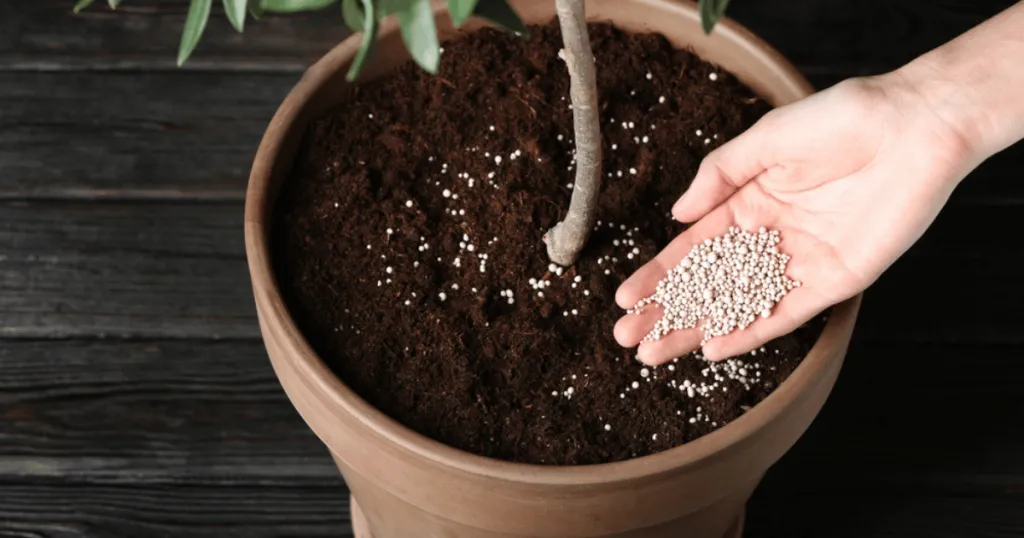
Consider the trade-offs of different fertilizer delivery systems. While liquid fertilizers offer the most control, they require more frequent manual intervention. Slow-release granules are convenient for busy office managers, but they are “set it and forget it” systems that do not account for seasonal changes. If you choose to use slow-release fertilizer, apply it only at the start of the spring season and avoid re-applying in the autumn. This ensures the nutrients are available during the peak growth phase but naturally taper off as the plant enters its winter maintenance phase.
Finally, document your process. In a professional office, plant care is often a shared responsibility. A simple sign-in sheet or a digital document shared among the facilities team can prevent the “too many cooks” scenario where a plant is fertilized by three different people in a single week. Clear communication about the fertilizing schedule by season is just as important as the fertilizer itself. By standardizing your approach, you protect the health of your office plants and ensure they continue to provide the aesthetic and psychological benefits they were brought in to provide.
FAQ
Does artificial office lighting change how I should follow a fertilizing schedule by season?
Yes. If your plants are under strong, dedicated LED grow lights, they may maintain a consistent growth rate regardless of the time of year. In these cases, you can maintain a light, consistent feeding schedule year-round rather than stopping in winter. However, if they rely on standard overhead fluorescent office lights, they will likely still follow a natural seasonal slowdown, and you should reduce or stop fertilizing in the winter.
What should I do if I accidentally over-fertilized my office plant?
If you suspect over-fertilization, the immediate step is to flush the soil. Take the plant to a sink and run lukewarm water through the pot for several minutes, allowing it to drain completely. This helps leach out excess mineral salts. Do not fertilize again for at least three months, and monitor the plant for signs of recovery, such as new, healthy growth or the cessation of leaf browning.
Are there specific types of fertilizer best suited for an office environment?
For most office plants, a balanced, water-soluble liquid fertilizer is the most practical choice. It allows for precise dilution, which is critical in an office setting where you want to avoid salt buildup. Slow-release pellets are also an option, but they are harder to control if you need to stop feeding during a plant’s dormant phase. Stick to liquid formulas for the best control over your fertilizing schedule by season.