In the controlled climate of an office, plants often receive more care than they actually require. When well-meaning office managers or staff apply fertilizer too frequently or in concentrations meant for fast-growing outdoor crops, the result is often a buildup of mineral salts in the soil. These signs of over-fertilizing are distinct and usually point toward a chemical imbalance rather than a lack of light or water. Because office plants exist in stable, low-stress environments with consistent temperatures, they often do not have the metabolic demand to process high levels of synthetic nutrients. Recognizing these symptoms early is the most effective way to prevent permanent root damage and ensure your workspace greenery remains vibrant.
The primary issue with excess fertilizer is the creation of a high-solute environment around the root zone. This effectively pulls moisture out of the plant roots through osmosis, leading to a condition often called fertilizer burn. While it may look like a simple case of underwatering, the presence of specific visual cues will help you distinguish between a thirsty plant and one that is suffering from nutrient toxicity.
Visual Indicators and Symptom Patterns
The most reliable way to identify nutrient toxicity is to observe the foliage and the soil surface. Unlike pests or fungal infections, which tend to appear in isolated spots, fertilizer damage typically manifests as a systemic issue affecting the entire plant or the newest growth first.
Foliage and Leaf Margin Changes
The most common indicator is the appearance of brown, crispy leaf tips and margins. While brown tips are sometimes associated with low humidity, fertilizer burn is characterized by a distinct yellow or white halo between the healthy green tissue and the dead brown edge. This halo effect is a classic sign that mineral salts are accumulating in the leaf tips, where water evaporates most rapidly. In severe cases, the entire leaf may yellow, curl, or drop prematurely, even if the soil feels moist to the touch. Unlike natural leaf senescence, which usually affects the oldest, lowest leaves, nutrient burn often strikes the newest, most tender growth because these areas are where the plant is actively transporting water and minerals.
Soil Surface Crusts
Take a close look at the top layer of the potting mix. If you see a white, crusty, or powdery residue, you are looking at a direct accumulation of mineral salts. This is often caused by using tap water that is already high in minerals combined with excessive fertilizer application. This crust prevents water from penetrating the soil evenly, leading to dry pockets that further exacerbate the plant’s inability to take up nutrients correctly. In office settings, where air circulation may be limited, this crust can sometimes trap moisture underneath, creating a deceptive surface that looks dry while the root zone remains dangerously saturated.
Stunted or Distorted Growth
If your plant has stopped producing new leaves, or if the new growth appears smaller, darker, or oddly twisted, it is likely reacting to an excess of nutrients. Plants in office settings often have limited root space, and when that space becomes saturated with salts, the plant effectively shuts down its growth cycle to protect itself from further toxicity. This physiological response is a survival mechanism; the plant is essentially trying to limit its intake of the surrounding soil solution to avoid further osmotic stress.
Contextual Factors in Office Plant Care
Office plants face unique challenges that make them more susceptible to fertilizer damage. Unlike plants in a greenhouse with high light and rapid transpiration, office plants often sit in lower light conditions, which slows their growth rate significantly. When a plant grows slowly, its nutrient requirements drop accordingly. A common mistake is applying a standard fertilizer dosage year-round without adjusting for the reduced light levels of a typical office, especially during winter months when natural light is minimal.
Furthermore, many office plants are watered with tap water, which often contains chlorine, fluoride, and dissolved minerals. When you add liquid or granular fertilizer to this mix, the total dissolved solids (TDS) in the soil can quickly reach levels that are toxic to the root system. Over time, these salts bind to the soil particles, making it difficult for the plant to access the water it needs, even if you are watering on a regular schedule. This creates a cycle of stress where the plant appears to be wilting, leading to more water and more fertilizer, which only compounds the problem.
It is also important to consider the pot type. Plastic pots hold moisture longer than terracotta, which means salts stay in the root zone for an extended period. If you are using a self-watering planter, the risk is even higher because there is no drainage to flush out the excess minerals. In these systems, the reservoir can become a concentrated soup of nutrients, which is eventually wicked back up into the soil, bathing the roots in a toxic solution. Office managers should prioritize pots with drainage holes to facilitate the natural leaching of excess minerals during routine maintenance.
The Science of Nutrient Imbalance
Understanding why nutrient imbalance occurs is essential for long-term plant health. Plants require a specific ratio of nitrogen, phosphorus, and potassium (NPK), but they also need micronutrients. When you over-fertilize, you aren’t just adding too much of one thing; you are often creating a chemical lockout. For example, an excess of phosphorus can inhibit the plant’s ability to absorb iron or zinc, leading to chlorosis – a yellowing of the leaves that mimics a deficiency. This is a common trap for office workers who see yellow leaves and immediately add more fertilizer, unaware that the soil is already saturated with nutrients the plant cannot process.
Soil salinity is another critical factor. As water evaporates from the potting media, the salts remain behind. In an office with HVAC systems running, the air is typically dry, which increases the rate of evaporation from the soil surface. This process concentrates the salts in the top layer of the soil, making the environment increasingly hostile for the root system. Over time, this leads to hydrophobic soil, where the potting mix becomes so dry and salt-encrusted that it repels water entirely, causing it to run down the sides of the pot without ever reaching the roots.
Practical Steps for Recovery and Prevention
If you suspect your plant is suffering from over-fertilization, the immediate goal is to flush the soil and reset the nutrient balance. Do not attempt to prune away all the damaged leaves immediately, as the plant needs its remaining foliage to recover.
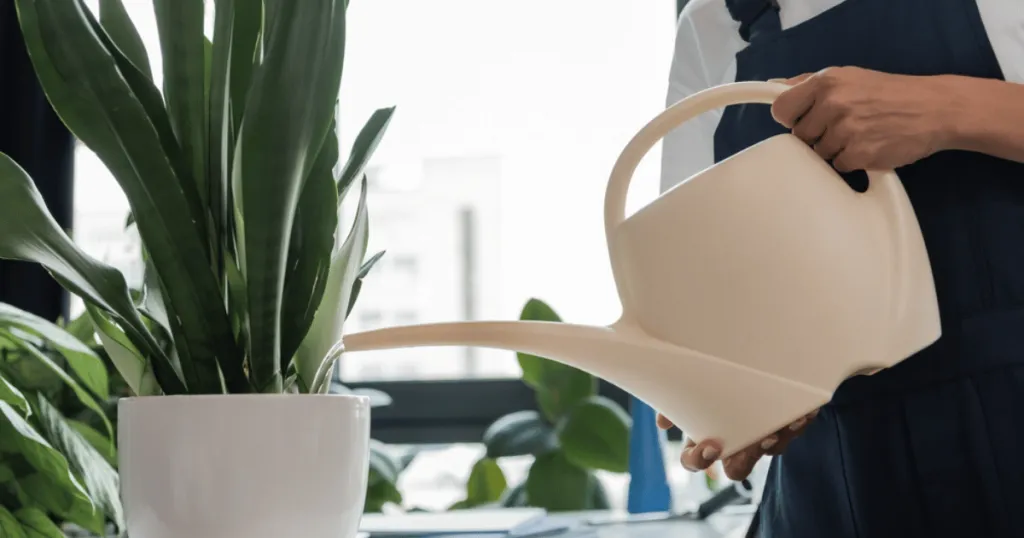
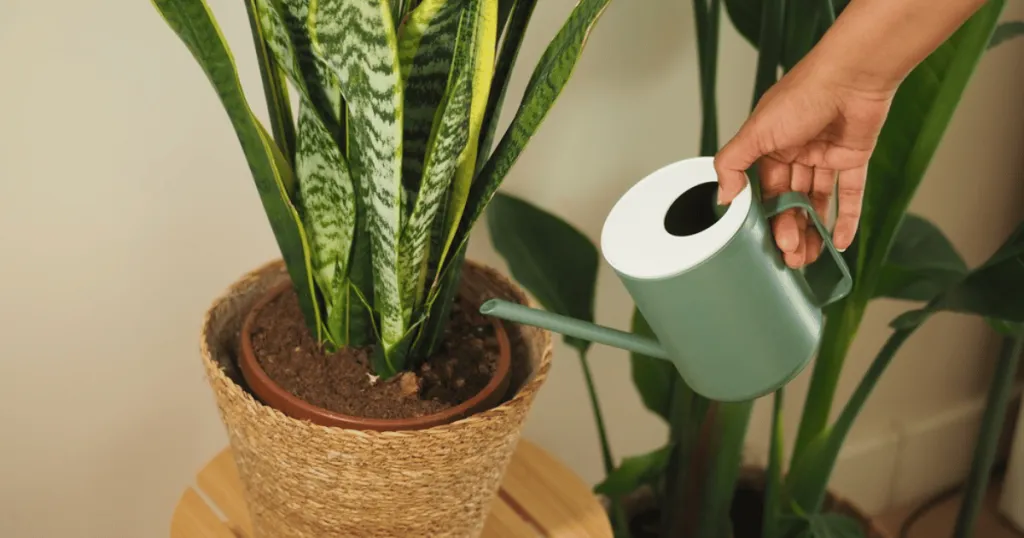
- Leaching the Soil: The most effective fix is to run a large volume of lukewarm, filtered water through the soil. Use a sink or a utility area where water can drain freely. Pour water through the pot for several minutes, allowing it to wash out the excess salts from the bottom drainage holes. This process, known as leaching, should be performed until the water running out of the bottom is clear and the soil feels thoroughly saturated.
- Repotting as a Last Resort: If the salt crust on the surface is thick or the soil has become compacted and hydrophobic, it is better to replace the top two inches of soil with fresh, high-quality potting mix. If the damage is severe, you may need to repot the plant entirely, gently rinsing the roots to remove old, salt-laden soil before placing it in a fresh medium. This is a drastic measure but often necessary if the root system shows signs of browning or decay.
- Adjusting the Schedule: Move to a “less is more” approach. For most office plants, fertilizing once every two to three months during the active growing season is sufficient. During the winter or in low-light offices, skip fertilization entirely. Always dilute liquid fertilizers to half or even quarter strength, especially for slow-growing species like snake plants or ZZ plants, which have very low metabolic demand.
- Monitoring Water Quality: If your office tap water is hard or heavily treated, consider using filtered or distilled water. This reduces the baseline mineral load, giving you more control over the nutrients the plant actually receives. If you must use tap water, let it sit out for 24 hours to allow chlorine to dissipate, though this will not remove dissolved minerals or fluoride.
By shifting your focus from “feeding” the plant to maintaining a clean, balanced root environment, you will find that your office plants are much more resilient. The signs of over-fertilizing are essentially a warning that the plant’s natural balance has been disrupted, and by flushing the soil and reducing your application frequency, you can easily restore that equilibrium. Consistent observation and a conservative approach to nutrient application are the hallmarks of successful office plant maintenance.
FAQ
Can I use the same fertilizer for all my office plants?
While many general-purpose fertilizers are safe for a variety of plants, they are rarely ideal. Different species have different nutrient requirements. A succulent in a bright window needs different levels of nitrogen compared to a fern in a dim corner. Using a single, high-concentration fertilizer for all plants often leads to over-fertilizing the ones that grow slowly, as they cannot process the nutrients as quickly as the label suggests.
Does yellowing foliage always mean the plant is over-fertilized?
No, yellowing is a general symptom of stress. It can indicate overwatering, low light, or pest issues. The key to identifying over-fertilization is the combination of symptoms: look for the white salt crust on the soil and the specific brown, crispy leaf tips with a yellow halo. If the soil is consistently soggy and the leaves are yellowing, the issue is more likely related to root rot from overwatering rather than nutrient toxicity.
How often should I flush my office plant soil to prevent salt buildup?
In an office setting, a thorough leaching of the soil every three to four months is a good preventive practice, even if you do not see signs of over-fertilizing. This helps wash away accumulated minerals from tap water and residual fertilizer. Always ensure the pot has proper drainage holes and that you allow the plant to drain completely before placing it back on its saucer or into a decorative cachepot.