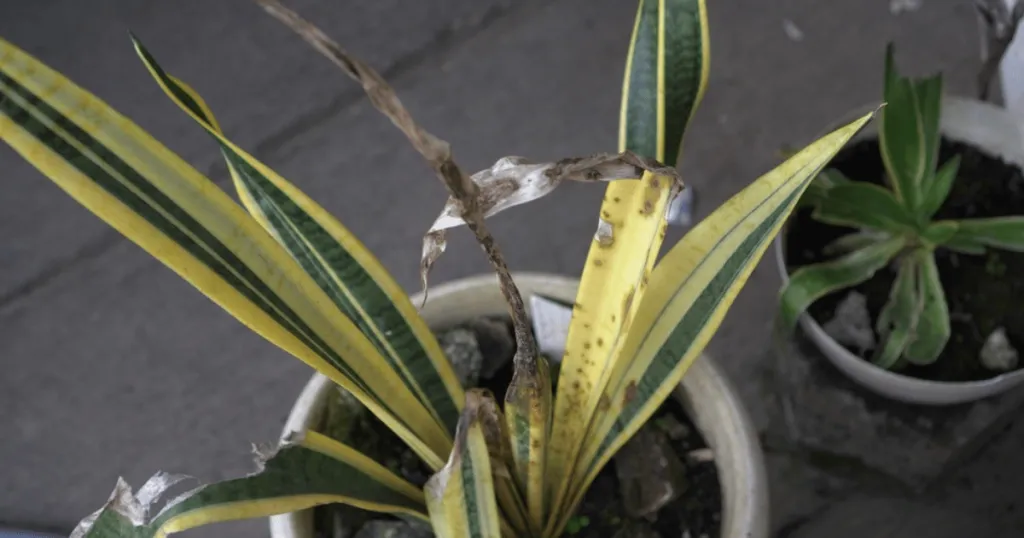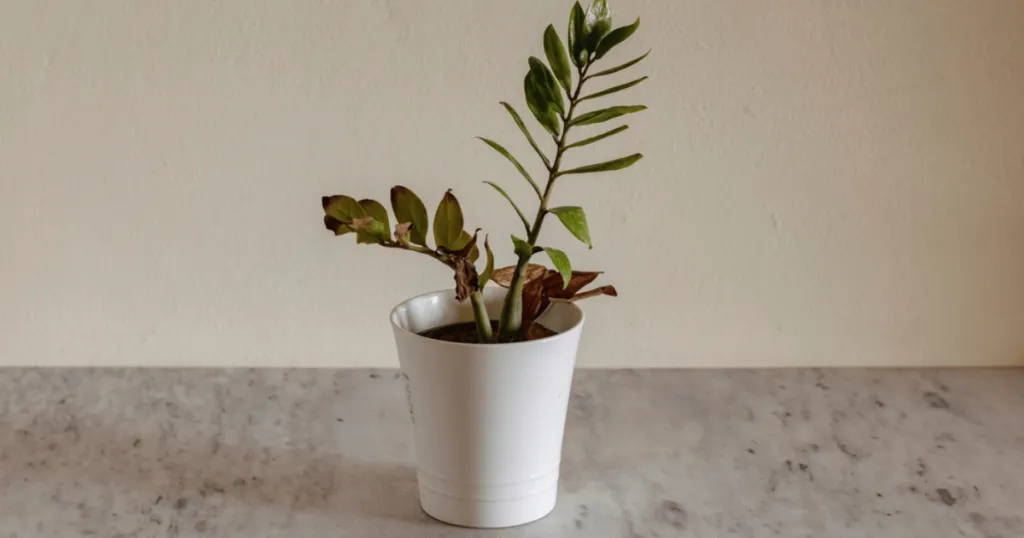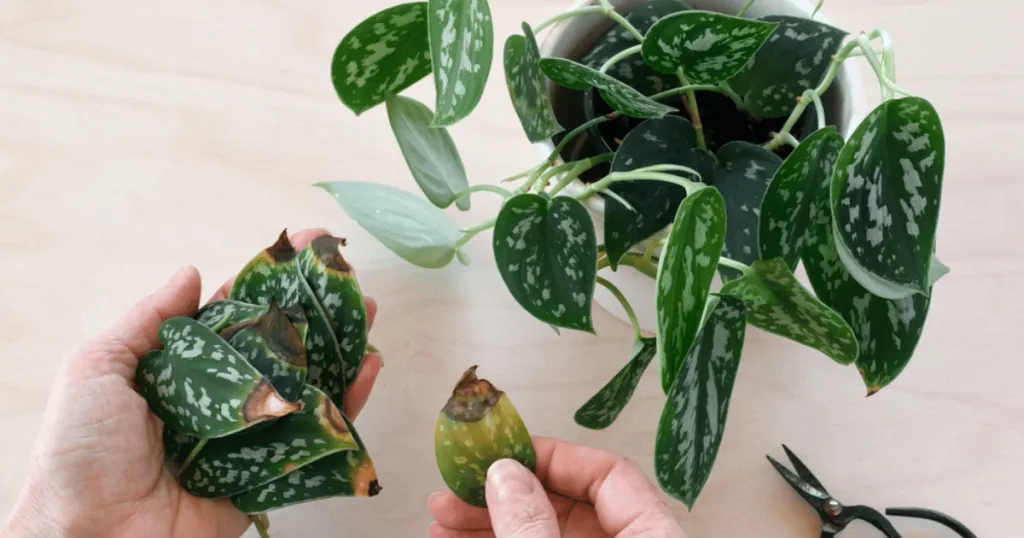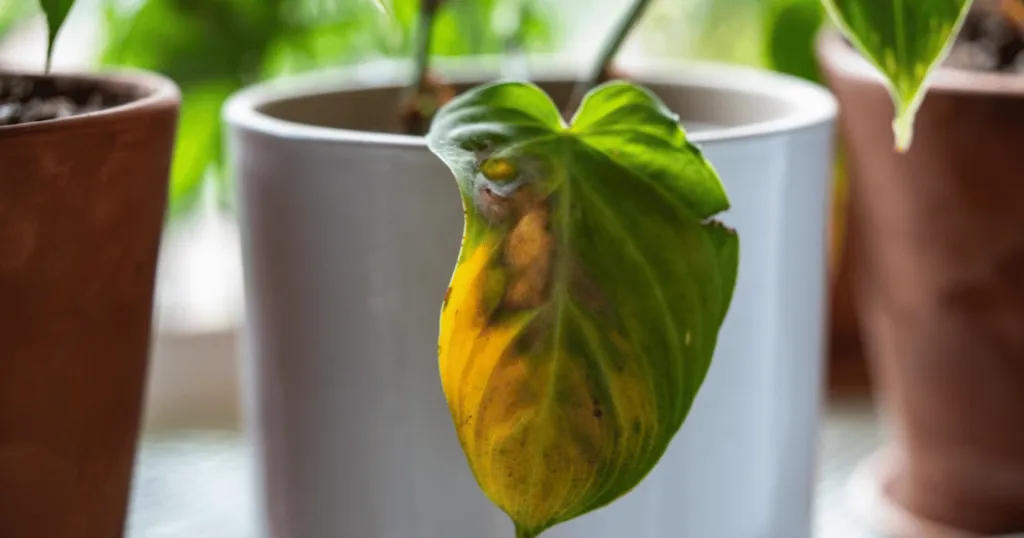
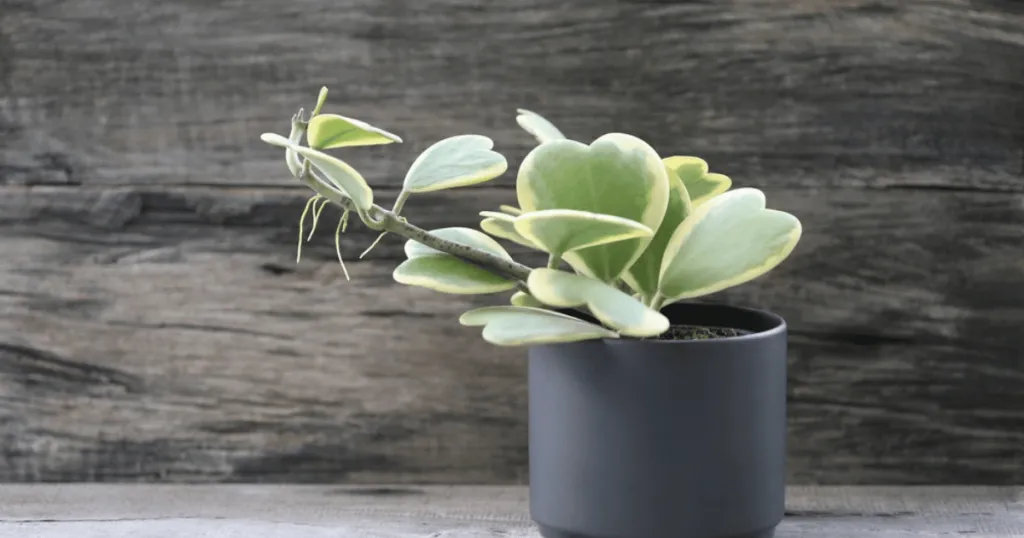
A healthy Hoya typically features firm, waxy leaves that hold a deep, vibrant green color and a robust, vining structure that actively reaches toward available light sources. When these plants are thriving in an office, they maintain a consistent, slow-growing pace and may occasionally produce clusters of star-shaped, fragrant blooms if the light exposure is sufficient. You should see no signs of drooping, shriveling, or discoloration along the stems or foliage.
When you notice your Hoya deviating from this standard, it is often a signal that the plant is struggling to adapt to the specific constraints of your workspace, such as artificial lighting or inconsistent watering schedules. Recognizing these early warning signs allows you to intervene before the plant suffers significant damage. Most issues are manageable if you address the environmental root cause rather than simply treating the visible symptoms.
Short Answer
Most Hoya problems stem from overwatering or insufficient light. Because Hoyas are semi-succulent, they require their soil to dry out significantly between waterings. If you see yellowing leaves or mushy stems, reduce water immediately and ensure your pot has adequate drainage to prevent root rot.
Quick Checks and Fast Fixes
Before assuming the worst, perform a quick physical assessment of your plant. Start by checking the soil moisture level by inserting your finger or a wooden dowel at least two inches into the potting medium. If the soil feels damp or cool to the touch, pause your watering schedule immediately. Hoyas prefer to remain on the drier side, and constant moisture is the fastest way to trigger root issues.
Next, inspect the light quality. If your plant is tucked into a dark corner of a meeting room or cubicle, it may be suffering from light starvation. Move the plant closer to a window or under a dedicated LED grow light if natural light is unavailable. If the leaves are pale or the vine is stretching out with large gaps between leaves, this is a clear sign of insufficient light. Adjusting the placement is often the only fix needed to restore vigor.
Finally, check for pests. Hoyas are susceptible to mealybugs, which look like small, white, cottony tufts in the crevices where leaves meet the stems. If you spot them, wipe them away with a cotton swab dipped in isopropyl alcohol. This simple, targeted approach is usually enough to stop an infestation before it spreads to other office plants.
Symptom Diagnosis Table
| Symptom | Likely Cause | Immediate Action |
|---|---|---|
| Yellowing leaves | Overwatering | Check soil; allow to dry out |
| Shriveled, thin leaves | Underwatering | Deep soak; ensure water reaches roots |
| Stalled growth | Low light | Move to brighter location |
| White cottony spots | Mealybugs | Wipe with alcohol swab |
| Brown, crispy leaf edges | Low humidity | Group with other plants |
Addressing the Most Common Issues
Overwatering remains the primary culprit for Hoya decline in office settings. Unlike tropical foliage plants that may thrive in consistently moist soil, the Hoya is a semi-succulent species. In an office environment, where air circulation might be limited and humidity is often low due to HVAC systems, the soil takes longer to dry out than you might expect.
When the roots sit in saturated soil, they lose access to oxygen, leading to root rot. If you notice yellowing leaves that eventually drop, gently remove the plant from its pot to inspect the roots. Healthy roots should be firm and light-colored. If they appear mushy, dark, or emit a foul odor, you are dealing with rot. Trim away the damaged sections and repot the plant in fresh, well-draining succulent mix.
Light-related issues are the second most common problem. While these plants are often marketed as low-light tolerant, they grow best in bright, indirect light. In an office, this usually means placing the plant near a window that does not receive harsh, direct afternoon sun, or ensuring it is positioned under bright fluorescent or LED office lighting.
If your plant is not growing, it is likely in a state of dormancy caused by lack of energy. Moving it to a brighter spot usually triggers new growth within a few weeks. Avoid moving the plant directly into intense, scorching sun, as this can cause leaf burn, which manifests as bleached, white, or brown patches on the foliage.
Advanced Care and Troubleshooting
For more persistent issues, consider the quality of your potting medium. Many store-bought Hoyas come in dense peat-based soil that holds too much water for office conditions. If you find yourself constantly battling soil that stays wet for weeks, repotting into a mix containing perlite, orchid bark, and coco coir will significantly improve aeration. This change mimics the epiphytic nature of Hoyas, allowing roots to breathe and preventing the anaerobic conditions that lead to rot.
If you notice the plant is not flowering, do not be alarmed. Hoyas are slow to mature and require high light intensity to produce blooms. In an office, flowering is a bonus rather than an expectation. If your plant is otherwise healthy, green, and growing, it is perfectly happy even without flowers. Avoid the temptation to use heavy fertilizers to force blooming, as this can cause salt buildup in the soil, leading to brown leaf tips and root stress. A balanced, diluted liquid fertilizer applied only during the active growing season is sufficient.
Understanding Environmental Stress in Offices
Office environments present unique challenges that differ significantly from residential settings. The primary factor is the HVAC system, which often creates a cycle of dry, moving air that can dehydrate leaves faster than the roots can compensate. While Hoyas are generally resilient, sudden drafts from vents can lead to premature leaf drop. If your plant is positioned directly under an air vent, consider moving it to a more stable location to prevent this stress response.
Furthermore, the weekend effect is a common contributor to Hoya problems. In many offices, the temperature is lowered or the lighting is turned off completely from Friday evening to Monday morning. This fluctuation can disrupt the plant’s metabolic processes. While a healthy Hoya can handle these shifts, a plant already struggling with root health or light deficiency may show signs of decline after a long weekend. Ensuring that your plant is not subjected to extreme temperature drops during these periods is a key part of long-term plant maintenance.
Managing Pests Beyond Mealybugs
While mealybugs are the most frequent visitors to office Hoyas, other pests can occasionally take hold. Scale insects, which appear as small, hard, brown bumps on stems or the undersides of leaves, can be particularly difficult to spot because they look like part of the plant. These pests feed on the sap, weakening the plant over time.
If you notice sticky residue on the leaves or the surface below the plant, this is a sign of honeydew secreted by pests. Regularly inspecting the undersides of leaves during your weekly watering check is the most effective way to catch these issues early. Use a damp cloth to wipe away any debris, which also helps the plant perform photosynthesis more efficiently in low-light office conditions.
The Role of Potting Medium and Drainage
Many office managers make the mistake of keeping Hoyas in the decorative cachepots they arrive in. These pots often lack drainage holes, which is a recipe for disaster. If your plant is in a container without drainage, water will inevitably pool at the bottom, creating a swampy environment for the roots. To resolve this, ensure your Hoya is in a nursery pot with ample drainage holes that sits inside the decorative container. When watering, take the nursery pot to a sink, let it drain completely, and then return it to the decorative pot. This practice is essential for preventing the root rot that is the most common cause of Hoya death in commercial spaces.
Prevention Habits for Office Success
Consistency is the best prevention strategy for Hoya care in a workplace. Establish a routine where you check the soil moisture on the same day each week, but only water when the top half of the soil is completely dry. This simple rule prevents the cycle of overwatering that plagues most office plants. Because Hoyas are non-toxic to cats and dogs according to ASPCA guidance, they are a safe choice for offices that allow pets, but their waxy leaves can still be attractive to curious animals, so keep them out of reach if necessary.
Dust accumulation is another silent issue in offices. Because Hoya leaves are broad and waxy, they collect dust that blocks light absorption. Wipe the leaves down with a damp cloth every few weeks. This not only keeps the plant efficient at photosynthesis but also allows you to inspect the stems for early signs of pests. By keeping the foliage clean and the root environment dry, you create a stable, low-maintenance environment that allows your Hoya to thrive for years without intervention.
Related Hoya Guides
FAQ
Why are the leaves on my Hoya turning yellow and falling off?
Yellowing leaves are almost always a sign of overwatering. In office environments, soil stays wet longer than in a greenhouse. Ensure the soil is dry at least two inches down before adding more water, and verify that your pot has drainage holes.
Can I keep a Hoya in a windowless office with only fluorescent lights?
While Hoyas can survive in low-light conditions, they will not thrive or grow. If your office lacks windows, consider placing the plant directly under a desk lamp or a dedicated LED grow light to provide the energy it needs to maintain healthy foliage.
Are Hoyas safe to have in an office with pets?
Yes, according to the ASPCA, Hoyas are non-toxic to cats and dogs. This makes them a safe choice for office environments where pets might be present, though it is still best to keep them out of reach to prevent physical damage to the leaves.
How often should I fertilize my office Hoya?
Hoyas are slow growers and do not require heavy feeding. A balanced, water-soluble fertilizer applied at half-strength once a month during the spring and summer is sufficient. Avoid fertilizing during the winter months when the plant is naturally resting.