If you notice your office plant looking less than vibrant, the fastest, lowest-risk step is to check the soil moisture and the immediate light conditions. Before you assume the worst, gently press your finger into the top inch of the potting mix. If it feels bone-dry or completely saturated, you have likely identified the primary stressor. Bird’s nest ferns, or Asplenium nidus, are sensitive to extremes in moisture and light, but they are remarkably resilient if you catch these imbalances early. Most issues in a professional workspace stem from inconsistent watering schedules or placement in areas with harsh, direct sunlight that the plant is not adapted to handle.
Short Answer
The most common bird’s nest fern problems arise from incorrect moisture levels or poor light exposure. To resolve these, maintain consistently lightly moist soil without waterlogging the roots and ensure the plant receives only medium to low indirect light, avoiding direct sun that scorches the fronds.
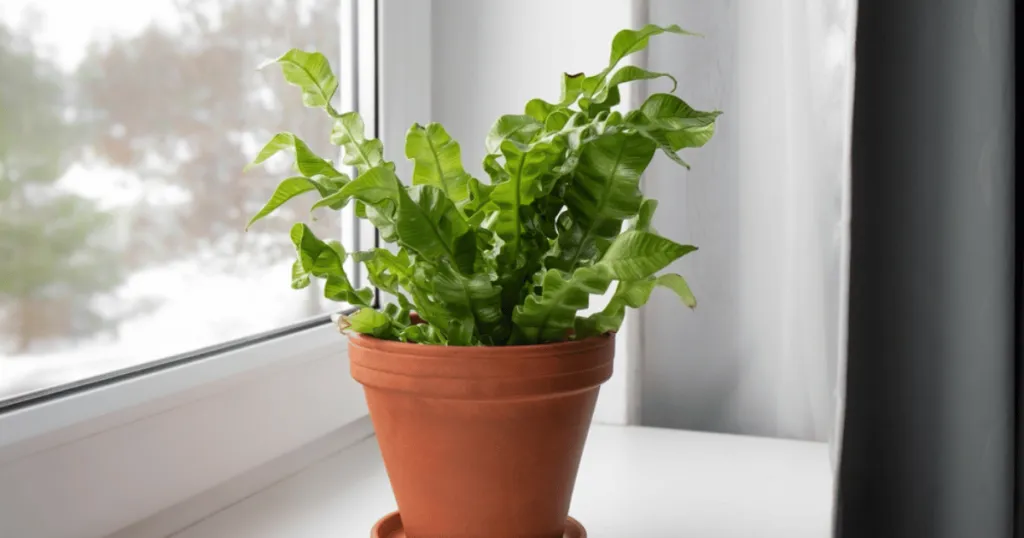
Symptom-Based Troubleshooting
Understanding the visual cues your plant provides allows you to act before the damage becomes irreversible. Use this guide to match symptoms with the most likely environmental cause.
- Yellowing fronds: Usually indicates overwatering or poor drainage.
- Brown, crispy edges: Often a sign of low humidity or underwatering.
- Stalled growth: Frequently caused by insufficient light or a pot that has become too small.
- Wilting or drooping: Typically a response to severe dehydration or root rot.
- Black spots: Can indicate fungal issues brought on by water sitting in the center of the rosette.
Addressing the Most Common Issues
In an office environment, water management is the most frequent source of trouble. Because bird’s nest ferns are epiphytic by nature, they do not like to sit in standing water, yet they cannot tolerate the dry, HVAC-conditioned air of a typical office for long. If your plant is yellowing, the roots may be struggling with oxygen deprivation.
Check the drainage holes of your planter immediately. If the pot lacks holes, you must repot the plant into a container that allows excess water to escape. A common mistake is to water on a strict calendar schedule, such as every Monday, regardless of whether the soil has dried out. Instead, check the soil moisture twice weekly and water only when the top inch feels slightly dry to the touch.
Brown, crispy tips are the second most common complaint. Office buildings often have low humidity levels due to central heating and cooling systems. While you cannot change the building’s climate, you can improve the microclimate around your fern. Placing the plant on a tray filled with pebbles and a small amount of water can increase local humidity as the water evaporates.
Ensure the bottom of the pot is not touching the water directly, as this can lead to root rot. If you notice the center of the plant, known as the crown, is turning brown or mushy, you are likely pouring water directly into the center. Always water the soil around the base of the plant, keeping the center dry to prevent crown rot.
Advanced Care Adjustments
When basic adjustments do not resolve the issue, consider the light environment. Bird’s nest ferns thrive in medium to low indirect light. If your plant is placed on a windowsill that receives direct afternoon sun, the fronds will quickly bleach or develop brown, scorched patches. Move the plant to a spot where it receives bright, filtered light or consistent fluorescent office lighting. If the plant is in a dark corner with no natural light, it may stop growing entirely. In such cases, a small LED grow light positioned a few feet away can provide the necessary energy for the plant to recover.
Repotting is another intervention, though it should be done carefully. If the plant has become root-bound, it will struggle to absorb water and nutrients. Use a well-draining, peat-based potting mix that retains moisture while allowing airflow. Avoid heavy garden soil, which compacts and suffocates the delicate root system. When repotting, only move up one pot size. A pot that is too large will hold too much water, leading to the very root rot you are trying to avoid.
Prevention Habits for Office Success
Consistency is the best prevention for bird’s nest fern problems. Create a simple observation routine. Every time you walk past the plant, check the color of the fronds and the feel of the soil. By catching a slight droop early, you can provide a small amount of water before the plant reaches a state of stress. Another habit is to rotate the plant by a quarter turn every few weeks to ensure even light exposure, which prevents the plant from leaning or developing lopsided growth.
Keep the foliage clean by gently wiping the fronds with a damp cloth if they become dusty. Dust can block light and reduce the plant’s ability to photosynthesize effectively, especially in dusty office environments. Finally, avoid using leaf shine products or harsh chemicals on the fronds, as these can clog the pores and cause long-term damage. If you use cleaning products in your office, ensure they do not drift onto the plant, as ferns are sensitive to chemical residues in the air.
Navigating Environmental Stress in Open Offices
Open-plan offices present unique challenges for Asplenium nidus. Air currents from HVAC vents can cause rapid moisture loss, leading to the classic fern leaf browning seen on the tips of the fronds. If your plant is situated near a vent, consider installing a small physical barrier or moving the plant to a more sheltered location. The goal is to maintain a stable environment where the plant is not subjected to constant temperature fluctuations or drying drafts.
Furthermore, consider the impact of weekend office shutdowns. If the building climate control is turned off or significantly reduced on weekends, the plant may experience sudden shifts in humidity. Monitoring the soil moisture on Friday afternoons is a proactive step in ensuring the plant survives the weekend without becoming overly parched.
Managing Nutrient and Soil Health
While bird’s nest ferns are not heavy feeders, they do require periodic attention to their soil health. Over time, the nutrients in the potting mix become depleted. If you notice the plant is not producing new fronds, it may be time to consider a light application of a balanced, water-soluble fertilizer, diluted to half-strength.
Only fertilize during the active growing season, typically spring and summer. Avoid fertilizing during the winter months when the plant’s metabolism slows down. Over-fertilization can lead to salt buildup in the soil, which manifests as brown, scorched-looking leaf margins. If you suspect salt accumulation, flushing the soil with distilled or filtered water can help leach out excess minerals.
The Role of Air Circulation and Fungal Prevention
While humidity is essential, stagnant air can lead to fungal issues. In crowded office spaces, ensure there is adequate space between the fern and other plants to allow for airflow. Good circulation helps prevent the moisture in the rosette from lingering too long, which is a primary cause of crown rot. If you notice a musty smell or fuzzy patches on the soil surface, this is a clear indicator that the soil is staying too wet or the air is too stagnant.
Improving ventilation and reducing watering frequency are the most effective ways to mitigate these risks. Remember, the health of your plant is directly tied to the health of its root system; if the roots are healthy, the foliage will follow suit.
Analyzing Growth Patterns and Structural Integrity
A common point of confusion for office managers is the difference between natural aging and genuine health problems. As a bird’s nest fern matures, the oldest fronds at the base of the plant will naturally turn yellow and eventually brown. This is a normal part of the plant’s life cycle and should not be mistaken for a systemic issue.
You can safely prune these spent fronds at the base to keep the plant looking tidy. However, if you see widespread yellowing across the younger, central fronds, this is a red flag indicating a problem with the root system or light exposure. By observing the location of the discoloration, you can better diagnose whether the plant is simply aging or suffering from an environmental mismatch.
Structural integrity is also vital. If the fronds appear weak or are collapsing under their own weight, it often points to a lack of structural support in the potting medium or insufficient light, which causes the plant to stretch and become leggy. A healthy bird’s nest fern should have firm, upright, or slightly arching fronds.
If your plant is leaning heavily, ensure it is not reaching for a distant light source. If it is, rotate it or move it closer to the window. If the plant is top-heavy, ensure the pot is stable and not prone to tipping, as physical damage to the delicate fronds can create entry points for pathogens.
Long-Term Maintenance Strategies
To ensure your bird’s nest fern remains a staple of your office decor for years, adopt a long-term maintenance mindset. This involves periodic inspection of the root system during the spring. If you notice roots circling the bottom of the pot, it is time for a repotting session. When choosing a new pot, opt for materials like terracotta, which allows for better gas exchange, or plastic with ample drainage holes. Always use a fresh, high-quality potting mix designed for indoor plants, ensuring it is light and airy.
Avoid pressing the soil down too firmly when repotting, as this can crush the roots and impede the necessary airflow that prevents root rot. By proactively managing the plant’s physical environment, you minimize the likelihood of encountering persistent bird’s nest fern problems.
Related Bird’s Nest Fern Guides
FAQ
Are bird’s nest ferns toxic to office pets?
According to the ASPCA, the bird’s nest fern is considered non-toxic to cats and dogs. This makes it a safe choice for offices that allow pets or for areas where you want to ensure total safety for any visiting animals.
Why is my bird’s nest fern growing slowly?
Slow growth is often a sign of insufficient light. While these plants tolerate low light, they grow much faster and healthier in medium, indirect light. Check if your plant is in a dark corner and move it closer to a light source if necessary.
Can I use tap water for my bird’s nest fern?
Most tap water is acceptable, but if your office water is heavily chlorinated or contains high mineral content, you might notice white crusts on the soil or leaf tips. Letting tap water sit out overnight before using it can help dissipate some chlorine.
How do I know if my fern has crown rot?
Crown rot appears as a mushy, dark, or decaying center where the new fronds emerge. It is usually caused by water sitting in the center of the rosette. To fix it, stop watering the center immediately and ensure the plant has good air circulation.