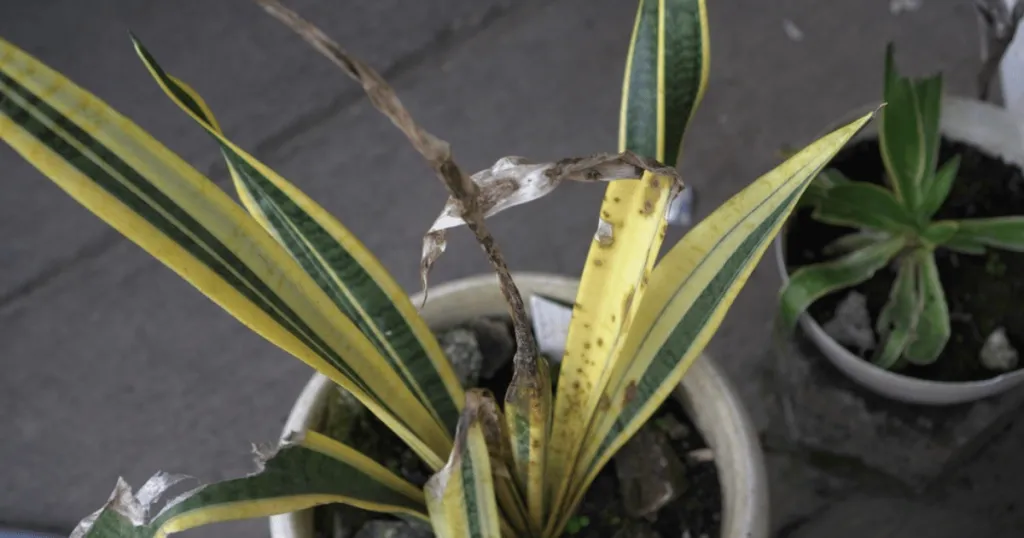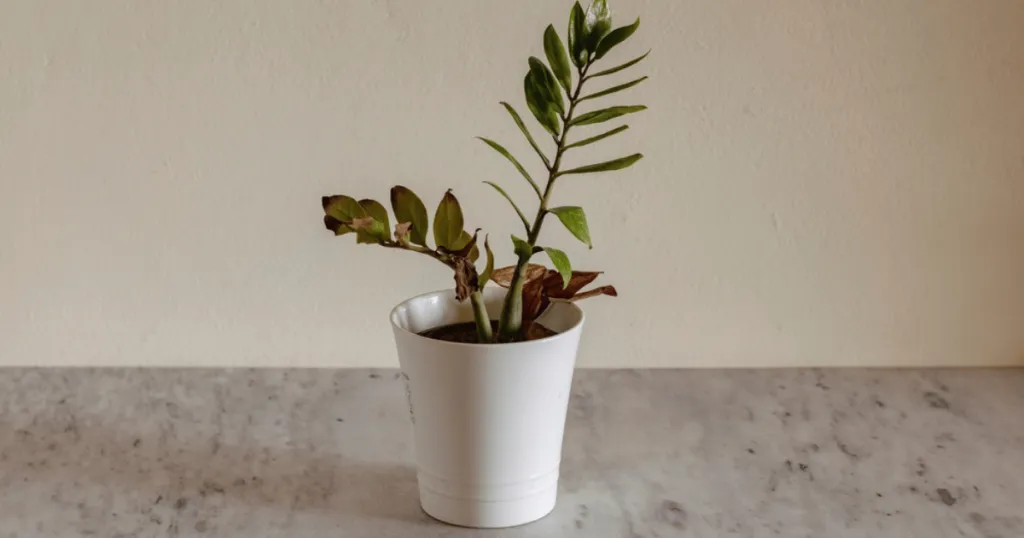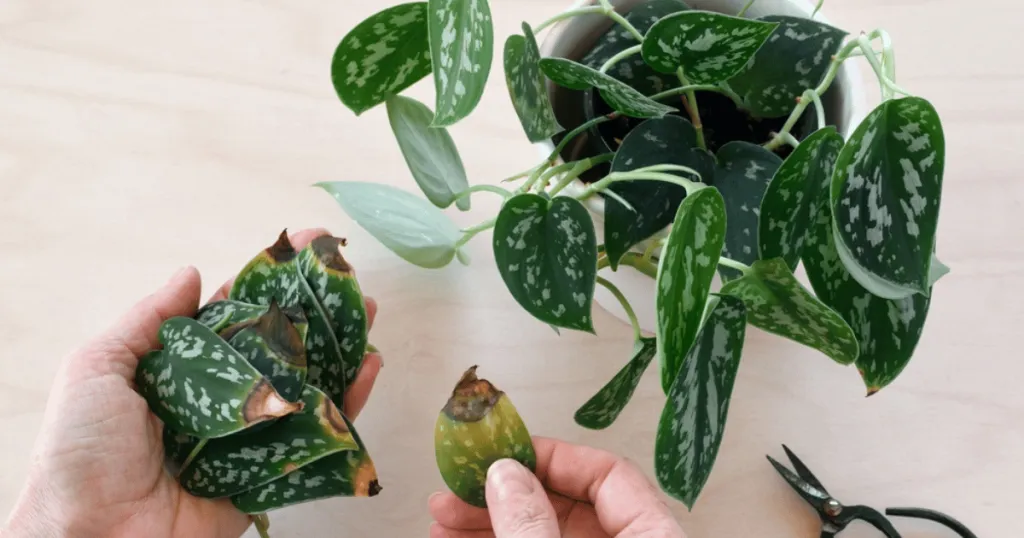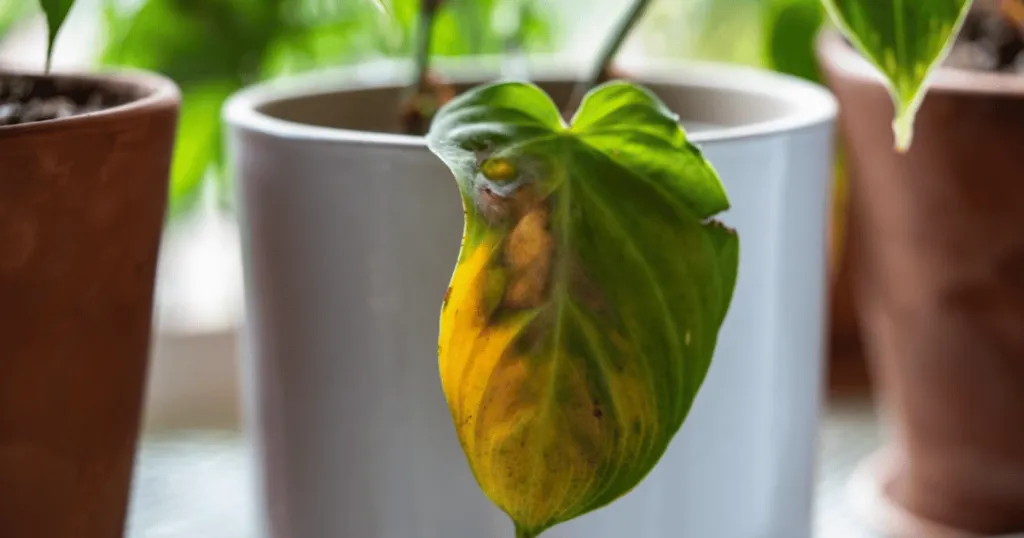
Most Kentia palm problems stem from overwatering or insufficient light. If your plant shows yellowing fronds or mushy stems, adjust your watering frequency immediately. If the tips are brown but the soil is dry, the issue is likely low humidity or inconsistent hydration rather than a disease.
Bottom Line
When you notice your Kentia palm (Howea forsteriana) looking less than its usual elegant self, the first step is to avoid panic. These slow-growing palms are resilient, and most issues in an office environment are directly linked to routine maintenance rather than incurable pathogens. Before you consider repotting or aggressive pruning, assess the two most common culprits: soil moisture levels and the intensity of your office lighting. A healthy Kentia palm is a staple of professional spaces, but it requires a specific balance of care to thrive under artificial conditions.
The most frequent Kentia palm problems often present as discoloration or drooping. By narrowing down the symptoms, you can usually identify the root cause within minutes. If the plant is in a dark corner, it is likely struggling with light deficiency. If the soil remains damp for days, you are likely dealing with root stress. Take a moment to check the top inch of soil, as this simple measurement is the most reliable indicator of your plant’s immediate needs.
Quick Checks for Immediate Intervention
Before assuming the worst, perform a physical assessment of the plant. Start by checking the soil moisture. Use your finger to probe the top two inches of the potting medium. If it feels wet or muddy, stop watering immediately. Kentia palms are susceptible to root rot when left in saturated soil, especially in office environments where air circulation may be lower than in a greenhouse.
Next, inspect the fronds for pests. While Kentia palms are generally hardy, they can attract spider mites or scale in dry, climate-controlled offices. Look for fine webbing between the leaflets or small, brown, bump-like structures on the stems. If you see these, wipe the leaves down with a damp cloth and mild soap solution. This mechanical removal is often enough to manage a minor infestation without resorting to chemical interventions.
Evaluate the light source. If your palm is tucked into a windowless hallway or a deep interior office, it may be experiencing light starvation. While these plants tolerate low light, they do not thrive in it. If the growth has stalled or the fronds are reaching excessively toward a distant light source, consider moving the plant closer to a window or supplementing with a full-spectrum LED grow light.
Symptom-to-Cause Diagnosis
| Symptom | Likely Cause | Action |
|---|---|---|
| Yellowing lower fronds | Natural aging or overwatering | Check soil moisture; if dry, it is normal aging. |
| Brown, crispy leaf tips | Low humidity or inconsistent water | Increase ambient humidity or stabilize watering. |
| Mushy, dark stem bases | Root rot from overwatering | Check roots; prune rot and repot in fresh soil. |
| Stalled growth | Insufficient light | Move to a brighter location. |
| Fine webbing on leaves | Spider mites | Wipe leaves with soapy water; increase humidity. |
Addressing Common Kentia Palm Problems
The most common issue encountered by office managers is the browning of leaf tips. In an office setting, this is rarely a sign of disease. Instead, it is almost always a reaction to the dry, recycled air produced by HVAC systems. Unlike tropical environments, offices often have humidity levels that dip well below what a palm prefers. When the air is too dry, the plant cannot pull enough moisture through its roots to keep the tips of its long, arching fronds hydrated, leading to crispy, brown edges.
To remedy this, avoid the temptation to increase your watering frequency, as this will only lead to root rot. Instead, focus on increasing the humidity around the plant. You can place the pot on a tray filled with pebbles and a small amount of water, ensuring the bottom of the pot does not sit directly in the water. Alternatively, if the plant is in a high-traffic reception area, consider a small, quiet humidifier nearby. Trimming the brown tips is purely for aesthetic reasons; use clean, sharp shears and leave a tiny sliver of brown tissue to avoid cutting into the healthy green leaf, which can cause further stress.
If you encounter yellowing fronds, you must distinguish between natural senescence and overwatering. It is perfectly normal for the oldest, lowest fronds on a mature Kentia palm to yellow and eventually die off as the plant focuses energy on new growth. If only one or two lower fronds are yellowing while the rest of the canopy looks vibrant, this is likely just the plant’s natural life cycle.
However, if multiple fronds across different levels of the plant are turning yellow, or if the yellowing is accompanied by a soft, mushy texture, you are likely overwatering. In this case, pull the plant from its decorative container and inspect the root ball. Healthy roots are firm and light-colored; rotting roots are dark, slimy, and smell musty. If you find rot, you must trim away the damaged roots and repot the plant in fresh, well-draining soil.
Advanced Care and Root Health
When basic adjustments do not resolve the issue, you may need to look at the soil composition. Many office plants arrive in dense, peat-heavy soil that retains too much moisture for a slow-growing palm. If you suspect the soil is staying wet for too long, a repotting session may be necessary. Use a high-quality, well-draining potting mix amended with perlite or coarse sand to improve aeration. This ensures that even if a staff member accidentally waters the plant too frequently, the excess moisture can drain away before it damages the roots.
Another advanced concern is nutrient deficiency. While Kentia palms are not heavy feeders, they do require consistent nutrition to maintain their deep green color. If the fronds appear pale or yellowish but are not showing signs of rot, the plant may be depleted of essential minerals. Use a balanced, water-soluble fertilizer formulated for indoor palms, but apply it at half the recommended strength.
Only fertilize during the active growing season, which typically spans from spring through early autumn. Over-fertilizing in the winter, when growth naturally slows, can lead to salt buildup in the soil, which causes its own set of problems, including leaf burn.
The Role of Workplace Biophilia and Light Management
Kentia palms are prized for their contribution to workplace biophilia, providing a sense of calm and natural beauty in sterile office environments. However, these plants are living organisms that rely on photosynthesis to survive. When a Kentia palm is placed in a windowless conference room, it is essentially starving. While it may look fine for several months due to its slow metabolism, it will eventually show signs of decline, such as thinning fronds or a complete cessation of new growth.
If you cannot provide natural light, consider rotating the plant to a brighter location every few weeks or investing in high-quality LED grow lights that mimic the solar spectrum. This simple change can be the difference between a plant that survives and one that truly thrives.
Navigating Seasonal Shifts in Office Environments
Office environments are notorious for extreme temperature fluctuations, particularly during seasonal transitions. In the summer, air conditioning can create cold, drying drafts, while winter heating systems can turn an office into a desert-like environment. Kentia palms prefer stable temperatures between 60°F and 75°F.
If your plant is located near a vent, it will experience rapid transpiration, leading to leaf tip burn and overall stress. To mitigate this, ensure the plant is at least three to five feet away from any direct airflow. If moving the plant is not an option, consider installing a decorative screen or a small partition to buffer the air current. This simple architectural adjustment can protect the plant from the drying effects of HVAC systems and significantly improve its long-term health.
Prevention Habits for Office Environments
The best way to manage Kentia palm problems is to prevent them through consistent, predictable care. In an office, this often means assigning one person to be responsible for the plant. When multiple people water a plant, it is almost guaranteed to be overwatered. Create a simple check-in schedule, but emphasize that the schedule is a reminder to check the soil, not a mandate to add water. If the soil is still moist, skip the watering for that week.
Positioning is also a critical preventative measure. Keep your Kentia palm away from direct blasts of air from vents or heaters. Rapid temperature fluctuations and drying air currents will stress the plant and make it more susceptible to pests and browning. Aim for a spot with consistent, bright, indirect light. If your office layout makes this difficult, rotate the plant every few weeks so all sides receive equal exposure, which promotes uniform growth and prevents the plant from leaning heavily in one direction.
Finally, keep the leaves clean. Dust accumulation in an office is inevitable, and a layer of dust on the fronds prevents the plant from photosynthesizing efficiently. Every month or so, gently wipe the leaves with a soft, damp cloth. This not only keeps the plant looking professional but also allows you to spot potential pest issues before they become a full-blown infestation. By maintaining a clean, well-lit, and properly watered environment, you can ensure your Kentia palm remains a healthy, long-term feature of your office space.
Related Kentia Palm Guides
FAQ
Is it normal for my Kentia palm to have brown tips?
Yes, it is very common. In office environments, brown tips are usually caused by low humidity from HVAC systems. While it is rarely a sign of a serious disease, you can improve the appearance by increasing local humidity or ensuring the plant is not sitting in a drafty location.
Are Kentia palms toxic to office pets?
According to the ASPCA, the Kentia palm is non-toxic to both cats and dogs. This makes it a safe choice for offices that allow pets or for managers concerned about the safety of animals in the workplace.
How often should I water my Kentia palm?
There is no fixed schedule. Instead, water when the top inch of soil feels dry to the touch. Kentia palms prefer to be slightly on the drier side rather than sitting in consistently wet soil, which can lead to root rot.
Why is my Kentia palm leaning?
Leaning is usually a response to light. The plant is likely reaching toward the strongest light source in the room. To correct this, rotate the pot every few weeks so the plant receives even light exposure on all sides, and consider moving it to a spot with more consistent brightness.