Maintaining office greenery often feels like a constant cycle of dropping leaves and unexpected root rot, especially when you are balancing demanding work schedules with unpredictable indoor environments. The safest starting point before implementing any major care routine is to stop watering on a rigid calendar schedule. Instead, rely on tactile moisture checks in the potting mix to determine actual plant needs. Workplace environments present distinct challenges compared to residential settings, including fluctuating heating and cooling cycles, artificial fluorescent or LED illumination, and extended periods of unattended solitude over weekends and holidays.
By shifting focus from routine maintenance to managing environmental stress points, you can establish a thriving interior landscape in your workspace. This guide outlines practical steps to protect your indoor greenery, address common workspace pitfalls, and ensure your office specimens remain vibrant year-round.
Key Takeaway
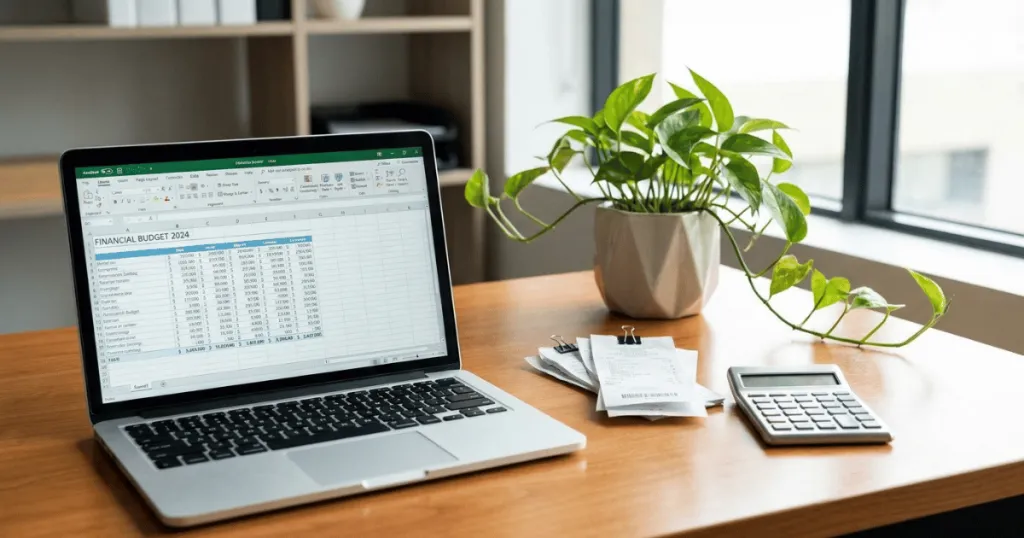
Office plants usually fail from overwatering and poor drainage rather than neglect. Success requires letting soil dry between waterings and matching resilient species like pothos or snake plants to low-light office conditions. When natural light is completely absent, supplementing with broad-spectrum LED desk lamps changes the outcome entirely.
Understanding how to keep office plants alive requires a shift away from residential horticultural habits. While home gardeners often enjoy southern-facing bay windows, high natural humidity, and complete control over ambient temperatures, corporate spaces operate on entirely different metrics. Office workers, facilities teams, and workplace decision-makers must contend with hermetically sealed buildings, constant artificial lighting, and HVAC systems that run on automated timers. Recognizing these boundaries allows you to set realistic expectations for what indoor office plants can achieve without requiring daily attention.
Before You Start
Before bringing new specimens into your workspace or attempting to revive struggling foliage, evaluate the physical realities of your office. A successful indoor garden starts with honest inventory management. You must assess the baseline conditions of your desk, reception counter, or open-plan partition before choosing plant varieties.
A common mistake is selecting plants based purely on visual appeal rather than environmental tolerance. For instance, high-light tropicals placed deep in a windowless interior core will decline rapidly regardless of how carefully you water them. Check whether your workspace features direct window exposure, indirect daylight, or strictly artificial overhead lighting. Note the proximity of heating and air conditioning vents, as constant drafts of conditioned air dry out foliage rapidly and cause premature leaf drop.
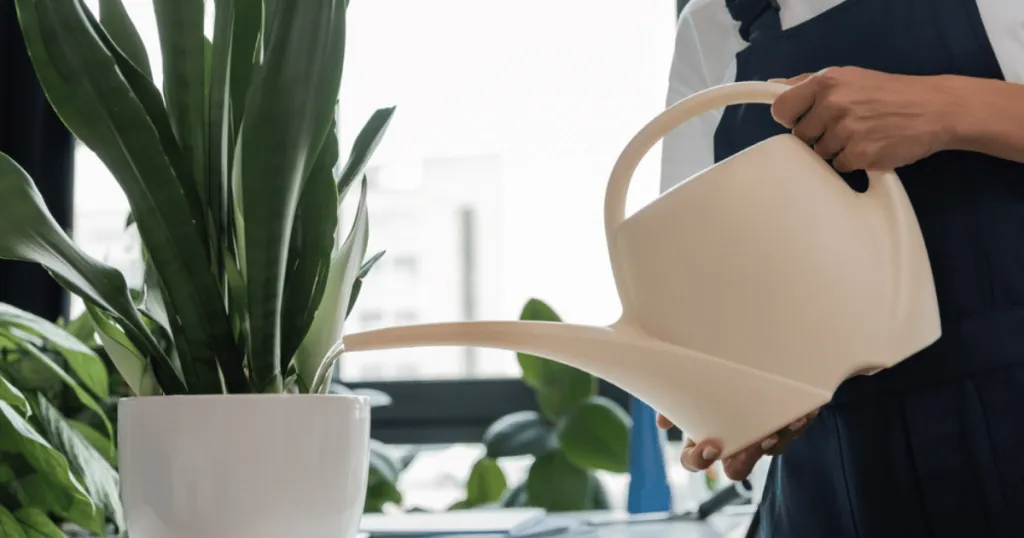
Inspect existing containers for functional drainage holes. Pots without drainage trap standing water at the base, leading directly to root rot and anaerobic soil conditions. If your current containers lack drainage, plan to repot them into nursery liners that can be placed inside decorative cachepots. Gather basic tools including a moisture meter or a simple wooden chopstick to test soil depth, a watering can with a narrow spout for targeted delivery, and a soft microfiber cloth to clean dust from broad leaves.
When evaluating office plant care, take stock of your personal availability. If you travel frequently for work or manage a busy team that keeps you away from your desk for days at a time, prioritize drought-tolerant selections over thirsty ferns or tropical calatheas. Establishing an effective office plant care strategy starts with matching your actual schedule to the biological needs of your greenery.
Assessing Your Office Environment
Understanding your specific workspace microclimate prevents most common plant care failures before they start. Office interiors are heavily managed spaces where variables like humidity, light intensity, and temperature remain relatively stable yet often hostile to delicate living organisms.
Lighting Conditions and Intensity
Evaluate your light source carefully. Most office buildings rely on fluorescent tubes or commercial LED panels. While these fixtures provide enough lumens to sustain low-light tolerant species like ZZ plants or cast iron plants, they lack the broad spectral range of natural sunlight. Position your specimens as close to windows as possible if natural light is available. For interior offices with zero windows, consider investing in dedicated LED grow bulbs for desk lamps to provide adequate photosynthetic energy.
Light intensity in office environments drops off dramatically the further you move away from exterior windows. A desk located ten feet from a window may receive only a fraction of the foot-candles available on the windowsill. When studying how to keep office plants alive, remember that plants do not process light the human eye does. What looks bright to office workers under fluorescent lighting can be perceived as deep shadow by a living leaf. Supplementing with artificial wavelengths designed specifically for plant growth bridges this gap.
HVAC Drafts and Air Movement
HVAC systems strip moisture from indoor air, creating arid conditions that stress tender foliage. Avoid placing plants directly beneath overhead air vents or right next to exterior doors where sudden temperature shifts occur. Dry drafts cause leaf tips to brown and curl, mimicking the symptoms of underwatering even when the soil remains moist.
Air circulation is necessary to prevent stagnant air and fungal issues, but high-velocity directional air from modern heating and cooling vents acts like a hair dryer on plant tissue. Over time, this constant evaporation outpaces the ability of the roots to supply water, leading to crisp edges and stunted development. Setting back a container by just two or three feet can completely remove it from a destructive airflow path.
Step-by-Step Guide On How to Keep Office Plants Alive
Executing a reliable plant care routine in a corporate environment requires consistency and observation. Follow these numbered steps to keep your workplace greenery healthy and resilient.
- Test soil moisture before adding water. Push your finger or a wooden chopstick two inches down into the potting mix. If soil clings to the probe or feels damp, hold off on watering. Only add water when the top layer feels completely dry to the touch.
- Water thoroughly until drainage appears. When it is time to water, apply room-temperature water evenly across the soil surface until it begins to trickle out of the bottom drainage holes. Allow the pot to drain fully in a sink or saucer before returning it to its decorative outer container. Never let a pot sit in standing water.
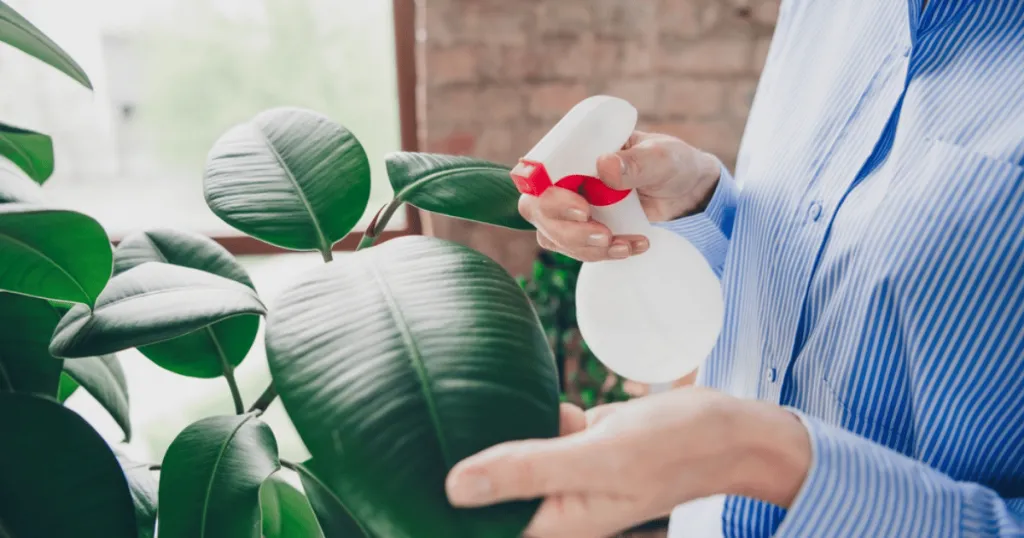
- Clean dust from foliage regularly. Office environments accumulate dust quickly, which settles on broad leaves and blocks microscopic pores needed for gas exchange. Wipe leaves gently every few weeks using a damp microfiber cloth to restore light absorption efficiency.
- Rotate containers periodically. Plants naturally lean toward light sources, leading to lopsided growth patterns. Turn your pots a quarter turn every time you water to ensure balanced exposure across all stems and branches.
- Adjust care routines for seasonal shifts. Office heating systems run heavily during winter months, increasing evaporation rates, while summer air conditioning creates cooler, less humid conditions. Monitor soil dryness more frequently during heating seasons and scale back water frequency during extended company holidays.
Applying these steps systematically removes guesswork from workplace horticulture. By prioritizing tactile testing over arbitrary routines, you align your actions with the actual microclimate of your office desk or reception area.
Common Mistakes to Avoid
Many well-meaning office workers inadvertently harm their indoor greenery through counterproductive habits. Recognizing these pitfalls helps preserve plant health over the long term.
The most frequent error is sipping water, which involves giving plants small splashes of water on a daily or weekly basis. This practice moistens only the top layer of soil, leaving the lower root zone completely dry while encouraging surface mold growth. Always water deeply and infrequently instead.
Another risky shortcut is dumping leftover coffee, tea, or soda into plant containers. Beverages containing dairy, sugar, or high acidity alter soil chemistry, attract pests like fungus gnats, and damage root structures. Stick strictly to plain, room-temperature tap water or filtered water.
Finally, avoid over-fertilizing. Office plants experience slower growth rates due to limited natural lighting and stable indoor temperatures. Feeding them with high-strength chemical fertilizers during low-growth periods causes nutrient salt buildup in the soil, which burns root tips. Limit feeding to half-strength liquid fertilizer applied only during the active spring and summer growing seasons.
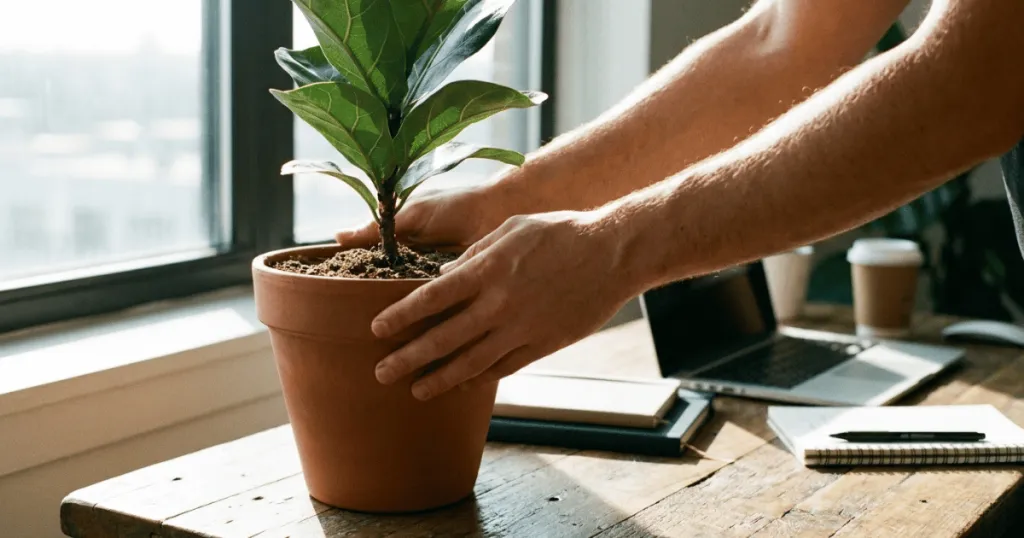
Understanding how to keep office plants alive also means resisting the urge to repot too frequently. Many office specimens actually thrive when slightly root-bound. Moving a plant into an oversized container too quickly increases the volume of soil that stays wet for too long, accelerating root decay.
Troubleshooting Workplace Plant Issues
When visual symptoms appear on your office foliage, use systematic troubleshooting to identify the underlying cause and apply the correct fix.
Yellowing Leaves and Soft Stems
If lower leaves turn yellow, feel mushy, or drop off unexpectedly, overwatering is the primary suspect. Check the root system by gently sliding the plant out of its pot. Healthy roots appear firm and light-colored, while rotted roots look dark, mushy, and emit a musty odor. Trim away decayed roots with sterilized shears and repot the specimen in fresh, well-draining soil.
Crisp Brown Leaf Tips and Edges
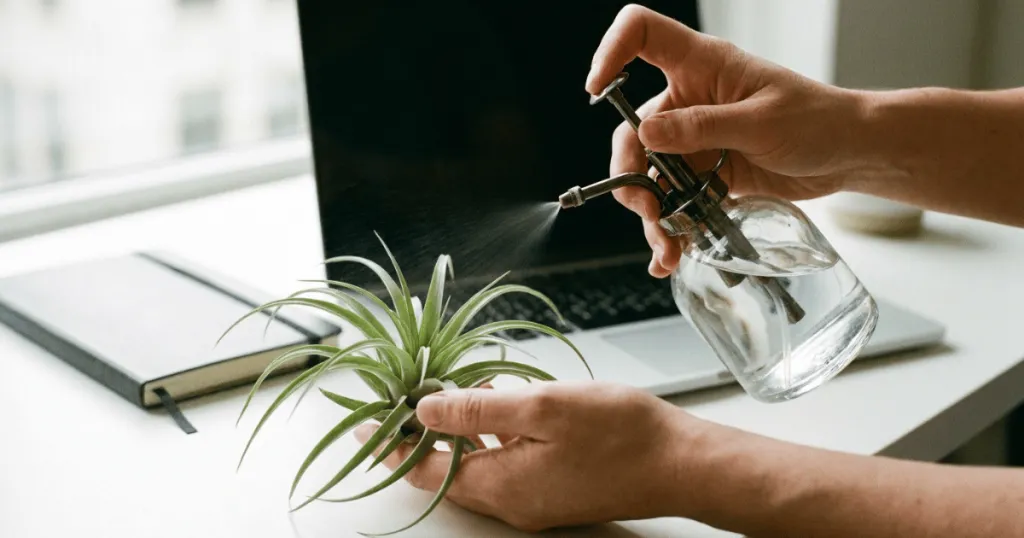
Dry, brittle leaf tips generally indicate low humidity or underwatering. In climate-controlled offices, humidity often drops below comfortable thresholds for tropical species. Grouping plants together creates a localized microclimate with higher humidity, or you can place a small pebble tray filled with water beneath the pot, ensuring the water level stays below the base of the pot.
Stunted Growth and Pale Foliage
If your plant stops producing new leaves and existing foliage looks pale, insufficient light or nutrient depletion is likely to blame. Move the container closer to a window or supplement with an LED desk lamp. If the plant has occupied the same pot for multiple years, gentle repotting into a slightly larger container with fresh potting mix can restore vigor.
By learning to read these diagnostic signals early, you can correct minor environmental imbalances before they threaten the survival of your office greenery. Consistent observation remains your most effective tool for maintaining a vibrant workplace ecosystem.
FAQ
How often should office plants be watered over long weekends or holidays?
Most resilient office species easily tolerate being left unattended for standard three-day weekends without extra preparation. For longer holiday breaks spanning one to two weeks, water thoroughly just before leaving and ensure plants are moved away from harsh south-facing window sills or drafty HVAC vents to minimize moisture loss.
Can office plants survive without any natural sunlight?
Yes, several hardy species like ZZ plants, snake plants, and pothos survive under fluorescent or LED office lighting alone. However, growth will be much slower compared to specimens placed near windows. For dark interior offices, adding a dedicated LED desk lamp provides enough supplementary light to keep them healthy.
What causes tiny flying bugs around office plant soil?
Fungus gnats thrive in consistently damp potting mix. The most effective way to eliminate them is to let the top two inches of soil dry out completely between watering sessions, which disrupts their life cycle. Yellow sticky traps placed near the base of the plant help capture adult gnats.
Should I use plant food or fertilizer in an office setting?
Fertilizing should be done sparingly in offices because lower light levels mean slower growth. Apply a balanced liquid fertilizer at half-strength only during spring and summer. Skip fertilizing entirely during autumn and winter when plants enter dormancy.