Affiliate Disclosure: As an Amazon Associate, I earn from qualifying purchases.
When facility managers and workplace designers look for greenery to place immediately outside corporate entrances, courtyard walkways, or patio break areas, standard interior foliage rarely survives the transition. Outdoor environments expose containerized greenery to rapid temperature shifts, drying wind tunnels, intense solar radiation, and irregular irrigation schedules that quickly destroy delicate indoor specimens. Finding the best plants for office outside environments requires shifting priorities away from pure shade tolerance toward environmental resilience, wind stability, and structural durability.
Before selecting specific species, you must account for the microclimate surrounding your building exterior. Glass facades create intense reflected heat, concrete courtyards trap thermal radiation, and open entryways subject container plants to severe wind shears that topple lightweight pots. The ideal candidates for exterior workplace placement possess thick cuticles, sturdy woody stems, or robust root systems capable of anchoring against adverse weather while maintaining a polished, professional appearance for clients and employees approaching the building.
What You Need to Know
- Outdoor office plants need superior wind and thermal resilience.
- Glass entries create high heat reflection and severe drying.
- Choose heavy containers to prevent tipping in wind tunnels.
- Match species hardiness zones strictly to your local climate.
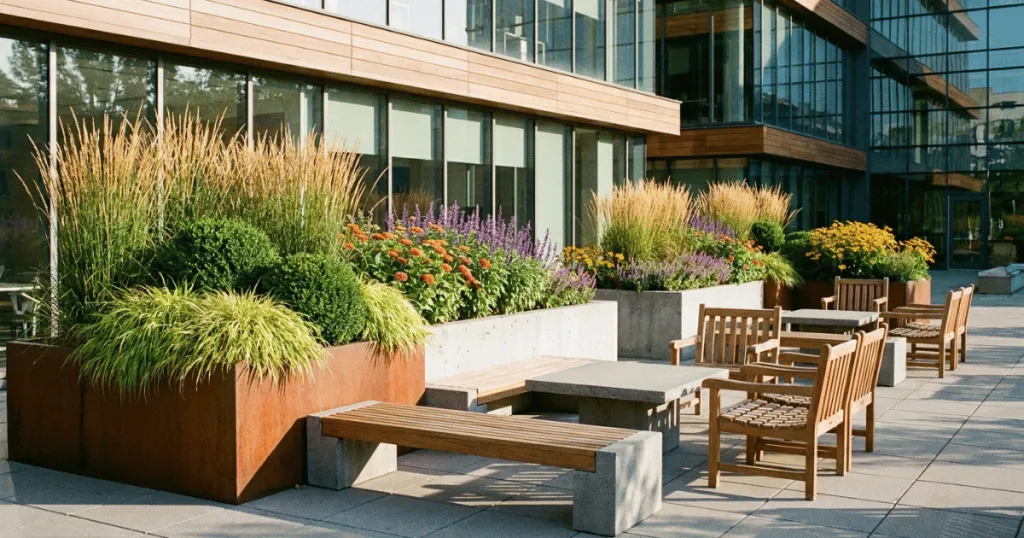
Essential Criteria for Exterior Workplace Greenery
Evaluating plants for an exterior commercial threshold demands a different checklist than selecting a desk fern or a breakroom pothos. The primary enemy of outdoor container plants is not lack of attention, but environmental extremes. Wind speeds accelerate transpiration, meaning foliage loses moisture faster than indoor equivalents can compensate for, especially when commercial HVAC exhaust vents blow nearby. Furthermore, natural precipitation is rarely sufficient for containerized specimens constrained by limited soil volumes.
From an operational standpoint, exterior office plants must also project a clean, manicured aesthetic that aligns with corporate branding. Ragged, wind-torn leaves or broken stems undermine professional impressions before visitors even reach the front doors. Therefore, selection focuses on tough, structural taxa that resist mechanical damage, recover quickly from minor environmental stress, and maintain tight, upright growth habits despite exterior turbulence.
Maintenance logistics also dictate feasibility. Because corporate exterior spaces are rarely visited daily by landscaping crews for hand-watering, chosen species must tolerate intermittent dry spells between automated drip cycles or manual facility staff rounds. Plants with high water storage capacity within stems, roots, or fleshy leaves offer a crucial buffer against sudden heatwaves or missed irrigation cycles during extended holiday weekends.
Top Exterior Selections for Commercial Entryways and Patios
Yucca
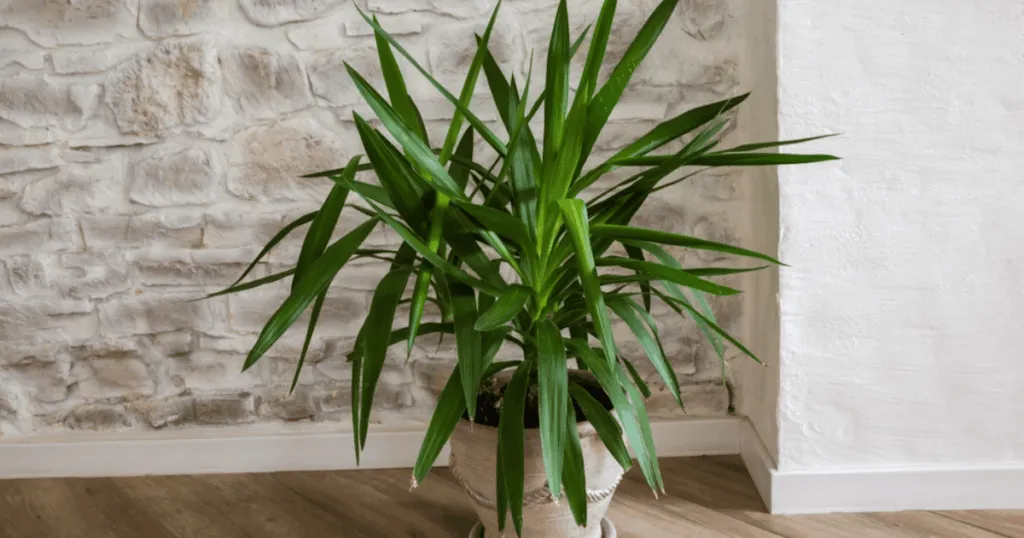
The Yucca is an exceptional choice for exposed building exteriors, parking lot islands, and bright southern-facing entryways where most traditional foliage would scorch. This architectural plant thrives in full, direct sunlight and stores water in sturdy woody stems, making it remarkably drought-tolerant during dry summer weeks. One important consideration for high-traffic walkways is the sharp leaf tips found on certain varieties, which require careful placement away from narrow corridors. In practice, a large single-stem Yucca in a heavy ceramic or concrete planter anchors a corporate entrance with minimal maintenance demands.
When positioning Yucca specimens near glass-heavy corporate lobbies, the intense heat reflection magnifies solar intensity. Fortunately, the stiff, waxy leaves of the Yucca handle this amplified radiation without developing the bleached, scorched patches seen on softer-leaved tropical plants. Facilities teams must ensure, however, that the container soil features high perlite or coarse sand content; saturated potting medium combined with intense exterior sun quickly leads to basal rot.
Rubber Plant
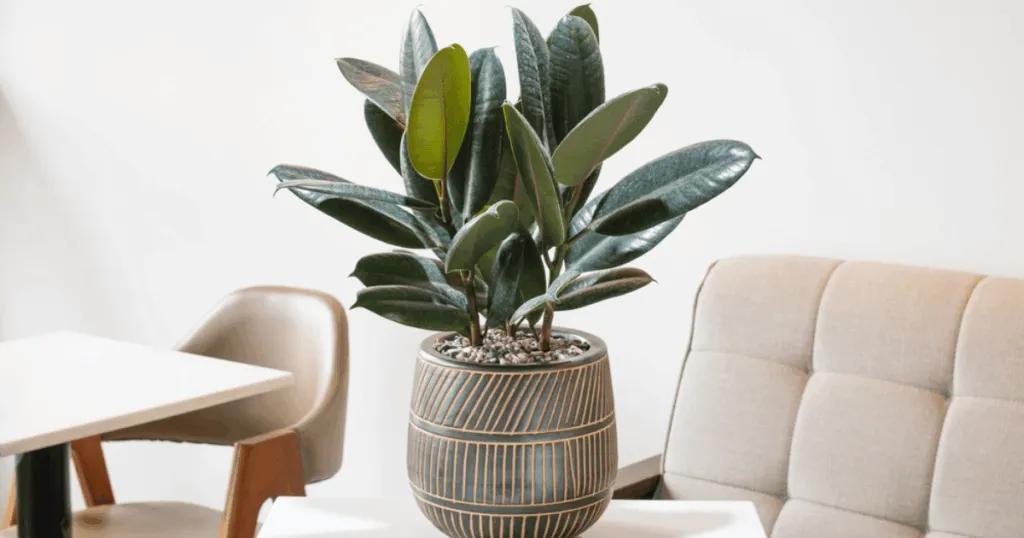
Known scientifically as Ficus elastica, the Rubber Plant brings massive, glossy, leathery leaves to exterior shaded or partially protected patios and covered courtyards. Unlike indoor specimens that stretch toward dim windows, outdoor rubber plants develop exceptionally thick trunks and deep green foliage when exposed to bright indirect exterior light. A common mistake is placing them in unshaded western afternoon sun during peak summer, which can cause leaf scorch. When given a sheltered spot protected from freezing temperatures, this species acts as a striking, low-maintenance statement piece for executive outdoor seating areas.
The structural rigidity of Ficus elastica makes it exceptionally wind-resistant compared to multi-stemmed palms or delicate ferns. Its thick petioles anchor broad leaves securely, preventing the violent shredding that occurs on thinner-leaved species when wind tunnels funnel air around modern high-rise office towers. Pruning is rarely necessary except to remove lower leaves as the woody trunk naturally elongates, keeping the clean line of the corporate entryway intact.
Schefflera
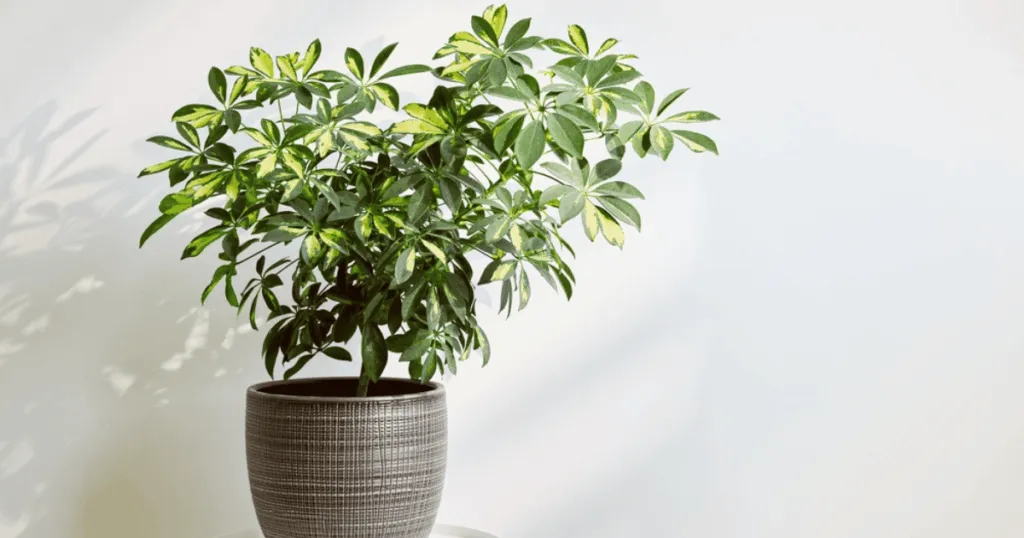
Often called the Umbrella Tree, Schefflera adapts remarkably well to protected exterior office patios, balconies, and shaded breezeways. The glossy, finger-like compound leaves create a dense, tropical canopy that resists moderate wind better than broad-leaved single foliage plants. This species handles irregular watering schedules well once established in a container, though it requires prompt relocation or frost protection if local winter temperatures drop near freezing. For exterior architectural niches that receive bright indirect light rather than scorching direct sun, Schefflera delivers reliable visual weight.
Workplace designers frequently choose Schefflera for shaded courtyard seating blocks where employees gather during lunch breaks. Its dense canopy offers a lush, organic contrast to stainless steel and glass architectural elements. Facilities staff must monitor drainage closely during heavy seasonal rains, as container saucer pooling can cause root suffocation if overflow paths are blocked by fallen debris.
Snake Plant
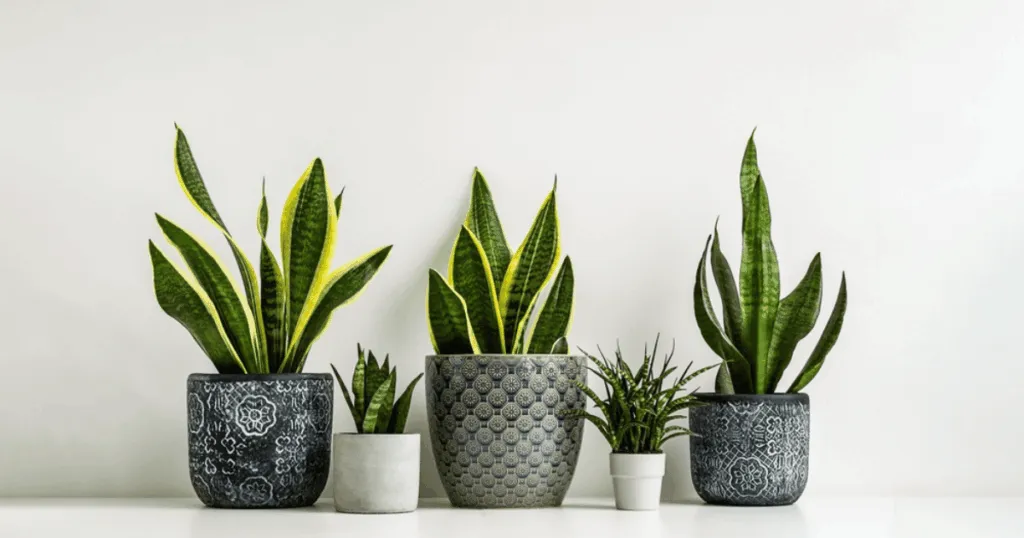
While frequently deployed indoors, the upright architectural silhouette of Sansevieria makes it a surprisingly effective choice for sheltered outdoor courtyards and covered exterior entries in warm climate zones. Its stiff, vertical leaves resist wind damage entirely, and its thick succulent tissues allow it to withstand extended periods without supplemental watering from facilities staff. The primary restriction is cold sensitivity, as freezing temperatures turn the cellular structure to mush. When used in portable containers that can be rolled indoors during winter freezes, it provides a sleek, modern exterior boundary marker.
In practice, Sansevieria serves well in narrow entryway corners where wider shrubs would block pedestrian traffic flow. Its narrow footprint and striking vertical geometry draw the eye upward, complementing modern building signage and architectural facades. Because it requires very infrequent watering, it eliminates the risk of over-irrigation runoff staining expensive marble or stone entryway paving stones.
Cast Iron Plant
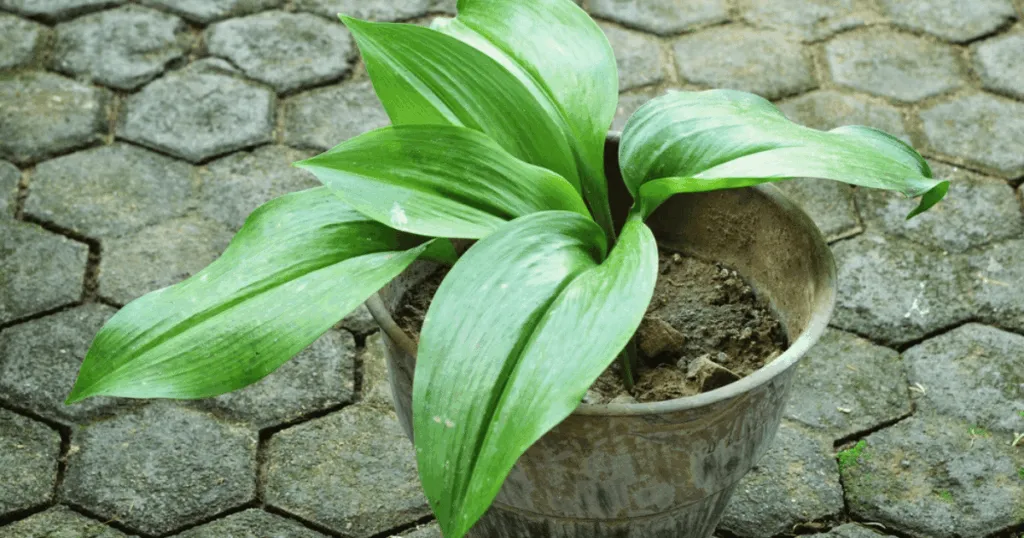
For deeply shaded exterior north-facing entryways, courtyards, or under-stair patio zones where sunlight rarely reaches, the Cast Iron Plant lives up to its legendary reputation for toughness. It tolerates deep shade, neglected irrigation routines, and minor temperature fluctuations better than almost any other containerized green option. While it lacks the flashy color of tropical annuals, its dark green, lance-shaped leaves maintain a calm, professional backdrop year-round in mild-winter regions. Avoid placing it in direct afternoon sun, which washes out the rich green pigment and burns the foliage edges.
For office parks with heavy architectural overhangs that block natural sky illumination entirely, Aspidistra elatior provides a living element where flowering species would quickly wither and die. Its slow growth rate means maintenance teams do not have to spend labor hours constantly trimming overgrown foliage away from security cameras, doors, or emergency egress routes.
Ponytail Palm
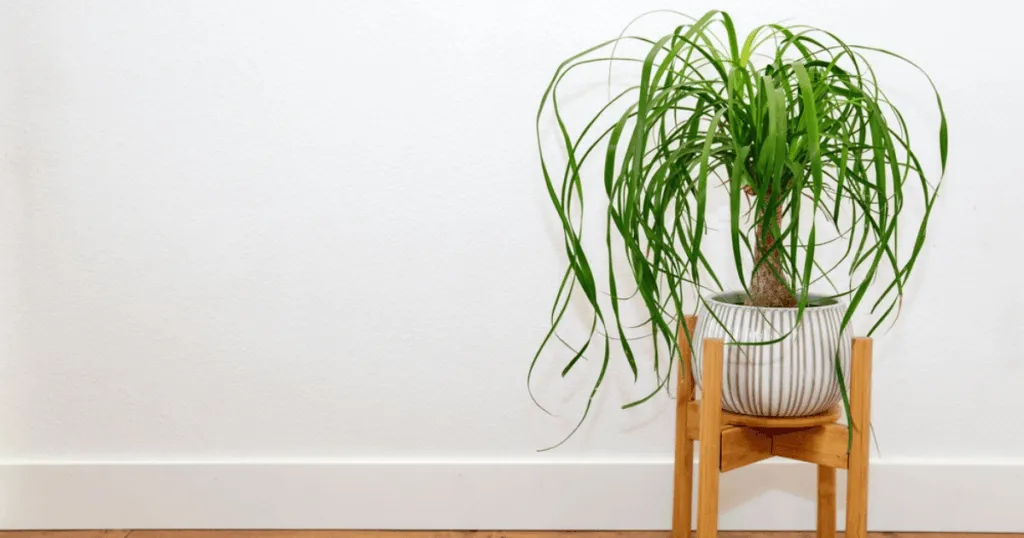
Despite its common name, the Ponytail Palm is actually a succulent with a distinct swollen trunk base known as a caudex that stores moisture through dry spells. This architectural feature makes it exceptionally forgiving if weekend watering is missed on corporate patios or rooftop terrace installations. It demands bright light and excellent soil drainage to prevent root rot during heavy seasonal rainfall. The cascading, ribbon-like leaves soften the harsh concrete lines of modern office hardscaping while demanding very little hands-on management from facilities teams.
The striking caudex acts as an effective conversational focal point in executive patio settings. Unlike traditional palms that demand high humidity and constant moisture, the Ponytail Palm thrives in dry, sun-drenched outdoor environments, making it a favorite for corporate buildings located in arid or semi-arid climates.
Strategic Placement and Environmental Management
Positioning greenery outside an office building involves managing severe microclimate challenges that do not exist indoors. Wind tunnels created by modern architecture can generate high-velocity drafts that strip moisture from leaves and destabilize containers. Using heavy, wide-based planters made of fiberglass, concrete, or dense terra cotta prevents tip-overs during storms. Additionally, pairing plants with similar moisture requirements within multi-pot groupings simplifies manual watering routines for building maintenance staff.
Lighting exposure also dictates long-term success. South- and west-facing exterior walls reflect intense heat and sunlight, requiring drought-tolerant succulent species like Yucca or Ponytail Palm. Conversely, north-facing entryways and deep architectural overhangs create heavy shade conditions, making Cast Iron Plant or protected Schefflera specimens the only viable options. Assessing these environmental variables before purchasing plants prevents premature replacement and ensures consistent workplace curb appeal.
Drainage management remains an operational priority. Exterior containers exposed to wind-driven rain can quickly become waterlogged if drain holes clog with fallen leaves or debris. Facilities managers should elevate planters slightly using pot feet or rubber pucks to ensure unobstructed water exit paths, preventing root rot and protecting building surfaces from rust or water stain runoff.
Limitations, Trade-Offs, and Climate Constraints
Exterior office greenery is subject to environmental variables that interior managers rarely face, most notably seasonal temperature swings and freezing weather. Most tropical and subtropical office plants cannot survive winter frost without being moved indoors or protected by heated structures. Facilities operating in USDA hardiness zones with freezing winters must treat outdoor greenery as seasonal investments or commit to moving heavy containers inside during sub-freezing events.
Another major trade-off involves irrigation management. Unlike indoor pots protected from the elements, outdoor containers are subjected to rapid drying from wind and sun, followed by potential waterlogging during heavy rainstorms if drainage holes clog with debris. Ensuring that exterior planters feature adequate drainage capacity and premium, fast-draining potting media is non-negotiable. If your building lacks a dedicated exterior water spigot or automatic drip irrigation line, selecting ultra-resilient, drought-tolerant species becomes essential to prevent plant failure due to neglected watering schedules.
Pest pressures also escalate outdoors. While indoor office plants rarely encounter aphids, scale, or spider mites in high numbers due to sterile HVAC environments, exterior balcony and patio plants are exposed to local insect populations. Facilities teams must periodically inspect foliage and apply appropriate horticultural controls before infestations compromise the professional appearance of the entrance landscape.
FAQ
Can I use standard indoor office plants outside during the summer months?
Many indoor plants tolerate warm outdoor conditions, but moving them directly into bright sun causes severe leaf scorch. You must gradually acclimate them to higher light levels over a two-week period.
How do I prevent outdoor office planters from blowing over in wind tunnels?
Use heavy materials like concrete or thick terra cotta for containers, and place a layer of heavy gravel at the base of the pot to lower the center of gravity.
What should I do with exterior office plants when winter temperatures drop below freezing?
Non-hardy tropical species must be moved indoors or into protected glass vestibules before the first hard freeze to prevent permanent cellular damage and plant death.
Why are the leaf tips turning brown on my outdoor patio plants?
Wind exposure accelerates moisture loss faster than roots can absorb water, resulting in dry, brown tips. Increasing watering frequency or relocating the plant to a wind-sheltered spot usually resolves this issue.