Affiliate Disclosure: As an Amazon Associate, I earn from qualifying purchases.
Finding plant life that survives fluorescent office lighting, weekend neglect, and dry heating vents is a frequent challenge for workplace managers and desk workers. When evaluating the best houseplants for office desks, reception counters, and conference rooms, durability under low light and irregular watering schedules matters far more than delicate foliage or rapid growth. Office interiors present distinct environmental pressures that differ sharply from domestic sunrooms or outdoor gardens, requiring species selected specifically for artificial illumination and stable indoor temperatures.
Choosing resilient greenery transforms stark workspaces into calming professional environments without creating constant maintenance burdens. Whether you manage a sprawling open floor plan with filtered natural light or sit in a windowless cubicle illuminated solely by overhead LEDs, successful indoor planting depends entirely on matching the right botanical species to your specific microclimate. Below, we break down the top botanical choices, essential care adjustments for commercial buildings, and practical decision rules for selecting durable greenery that thrives indoors.
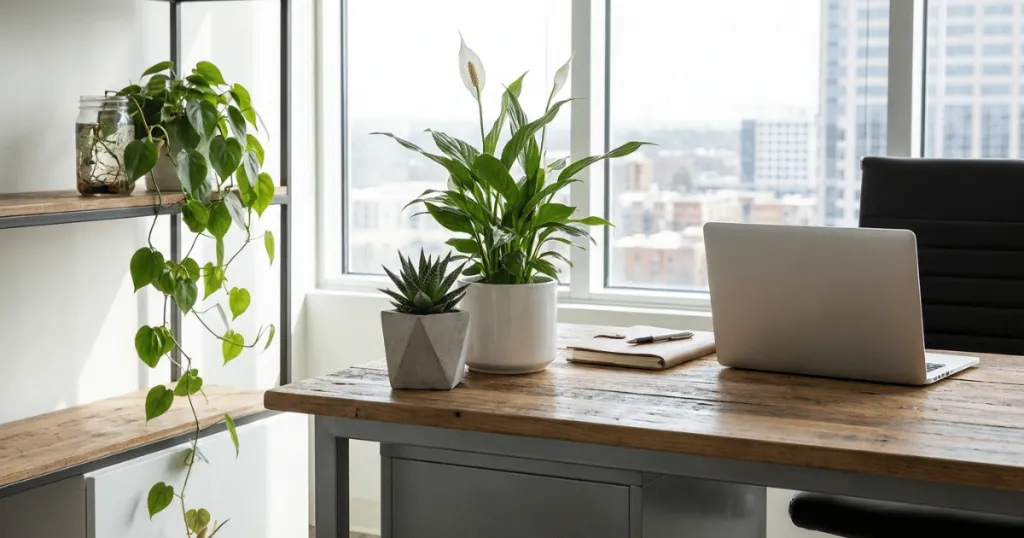
Environmental Realities of Indoor Workspaces
Office buildings are engineered for human comfort rather than botanical growth. Understanding these artificial constraints helps explain why certain popular foliage plants struggle while others thrive for years with minimal intervention.
Lighting Conditions and Artificial Illumination
Natural sunlight is rarely abundant away from perimeter windows. Most commercial environments rely heavily on fluorescent tubes or LED panels. While plants can adapt to these artificial light sources, photosynthetic rates drop significantly compared to outdoor settings. Selecting species with low light tolerance ensures leaves maintain their pigmentation and structural integrity instead of stretching out leggy stems in search of photons.
When assessing desk plants low maintenance requirements, matching the lumen output of overhead fixtures to the light compensation point of the chosen species is critical. If office lights remain switched off during weekends or late nights, verify that ambient natural light bleeding through glass partitions is sufficient to sustain basal metabolism. In deep interior core zones where sunlight never penetrates, true shade-adapted specimens are mandatory to prevent premature leaf drop.
HVAC Airflow and Humidity Fluctuations
Central heating and air conditioning systems circulate dry air continuously, stripping moisture from plant leaves faster than standard residential environments. Furthermore, direct drafts from overhead vents can cause rapid wilting or tip browning. Hardy office varieties feature thick cuticles or fleshy tissue that resists moisture loss, helping them withstand fluctuating indoor humidity levels.
To mitigate the drying effects of HVAC airflow management, position containers away from direct register blasts. The localized microclimate around a computer terminal often features higher radiant heat from monitors and cooling fans, which can accelerate transpiration. Creating a buffer zone or selecting resilient office plants low light survivors that naturally buffer tissue hydration prevents the crispy leaf margins commonly seen in corporate settings.
The Weekend Neglect Cycle
Office plants often endure five consecutive days of attention followed by two full days of total abandonment. Species prone to dramatic collapse during a missed watering are poor candidates for corporate environments. The best performers tolerate dry soil intervals and bounce back quickly when regular watering resumes on Monday morning.
This operational cadence requires a distinct mindset compared to home gardening. Workplace vegetation must function reliably within strict operational calendars. If an administrative team is away for an extended company closure, resilient specimens will simply enter a semi-dormant holding pattern rather than perishing from sudden drought stress.
Top Botanical Candidates for Indoor Workplaces
Certain species consistently outperform others under commercial conditions. These plants withstand irregular maintenance, limited illumination, and fluctuating indoor temperatures while retaining an attractive appearance.
Snake Plant Adaptability
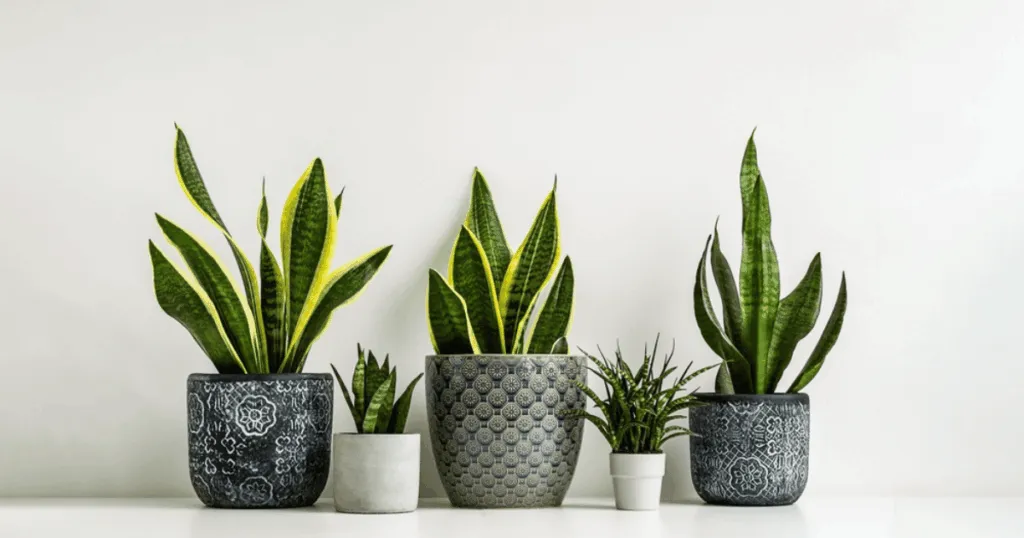
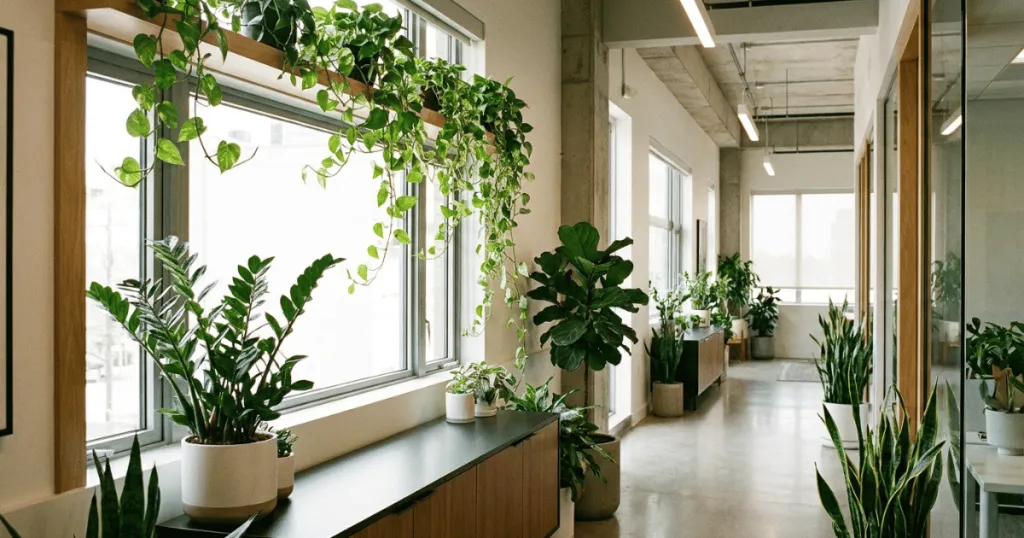
The snake plant, botanically known as Sansevieria or Dracaena trifasciata, stands out as an exceptionally tough candidate for windowless offices. Its upright, architectural leaves store substantial water, allowing the plant to survive weeks between irrigation cycles. Snake plants tolerate dim corners and artificial fluorescent light with ease, making them ideal floor specimens for dark office corridors or empty corners.
In practice, office plants low light needs are easily met by the snake plant’s crassulacean acid metabolism, a specialized carbon fixation pathway that allows stomata to open at night to minimize daytime moisture loss. This physiological adaptation makes it uniquely suited for environments with erratic humidity and variable indoor air quality.
ZZ Plant Resilience
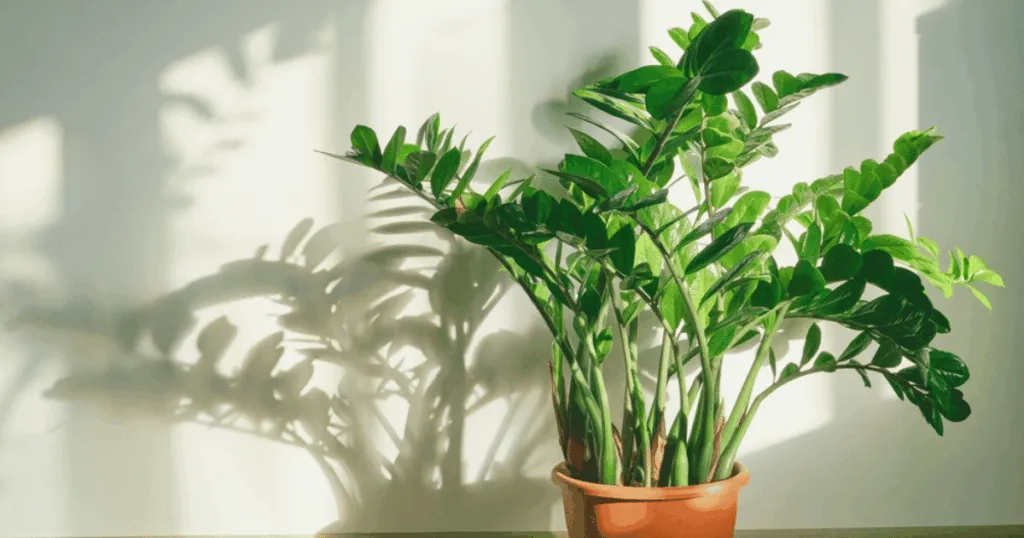
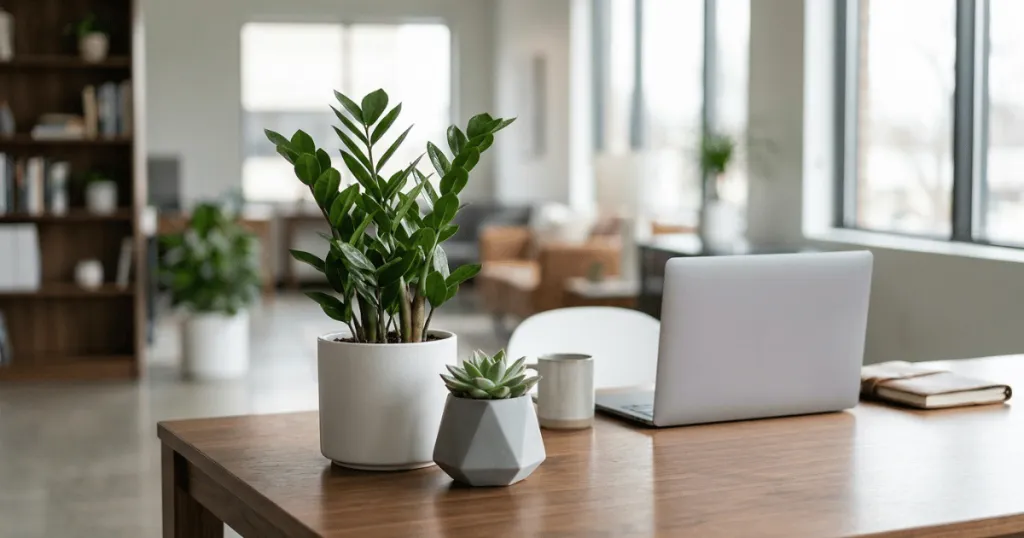
Zamioculcas zamiifolia, commonly called the ZZ plant, features glossy, dark green leaves attached to thick subterranean rhizomes that store moisture efficiently. This species handles low light exceptionally well and forgives inconsistent watering habits. A ZZ plant placed on a shared administrative desk requires very little attention to look vibrant year round.
The structural advantage of underground rhizomes means the plant can withstand severe drying without permanent root damage. When looking for the best indoor plants for work settings where watering schedules frequently slip minds, the ZZ plant provides unmatched reliability and structural symmetry.
Pothos Versatility
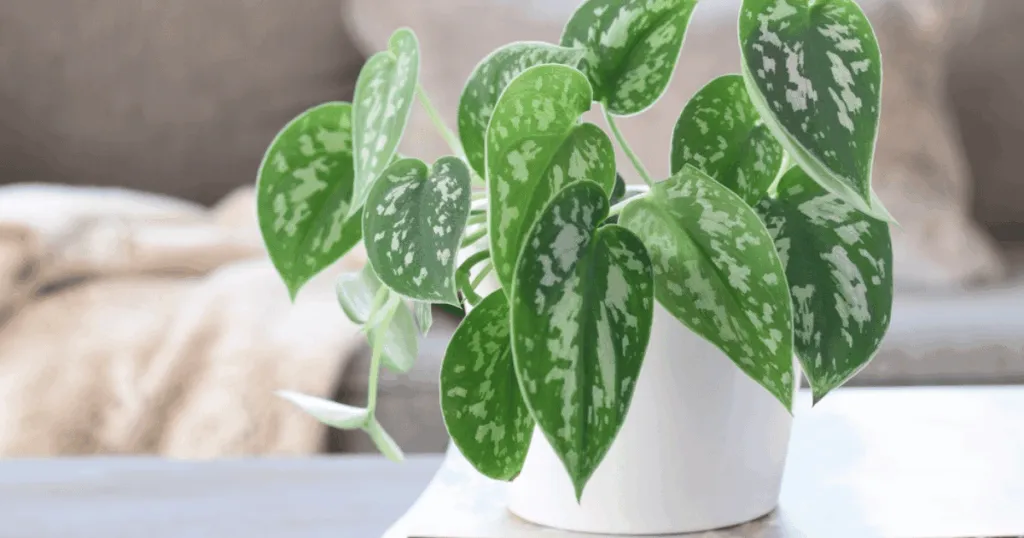
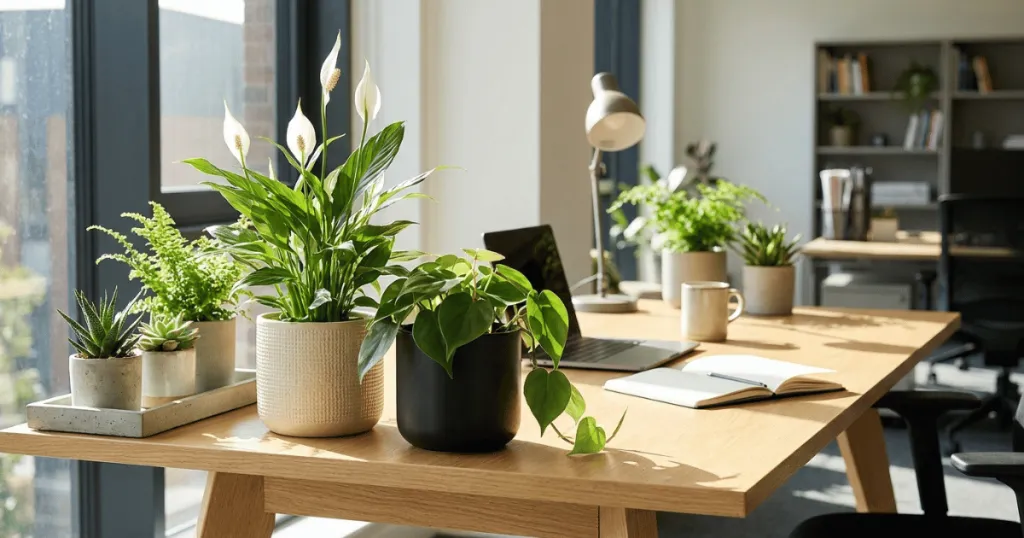
Epipremnum aureum, or pothos, provides cascading green vines that soften hard cubicle partitions or fill high bookshelves. Pothos adapts readily to fluorescent lighting and signals its watering needs clearly through mild drooping before recovering rapidly upon hydration. This visual feedback loop makes it a forgiving option for first time plant owners in shared office spaces.
While pothos vines can become lengthy over time, simple pruning maintains a compact, bushy form suited for desk surfaces. Their rapid root development in water also allows facility teams to easily propagate new cuttings to fill out empty workspaces across the floor plan.
Cast Iron Plant Toughness
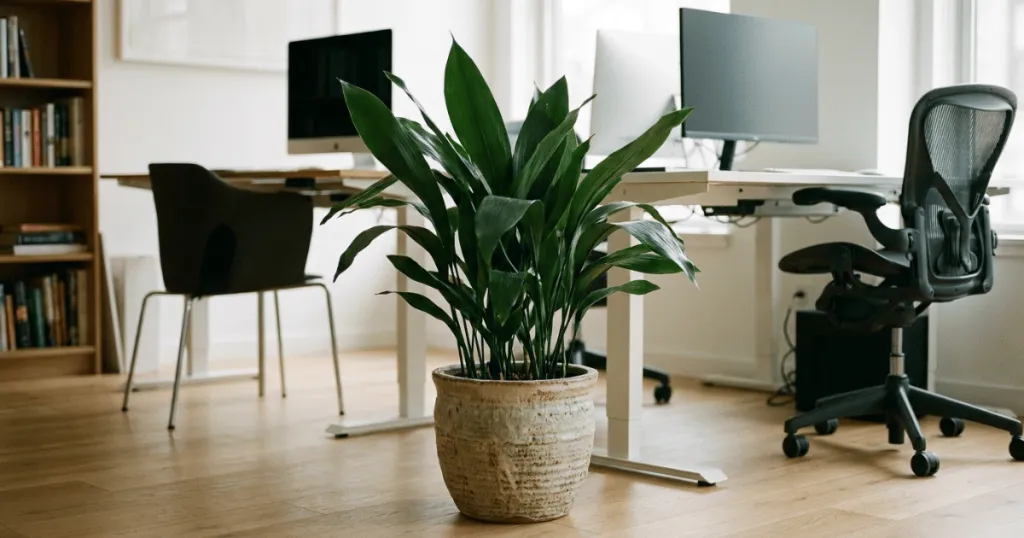
Aspidistra elatior earns its name through sheer endurance. It tolerates deep shade, infrequent watering, low humidity, and variable indoor temperatures without dropping leaves. For dark reception desks or interior meeting rooms lacking windows, the cast iron plant offers reliable, lush green texture.
Its dark green, lance-shaped leaves withstand accidental physical brushing from passing foot traffic far better than delicate ferns or thin-leaved palms, reducing wear and tear in high-traffic corridors.
Practical Care Guidelines for Commercial Environments
Managing indoor greenery successfully requires abandoning outdoor gardening habits. Office settings demand specific adjustments regarding moisture, soil composition, and cleaning routines.
Watering Discipline and Moisture Meters
Overwatering remains the single most common cause of plant decline in offices. Because evaporation rates are low under climate control, soil stays damp longer than expected. Always check soil moisture a few inches down before adding water. Utilizing a physical moisture meter eliminates guesswork, ensuring you only water when root zones actually dry out.
Relying on a strict calendar date for watering is a frequent pitfall. Instead, evaluate the moisture level relative to seasonal changes in the building’s heating and cooling cycles. A soil mix that dries out in four days during peak summer air conditioning might take fourteen days to dry out during winter heating reductions.
Dust Removal and Light Absorption
Office dust settles continuously on broad leaves, blocking microscopic pores and reducing photosynthetic efficiency. Wiping foliage gently with a damp microfiber cloth every few weeks restores light absorption capacity and keeps plants healthy under artificial office lighting.
Accumulated particulate matter not only dims the aesthetic appeal of office plants low light selections but also encourages pest infestations like spider mites by choking natural leaf defenses. Incorporating a quick wipe-down into routine office cleaning checklists protects plant health.
Drainage Protocols and Saucer Management
Never allow potted plants to sit in standing water inside decorative cachepots. Excess water pooling at the base rots roots within days. Ensure containers feature functional drainage holes, or use inner nursery pots that allow you to empty runoff water promptly into a sink.
When designing an indoor office greenery layout, select cachepots with sufficient clearance below the inner pot or empty saucer trays thirty minutes after watering. This prevents root asphyxiation and keeps office desks free from messy water stains.
Decision Framework for Selecting Your Office Greenery
When evaluating which plant to introduce to your workspace, evaluate your specific environmental constraints rather than choosing purely based on aesthetics.
- Assess the Light Source: If your desk sits under a windowless fluorescent grid, restrict your choices to low light tolerance species like snake plants or ZZ plants.
- Evaluate Maintenance Responsibility: If plant care falls on a busy team rather than a dedicated facilities crew, prioritize drought tolerant options that tolerate missed watering schedules over weekends.
- Check Physical Space Constraints: Match the mature growth habit of the plant to your desk footprint or floor space to avoid obstructing walkways or computer monitors.
- Consider Container Weight: Choose lightweight fiberglass or resin planters for large floor specimens that may need occasional repositioning by office staff.
By prioritizing environmental tolerance and practical care requirements, you can establish a thriving indoor ecosystem that enhances your workplace for years to come without demanding constant oversight.
FAQ
How do fluorescent office lights affect indoor plant growth?
Fluorescent bulbs provide sufficient light spectrum for low light tolerant species to survive, though photosynthesis occurs at a slower rate than under natural sunlight. Plants placed directly under overhead office fixtures rarely burn, but those tucked into deep corners far from bulbs may require supplemental full spectrum desk lamps to maintain healthy growth.
What is the most common mistake made when caring for office plants?
The most frequent error is overwatering. Because office workers often follow rigid weekly schedules, they may add water automatically without checking whether the soil is actually dry. In climate controlled indoor spaces with low evaporation rates, constant moisture suffocates roots and leads to rapid decline.
Can office plants survive extended holiday closures without water?
Hardy office varieties like snake plants, ZZ plants, and cast iron plants easily endure two to three week holiday closures without irrigation. Thoroughly watering these species just before a long break, combined with moving them slightly away from hot or cold draft vents, ensures they remain healthy until staff return.