Affiliate Disclosure: As an Amazon Associate, I earn from qualifying purchases.
Finding greenery for a windowless workspace requires a shift in how we think about plant needs. In a typical office, the primary challenge is not just the lack of direct sunlight, but the combination of artificial lighting, fluctuating HVAC airflow, and the reality of weekend neglect. Many plants marketed for home use struggle when they cannot access natural light or consistent humidity, leading to leggy growth or premature leaf drop. The best small plants for office desk with no windows are those that have evolved to thrive in the understory of forests or in stable, low-light conditions, making them exceptionally resilient to the constraints of a cubicle or interior office.
Before selecting a plant, it is essential to assess the actual light levels at your desk. Even without a window, your workspace likely features overhead fluorescent or LED fixtures. While these are not a substitute for the sun, they provide enough energy for specific, shade-tolerant species to maintain their health. Focus on plants that prioritize foliage over flowering, as the latter requires light intensities rarely found in interior office spaces. By choosing species that tolerate lower light and drier air, you ensure your desk greenery remains a source of visual calm rather than a maintenance burden.
What You Need to Know
- Artificial light is sufficient for many shade-tolerant species.
- Avoid overwatering, as low-light plants drink significantly less.
- Prioritize foliage plants over flowering varieties for better success.
- Rotate pots occasionally to ensure even light exposure.
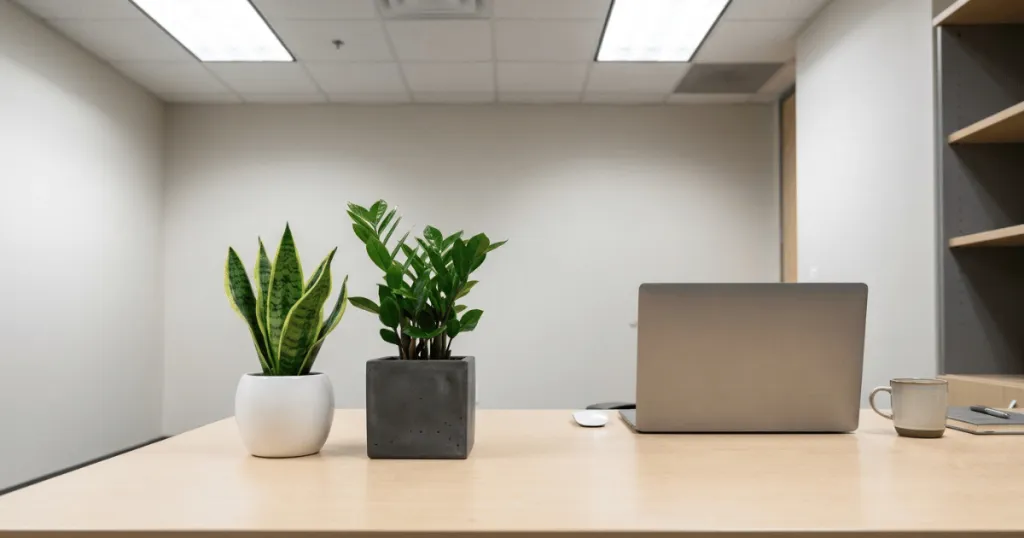
The Top Choices Of Small Plants for Office Desk with No Windows
Snake Plant
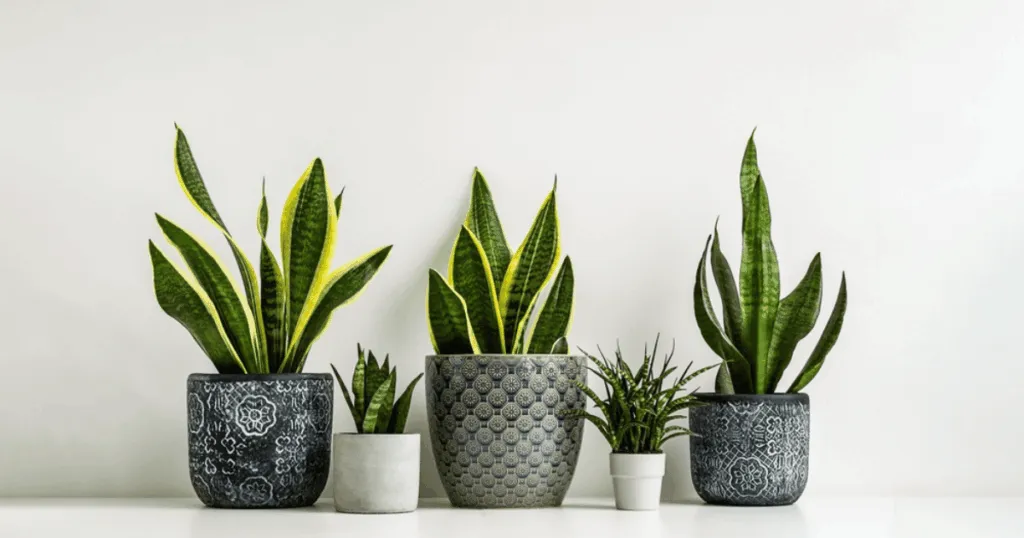
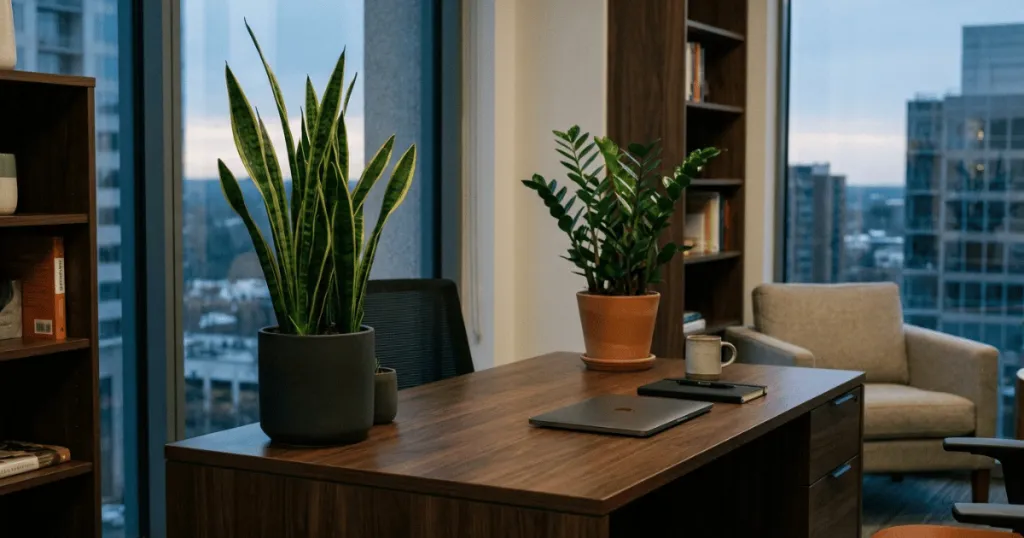
The Snake Plant is arguably the most reliable choice for an interior office. It is incredibly forgiving of irregular watering schedules, which makes it perfect for those who might forget their plant during a busy week or a long weekend. Its vertical, architectural leaves take up very little horizontal space, leaving your desk surface clear for work. Because it stores water in its thick, succulent-like leaves, it is highly resistant to the dry air common in HVAC-controlled buildings. Note that while it is one of the most forgiving office plants, overwatering is the primary risk; always ensure the soil is completely dry before adding more water.
ZZ Plant
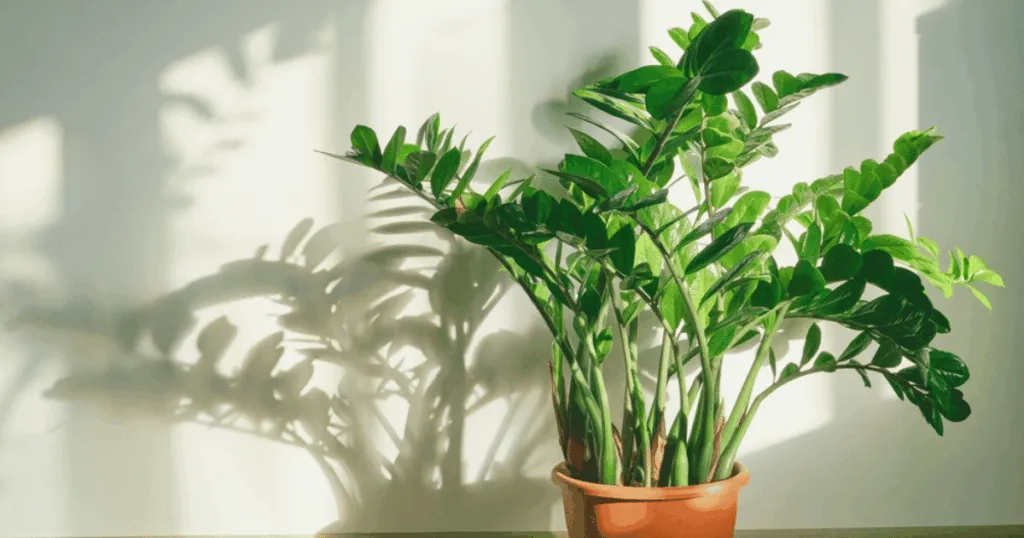
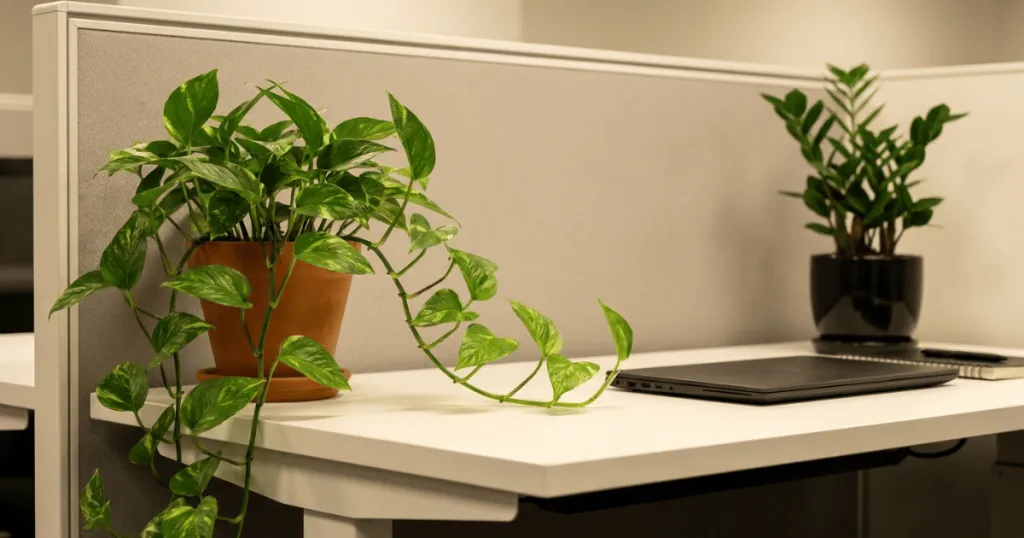
If you are looking for a plant that thrives on neglect, the ZZ plant is an excellent candidate. It features glossy, dark green leaves that look polished and professional in any office setting. It is particularly well-suited to windowless offices because it is highly efficient at photosynthesizing under low-intensity artificial light. It grows slowly, meaning you will not have to worry about it outgrowing your desk space anytime soon. Like the Snake Plant, it uses rhizomes to store water, making it exceptionally drought-tolerant.
Cast Iron Plant
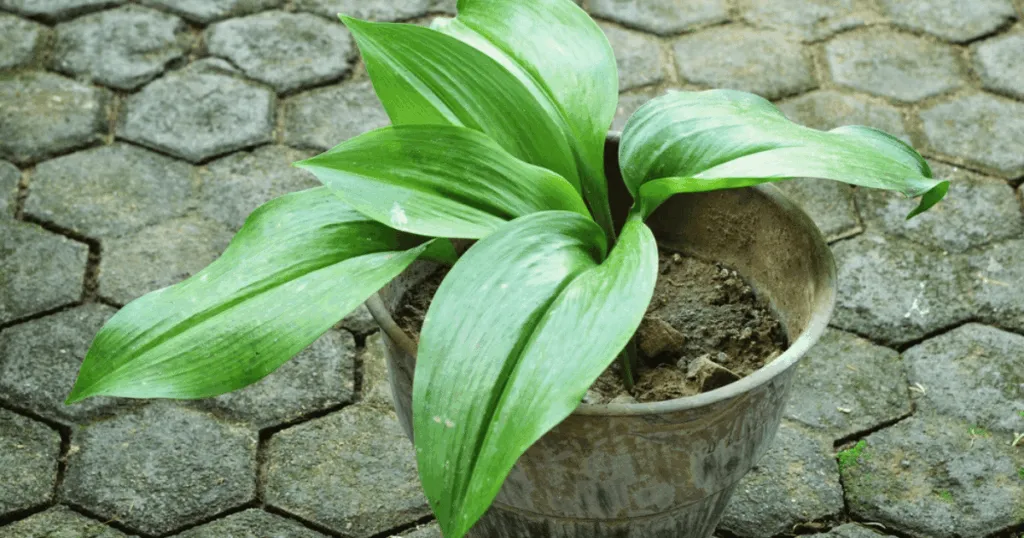
True to its name, the Cast Iron Plant is nearly indestructible. It has a long history of being used in dim Victorian hallways and lobbies, making it a natural fit for modern offices without windows. It prefers to be left alone and actually dislikes being over-pampered. Its wide, deep green leaves provide a lush, organic feel that helps soften the harsh lines of office furniture and cubicle walls. It is one of the most neglect-tolerant office plants available, making it a low-stress addition to any desk.
Chinese Evergreen
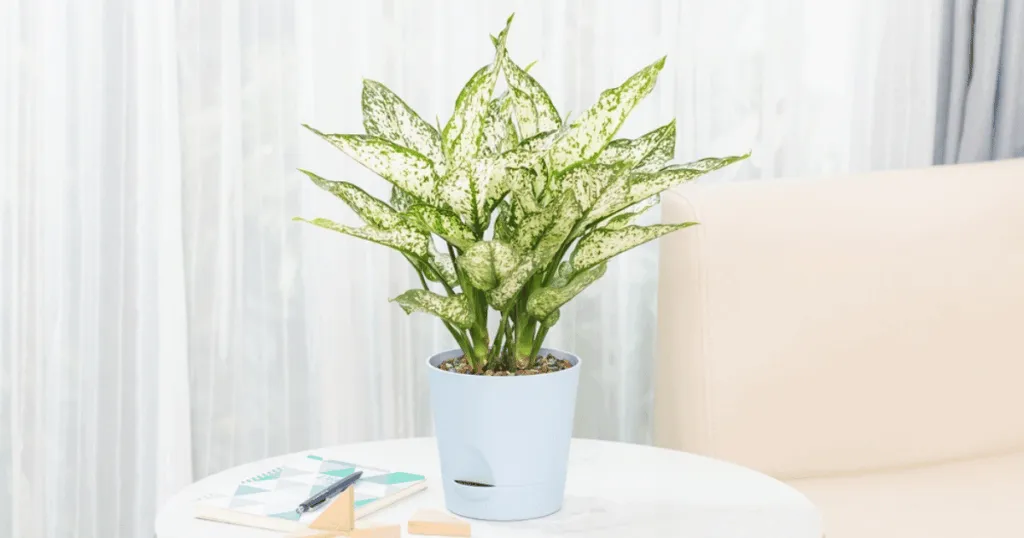
For those who want a bit of color, the Chinese Evergreen offers a variety of leaf patterns, including splashes of silver, white, or light green. It is one of the most adaptable plants for indoor environments. While it appreciates a bit more humidity than the others, it remains a sturdy performer in low-light conditions. It is an ideal choice if you want to add visual interest to a dull corner of your desk. Keep in mind that many cultivars exist, but their care requirements remain largely consistent across the species.
Pothos
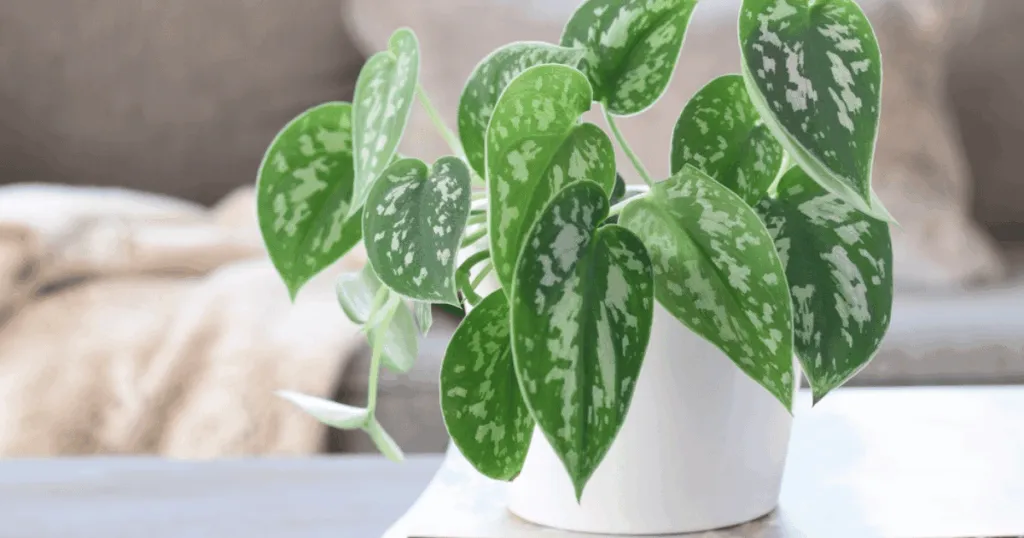
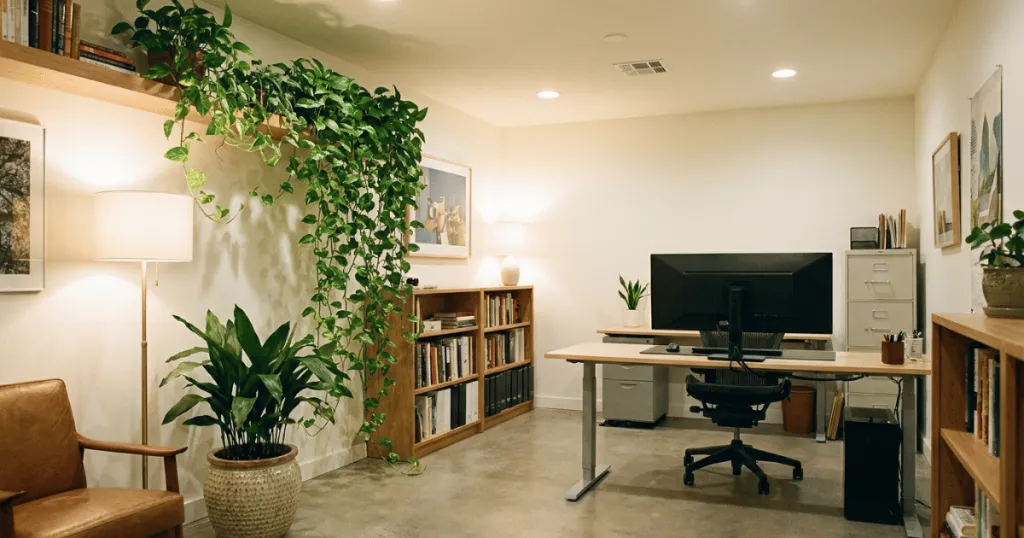
The Pothos is a classic trailing plant that is famous for its ability to grow in almost any lighting condition. In a windowless office, it will grow more slowly than it would in a bright room, but it will remain healthy and vibrant. You can let it trail down the side of a filing cabinet or keep it trimmed to a compact size on your desk. It is a great option if you prefer a softer, cascading look. It is also known as Devil’s Ivy or Money Plant, and it is highly resilient to the fluctuations of office life.
Heartleaf Philodendron
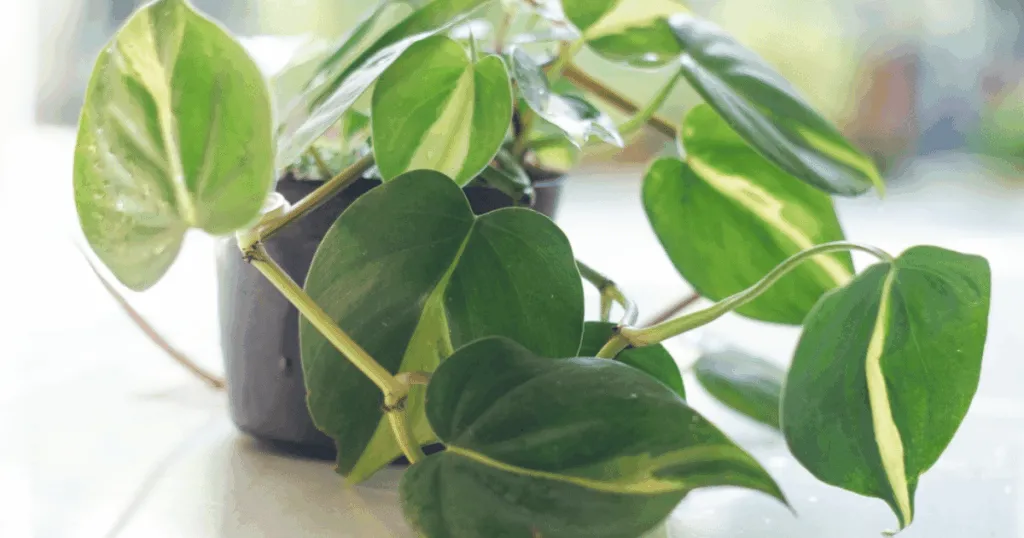
Similar to the Pothos, the Heartleaf Philodendron is a reliable trailing plant that handles low light with ease. Its distinct heart-shaped leaves add a touch of charm to a workspace. It is very easy to propagate, so if you ever want to share a cutting with a colleague, it is a simple process. It is a low-maintenance companion that rarely complains about the lack of natural light. Unlike the broader Philodendron genus, this specific variety is a compact, manageable choice for desk surfaces.
Parlor Palm
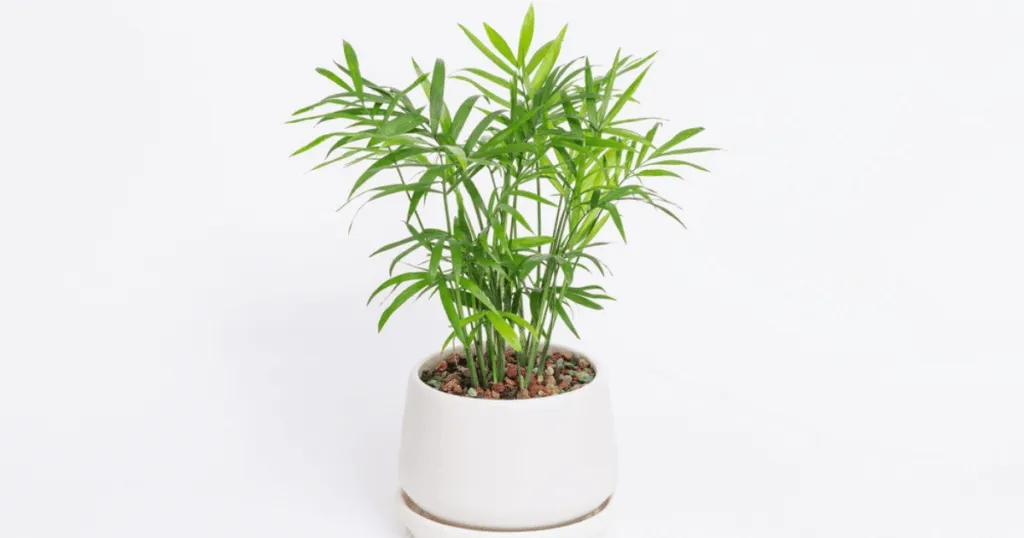
If you want to introduce a tropical aesthetic to your desk, the Parlor Palm is the best choice for low-light conditions. Unlike many other palms that require bright, direct sun, the Parlor Palm is perfectly happy in the dim light of an office. It grows in a compact, bushy form that fits well on a desk or a side table. It adds a sophisticated, airy texture that contrasts nicely with the solid surfaces of office equipment. It is one of the most shade-tolerant palms available for indoor use.
Bird’s Nest Fern
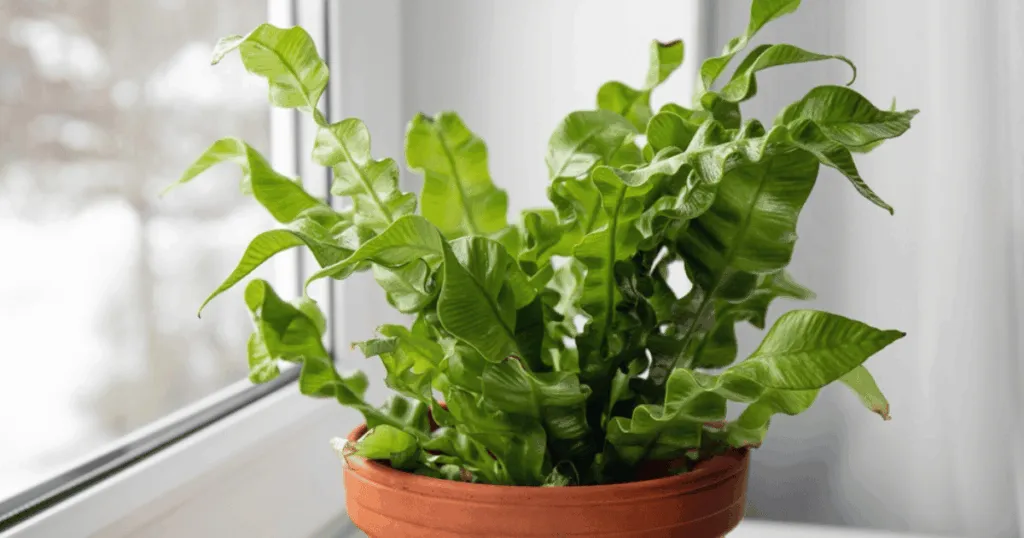
For a unique, sculptural look, the Bird’s Nest Fern is an excellent option. It features wavy, bright green fronds that grow from a central rosette. It is more compact and tolerant of lower light than many other ferns, which often struggle in office environments. It prefers consistent, light moisture, so it is a good choice for someone who enjoys a regular, light watering routine. It is a great alternative for those who find the typical trailing vines of Pothos or Philodendron too messy for their desk aesthetic.
Understanding Light and Growth Dynamics
When working in a windowless environment, it is vital to understand that light is the engine of plant growth. Without natural sunlight, your plants rely entirely on the spectrum provided by your office lighting. Fluorescent and LED lights are generally sufficient for maintenance, but they rarely provide the intensity required for rapid growth or flowering. This is actually an advantage for desk plants, as it keeps them in a manageable, compact state for longer periods.
However, you must be observant. If you notice your plant leaning significantly toward the light source, it is a sign that it is struggling to find enough energy. You can mitigate this by rotating the plant 90 degrees every week. This ensures that all sides of the plant receive equal exposure, preventing the lopsided growth that often occurs in cubicles where light comes from a single overhead source. If your office lights are turned off completely during the weekend, these plants will enter a state of dormancy, which is perfectly normal and actually helps them conserve energy.
Watering and Humidity in HVAC Environments
Office environments are notorious for low humidity due to constant HVAC cycling. This dry air can cause the tips of leaves to brown, particularly on plants like the Bird’s Nest Fern or Dracaena. While the plants listed here are chosen for their resilience, you can help them by grouping them together. This creates a microclimate where the moisture transpired by one plant helps raise the humidity for its neighbors. Avoid placing plants directly in the path of air vents, as the constant blast of dry air will dehydrate them much faster than the soil can replenish.
Watering in an office is often more about restraint than frequency. The most common cause of plant death in an office is not underwatering, but root rot caused by sitting in stagnant water. Always use a pot with drainage holes. If your decorative pot does not have a hole, keep the plant in its plastic nursery liner and place that inside the decorative container. This allows you to remove the plant, water it in a sink, let it drain completely, and then return it to your desk. This simple step prevents the buildup of water at the bottom of the pot, which is the primary cause of root rot.
Managing Plant Health and Longevity
Even the most hardy office plants require occasional maintenance. Dust accumulation on leaves is a common issue in offices, and it can actually hinder photosynthesis by blocking the light. Every few weeks, take a damp cloth and gently wipe the leaves. This not only keeps the plant looking professional but also allows it to absorb the limited light available more efficiently. If you notice yellowing leaves, do not panic. It is normal for older leaves to die off as the plant grows. Simply trim them away with clean scissors to keep the plant looking tidy.
If you find that your plant is outgrowing its space, you have two options: pruning or repotting. For trailing plants like Pothos or Philodendron, simple pruning is usually sufficient to keep them within the bounds of your desk. For more structural plants like the Snake Plant or ZZ Plant, they grow slowly enough that you may only need to repot them once every two years. When you do repot, choose a container that is only one or two inches larger in diameter than the current one. A pot that is too large will hold too much soil, which in turn holds too much water, increasing the risk of root rot.
Placement and Safety Considerations
When selecting your desk plant, consider the traffic flow of your office. If you have a high-traffic desk, avoid plants with delicate or brittle leaves that might be damaged by passing colleagues or equipment. Plants like the Snake Plant or Cast Iron Plant are robust enough to handle the occasional bump. Also, be mindful of toxicity. Many common office plants, such as the ZZ Plant, Pothos, and Philodendron, contain calcium oxalate crystals. While these are safe to have on a desk, they should not be ingested. If you have office pets or are concerned about curious visitors, choose non-toxic options like the Parlor Palm or Spider Plant.
Limitations and Trade-offs
It is important to recognize that no plant will thrive in total darkness. If your office has no windows and the lights are turned off for the majority of the day, even the most shade-tolerant plants will eventually decline. These selections are intended for spaces where there is at least some consistent artificial illumination during working hours. If your workspace is a windowless storage closet or a room with no light at all, you may need to consider a small LED grow light to supplement the environment. These are often compact, USB-powered, and can be clipped directly to your desk or monitor, providing the specific spectrum of light that plants need to thrive.
Additionally, be mindful of the size of your plant. While these are all considered small or desk-appropriate, they will grow over time. Choose a plant that fits your current desk footprint, but be prepared to prune it or move it to a larger location if it eventually outgrows its space. Finally, remember that these plants are for decorative and air-quality purposes, not for food or consumption. Keep them away from any areas where they might be accidentally ingested by pets or children, as many common indoor plants contain compounds that can cause irritation.
A Note on Plant Care
This information is provided for educational purposes to help you select and maintain greenery in an office environment. We do not provide commercial services or specific product recommendations. When selecting plants, always check for local availability and ensure you are comfortable with the care requirements for the specific variety you choose. Proper plant care is a matter of observation and adjustment; if your plant shows signs of stress, such as yellowing leaves or drooping, evaluate your light and water levels first, as these are the most common factors in office plant health.
FAQ
Can I keep a plant in an office with no windows?
Yes, many plants like the Snake Plant and ZZ Plant thrive under standard office fluorescent or LED lighting. These plants have evolved to survive in low-light forest floors and adapt well to the consistent, albeit lower, light levels found in interior offices.
How often should I water a plant in a windowless office?
Watering frequency is lower in windowless offices because plants grow more slowly without natural sunlight. Always check the soil moisture by touch; if the top inch of soil is dry, it is time to water. Avoid a rigid schedule, as humidity and temperature fluctuations can change how quickly the soil dries.
What are the signs that my office plant is not getting enough light?
Common signs include leggy or stretched growth, leaves turning pale or yellow, and a lack of new growth over several months. If you notice these symptoms, consider moving the plant closer to an artificial light source or adding a small desk-sized LED grow light.
Are these plants safe for office environments?
Most of the plants listed are ornamental and intended for display. While they are safe to have on a desk, many common office plants can cause irritation if ingested. It is best practice to keep plants out of reach of pets and to wash your hands after handling or pruning them.