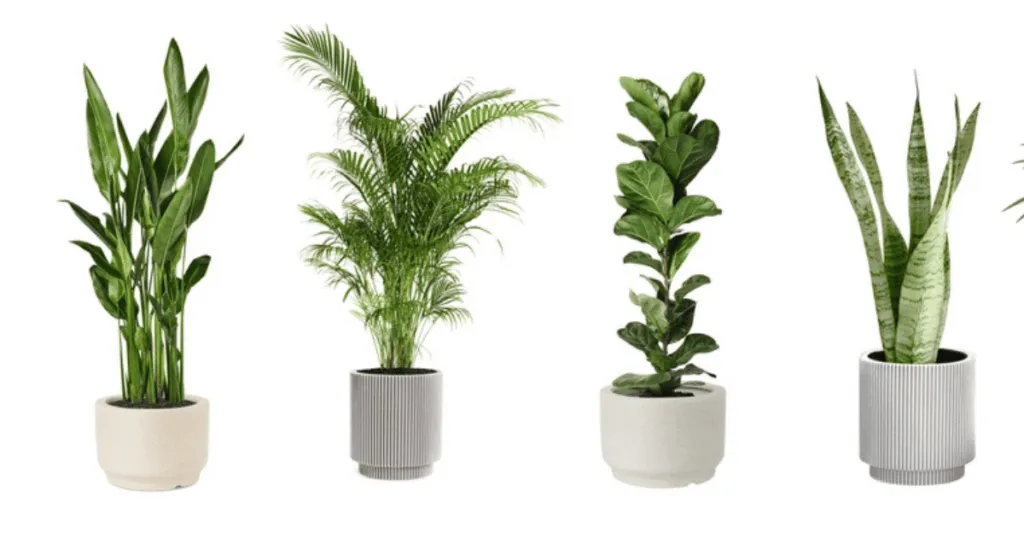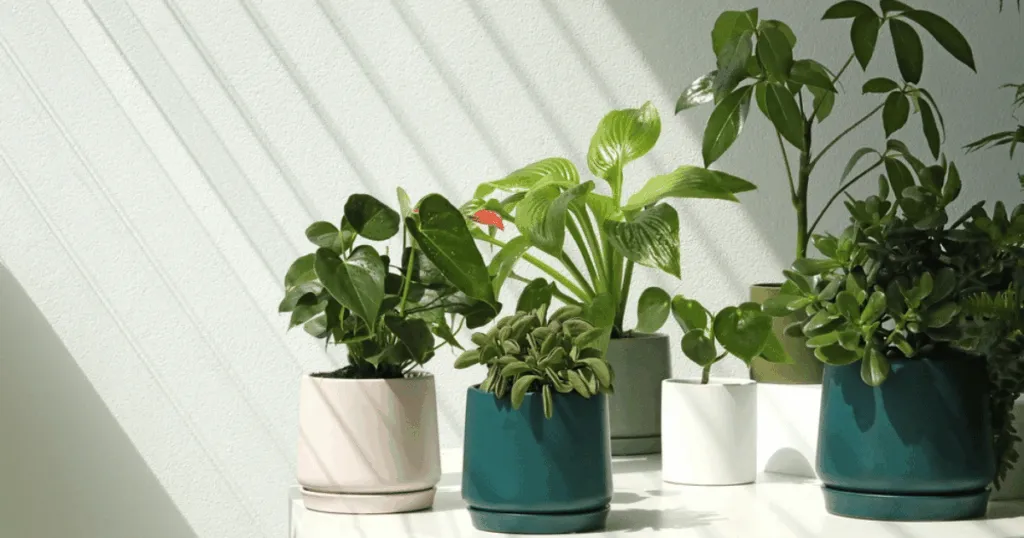
When you walk into a nursery or browse a catalog for office greenery, you are often greeted by a confusing mix of common names and Latin-derived labels. Learning how to read and understand a plant’s botanical name is the single most effective way to cut through this confusion. By decoding these scientific identifiers, you move beyond marketing labels and gain access to the precise environmental requirements, growth habits, and maintenance needs of the plant in question.
This skill is particularly vital for office managers and workplace decision-makers. Common names like “Ivy” or “Dracaena” can refer to dozens of different species with vastly different light and water tolerances. By focusing on the botanical nomenclature, you ensure that the specimen you select will actually thrive in your specific office conditions, whether that is a dim corner with low-intensity LED lighting or a bright, south-facing reception area with fluctuating humidity.
Before You Start: Why Scientific Names Matter
Before you begin deciphering labels, it is important to recognize that botanical names follow a standardized system known as binomial nomenclature. This system was designed to provide a universal language for plants, regardless of the country of origin or the common name used by local growers. In an office setting, this consistency is your best defense against purchasing a plant that looks healthy in a greenhouse but will struggle in a climate-controlled, low-humidity environment.
You do not need a background in Latin to succeed here. Most botanical names consist of two primary parts: the genus and the specific epithet. Think of the genus as the plant’s “family name”—it tells you the broad category of the plant and often hints at its general care requirements. The specific epithet is the “given name” that distinguishes that particular species from others in the same genus. When you see a name, consider it a shorthand summary of the plant’s biological identity.
Before you commit to a plant, check the label for these two components. If a label only lists a common name, you are essentially guessing at the plant’s needs. A professional approach to office plant management relies on identifying the exact species to cross-reference its needs against your office’s specific light levels, HVAC output, and available maintenance time. If you cannot find a botanical name, verify the plant’s identity with a reputable source before placing it in a high-traffic area.
The Anatomy of a Botanical Name
To effectively read a botanical name, you must understand the hierarchy of the information provided. While the genus and species are the core components, you will often encounter additional descriptors that provide critical context for your care routine.
The Genus and Species
The genus is always capitalized, while the specific epithet is lowercase. For example, in Sansevieria trifasciata, Sansevieria is the genus, and trifasciata is the species. In an office, the genus is your first indicator of care. Most plants within the same genus share similar light and water requirements. If you know how to care for one Philodendron, you are already halfway to understanding the needs of another, even if the specific species differs.
Cultivars and Varieties
You will often see a third or fourth name, sometimes in single quotes or preceded by “var.” This indicates a cultivar or variety—a specific version of the species that has been bred for certain traits, such as leaf color, size, or growth habit. For example, Epipremnum aureum ‘Marble Queen’ is a specific cultivar of the common Pothos. This distinction matters because some cultivars are more sensitive to low light than their wild-type counterparts. Always look for these additional tags, as they often dictate whether a plant will maintain its variegation in an office environment.
Step-by-Step: Decoding the Label
Follow these steps to translate a plant label into actionable care information for your office space.
- Identify the Genus: Start by isolating the first word of the botanical name. Search for this genus in a trusted horticultural database. This will give you the baseline requirements for light and water.
- Analyze the Specific Epithet: Look at the second word. Sometimes, this word provides a clue about the plant’s native habitat. For example, repens often means “creeping,” while sylvatica implies it grows in woodland settings, which may suggest a preference for lower light.
- Check for Cultivar Tags: If you see a name in single quotes, search for that specific cultivar. A cultivar might be more compact, making it better suited for a desk, or it might require more light to keep its color.
- Cross-Reference with Your Office Environment: Compare the findings from your search against your office’s reality. If the botanical name indicates a tropical rainforest plant, ensure you have a plan for maintaining humidity, as office HVAC systems are notoriously dry.
- Verify the Family: Occasionally, the plant family is listed. Knowing the family (e.g., Araceae) can help you identify potential toxicity issues if you have pets or children in the office.
The Nuances of Plant Taxonomy in the Office
Understanding plant taxonomy goes beyond just reading a tag; it involves recognizing how these names change over time. Botanical science is dynamic, and as researchers learn more about plant DNA, names are frequently updated. A plant once known as Sansevieria might now be classified under Dracaena. This can cause confusion when searching for care guides. When you encounter conflicting names, always prioritize the most recent scientific classification. This ensures you are accessing the latest data regarding plant health and environmental tolerances.
Furthermore, consider the implications of “hybrid” plants. You might see an “x” in a name, such as Philodendron x hybrid. This indicates a cross between two species. Hybrids are often bred specifically for the indoor market, meaning they may be more resilient to the artificial lighting and fluctuating temperatures of an office than their wild ancestors. Recognizing this notation allows you to adjust your expectations regarding growth speed and hardiness.
Common Mistakes in Plant Identification
One of the most frequent errors is relying on common names, which are often used interchangeably for completely different plants. For instance, “Rubber Plant” can refer to both Ficus elastica and Peperomia obtusifolia. These two plants have vastly different light and water needs. Treating a Peperomia like a Ficus will lead to rapid decline.
Another mistake is ignoring the cultivar information. A plant might be listed as Dracaena fragrans, but the specific cultivar ‘Lemon Lime’ has different light requirements than the standard green variety. Failing to account for these specific traits can result in the plant losing its color or failing to thrive in the specific light conditions you have provided.
Practical Application: Matching Names to Office Conditions
Once you have mastered the art of reading the botanical name, the next step is applying that knowledge to your specific workspace. Office environments are distinct from home environments due to the presence of high-intensity LED lighting, consistent HVAC-controlled temperatures, and the lack of natural ventilation. When you identify a plant as a member of the Araceae family, for example, you immediately know that these plants generally prefer consistent moisture and can tolerate lower light levels, making them excellent candidates for interior office spaces without windows.
Conversely, if you see a plant with a botanical name indicating it is a succulent, such as those in the Crassulaceae family, you know that these specimens require high light levels and infrequent watering. Placing a Crassula in a dark cubicle is a recipe for etiolation—where the plant stretches toward the light, becomes weak, and eventually collapses. By using the botanical name to predict these outcomes, you save time, reduce plant replacement costs, and maintain a professional aesthetic throughout the office.
Troubleshooting Identification Issues
If you encounter a plant that is only labeled with a common name, do not hesitate to ask the supplier for the botanical name. If they cannot provide it, you should be cautious. A professional supplier should always be able to identify their stock by its scientific name. If you are trying to identify a plant you already have, use a reliable plant identification app or consult a botanical database, but always verify the result by comparing the visual characteristics against the description provided in the database.
If a plant is struggling, check its botanical name again. You might discover that you have been treating it as a high-light plant when its genus actually prefers shade. Adjusting your care based on the scientific classification is often the quickest way to resolve chronic health issues in office plants. Remember that office plant maintenance is a continuous process of observation and adjustment; your botanical knowledge is the foundation upon which that process is built.
FAQ
Why is it important to know the botanical name rather than just the common name?
Common names are often inconsistent and can refer to multiple different species with conflicting care needs. Learning how to read and understand a plant’s botanical name provides a universal, accurate identifier that ensures you are researching the correct care requirements for the specific plant in your office.
What should I do if a plant label only shows a common name?
If a label lacks a botanical name, ask the supplier for the scientific name. If they cannot provide it, consider it a red flag. Without the botanical name, you cannot accurately verify the plant’s light, water, and humidity requirements, which increases the risk of the plant failing in your office environment.
Does the genus of a plant tell me everything I need to know about its care?
The genus is a strong indicator of general care, as most plants within a genus share similar environmental preferences. However, you should also look at the species and any cultivar names, as these can indicate specific traits like light sensitivity or size that differ from the rest of the genus.
How do I use a botanical name to troubleshoot a dying office plant?
Once you have the botanical name, search for the species in a horticultural database to confirm its ideal light and water conditions. Compare these requirements to your current office setup. Often, you will find that the plant is being placed in an environment that contradicts its natural needs, allowing you to move it to a more suitable location.