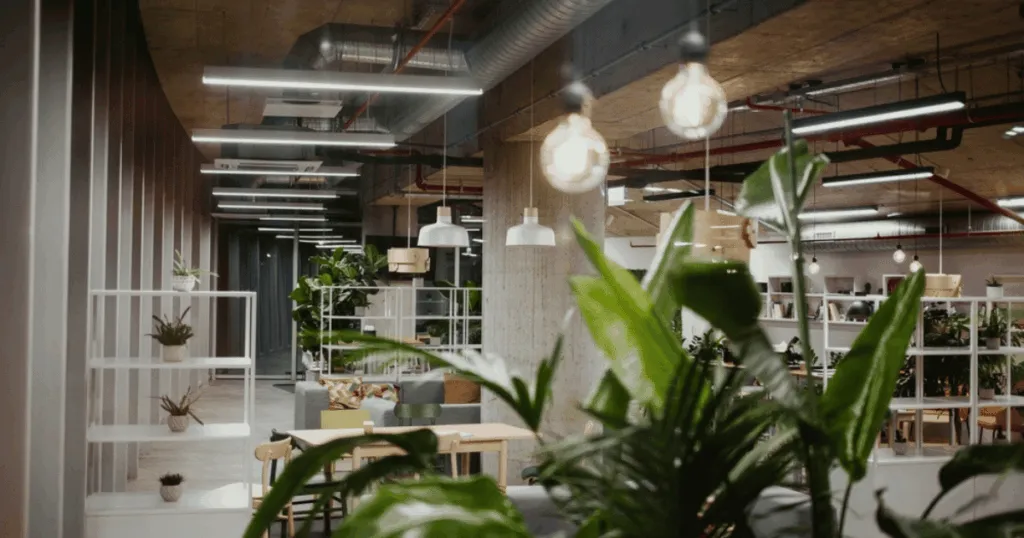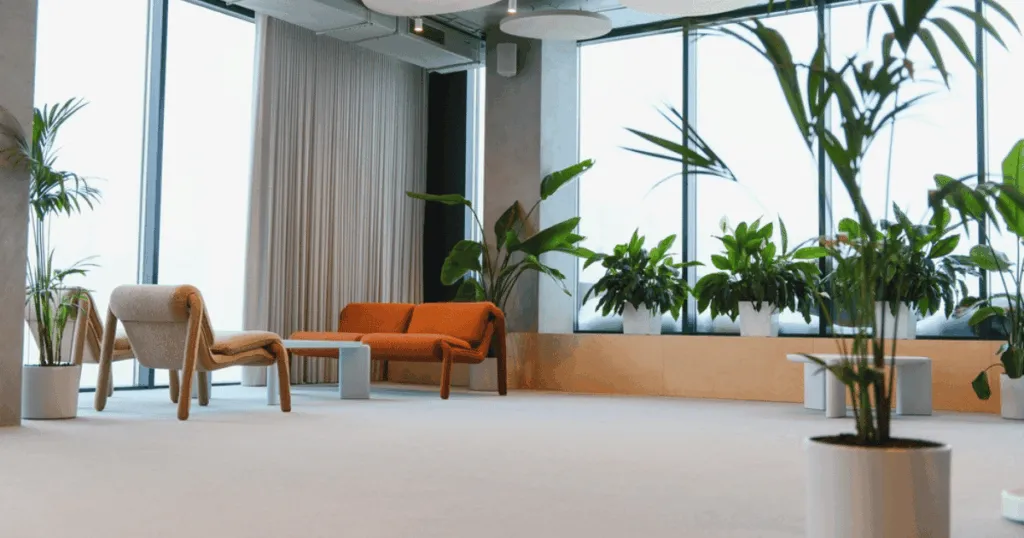
Setting up a desktop aquarium is a popular way to bring a living ecosystem into a corporate workspace, but standard interior illumination introduces a unique horticultural puzzle. When natural sunlight is absent and specialized horticultural fixtures are prohibited or impractical, office managers and desk workers often wonder what aquarium plants can grow in office lighting only. Standard overhead fluorescent tubes and ceiling-mounted LED panels emit a broad spectrum of light, but they are engineered for human vision and productivity rather than photosynthesis. Selecting aquatic species that can cope with these lower lumen outputs and shorter daily photoperiods determines whether an office tank thrives or slowly dissolves.
Standard office environments typically operate on restricted schedules, leaving fluorescent or LED ceiling lights active for roughly eight to ten hours a day, followed by complete darkness over weekends. Unlike greenhouses or dedicated fish rooms equipped with high-par aquatic grow lights, standard office spaces lack intense blue and red spectral peaks that stimulate rapid plant growth. Aquatic flora placed in these setups must rely on species that evolved in shaded river understories, deep pools, or murky waters where ambient light penetration is minimal.
Understanding how these plants metabolize nutrients under low-light conditions helps workplace hobbyists avoid common pitfalls like melting foliage, nutrient deficiency, and runaway algae blooms.
Evaluating Office Light Quality for Aquatic Flora
Before introducing any greenery into a workplace tank, you must evaluate the actual illumination hitting the water surface. Office lighting is measured in foot-candles or lux for human comfort, usually ranging from 300 to 500 lux at desk level. Water refraction, surface agitation, and depth further diminish this available energy by the time it reaches the substrate. Species requiring high PAR (Photosynthetically Active Radiation) values will quickly starve, drop their leaves, and decay, fouling the water chemistry in a sealed office setting where large water changes are inconvenient.
Low-light tolerant aquarium plants generally require minimal carbon dioxide supplementation and low fertilizer inputs. In an office setting, this low-maintenance profile is an advantage because slow growth rates translate to less frequent trimming and cleaner glass. However, slow growth also means these plants are poor competitors against microscopic algae if nutrient levels fall out of balance. Balancing the biological load of desk livestock with hardy aquatic vegetation keeps the ecosystem stable during long holiday closures when the building lights remain off entirely.
When assessing office illumination, it is critical to distinguish between overhead architectural lighting and dedicated desk lamps. Overhead fluorescent tubes disperse light across a broad area, meaning a tank placed on a low side table receives only a fraction of the nominal ceiling lux. Conversely, positioning a small nano tank directly under an adjustable desk lamp can dramatically improve local photon availability, provided the bulb emits a balanced daylight spectrum.
Workplace decision-makers must also factor in building energy-saving protocols, such as motion-activated hallway lights or automated timers that cut power to entire zones after standard operating hours. If an aquarium relies on a desk lamp plugged into a switched outlet that shuts off completely overnight, the artificial photoperiod must be managed with an independent wall timer to maintain biological consistency.
Anubias Varieties for Low-Light Desks
Anubias species, including Anubias nana and Anubias barteri, represent the gold standard for office aquariums running on ambient indoor illumination. These rhizome plants feature thick, dark green leaves that resist tearing and consume minimal light energy to maintain cellular integrity. In practice, you should never bury the rhizome in aquarium gravel or sand; instead, tie or glue the plant to driftwood or volcanic rock. Burying the thick horizontal stem causes the entire plant to rot and collapse within weeks. Their ability to anchor onto hardscape features without rooting into substrate makes them exceptionally versatile for small nano tanks kept on reception desks or office side tables.
Integrating Anubias into an office tank setup requires understanding their sluggish metabolism. Because they process light slowly, they are prone to green spot algae if ambient room windows allow erratic patches of direct sunlight to hit the tank during the afternoon. Placing the workspace aquarium away from exterior windows prevents these localized light spikes. Furthermore, Anubias benefits from occasional wiping of its thick leaves to remove dust or particulate matter that settles in busy office environments, ensuring that every available photon can penetrate the plant tissue unhindered.
Java Fern and Epiphytic Resilience
Java Fern (Microsorum pteropus) shares similar growth habits with Anubias, making it a reliable companion in low-light office environments. It thrives attached to rocks or wood, absorbing nutrients directly from the water column rather than relying on heavy root fertilization. Office fluorescent lighting provides enough energy for Java Fern to produce dark, leathery fronds over extended periods. A common mistake is panicking when small black bumps or miniature plantlets appear on the underside of older leaves; this is normal vegetative reproduction, not a disease or nutrient deficiency. Letting these baby ferns mature before detaching them provides free stock to expand your workspace display or share with colleagues.
As true epiphytic aquarium plants, Java Fern specimens do not demand nutrient-rich substrates, making them ideal for minimalist desk aquascapes that use inert sand or bare-bottom glass. In practice, tying them to heavy driftwood pieces ensures they stay anchored even if office cleaning staff inadvertently bump the desk or cabinet. Their resilience against fluctuating water parameters makes them forgiving when tap water top-offs are performed hurriedly between meetings. However, office workers should avoid exposing Java Fern leaves to sudden temperature shifts when replacing evaporated water, as cold tap water can trigger localized melting of delicate frond tips.
Cryptocoryne Species for Root-Fed Stability
Unlike epiphytes, Cryptocorynes are true root-feeding plants that appreciate a nutrient-rich substrate beneath office gravel. Species like Cryptocoryne wendtii adapt remarkably well to shaded corners and indirect office illumination. When first introduced to a desk tank, Cryptocorynes frequently undergo a dramatic melting phase where nearly all their leaves disintegrate into mush. This phenomenon, often called crypt melt, occurs due to sudden shifts in water chemistry or lighting parameters. Experienced office aquarists know to leave the root system untouched in the substrate, as the plant will almost always bounce back with new leaves adapted specifically to the indoor lighting conditions.
Root-feeding varieties add an extra layer of stability to a workplace biophilic design by anchoring the lower zones of the tank and utilizing waste products trapped in the gravel bed. When setting up an office tank with Cryptocorynes, placing root tabs beneath the substrate provides a slow-release nutrient reserve that lasts for months, eliminating the need for daily liquid dosing during busy work weeks. If leaves show signs of pinholes or transparency, it often signals an adjustment period rather than a permanent failure. Allowing the root network time to establish beneath the office desk ensures long-term survival without constant human intervention.
Managing Workplace Variables and Maintenance Realities
Maintaining a desk aquarium under office lighting requires acknowledging the operational rhythm of a commercial building. Over the weekend, automated timers or simple plug-in switches keep illumination consistent, preventing erratic photoperiods that trigger algae growth. Because office environments are tightly sealed and climate-controlled by HVAC systems, evaporation rates can fluctuate based on whether the weekend heating or cooling mode is active. Keeping a tight-fitting glass lid on the aquarium protects the water level and prevents excessive mineral buildup from rapid evaporation.
Water parameters in office buildings also present specific challenges. Tap water sourced from municipal systems may contain chloramines or elevated mineral hardness that affects delicate aquatic foliage. Treating tap water with a quality conditioner during routine maintenance is non-negotiable. Furthermore, because office workers may occasionally be tempted to drop extra fish food into the tank during lunch breaks, nutrient spikes can occur unexpectedly. Hardy low-light plants act as a biological safety net by absorbing excess nitrates, but keeping feeding restricted to scheduled amounts prevents organic waste from overwhelming the system.
Building maintenance schedules also impact office aquariums in unexpected ways. Commercial cleaning crews using harsh chemical sprays or floor waxes near the desk can inadvertently introduce airborne contaminants into an open-topped tank. Utilizing a tight lid and ensuring the office tank is positioned away from high-traffic cleaning zones protects the ecosystem. Additionally, seasonal HVAC adjustments in large office complexes can cause ambient room temperatures to drop overnight on weekends, making the use of a small, reliable aquarium heater an essential safeguard for tropical plant species.
Practical Steps for a Successful Low-Light Office Tank
Setting up an aquarium that relies entirely on standard room or desk lighting requires a methodical approach to aquascaping and plant selection. Follow these practical steps to build a resilient, low-stress workplace ecosystem.
- Choose the Right Tank Size and Shape: Opt for shallow nano aquariums under ten gallons. Shallower water columns allow a higher percentage of ambient room light to reach the substrate level compared to deep, narrow tanks.
- Select True Low-Light Species: Stock your hardscape exclusively with Anubias, Java Fern, and hardy Cryptocoryne species. Avoid demanding stem plants or red-hued flora that demand intense metal halide or specialized LED grow arrays.
- Mount Epiphytes Correctly: Secure Anubias and Java Fern to driftwood or porous stones using fishing line, cotton thread, or aquarium-safe cyanoacrylate gel. Keep the rhizome fully exposed to open water.
- Establish a Consistent Photoperiod: Use a simple digital outlet timer to keep overhead or desk lights illuminating the tank for eight hours daily, matching standard office occupancy patterns.
- Monitor Algae Growth: Watch for early signs of green spot or hair algae on slow-growing leaves. Reduce feeding amounts or perform modest water changes if office lighting imbalances cause unwanted algae flare-ups.
Executing these steps requires discipline in a corporate environment where distractions are frequent. By standardizing maintenance into a weekly routine – such as combining a ten percent water change with a quick glass wipe during a Friday afternoon break – office managers can keep the display looking pristine without sacrificing productivity. Evaluating water parameters monthly ensures that municipal supply changes do not catch the biotope off guard. Ultimately, treating the desk tank as a living component of workspace wellness yields a calm, aesthetically pleasing focal point that requires minimal daily overhead.
Managing an office aquarium under restricted lighting is entirely achievable when expectations align with plant biology. By prioritizing slow-growing, resilient species and maintaining steady maintenance habits, you can enjoy a vibrant, living aquatic display that enhances the workplace without demanding complex horticultural intervention.
FAQ
Can office desk lamps alone support live aquarium plants?
Standard desk lamps fitted with LED bulbs can support very low-light plants like Anubias if placed close to the water surface, but standard overhead ceiling lighting alone is often too weak and diffuse to sustain healthy growth.
Do low-light office aquarium plants need carbon dioxide injection?
No. Species that thrive in office lighting grow slowly enough that ambient carbon dioxide absorbed from the air and fish respiration is entirely sufficient, making pressurized CO2 systems unnecessary.
Why are the lower leaves of my office tank plants turning yellow?
Yellowing lower leaves usually indicate minor nitrogen or iron deficiency, or insufficient light penetration reaching the bottom of the tank. Trimming off dead leaves encourages the plant to redirect energy upward.
How do I handle aquarium plant care during long office holidays?
Hardy low-light species require zero intervention during standard holiday closures lasting a week or two, provided lights are controlled by an automatic timer and fish feeding is paused or managed with a reliable automatic feeder.