Managing office greenery requires a different mindset than outdoor gardening, especially when dealing with fluorescent office lighting, stable indoor temperatures, and long weekends without attention. Knowing how and when to prune office plants keeps workspaces looking professional while supporting the long-term health of common indoor species like pothos, snake plants, and peace lilies. A well-timed trim removes dead weight, encourages branching, and prevents unruly vines from tangling into desk supplies or blocking hallway traffic.
Maintaining office plants is less about intensive seasonal pruning and more about strategic maintenance as growth happens. Because interior environments lack the sharp seasonal light shifts found outdoors, indoor species often grow year-round at a slower, steadier pace. Office managers and desk workers can easily integrate basic snipping into routine desk care by understanding which stems to remove, which tools to use, and how artificial office lighting influences plant recovery.
Evaluating the Right Time for Pruning
Timing indoor plant maintenance depends on active growth phases rather than rigid calendar months. Most office foliage responds best to minor shaping during periods of increased daylight in spring and summer, even behind tinted office windows. However, removing damaged material requires immediate attention regardless of the season. When considering when to prune houseplants, office personnel must look beyond outdoor meteorological shifts and focus on indoor microclimates.
Identifying Active Growth Cycles
Office plants typically accelerate their output of new leaves when indoor temperatures stabilize and daylight hours stretch slightly from March through August. This active phase provides the ideal window for structural pruning, pinching back leggy stems, and encouraging bushier foliage. Plants recover quickly from cuts during this phase because their metabolic rate is higher. Understanding this cycle helps workers maximize office plant maintenance without shocking the specimen during darker winter months. In open-plan workspaces where ambient natural light varies greatly between perimeter desks and interior hallways, observing individual plant response matters more than tracking the calendar. If a specimen continues producing vibrant leaves into late autumn under steady LED desk lamps, minor cosmetic trimming remains completely safe.
Recognizing Stress and Emergency Trims
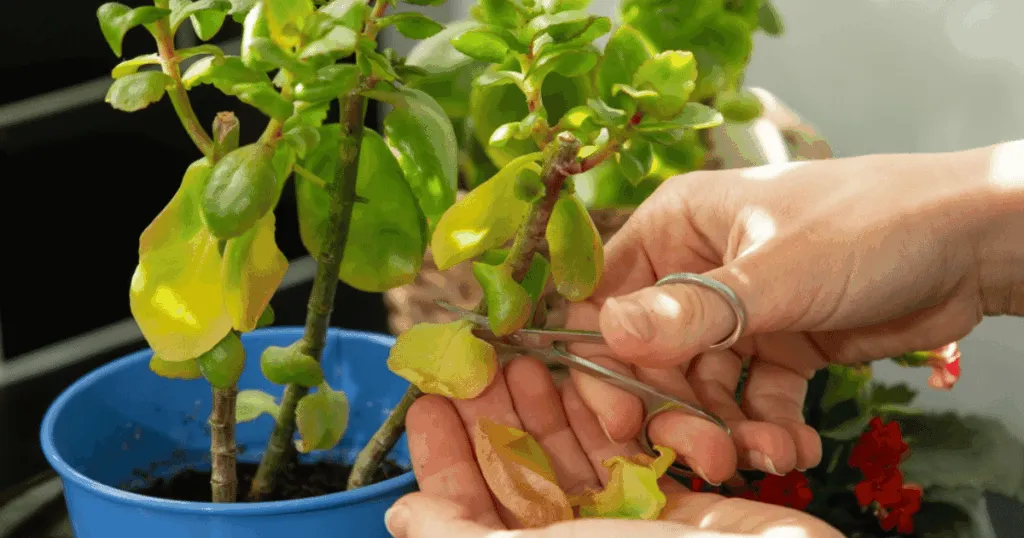
Dead leaves, yellowing fronds, and brown tips signal that a plant is channeling energy into dying tissue rather than new growth. Emergency cuts should happen as soon as damage appears, regardless of the season. Removing diseased or rotting stems prevents potential pest outbreaks in enclosed office environments where air circulation from HVAC systems can sometimes be sluggish. Managing plant stress early prevents minor cosmetic blemishes from evolving into full-scale infestations. When leaves turn brown due to low humidity or irregular watering, shearing off the damaged tips or removing the entire leaf stem redirects valuable resources back into healthy tissue.
Step-by-Step Pruning Techniques for Common Workplace Species
Different office plants demand specific approaches to avoid shock and promote clean healing. Using the right cutting technique protects the vascular tissue of the plant and reduces the risk of fungal or bacterial entry points. Adopting a systematic approach to how to prune indoor plants ensures that desk displays remain tidy and vigorous.
Sanitizing Tools Before You Start
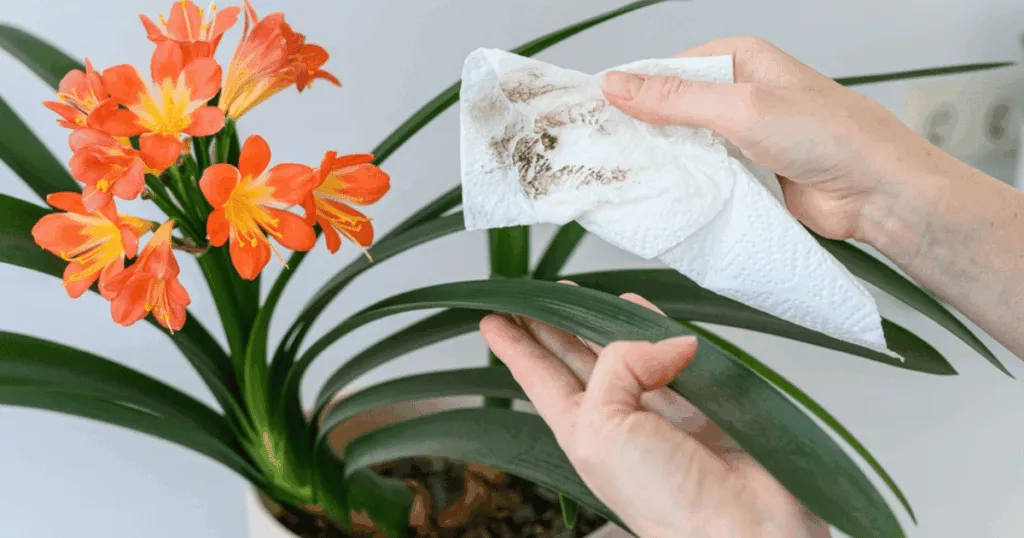
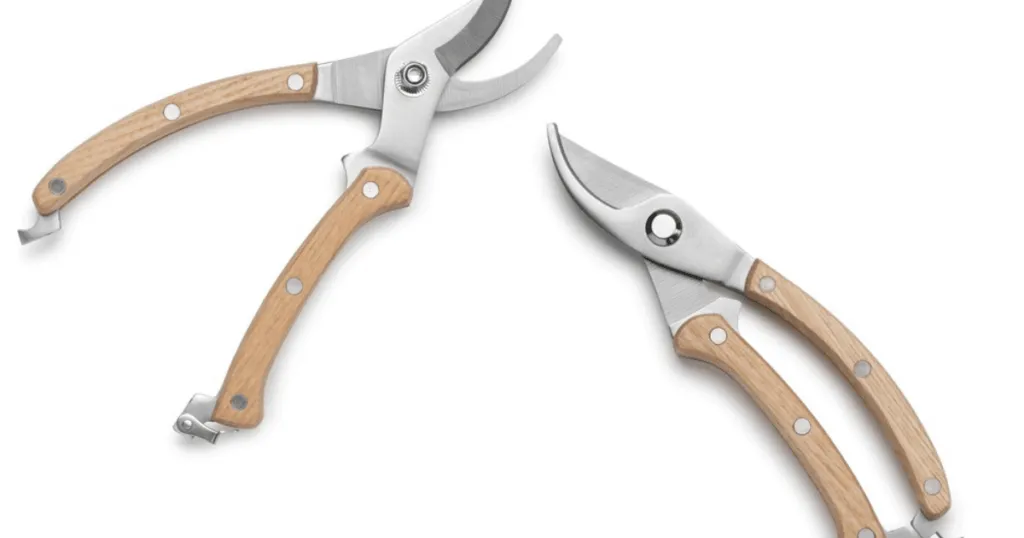
Office scissors or shears can easily transfer pathogens from one desk plant to another if left uncleaned. Wipe blades with rubbing alcohol or a standard disinfectant wipe before touching any foliage. Sharp blades create clean cuts that seal quickly, whereas dull tools crush stems and invite disease. Diligent sanitizing pruning shears is the single most effective barrier against cross-contamination in shared corporate spaces. Pathogens such as bacteria or fungal spores easily travel on dirty blades from a neglected breakroom fern to a prized executive suite rubber tree.
Trimming Vining Plants Like Pothos and Philodendrons
Vining species often stretch toward distant light sources, resulting in long, bare stems with sparse foliage near the base. Locate a node, which is the small bump where a leaf attaches to the stem, and cut just above it using clean shears. The plant will branch out from the node below the cut, filling out the upper canopy and creating a denser, more attractive desk display. This method of cutting back leggy stems transforms sparse, untidy desk vines into lush green accents. For maximum fullness in shared reception areas, pinch back the growing tips of multiple vines simultaneously to stimulate uniform lateral branching.
Managing Upright Foliage Like Dracaena and ZZ Plants
Upright species rarely need heavy pruning, but lower leaves naturally yellow and drop off over time. Cut dying stems cleanly at the base close to the main trunk or soil line, leaving a small stub if necessary to protect the primary stem. Avoid tearing or pulling old leaves by hand, as this can strip the outer bark and expose the interior to pests. Precise node placement and clean base cuts maintain the clean architectural lines prized in modern open-plan offices. When dealing with stiff stems, ensure your cutting tool provides enough leverage to avoid crushing the central woody core.
Adapting Cut Schedules to Office Environments
Office conditions introduce unique challenges that directly influence how plants recover from a trim. Low humidity from constant air conditioning and limited natural light mean that wounds heal more slowly in cubicles than in traditional greenhouses. Effective pruning office plants requires careful monitoring of environmental factors to support indoor plant recovery.
Accounting for Artificial Lighting and HVAC Airflow
Fluorescent and LED office fixtures provide steady illumination, but they rarely match the intensity of direct sunlight, meaning photosynthesis rates are lower. After a heavy trim, a plant needs adequate time to rebuild its energy reserves. Avoid placing freshly pruned specimens directly beneath blasting AC vents or dry heating ducts, which can dehydrate exposed cut surfaces. The steady flow of air from building HVAC systems can rapidly dry out fresh wounds if placement is not managed carefully. Balancing artificial light duration with adequate recovery time ensures that pruned office plants bounce back without losing their visual appeal or vigor.
Managing Weekend Neglect and Watering Post-Pruning
Freshly cut stems have open pores that temporarily increase moisture loss. Prune plants midweek rather than on Friday afternoons so you can monitor their water needs before the office closes for the weekend. Keep soil evenly moist but never waterlogged, as wet soil combined with reduced leaf surface area can easily lead to root rot. Balancing water delivery with the plant’s current foliage density prevents accidental overhydration. Office workers should check soil moisture levels 48 hours after making significant structural cuts, adjusting watering frequency to match the temporarily reduced transpiration rate of the smaller canopy.
Common Mistakes to Avoid
Well-meaning office workers often damage indoor plants by applying outdoor gardening rules indoors. Avoiding a few frequent missteps ensures your workspace greenery stays vibrant and healthy throughout the fiscal year.
- Removing too much foliage at once: Never cut away more than one-third of a plant in a single session, as the remaining leaves are required to sustain photosynthesis and fuel new growth.
- Using unsterilized kitchen utensils: Dull office scissors or unwashed desk supplies introduce bacteria directly into fresh plant tissue, leading to stem rot.
- Ignoring the node placement: Cutting stems midway between nodes leaves dead stubs that cannot produce new growth and are prone to fungal decay.
- Pruning during heavy stress: If a plant is suffering from severe under-watering or pest infestation, resolve those environmental issues before attempting structural cuts.
When to Stop Pruning and Seek Expert Help
While minor maintenance is simple enough for any desk worker, certain situations require stepping back. If a plant shows signs of systemic fungal infection, pervasive mealybug infestations, or extensive root rot, standard pruning will not save it. Discarding severely compromised specimens protects neighboring office plants from contamination. For large architectural lobby plants or expensive interior landscaping installations, rely on professional plant maintenance contractors rather than attempting major structural renovations in-house.
FAQ
Can I use standard office scissors to prune my desk plants?
Standard office scissors work for soft herbaceous stems, provided you sanitize the blades with rubbing alcohol first. However, larger woody stems require bypass shears to make clean cuts without crushing the plant tissue.
What should I do with the healthy cuttings after trimming my office plants?
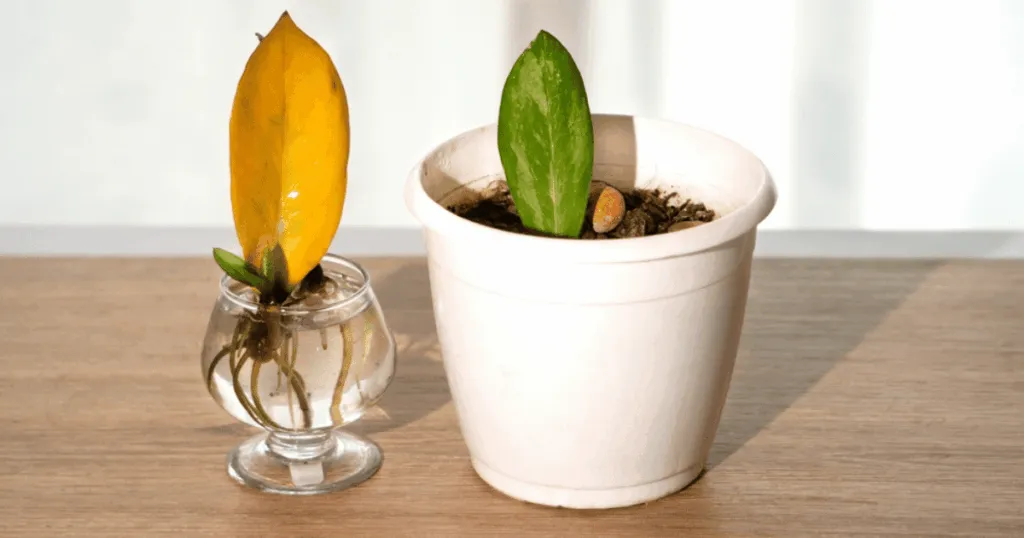
Many common office plants, such as pothos and philodendrons, root easily in water. You can place healthy stem cuttings in a small glass of water on your desk to grow new roots for other office areas.
Why are the cut edges of my plant turning brown after pruning?
Browning cut edges usually indicate dry office air or dull cutting tools that bruised the stem cells. Ensure your shears are sharp, and keep the plant away from direct drafts generated by nearby HVAC vents.
Does pruning make office plants grow faster?
Pruning redirects the plant’s hormonal energy away from leggy, weak growth and stimulates dormant nodes. While it creates a bushier and more compact appearance, overall vertical growth may temporarily slow down as the plant heals.