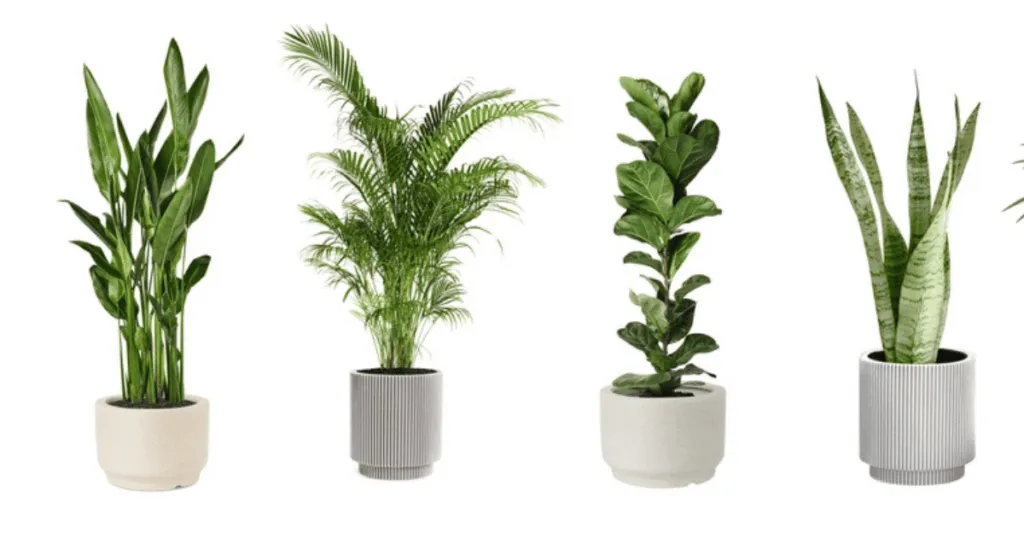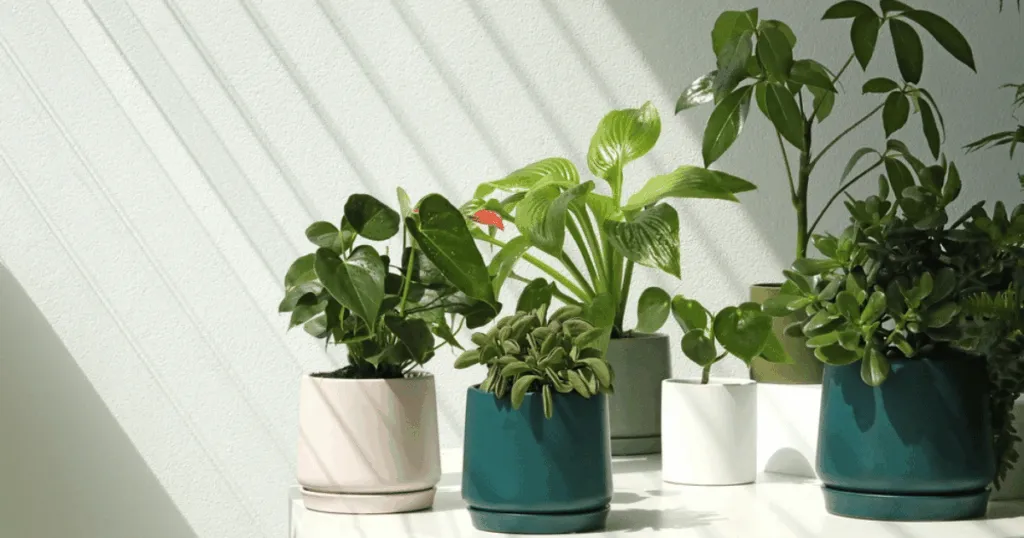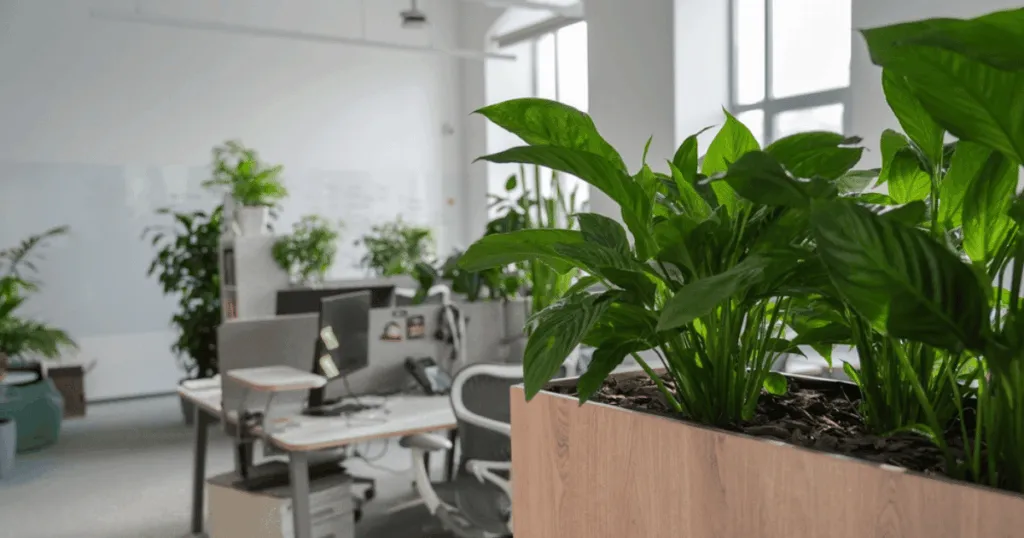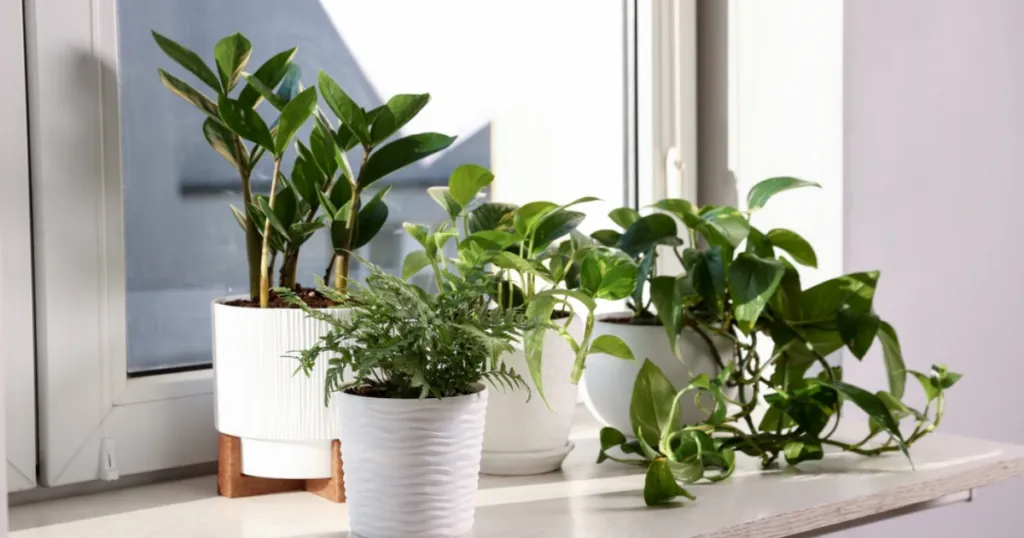
When you are tasked with selecting greenery for a professional workspace, the question of what counts as an ‘office plant’ is more than a botanical classification; it is a functional requirement. In a professional setting, a plant is not merely decorative. It must be a resilient biological asset capable of surviving in an environment defined by artificial lighting, consistent HVAC-driven airflow, and the inevitable reality of irregular maintenance schedules. If a plant requires a greenhouse-level environment to survive, it does not qualify as an effective office plant, regardless of its aesthetic appeal.
An office plant is defined by its ability to tolerate the specific stressors of a corporate environment. This includes the ability to adapt to low-intensity fluorescent or LED light, handle the dry air produced by central heating and cooling systems, and maintain its health during weekends or holiday breaks when office activity ceases. Choosing the right plant means prioritizing physiological endurance over exotic appearance, ensuring that your investment contributes to the workplace atmosphere rather than becoming a source of maintenance frustration.
The Functional Criteria for Office Plants
To determine if a plant is suitable for your office, you must evaluate it against the specific environmental constraints of your building. Most office spaces are designed for human comfort, not plant biology. This means they are often too dry, too dark, or too temperature-fluctuating for many common houseplants. A true office plant must possess specific physiological traits that allow it to remain stable under these conditions.
Tolerance to Low and Artificial Light
Most office plants are categorized by their ability to photosynthesize efficiently under low-light conditions. While many plants can survive in a home with a sunny window, an office plant often relies entirely on overhead LED or fluorescent lighting. Look for species that naturally grow in the understory of tropical forests, such as the Sansevieria (snake plant) or Zamioculcas zamiifolia (ZZ plant).
These species have evolved to capture minimal light, making them the gold standard for windowless cubicles or interior meeting rooms. When evaluating light, remember that distance is a critical factor; moving a plant just a few feet away from a window can reduce light intensity by half or more, making the plant’s ability to adapt to artificial light the primary determinant of its survival.
Adaptability to HVAC Environments
Centralized HVAC systems create a unique microclimate in offices, characterized by low humidity and constant air movement. Many tropical plants, such as certain ferns or calatheas, struggle in these conditions because they require high ambient moisture. An effective office plant is one that can withstand these dry conditions without developing crispy leaf tips or dropping foliage.
Succulents are a common choice, but they often fail in offices because they require intense, direct sunlight to avoid etiolation—the process where a plant stretches out and weakens in search of light. In an office, the goal is to find species that have evolved to store water efficiently, such as those with thick, waxy cuticles that prevent transpirational water loss.
Distinguishing Between Office-Hardy and High-Maintenance Species
A common mistake in workplace plant selection is choosing based on visual trends rather than environmental compatibility. High-maintenance plants, such as those requiring daily misting or precise temperature control, are rarely successful in a busy office. The following table illustrates the distinction between plants that function well as office assets and those that are better suited for controlled home environments.
| Feature | Office-Hardy Plant | High-Maintenance Plant |
|---|---|---|
| Light Requirement | Low to medium; tolerates artificial light | High; requires direct sunlight |
| Watering Frequency | Low; tolerates missed cycles | High; sensitive to drought |
| Humidity Needs | Low; thrives in dry HVAC air | High; requires consistent humidity |
| Growth Rate | Slow to moderate; manageable | Fast; requires frequent pruning |
When you select a plant, consider the ‘maintenance buffer.’ If a plant requires specialized soil amendments or exact watering intervals, it is likely not a sustainable choice for a shared office space. The best office plants are those that offer a forgiving growth cycle, allowing for the occasional missed watering during a busy work week or a long weekend. This resilience is a key component of biophilic design, as it ensures the greenery remains a consistent, calming presence rather than a source of anxiety for staff tasked with its care.
Practical Guidance for Selecting Your Greenery
When evaluating potential additions to your office, start by auditing your space. Measure the distance from the nearest light source and observe the temperature fluctuations throughout the day. A plant placed near a drafty entrance or directly under a heating vent will face different challenges than one in the center of an open-plan office. Prioritize plants that are known for their structural durability, such as those with thick, waxy leaves that retain moisture effectively.
Avoid the temptation to buy plants based on temporary aesthetic appeal. A flowering plant might look beautiful for a week, but once the blooms fade, it may require a level of care that your office staff is not equipped to provide. Instead, focus on foliage-based plants that offer consistent color and texture throughout the year.
This approach ensures that your office greenery remains a professional asset rather than a neglected chore. Consider the mature size of the plant as well; an office plant should not outgrow its designated footprint within a few months, as this leads to overcrowding and potential damage to office furniture or equipment.
The Role of Soil and Drainage
An often overlooked aspect of what makes a plant suitable for an office is its root system’s tolerance for varying moisture levels. Because office watering schedules are often handled by different people or neglected during busy periods, the soil medium must be well-draining. Root rot prevention is paramount; if a plant sits in water because the pot lacks drainage, it will perish regardless of how much light it receives.
Always ensure that the decorative pot serves as a cachepot, housing a plastic nursery liner with drainage holes. This allows for easy removal of excess water and ensures the plant’s roots are not suffocated.
Managing Pests and Dust
In an office environment, plants are exposed to dust from HVAC vents and potentially pests brought in from outside. A true office plant is one that is easy to clean. Large, smooth leaves are ideal because they can be wiped down with a damp cloth, which not only improves the plant’s appearance but also aids in photosynthesis by removing dust that blocks light.
Plants with complex, fuzzy, or delicate foliage are often more difficult to maintain in a busy office and are more likely to harbor pests like spider mites, which thrive in the dry air created by central heating.
Common Mistakes to Avoid
- Overwatering: In an office, the most common cause of plant failure is over-enthusiastic watering. Always check the soil moisture before adding water.
- Ignoring Drainage: Ensure every pot has a drainage hole. If the pot is decorative and lacks a hole, use a plastic nursery liner inside it to prevent root rot.
- Placement Errors: Never place a plant directly in the path of an HVAC vent, as the constant airflow will dehydrate the leaves rapidly.
- Ignoring Pests: Regularly inspect leaves for signs of dust or pests. A quick wipe with a damp cloth is often enough to keep a plant healthy and clean.
- Ignoring Growth Habits: Avoid plants that grow too rapidly, as they will quickly require repotting or pruning, which may exceed the maintenance capabilities of your office team.
Ultimately, what counts as an ‘office plant’ is any species that can thrive in your specific work environment with minimal intervention. By focusing on durability, light tolerance, and humidity resilience, you can curate a workspace that feels vibrant and professional without the burden of constant botanical management. Remember that the goal is to integrate nature into the workplace in a way that supports employee well-being and enhances the office interior design, rather than creating a high-maintenance botanical project.
FAQ
What counts as an ‘office plant’ regarding light requirements?
An office plant is defined by its ability to photosynthesize under low-intensity artificial light, such as LEDs or fluorescents. Species like the ZZ plant or snake plant are ideal because they are adapted to low-light conditions, whereas plants that require direct, high-intensity sunlight are generally unsuitable for most office interiors.
Can succulents be considered good office plants?
While often marketed as low-maintenance, most succulents are poor choices for offices. They typically require intense, direct sunlight to remain healthy. In a typical office environment, they will likely become leggy, weak, and susceptible to rot due to insufficient light and the lack of proper airflow.
How does HVAC air affect the definition of an office plant?
HVAC systems create dry, moving air that can dehydrate many plants. A true office plant must be able to tolerate low humidity levels. Plants that require high humidity, such as many tropical ferns, will often develop brown, crispy leaf edges in an office setting and are not recommended for these environments.
What is the most important factor when choosing plants for an office?
The most important factor is the ‘maintenance buffer.’ An effective office plant should be able to survive irregular watering schedules, such as over a long weekend or a holiday break. Choose species that prefer to dry out slightly between waterings rather than those that require constant moisture.