Office Plant Guides
You have a north-facing desk tucked behind a partition, fluorescent lights overhead, and the AC vent blows directly on the one empty corner where a plant could actually fit. Now pick a plant that will survive there. That is the kind of real selection problem this section exists to solve.
Choosing office plants is less about browsing a pretty list and more about matching a living organism to a specific set of constraints. Light, airflow, temperature swings, how often someone actually remembers to water, and even the size of the pot that fits on a credenza. Get the match wrong and you are replacing a $30 pothos every three months.
How to Pick the Right Plant for Your Office Conditions
Most office spaces sit between 50 and 500 foot-candles of light at desk level, according to the Illuminating Engineering Society. That is a fraction of what a south-facing windowsill gets at home. So the single biggest selection filter is light tolerance, and it eliminates more options than people expect.
Our guides start there. In the Office Plant Fundamentals sub-category, we break down the core variables that determine whether a plant thrives or slowly declines in a commercial space. You will find frameworks for evaluating your actual conditions before committing to a species.
From there, the Best Office Plants sub-category narrows the field. These are curated recommendations organized by situation. Low light. No windows at all. Desks near heating vents. Spaces where nobody waters for two weeks at a stretch. Each guide names specific plants and explains why they fit, not just that they are "easy."
Exploring Plant Types and Individual Species
If you already know you want a trailing plant for a shelf, or a tall floor plant for a lobby corner, the Plant Types sub-category groups options by growth habit and form factor. Think of it as filtering by shape and size before you get into species-level details.
The Plant Species sub-category goes deeper on individual plants. A ZZ plant and a snake plant both tolerate low light, but they differ in growth rate, mature size, and sensitivity to overwatering. Species guides give you those specifics so you can compare honestly.
Selection Is Not the Same as Care or Shopping
One thing worth clarifying up front. This section focuses on the decision of which plant to choose. Once you have made that choice and need to keep it alive, that is Plant Care territory, covering watering schedules, soil mixes, pruning, and seasonal adjustments. And if you are looking for where to buy, rental services, or product comparisons, that falls under Buying & Products.
The distinction matters because a guide that blends all three tends to bury the selection logic under generic care tips. We keep them separate so you can find what you need faster.
A common mistake we see is people choosing a plant based on looks alone, then discovering it needs four hours of direct sun they cannot provide. Starting with your environment and working backward to the species saves money and frustration. That is the approach every guide in this section follows.
Browse the sub-categories below to find the guide that fits your situation.
Most Popular Posts From Plant Guides
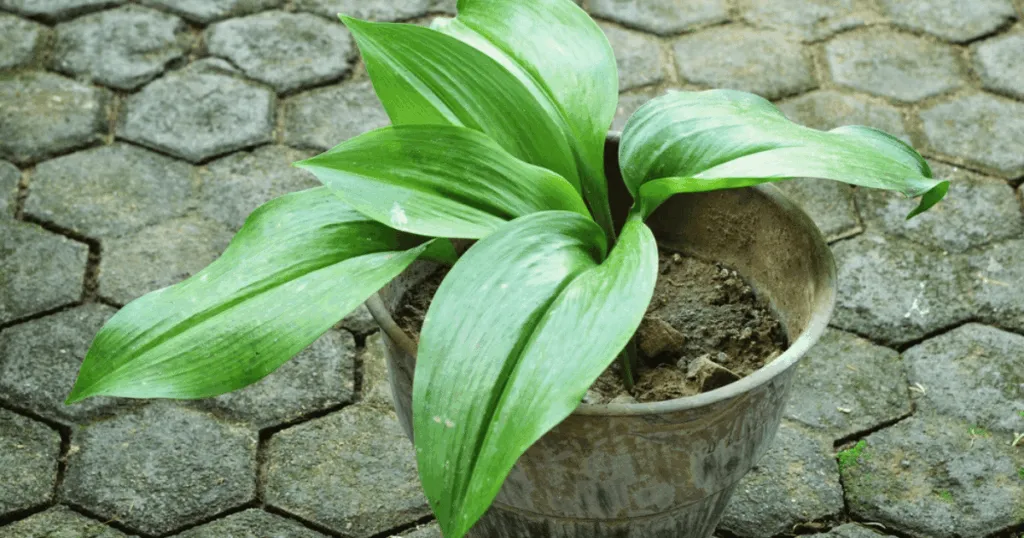
The Indestructible Office Companion: Why the Cast Iron Plant Thrives Where Others Fail
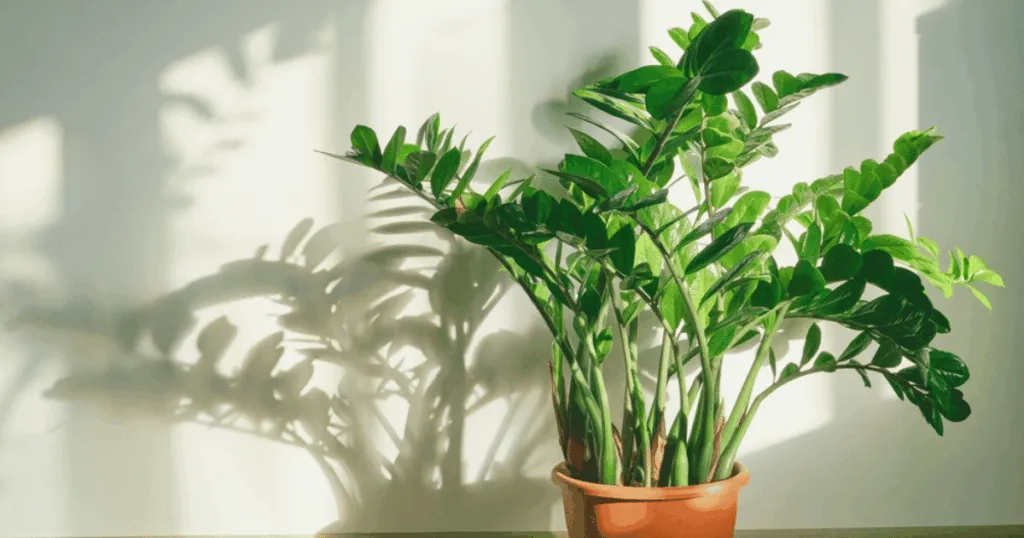
The ZZ Plant: A Reliable Office Staple
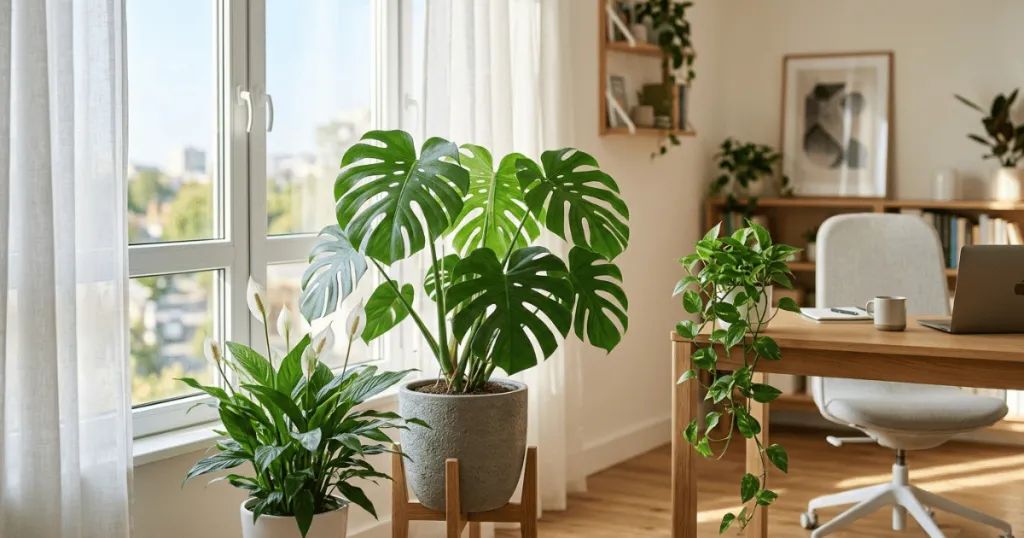
Best Office Plants for Indirect Sunlight
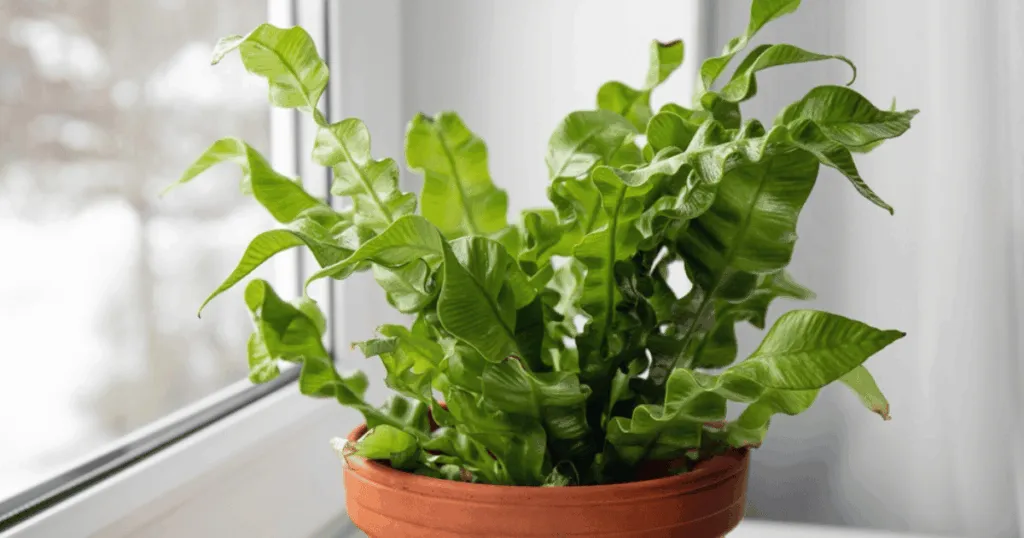
Can a Bird’s Nest Fern Thrive in Your Office? A Realistic Assessment