Figuring out how often to water office plants is less about following a rigid calendar and more about reading the microclimate of your workspace. Unlike a residential home with fluctuating seasons and open windows, a typical office features sealed environments, steady fluorescent or LED lighting, and constant climate control that dries out soil much faster than most people expect. Relying on a fixed seven-day schedule often leads to either root rot from chronic overwatering or severe dehydration from missed weekends and holiday closures.
Understanding the true rhythm of office hydration requires looking past the foliage and examining how potting mix, container materials, and ambient airflow interact beneath the surface. When you know which diagnostic signs to check before reaching for the watering can, keeping desk succulents, floor monsteras, and breakroom pothos alive becomes a predictable routine rather than a guessing game.
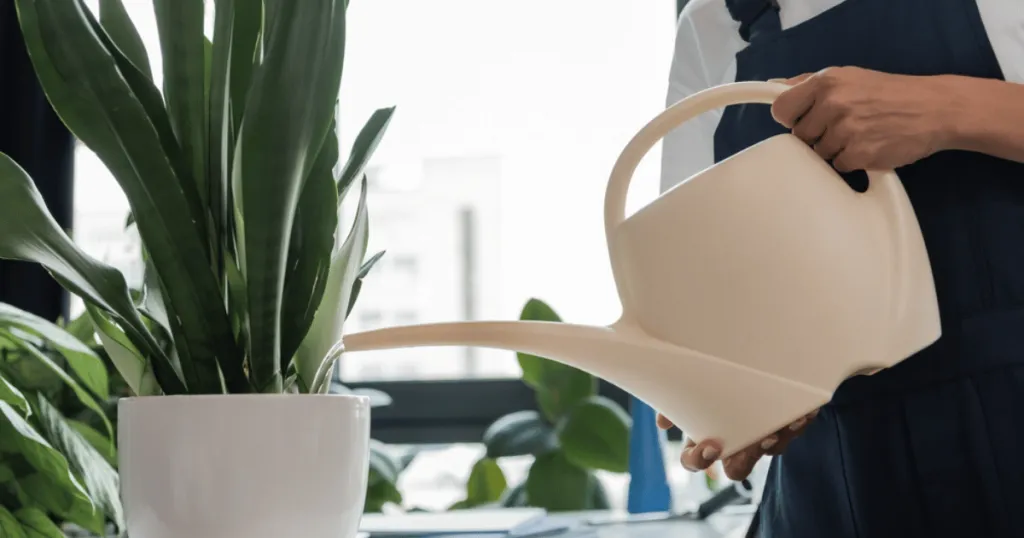
The Core Factors Driving Office Plant Watering Frequencies
No two office zones share the exact same atmospheric conditions, which explains why a generic watering rule never works across an entire building. A desk directly beneath a ceiling air vent experiences vastly different evaporation rates than a corner reception area with indirect natural light. Recognizing these environmental pressures helps you tailor your approach to each specific plant.
Facility managers and desk occupants alike must weigh these localized microclimates against seasonal building adjustments to maintain vibrant workplace greenery maintenance without drowning or starving their specimens of moisture.
HVAC Systems and Indoor Humidity
Commercial heating, ventilation, and air conditioning systems are designed to keep humans comfortable, which usually means maintaining a relative humidity level between thirty and forty percent. This dry, moving air acts like a sponge on exposed potting soil, pulling moisture from the top layer within hours of a deep soak. Office plants subjected to constant drafts from overhead vents dry out twice as fast as plants sitting in stagnant air, requiring shorter intervals between watering sessions.
When evaluating an office plant care schedule, facility managers must factor in how seasonal shifts in air conditioning and heating output alter indoor humidity throughout the work week. Furthermore, the constant cycling of HVAC systems creates a persistent indoor microclimate that strips moisture from foliage through accelerated transpiration, demanding vigilant soil checks even if the office feels cool to the touch.
Container Types and Drainage Realities
The pot your greenery lives in dictates how long moisture remains trapped around the root ball. Plastic nursery pots and glazed ceramic containers hold water for extended periods because moisture can only evaporate through the top soil surface. Conversely, unglazed terracotta pots allow air and moisture to pass through their porous walls, accelerating soil drying times significantly.
Furthermore, office planters lacking proper drainage holes create hidden water reservoirs at the bottom, making it easy to drown roots even when the topsoil feels dry to the touch. This dynamic forms the backbone of any reliable indoor plant watering guide, reminding caretakers that pot material is just as important as plant species when timing hydration. Selecting the right container directly influences the soil moisture profile, dictating whether oxygen can adequately reach the root zone during extended periods between office visits.
Lighting Quality and Seasonal Growth Shifts
Office lighting directly influences cellular activity and transpiration rates. Plants placed near bright windows or directly under intense LED grow lights process water quickly during active growth phases. Conversely, specimens tucked into interior conference rooms with only artificial overhead illumination slow their metabolism down, using very little water over the course of a month. Seasonal shifts still matter indoors, too, as building heating cycles in winter and stronger sun angles in summer alter moisture needs even inside climate-controlled buildings.
Understanding how to water desk plants requires paying close attention to whether the workspace relies on natural daylight or sustained fluorescent lighting. When fluorescent lighting remains on for long hours, plants may experience a prolonged growing season that breaks traditional winter dormancy rules, requiring careful adjustments to your watering frequency.
Evaluating Soil Moisture Before Every Pour
Before adding water to any office container, a physical check of the root zone is essential. Surface soil can look completely dry and tan while the soil surrounding the lower roots remains waterlogged and dense. Professional plant care relies on tactile testing rather than visual assumptions.
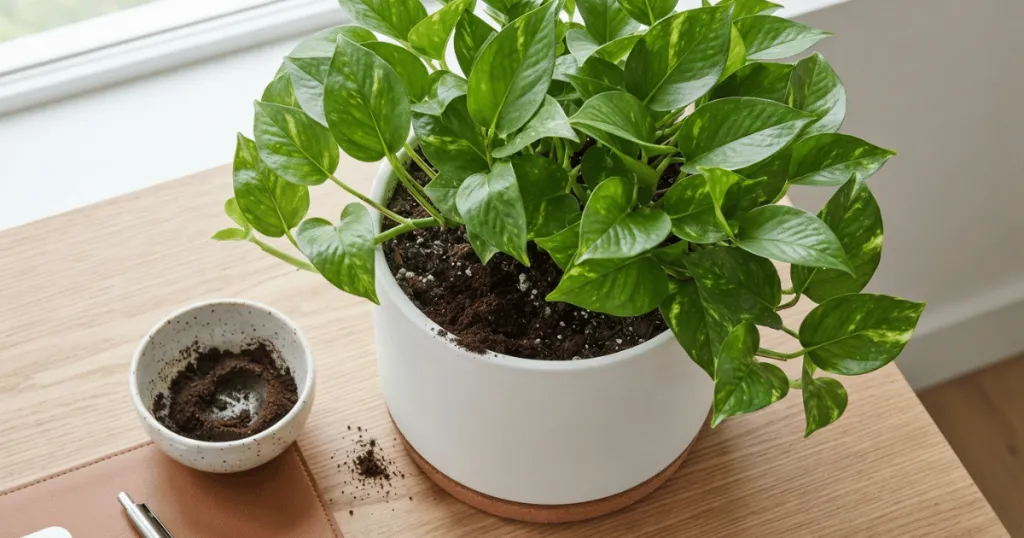
The finger test remains the most reliable baseline method for standard office containers. Push your index finger two inches deep into the potting mix. If the soil particles feel cool and damp against your skin, skip watering for another few days. If the mix feels dry and crumbly at that depth, it is time to hydrate. For larger floor plants in heavy decorative containers, a wooden moisture meter dowel pushed all the way to the bottom of the pot serves as a reliable deep-soil probe.
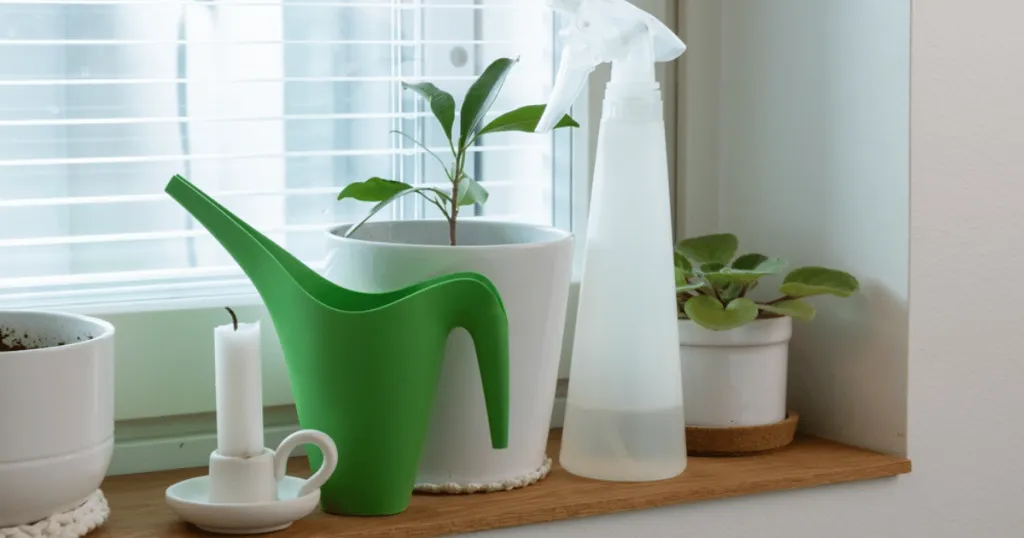
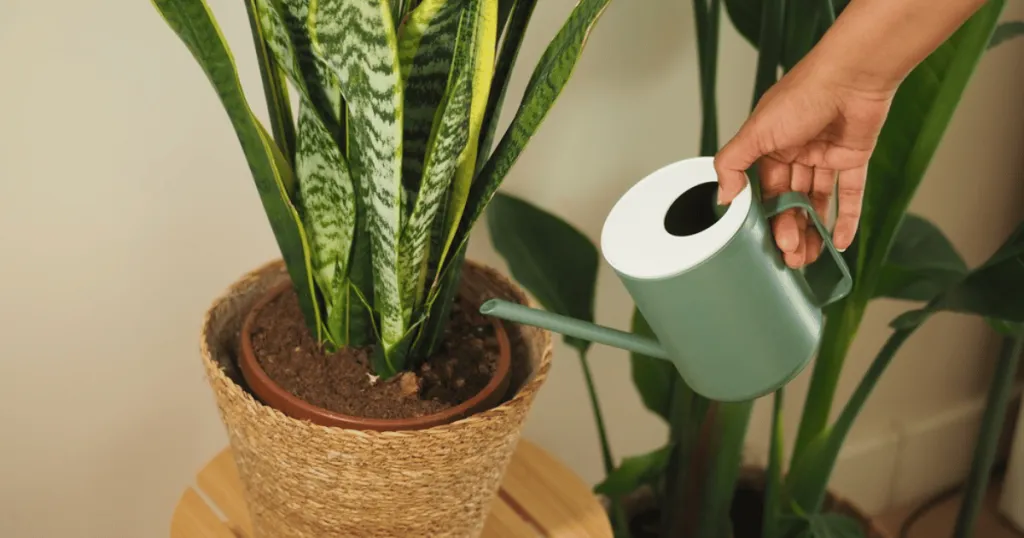
When you do water, provide a thorough soaking until excess liquid runs freely out of the bottom drainage holes, then ensure the container is fully drained before placing it back into its decorative outer cachepot. Letting a plant sit in standing water inside a sealed saucer is the fastest way to suffocate roots and invite fungal issues. Utilizing a dedicated watering can with a narrow spout helps prevent accidental splashing over office desks and keyboards while allowing you to direct moisture precisely where it is needed.
Navigating Office Schedules, Weekends, and Holidays
The unique operational schedule of a workplace introduces distinct challenges for plant health. Buildings that shut down completely over weekends or multi-day holidays experience changes in HVAC output and indoor temperature stability, which temporarily alters how plants consume moisture.
A common mistake is giving office plants an extra-heavy drenching on Friday afternoon just to tide them over until Monday, assuming they will drink it all. If the container lacks adequate drainage or if the lighting dims when the office lights turn off for the weekend, that excess moisture lingers too long, creating an anaerobic environment in the soil. Instead, maintain your normal evaluation routine. Water plants only when their soil condition dictates it, regardless of what day of the week it is on the corporate calendar.
During extended holiday breaks like winter shutdowns or summer shutdowns, group moisture-loving plants together away from direct sun and heat vents. This clustering technique raises local humidity slightly and slows down soil evaporation rates without requiring automated watering contraptions that often malfunction in empty offices. Relying on simple grouping strategies rather than complex automated watering risks prevents catastrophic over-saturation events while staff are away from the premises.
Common Watering Mistakes in Commercial Workspaces
Office environments encourage specific habits that can harm indoor greenery over time. Being aware of these pitfalls allows you to adjust your maintenance routine before permanent damage occurs.
- Sip watering: Giving plants a tiny splash of water every single day only dampens the top crust of soil while leaving the actual root zone bone dry. Always water thoroughly and infrequently rather than frequently and shallowly.
- Ignoring drainage: Using decorative cachepots without inner drainage liners turns your container into a swamp. Excess water must always escape freely away from the roots.
- Matching office hours: Assuming plants need water simply because you are back at your desk on Monday morning. Always check the soil moisture first rather than adhering to a strict calendar routine.
- Forgetting water temperature: Using ice-cold water straight from a breakroom tap can shock tropical root systems. Let tap water sit in a watering can for an hour to reach room temperature before applying it.
By shifting your focus from a rigid calendar to physical soil checks and environmental awareness, you can maintain healthy, vibrant office plants that thrive despite the artificial demands of a modern workspace.
FAQ
Should I use ice cubes to water my office desk plants?
We generally advise against using ice cubes on office plants. While popular for certain home orchids, melting ice introduces freezing water directly to tropical root zones, causing thermal shock and root damage. Room-temperature tap water applied thoroughly is always the safer approach.
How do I know if my office plant is overwatered or underwatered?
Both conditions often cause yellowing leaves, but the texture tells the story. Overwatered plants feature soft, mushy stems and wet soil that smells earthy or sour. Underwatered plants display crispy, brown leaf tips and soil that has shrunk away from the sides of the pot.
Does filtered or bottled water matter for office plants?
Most office plants tolerate standard tap water well, but if your local municipal supply contains high levels of dissolved salts or chlorine, sensitive species like prayer plants or dracaenas may develop brown leaf tips. Allowing tap water to sit out overnight in an open watering can allows chlorine gas to dissipate before use.