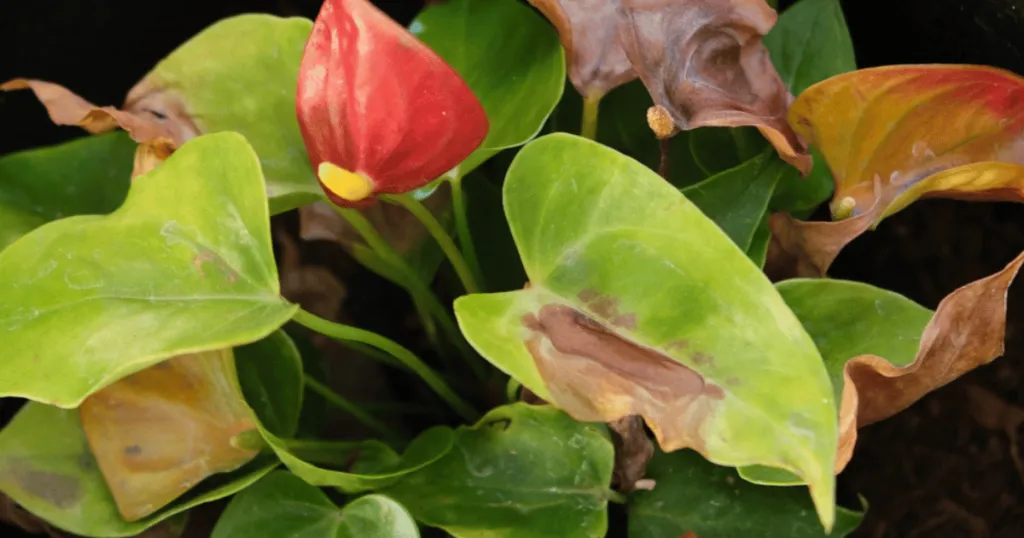
Finding your office anthurium looking less than its best can be discouraging, but these plants are resilient and often signal their needs quite clearly. Most anthurium problems stem from environmental stressors typical of workplace settings, such as inconsistent watering, low humidity, or inadequate light. When you notice discoloration or drooping, the issue is almost always a manageable reaction to one of these three factors rather than a terminal condition.
By identifying the specific symptom, you can quickly adjust your care routine to restore your plant to its vibrant, glossy state. Whether you are managing a single desk plant or a collection in a reception area, the path to recovery usually involves minor tweaks to your maintenance schedule rather than drastic interventions.
Bottom Line
Most anthurium problems are caused by overwatering or low humidity. If your plant shows yellowing or soft stems, reduce watering immediately. If leaves are crisp or brown-tipped, increase humidity. Only consider repotting or root intervention if these environmental adjustments fail to show improvement after two weeks.
Quick Checks for Immediate Relief
Before assuming the worst, perform a physical inspection of the plant and its container. Start by checking the soil moisture level. Anthuriums prefer to have the top inch of their growing medium dry out between waterings. If the soil feels consistently soggy or the pot is sitting in standing water, you are likely dealing with early-stage root stress. Lift the plant out of its decorative cover pot to ensure it is not resting in a pool of water, which is a common oversight in busy office environments where plants are watered by different staff members.
Next, evaluate the light exposure. Anthuriums thrive in medium to bright indirect light. If your plant is placed in a dark corner or deep within a windowless office, its growth will stall and the leaves may lose their deep green luster. Conversely, if it sits directly in a harsh, south-facing window, the leaves might develop scorched, bleached spots. Move the plant to a spot where it receives bright, filtered light, such as a few feet away from a window or under consistent, high-quality LED office lighting.
Symptom-Based Diagnosis and Solutions
Use this guide to match your plant’s current appearance with the most likely cause and the corresponding fix.
| Symptom | Likely Cause | Immediate Fix |
|---|---|---|
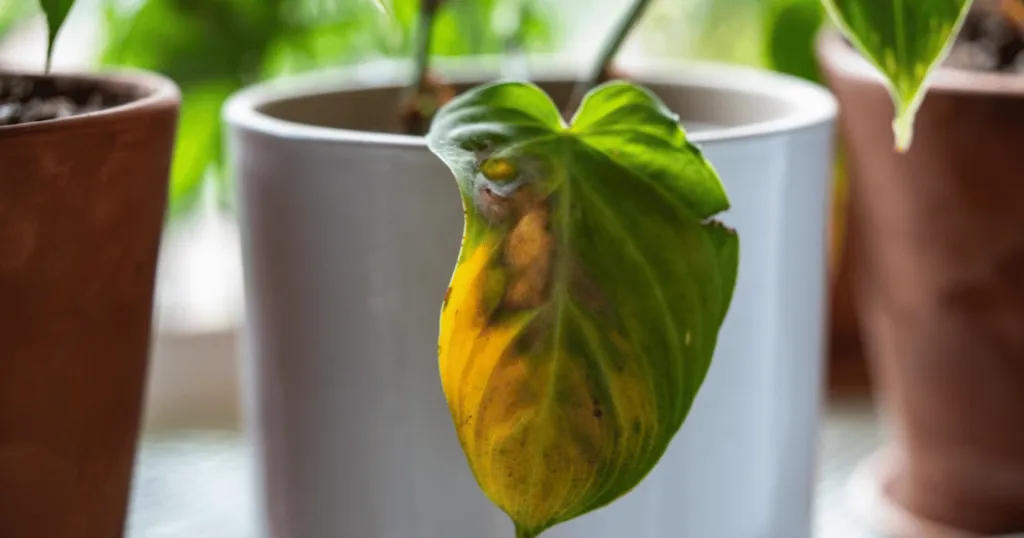
| Yellowing leaves | Overwatering | Pause watering; check drainage |
| Brown, crispy edges | Low humidity | Use a humidifier or pebble tray |
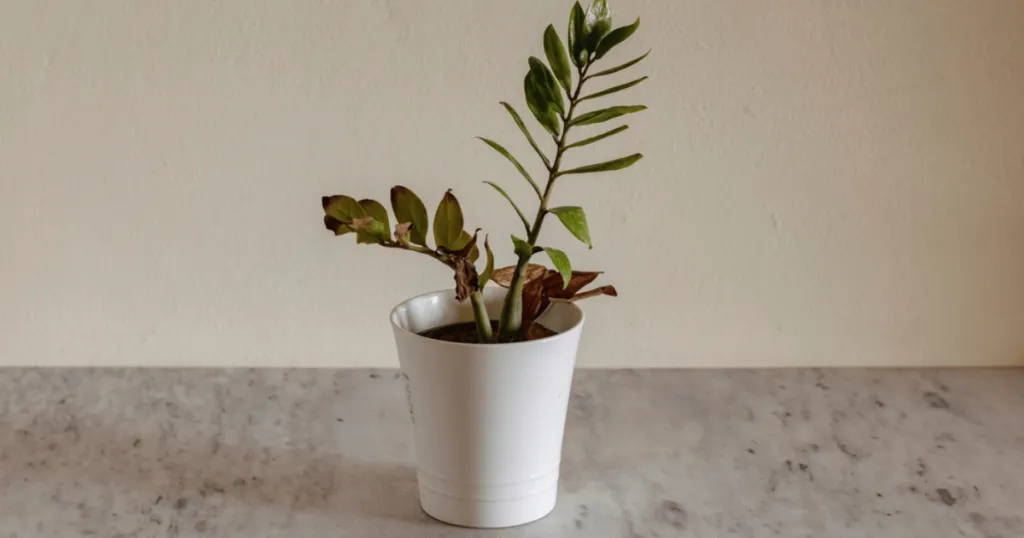
| Drooping foliage | Dehydration or root rot | Check soil moisture; adjust frequency |
| Stalled growth | Insufficient light | Move to brighter indirect light |
| Small, deformed leaves | Nutrient deficiency | Apply balanced liquid fertilizer |
Addressing Overwatering and Root Health
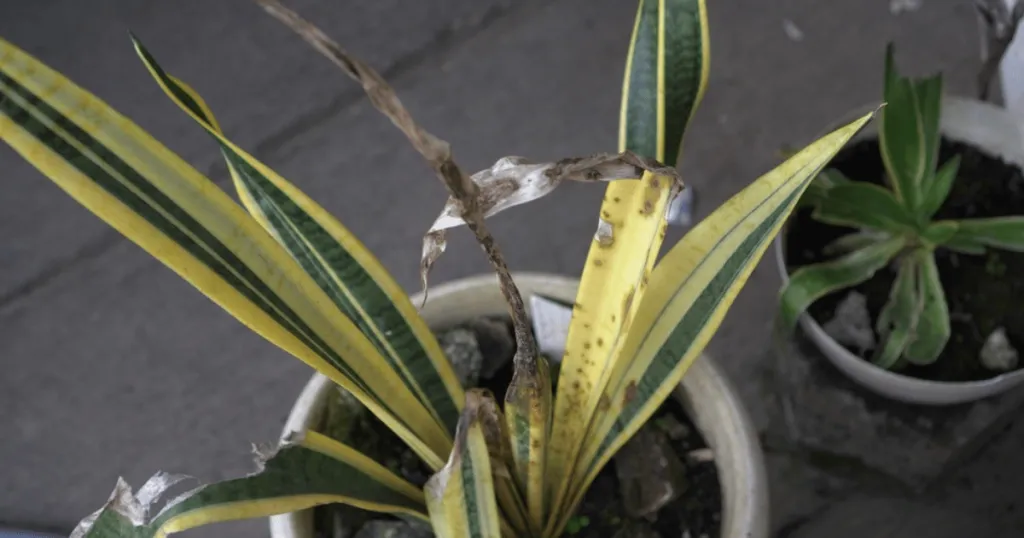
Overwatering is the single most common cause of anthurium problems in office settings. Anthuriums are epiphytic in nature, meaning they appreciate a chunky, well-draining soil mix that allows air to reach the roots. When the soil stays saturated, the roots cannot breathe, leading to decay. If you notice yellowing leaves that feel soft or mushy, stop watering immediately. Allow the soil to dry out significantly, perhaps even letting the top two inches become dry to the touch.
If the plant does not recover after a week of dry soil, you may need to inspect the root system. Gently slide the plant out of its pot. Healthy roots should be firm and white or tan. If you find dark, mushy, or foul-smelling roots, you are dealing with root rot. Trim away the damaged sections with clean shears and repot the plant in fresh, high-quality, bark-heavy potting mix. Ensure the new pot has adequate drainage holes, as this is non-negotiable for long-term health.
Managing Humidity and Leaf Health
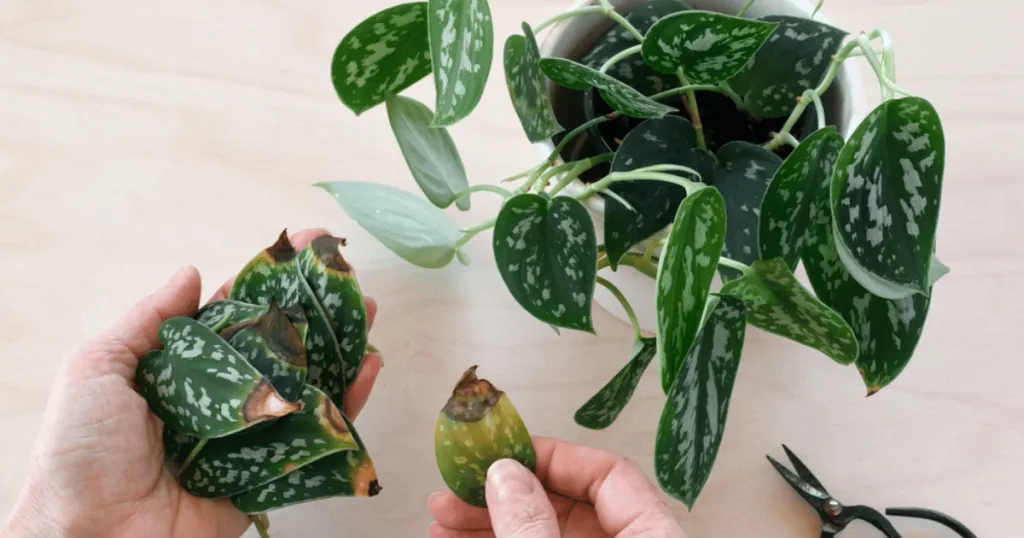
Office environments are notorious for low humidity due to constant HVAC operation. Anthuriums require above-average humidity to maintain their glossy foliage and healthy flower spathes. If the edges of the leaves are turning brown and crispy, the plant is likely struggling with the dry air. While misting is a common suggestion, it provides only temporary relief and can sometimes encourage fungal issues if the foliage stays wet for too long.
A more effective, long-term solution is to group plants together to create a microclimate or to place the anthurium on a tray filled with pebbles and a small amount of water. Ensure the bottom of the pot sits on the pebbles, not directly in the water, to avoid root rot. If your office has a dedicated humidifier, placing the plant within its range will significantly improve leaf texture and longevity.
Advanced Care and Prevention Habits
Prevention is far easier than recovery. To keep your anthurium thriving, establish a consistent care routine that accounts for the office schedule. If your office is closed on weekends, ensure the plant is not left in a drafty location or near a vent that kicks on during off-hours. Temperature fluctuations can cause stress, leading to leaf drop or stunted flower production.
Fertilization is another area where office plants often fall short. During the active growing season, which typically spans spring through early autumn, provide a balanced liquid fertilizer diluted to half strength once a month. Avoid over-fertilizing, as salt buildup in the soil can cause tip burn on the leaves. Always flush the soil with clear water occasionally to prevent mineral accumulation.
Finally, keep an eye out for common pests like spider mites or scale, which thrive in dry, stagnant office air. Regularly wiping the leaves with a damp cloth not only keeps them free of dust, which improves photosynthesis, but also allows you to spot potential infestations early. If you see webbing or small bumps on the stems, wipe them away with a mild soap and water solution.
Understanding Light Dynamics in the Workplace
In many office settings, light is the most misunderstood variable. While anthuriums are often sold as “low light” plants, this is a common misconception that leads to significant anthurium problems. In reality, they are shade-tolerant but thrive in bright, indirect light. In an office, this means they need to be close to a window that is filtered by blinds or sheer curtains.
If you are relying on artificial lighting, ensure the plant is close enough to the light source to receive consistent intensity. If the leaves are reaching or stretching, the plant is signaling that it is light-starved. Conversely, if leaves are bleaching or developing brown, papery patches, the plant is experiencing leaf scorch from direct sun exposure. Finding the “sweet spot” in an office layout often requires trial and error, but once established, the plant will reward you with consistent, glossy foliage.
The Role of Water Quality and Mineral Buildup
Beyond the frequency of watering, the quality of the water itself can cause subtle anthurium problems. Office buildings often have complex plumbing systems that may introduce high levels of minerals or chlorine into the water supply. Over time, these minerals accumulate in the potting medium, creating a crust on the surface or causing the tips of the leaves to turn brown. If you notice a white, powdery residue on the soil surface, it is a sign of salt buildup.
To mitigate this, consider using filtered water or allowing tap water to sit in an open container for 24 hours before use. This simple practice helps dissipate chlorine and allows the water to reach room temperature, preventing thermal shock to the root system, which is particularly important in drafty, climate-controlled offices.
Navigating Seasonal Transitions
Office environments are often kept at a constant temperature, but seasonal changes outside can still impact indoor plants. During winter months, even in climate-controlled offices, the air often becomes significantly drier as heating systems work harder. This is when you will see the most frequent anthurium problems related to humidity. During these periods, be extra vigilant about checking soil moisture, as the plant’s metabolic rate may slow down, meaning it requires less water than it did in the summer.
Adjusting your watering frequency to match the season is a hallmark of expert office plant maintenance. If you notice the plant is not growing during the winter, do not force it with extra fertilizer or water; allow it a period of dormancy, which is natural and healthy.
Safety and Toxicity Considerations
It is important to note that anthuriums contain calcium oxalate crystals, which can cause irritation if ingested. According to guidance from the ASPCA on toxic and non-toxic plants, these crystals are harmful to cats and dogs if chewed or swallowed. In an office setting, ensure the plant is placed in a location inaccessible to office pets or curious individuals. If you have concerns about accidental ingestion, opt for a higher shelf or a secure reception area where the plant is purely decorative.
Frequently Asked Questions
- Why are my anthurium flowers turning green? As anthurium spathes age, they naturally transition from their vibrant color to a green hue before eventually fading. This is a normal part of the life cycle and does not indicate a health problem.
- Can I use tap water for my anthurium? Yes, but if your local water is heavily chlorinated or contains high mineral content, let it sit out for 24 hours before watering. This allows chlorine to dissipate and helps the water reach room temperature, which is less shocking to the roots.
- How often should I repot my anthurium? You generally only need to repot every two to three years. Anthuriums prefer to be slightly root-bound. Only repot if the roots are visibly circling the bottom of the pot or if the soil has broken down and no longer drains well.
- Why is my anthurium not blooming? The most common reason for a lack of flowers is insufficient light. While the plant can survive in lower light, it needs bright, indirect light to produce new spathes. Ensure it is in a spot where it receives plenty of ambient brightness throughout the day.