Affiliate Disclosure: As an Amazon Associate, I earn from qualifying purchases.
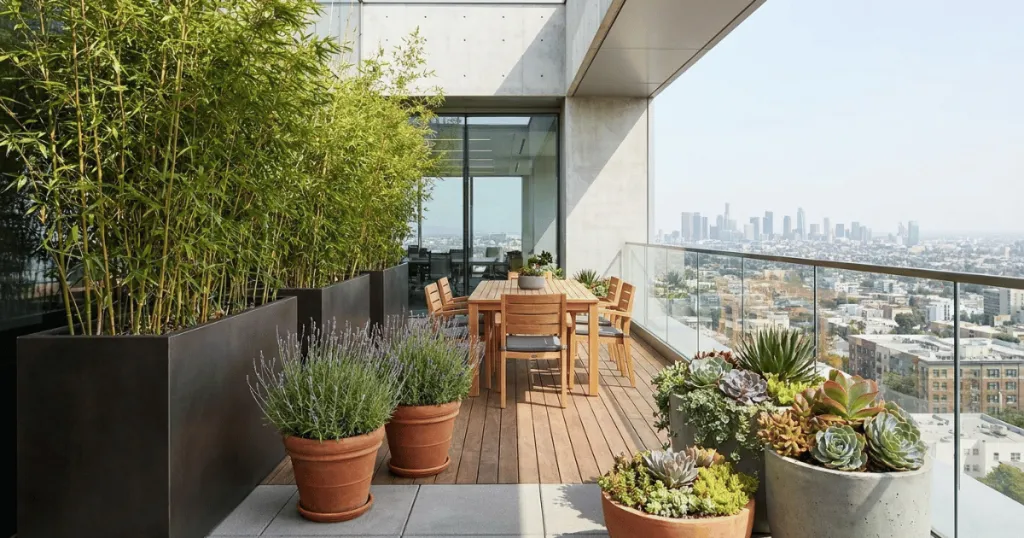
Selecting greenery for exterior corporate environments begins with analyzing the architectural challenges of your building’s footprint, from shaded entryways to sun-baked concrete patios. Facilities managers and office operations teams choosing the best outdoor plants for office properties must balance aesthetic impact with practical survival metrics like wind resistance, seasonal temperature shifts, and irregular watering cycles. Rather than treating exterior groundskeeping as an afterthought, curating resilient exterior container displays establishes an immediate professional impression for visitors before they even cross the threshold.
When curating this selection, we evaluate plants based on structural durability, root system adaptability in commercial pots, and tolerance of urban microclimates. The following seven botanical selections offer reliable performance for office exterior spaces, transforming exposed concrete surfaces and breezy courtyards into vibrant, professional extensions of the workplace.
Quick Facts
- Match plant hardiness zones to your regional climate.
- Exterior containers demand reliable drainage holes.
- Wind exposure dictates plant stem and frond strength.
- Sunlight hours determine whether species need full sun or shade.
Selection Criteria for Exterior Workplace Botany
Landscaping corporate exteriors involves distinct challenges compared to interior desk placements or indoor atriums. When selecting outdoor specimens, facilities managers must evaluate wind shear around high-rise structures, reflective heat radiating off asphalt parking lots, and the physical proximity of foot traffic. A plant that thrives in a protected interior corner will quickly scorch or break when exposed to rooftop gusts or unbuffered midday sun. Our editorial review prioritizes structural resilience, manageable maintenance schedules, and strong visual impact for corporate settings.
Durability under variable watering schedules is another vital metric. Unlike indoor rooms with climate-controlled stability, exterior building zones experience sudden summer heatwaves, heavy downpours, and unexpected dry spells. Selecting resilient varieties reduces the need for constant plant replacements and keeps your groundskeeping budget predictable throughout the fiscal year.
Top Exterior Selections for Corporate Properties
Yucca
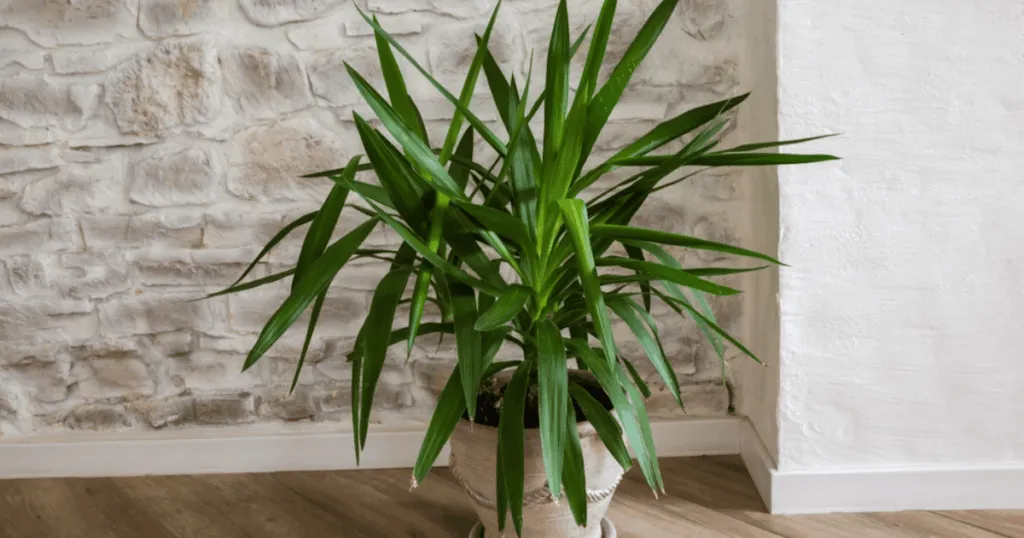
For high-intensity sun and minimal soil moisture, Yucca stands out as an architectural anchor near parking structures or sunny south-facing walls. Its sword-like foliage provides a striking focal point that demands very little hands-on maintenance once established. Plant health relies heavily on sharp soil drainage because standing water in exterior containers quickly causes root rot.
When implementing Yucca in an exterior corporate layout, office facilities teams should consider its rigid architectural growth habit. The stiff, pointed leaves require placement away from narrow walkways or main entry thresholds where visitors might brush against them. In container settings, utilizing heavy terracotta pots prevents the top-heavy structure from catching wind and tipping over. Its high drought tolerance makes it exceptionally forgiving during dry summer stretches when manual irrigation schedules may slip.
Croton
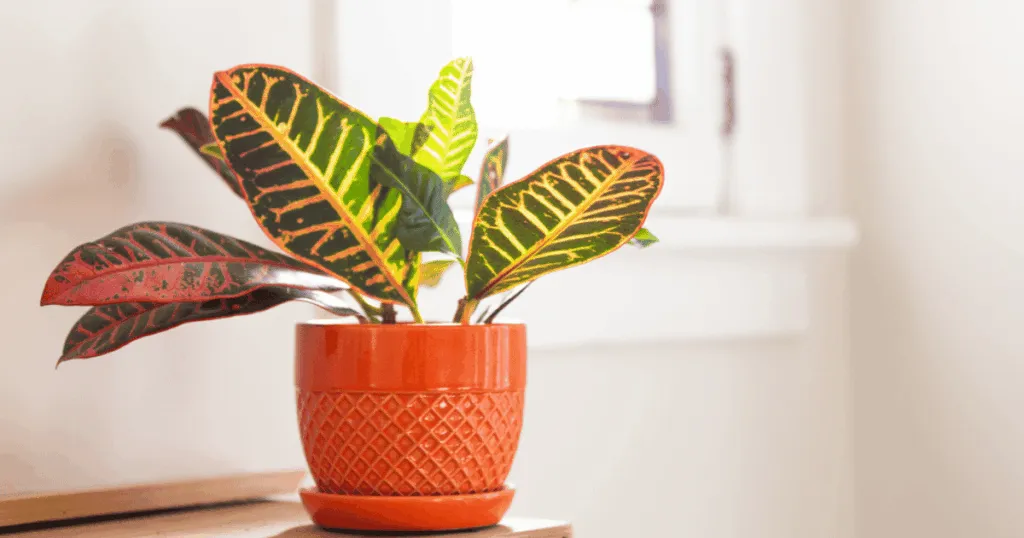
Where vibrant color is required near sheltered corporate entryways, Croton delivers brilliant yellow, orange, and red foliage. This specimen requires bright light to maintain its intense color saturation and should be shielded from harsh freezing temperatures. In cooler climates, these serve as seasonal warm-weather accents rather than permanent landscape fixtures.
Managing Croton outdoors demands attention to sudden environmental shifts. Because they dislike drafts and temperature shocks, placing them right inside open-air breezy corridors can trigger unexpected leaf drop. Facilities managers should select protected semi-shaded patios or alcoves where the plant receives ample bright indirect to direct light without being subjected to violent wind funnels. Regular cleaning of the large, glossy leaves also helps prevent dust buildup from urban traffic.
Schefflera
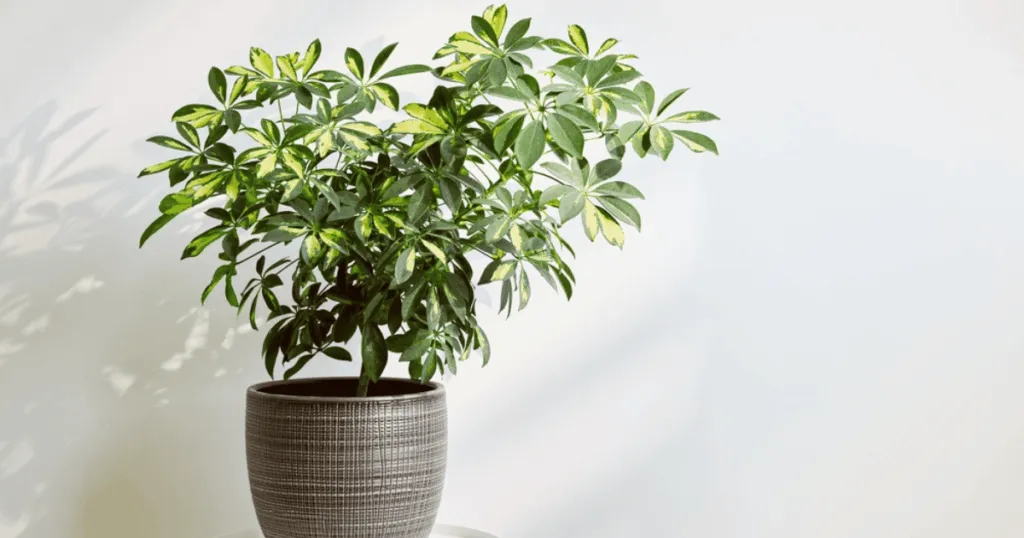
Commonly known as the umbrella tree, Schefflera adapts well to large exterior pots placed beneath covered walkways or open-air reception patios. Its glossy compound leaves create a lush canopy that softens hard architectural lines. Regular monitoring of soil moisture prevents premature leaf drop during periods of intense summer heat.
Schefflera serves as an ideal structural bridge between indoor office aesthetics and outdoor landscape architecture. When grown in exterior containers, it responds well to being pruned into a tree-like shape, creating a polished, professional canopy. While it tolerates typical office lighting changes when transitioned outside, it must be shielded from direct, unfiltered midday sun in hotter southern climates to prevent leaf scorching.
Areca Palm
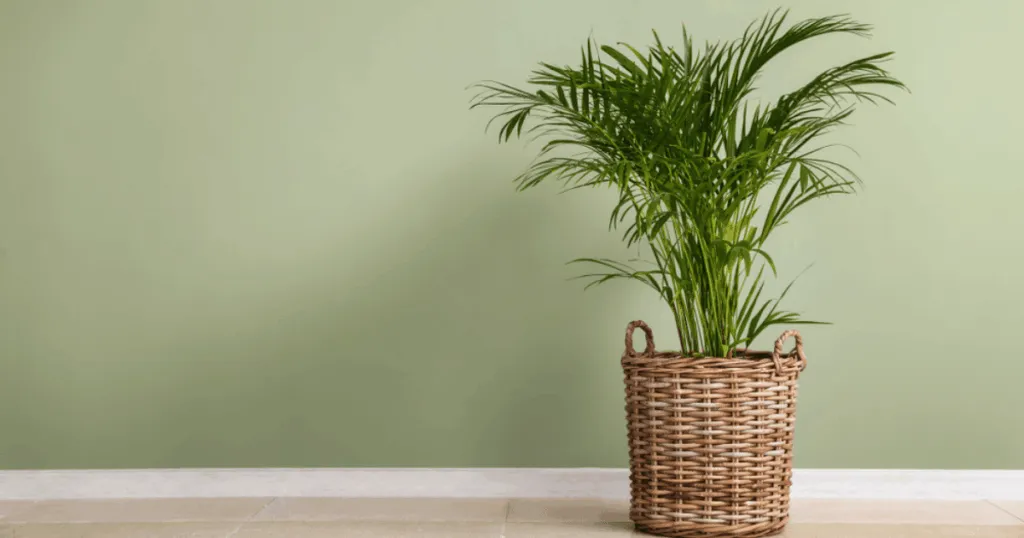
To establish a tropical resort aesthetic around corporate swimming pools or outdoor break areas, Areca Palm offers multi-stemmed elegance and fine-textured fronds. This species demands consistent moisture and bright indirect light to prevent the development of brown leaf tips. Protection from harsh drying winds is essential to preserve the integrity of the delicate fronds.
The Areca Palm is a popular choice for larger corporate courtyards, but its delicate fronds require thoughtful microclimate placement. High winds can shred the fine foliage, so positioning them near protective exterior walls or glass wind-breaks preserves their visual appeal. Because they prefer higher humidity, placing them near water features or on misted shaded patios keeps them looking fresh throughout the warm season.
English Ivy
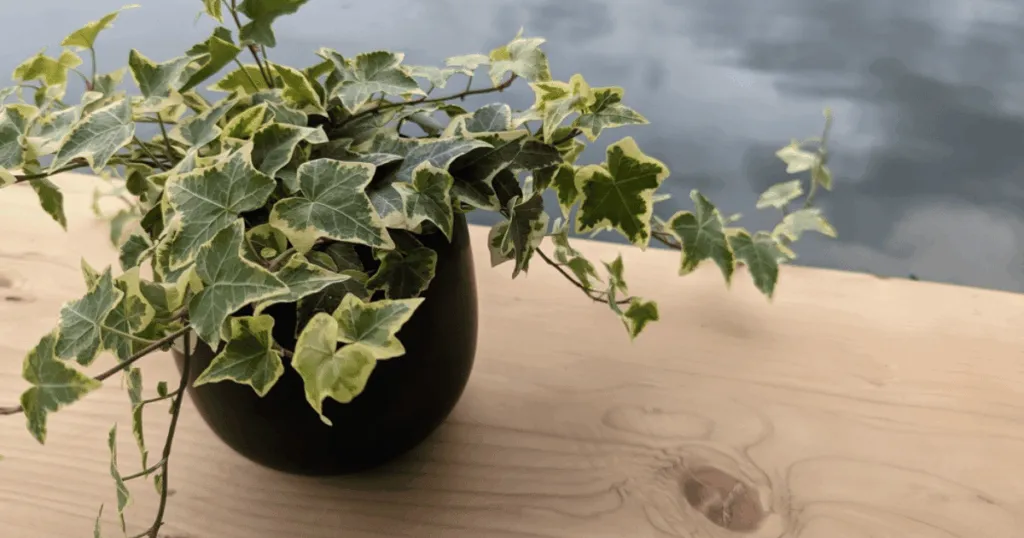
When covering retaining walls or cascading from elevated planters near exterior stairwells, English Ivy provides dense, reliable green coverage. This vigorous grower adapts well to varying light levels from deep shade to partial sun. Pruning back excess growth keeps walkways clear and maintains a neat professional appearance for visiting clients.
English Ivy acts as an exceptionally reliable trailing element for upper-story window boxes and multi-level corporate parking structures. However, its vigorous spreading nature means facilities teams must schedule routine trimming to prevent it from encroaching on security cameras, signage, or doorways. In dry, low-humidity exterior microclimates, monitoring for common pests like spider mites is essential to preserve its deep green color.
Jade Plant
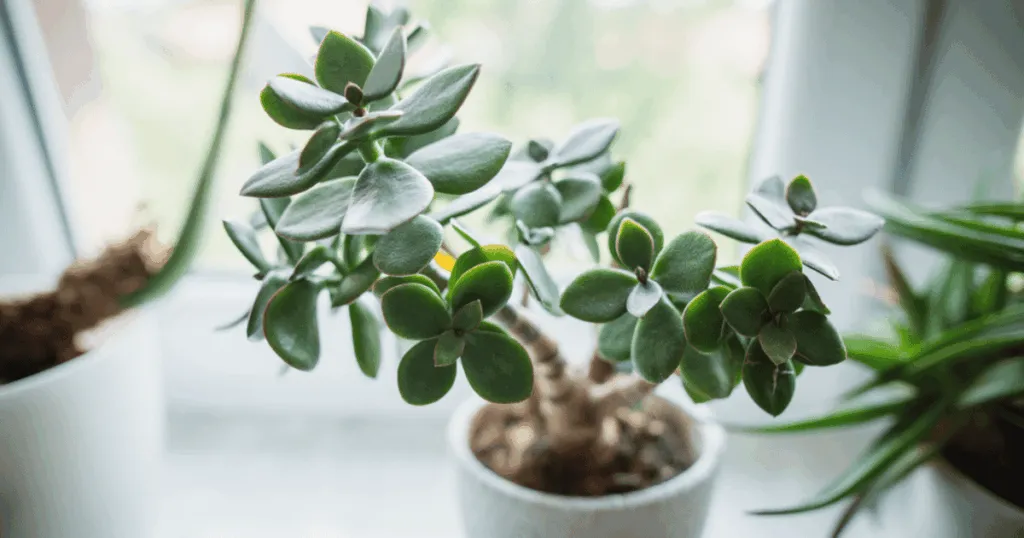
For sheltered, sunny windowsills on exterior building ledges, Jade Plant offers succulent resilience and woody stems that mimic miniature trees. Its thick, water-storing leaves allow it to endure missed watering cycles during busy corporate seasons. Overwatering remains the primary risk for outdoor container specimens exposed to frequent summer thunderstorms.
Because Jade Plants store moisture within their thick leaves and stems, they easily handle the irregular watering routines common in busy corporate campus maintenance schedules. However, their succulent nature makes them vulnerable to waterlogged soil. Ensuring containers feature ample drainage holes and gritty, well-draining soil mixes prevents root rot during heavy seasonal downpours.
Norfolk Island Pine
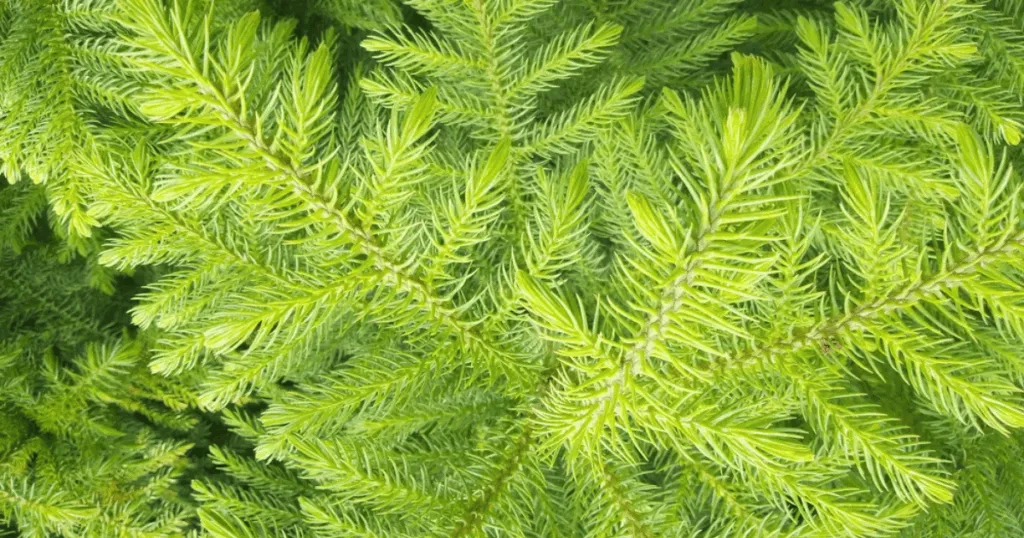
Serving as a living structural element for exterior holiday displays or permanent shaded terrace corners, Norfolk Island Pine provides symmetrical evergreen boughs. This option prefers bright indirect light and sheltered microclimates away from severe winter freezes. Keeping the root ball evenly moist prevents lower branch dieback and preserves the iconic tiered silhouette.
The Norfolk Island Pine brings a sophisticated, evergreen conifer look to corporate terraces without the massive scale of full-sized outdoor pine trees. Because it is sensitive to severe frost, it functions primarily as a warm-season patio plant in colder regions or a permanent outdoor fixture in mild maritime climates. Providing consistent moisture prevents the lower branches from turning brown and shedding prematurely.
Placement Strategies for High-Traffic Corporate Zones
Positioning exterior greenery requires careful navigation of pedestrian flows, delivery routes, and security sightlines. Placing large containerized specimens near main entrance doors creates a natural framing effect that guides visitors toward reception desks while softening industrial concrete surfaces. However, sprawling branches or thorny foliage must be kept well back from pedestrian walkways to prevent snagging clothing or blocking wheelchair access.
Courtyards and outdoor employee break areas benefit from layered plantings where taller architectural trees provide overhead shade, while smaller potted accents define seating zones. Matching container weight to wind exposure is equally critical. Large heavy terracotta or fiberglass planters prevent tall specimens from tipping over during sudden seasonal squalls, protecting both property and passersby.
When designing exterior corporate layouts, facilities teams must also account for lighting conditions cast by architectural overhangs and security fixtures. Evening illumination can highlight architectural specimens like Yucca or Schefflera, creating a striking nighttime aesthetic for clients arriving after dark. Ensuring that plant maintenance crews have unobstructed access to water sources and drainage grates prevents logistical bottlenecks during routine groundskeeping.
Environmental Factors and Regional Limitations
Exterior office plants are directly subject to local climate realities that interior foliage never encounters. USDA hardiness zones dictate whether a specimen can overwinter outdoors or must be hauled inside before the first autumn frost. Facilities teams should verify regional temperature minimums before investing in perennial exterior landscaping layouts.
Microclimates created by modern glass and steel buildings also alter local growing conditions. Urban heat islands, wind tunnels between skyscrapers, and reflective glare from glass facades can dramatically increase ambient temperatures and accelerate soil moisture evaporation. Choosing tough structural varieties ensures your exterior aesthetic holds up despite these demanding microclimatic pressures.
Routine maintenance protocols must account for seasonal rainfall shifts and automated irrigation coverage gaps. While summer months might require daily container watering during heatwaves, autumn rains often demand reduced irrigation to prevent waterlogged root systems. Establishing a seasonal checklist ensures your facility groundskeeping remains proactive rather than reactive.
Operational Maintenance and Seasonal Transitioning for Business Landscapes
Maintaining a polished corporate exterior requires a structured protocol that accommodates both plant biology and facilities management workflows. Unlike traditional in-ground landscaping beds, exterior container gardens rely entirely on the growing medium captured within the pot. This creates specific nutrient depletion risks as frequent watering leaches essential minerals from the soil. Implementing a slow-release fertilizer schedule during the active spring and summer growing seasons ensures that heavy feeders like Crotons and Areca Palms maintain vibrant coloration without requiring constant chemical applications.
Another operational consideration is container substrate composition. Standard garden soil is far too dense for commercial pots, retaining excessive moisture and suffocating root systems after heavy downpours. Facilities groundskeeping teams should specify coarse, well-draining potting mixes blended with perlite or pumice to enhance air porosity. This structural integrity prevents soil compaction over time, ensuring that roots can efficiently access oxygen even when automated drip irrigation systems run on strict, unyielding timers.
Transitioning plants between seasons also requires logistical foresight. In regions subject to freezing winter temperatures, tender specimens like Jade Plants and Crotons must be moved indoors or transferred to heated atriums before the first hard frost. Establishing a designated staging area for overwintering tender outdoor office plants prevents last-minute scrambles and protects your capital investment in commercial greenery year after year.
FAQ
Can indoor office plants be moved outside during summer months?
Many indoor species thrive outdoors during warm weather if transitioned gradually. Moving them straight from low-light interiors into intense outdoor sun causes severe leaf scorch. Acclimatize plants slowly over two weeks by placing them in deep shade before exposing them to brighter conditions.
How do you prevent outdoor office plant containers from blowing over in wind tunnels?
High-rise corporate architecture often creates strong wind tunnels around entryways. Combat tipping by using heavy stone, concrete, or thick fiberglass planters, and place gravel or heavy bricks in the bottom of the container to lower the center of gravity.
What is the best way to manage watering schedules for exterior office pots?
Exterior containers dry out much faster than indoor pots due to wind and solar radiation. Check soil moisture daily during summer heatwaves by inserting a finger two inches into the potting medium rather than relying on a fixed calendar schedule.
How do you protect outdoor office plants from unexpected winter freezes?
Potted plants lack the ground insulation of in-ground landscaping, making their roots vulnerable to sudden freezes. Move containers against warm building walls, wrap pots in insulating materials, or bring tender tropical specimens indoors before nighttime temperatures drop below freezing.