Affiliate Disclosure: As an Amazon Associate, I earn from qualifying purchases.
Choosing greenery for a corporate workspace requires looking past standard outdoor gardening rules and focusing strictly on indoor survival. When you need the best plants for interior office zones, standard houseplant advice often falls short because it ignores fluorescent lighting, constant HVAC airflow, and dry weekends where no one is around to monitor moisture levels. Office managers and desk workers need dependable selections that tolerate variable indoor climates without demanding constant attention or specialized equipment.
This curated shortlist focuses entirely on proven interior workhorses that handle the realities of modern commercial buildings. Whether you manage a dark executive board meeting room, an open-plan bullpen with zero windows, or a reception desk that needs a welcoming touch, the right species will stay vibrant under artificial illumination while surviving dry air and sporadic watering routines.
If your office is flooded with natural southern sunlight and staff are available daily for delicate pruning, you can experiment with high-maintenance tropicals. However, for windowless interior corridors, constant climate control, and busy teams who only notice plants when they start to droop, the following shortlist outlines the safest, most resilient botanical investments for corporate interiors.
Key Takeaway
- Selecting resilient greenery keeps interior workspaces vibrant despite low light and dry HVAC air.
- Prioritize tough species tolerant of artificial lighting and weekend neglect.
- Verify pet safety if animals roam common corporate or remote work areas.
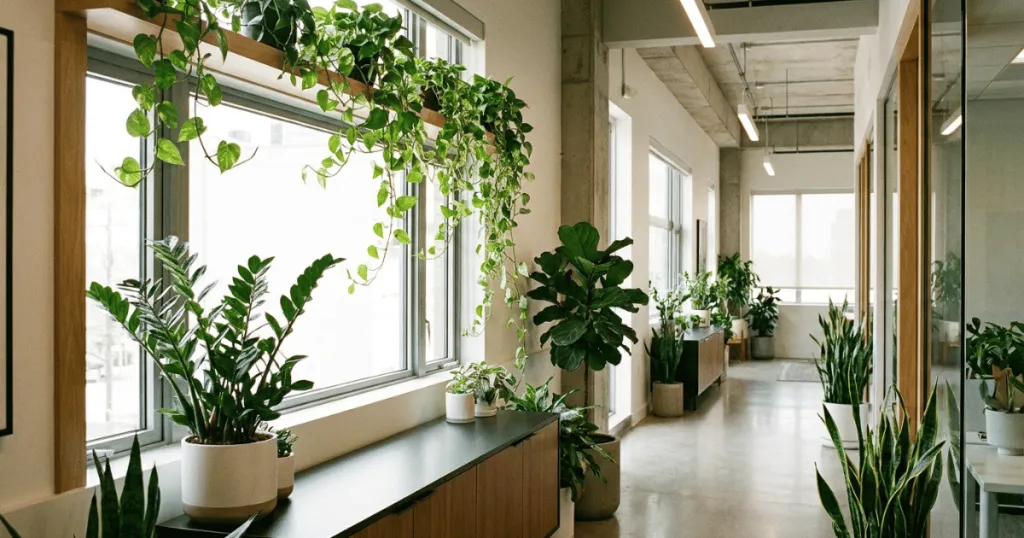
Evaluating Office Plant Criteria Before You Buy
Before adding living decor to your workspace, evaluate the exact environmental factors at play in your building. Most interior rooms rely entirely on fluorescent or LED illumination, which provides a much narrower light spectrum than natural sunlight. Furthermore, central heating and air conditioning systems strip moisture from the air, creating a low-humidity environment that quickly stresses delicate foliage. A successful office specimen must tolerate these artificial conditions while maintaining structural integrity in high-traffic corridors.
Another crucial factor is maintenance tolerance. Workplace greenery is often subjected to the collective care trap, where multiple well-meaning employees water the same pot, leading to root rot, or conversely, everyone assumes someone else is handling it, leading to extreme drought. Selecting resilient specimens with clear moisture thresholds minimizes the risk of sudden decline during busy work quarters.
Understanding these commercial trade-offs helps facilities teams integrate commercial workspace decor successfully. When assessing windowless office greenery, prioritize structural resilience over fragile leaf patterns. Maintaining consistent soil moisture thresholds while enforcing strict root rot prevention protocols ensures that corporate interior landscaping remains vibrant across multi-story buildings without placing an undue burden on staff schedules.
Curated Plant Shortlist for Corporate Interiors
Snake Plant
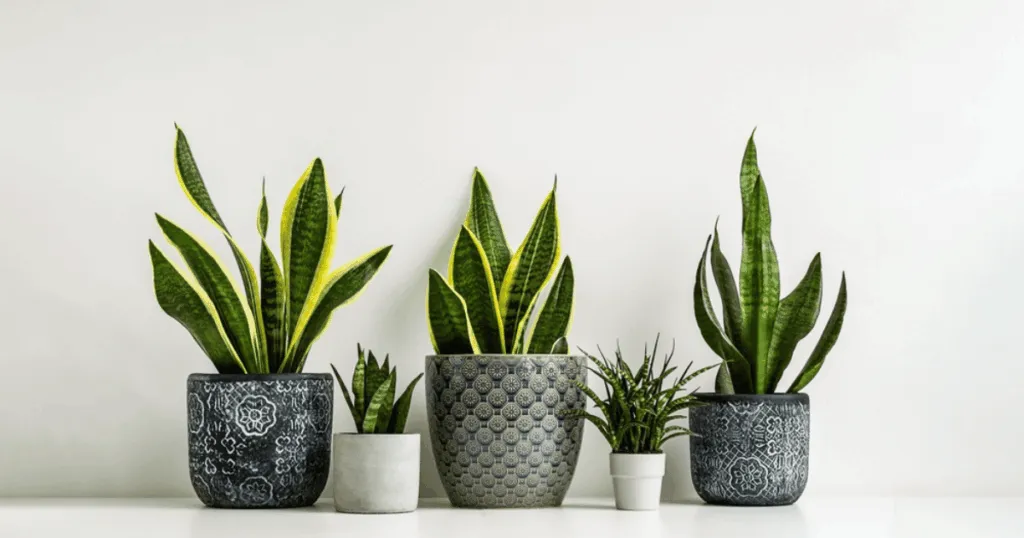
The Snake Plant stands out as one of the most forgiving indoor choices available for modern workspaces. It tolerates low light conditions easily, though it adapts well to bright indirect light if a window is nearby. Its rigid, upright architectural leaves fit neatly into tight corners or beside reception desks without taking up valuable floor space. One important thing many people overlook is that overwatering poses a much greater threat to this species than underwatering, making it ideal for offices that experience extended holiday closures.
From a desk worker’s perspective, this succulent-like species handles dry office air effortlessly. Because it stores moisture in its thick leaves, it easily survives a three-day weekend or even a two-week holiday shutdown without supplemental hydration. When managing multiple desks, office managers value its vertical profile, which commands attention without crowding paperwork or keyboards. Just remember that it contains saponins, so if the workplace permits office dogs, keep the pot elevated out of chewing reach.
ZZ Plant
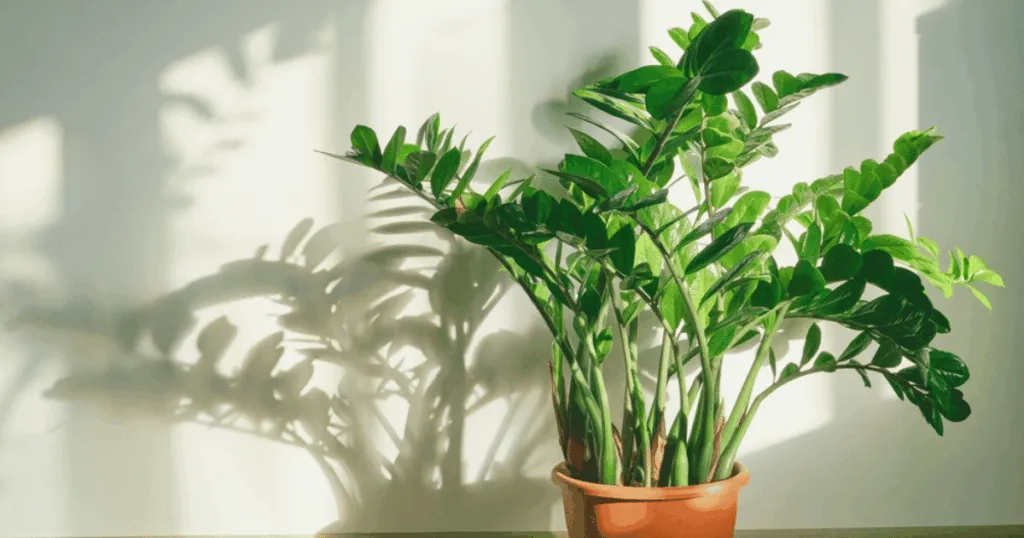
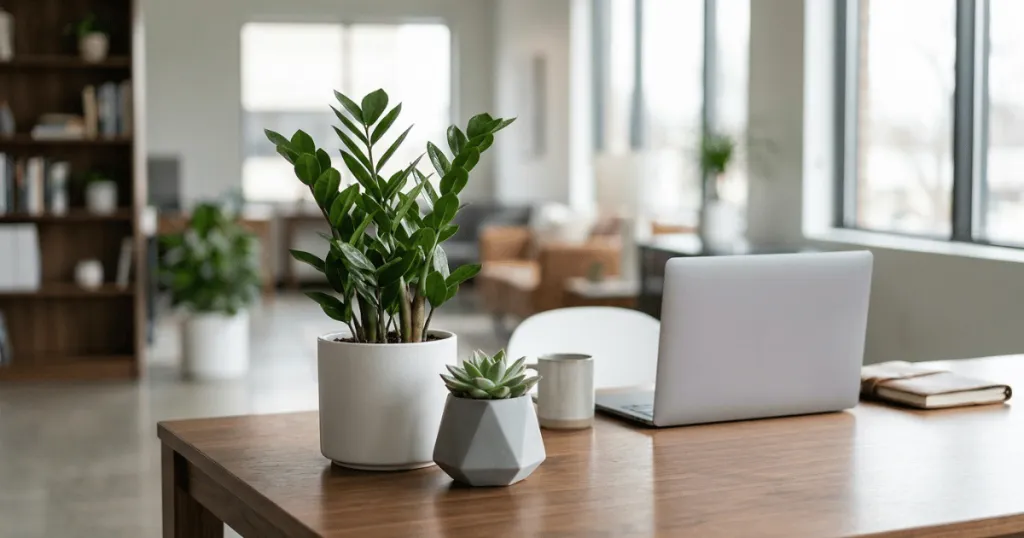
Featuring glossy, thick foliage that reflects artificial lighting, the ZZ Plant thrives in windowless offices and gloomy interior cubicles. It stores water efficiently in underground rhizomes, allowing it to survive long stretches of dry conditions between waterings. This exceptional drought tolerance makes it a favorite for busy office managers who cannot commit to a strict weekly maintenance schedule. A safer approach is to check the soil depth thoroughly before adding moisture to prevent accidental over-saturation.
The waxy coating on its dark green leaves naturally resists dust accumulation from HVAC systems, making it low-maintenance regarding physical cleaning. It adapts remarkably well to artificial lighting tolerance, maintaining its dark green sheen even when situated far from exterior windows. For corporate floors that experience high employee turnover or rotating desk assignments, the ZZ plant serves as an indestructible anchor that withstands erratic care routines.
Pothos
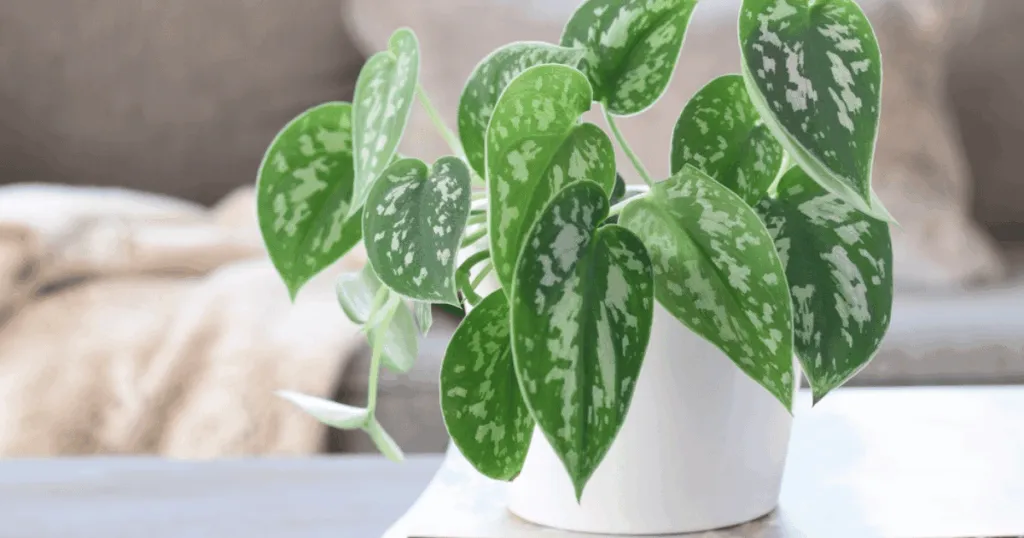
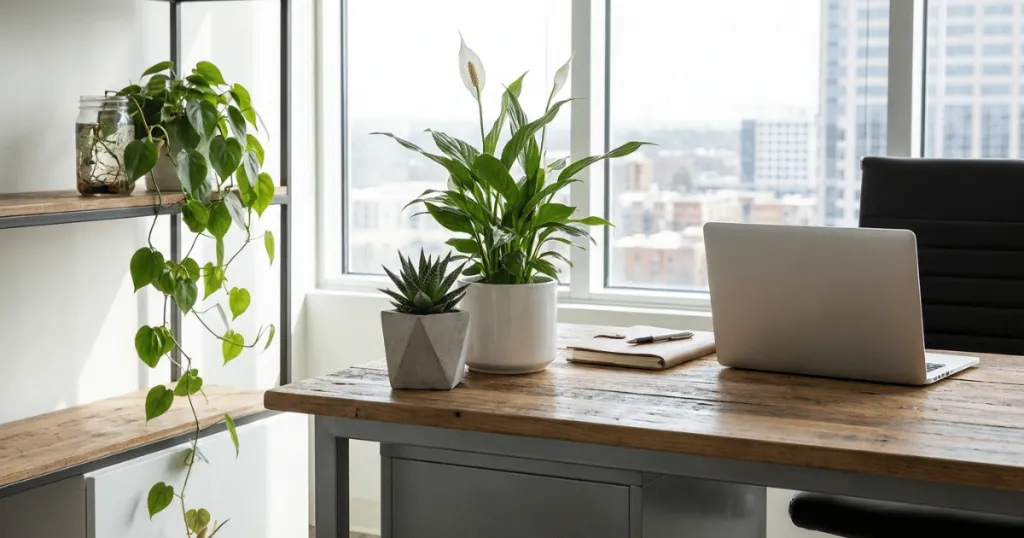
Also known as Devil’s Ivy, Pothos adapts remarkably well to the vertical architecture of filing cabinets and high shelves. It accepts low light levels quite well, though variegated varieties might lose some of their lighter leaf patterns if illumination is extremely dim. In practice, this trailing plant provides a quick visual softening effect for stark corporate walls. Routine pruning keeps the vines manageable and encourages bushier growth rather than long, sparse stems.
Watering requirements are straightforward: let the top inch of soil dry out completely before administering water. This makes it an excellent candidate for hanging baskets in open-plan bullpens or perched atop shared storage units. While it responds well to standard office lighting, keep it away from direct, high-velocity heating vents to prevent leaf scorching and rapid moisture evaporation.
Chinese Evergreen
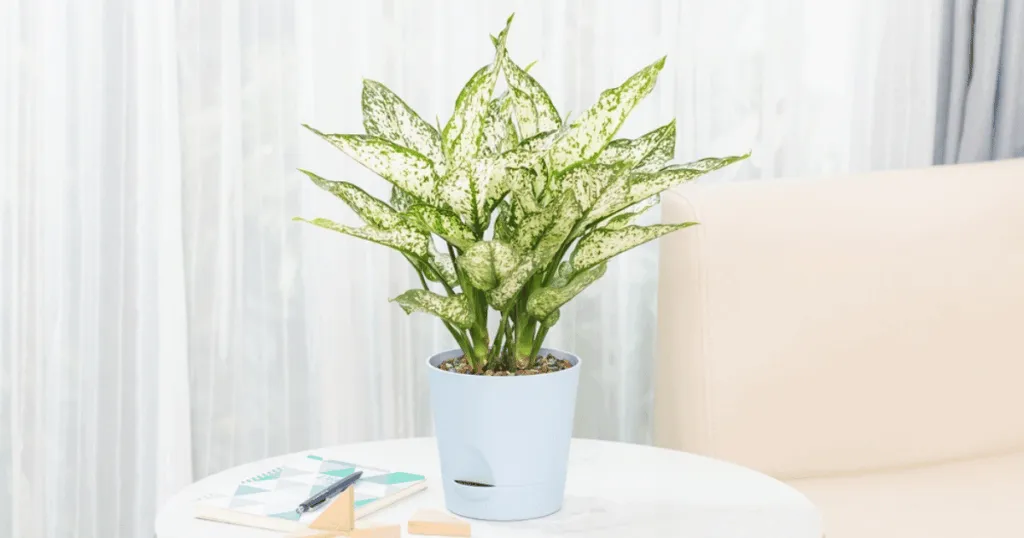
Aglaonema varieties bring striking patterns of silver, green, and pink into interior office spaces without demanding complex care routines. They tolerate low light quite well, making them reliable choices for interior rooms removed from exterior windows. A common mistake is placing them directly beneath cold AC vents, which can cause leaf edge browning. Keeping them in a stable spot with moderate room temperature ensures steady, colorful foliage year-round.
Because these plants prefer average to above-average humidity, they appreciate being grouped together with other office foliage to create a localized microclimate. Their broad, patterned leaves introduce a splash of vibrant color to break up monotonous beige cubicle partitions. Regular foliage maintenance, such as gently wiping dust from the broad leaves, ensures they continue to absorb ambient light efficiently.
Cast Iron Plant
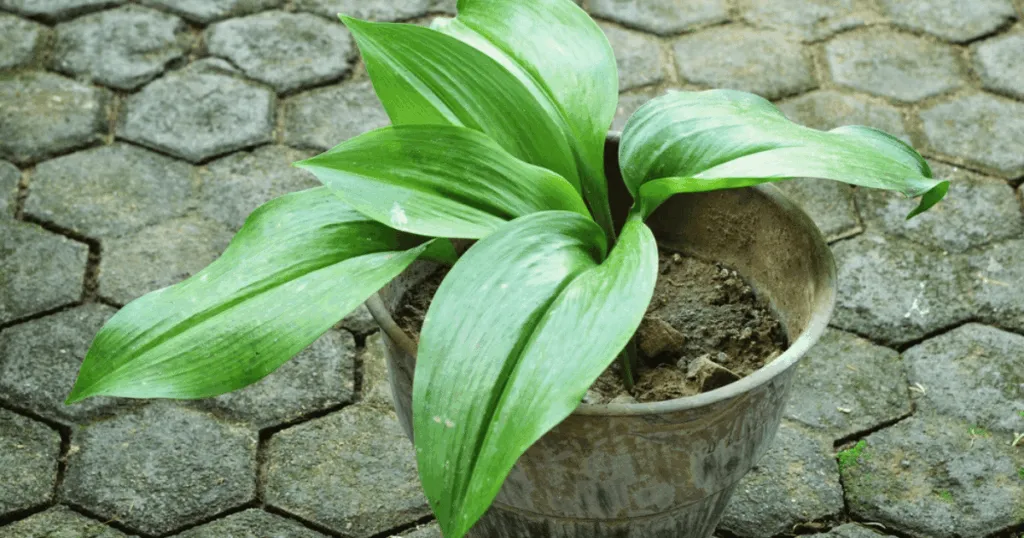
True to its name, the Cast Iron Plant earns its reputation through sheer resilience against neglect, dim lighting, and dusty air. It develops deep green, lance-shaped leaves that handle low light conditions better than almost any other leafy tropical. From a practical standpoint, this selection suits low-traffic hallways and interior rooms where other plants simply fade away. It requires minimal pruning and only occasional watering once the soil dries completely.
For office spaces facing persistent HVAC humidity control challenges, the Cast Iron Plant shrugs off dry air that would quickly wither ferns or delicate palms. It represents a classic choice for traditional law offices, financial institutions, and corporate suites where architectural dignity must be maintained with zero margin for plant failure.
Parlor Palm
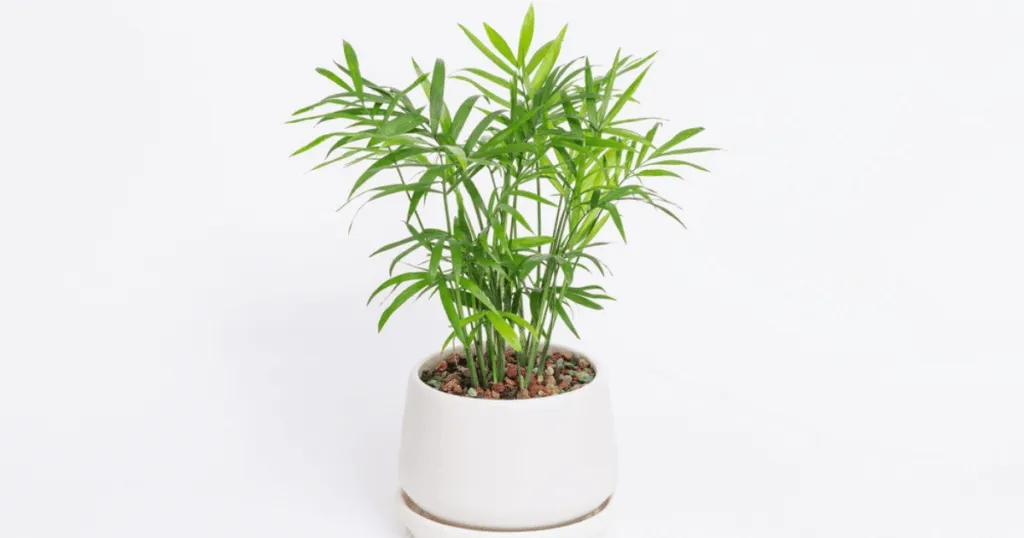
If you want to introduce a touch of classic elegance to a consultation room or executive suite, the Parlor Palm offers a refined, feathery silhouette. It is one of the most shade-tolerant palms available, performing well in rooms with limited natural light. Unlike more demanding palm varieties, it manages indoor office humidity levels reasonably well if kept away from direct heating drafts. Our editorial review suggests letting the top inch of soil dry out completely between watering sessions.
Unlike delicate outdoor palms, this species thrives in confined pots, making it ideal for tabletop placement or compact corner stands. It is entirely non-toxic to cats and dogs, positioning it as a top-tier recommendation for pet-friendly corporate environments or veterinary clinic waiting rooms where client animals are frequently present.
Dracaena
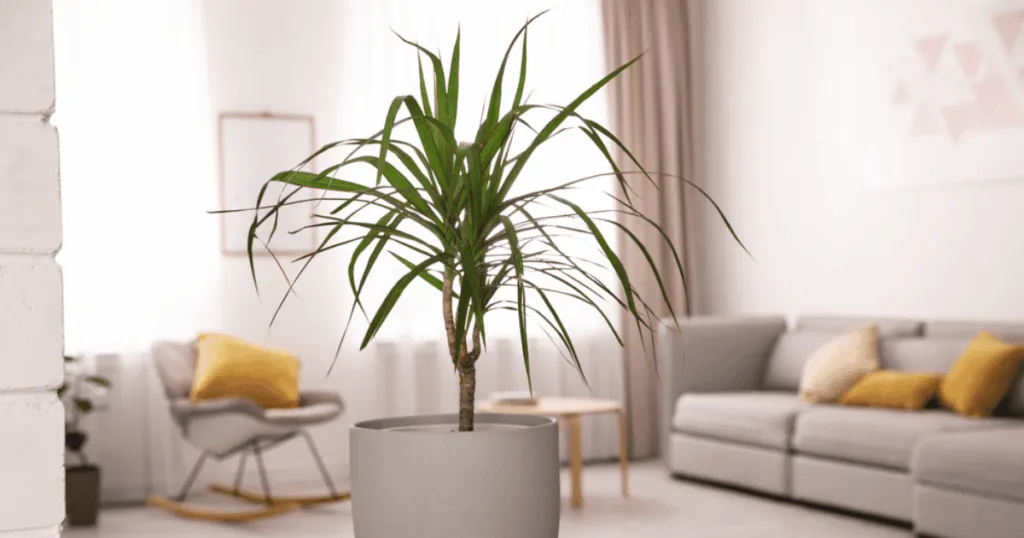
Dracaena varieties offer striking vertical height and distinct cane-like stems that anchor open-plan office layouts or reception areas. They grow best in medium to bright indirect light but adapt to lower interior light levels with slower growth rates. One key consideration is that fluoridated tap water can sometimes cause leaf tip browning, so letting water sit overnight or using filtered water helps maintain pristine foliage. They add a sophisticated, sculptural element without requiring specialized arborist skills.
When selecting a Dracaena for an interior office, ensure it is placed where its vertical canopy will not interfere with low-hanging ceiling fixtures or sprinkler heads. Its woody stems and vibrant crown provide a distinct tree-like appearance that elevates the professional tone of a conference room or executive foyer.
Peace Lily
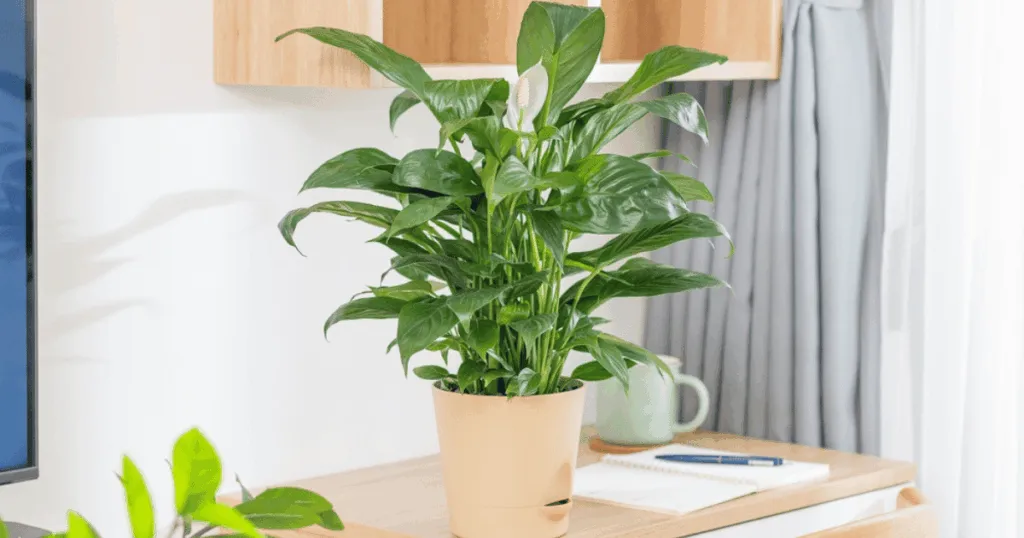
The Peace Lily offers dark glossy leaves and distinctive white spathe flowers that brighten dim corporate corners. While it tolerates lower light levels, flowering may become less frequent if the lighting is too minimal. This species acts as an excellent natural indicator because its leaves droop dramatically when thirsty and bounce back rapidly after watering. A common pitfall is letting the soil dry out completely too often, which stresses the root system over time.
Office workers frequently love the drama of its clear physical communication cues, as there is never any guesswork regarding when it needs a drink. However, facility managers should note that it prefers higher humidity than typical commercial spaces provide, making occasional misting or placement near an office breakroom sink advantageous.
Spider Plant
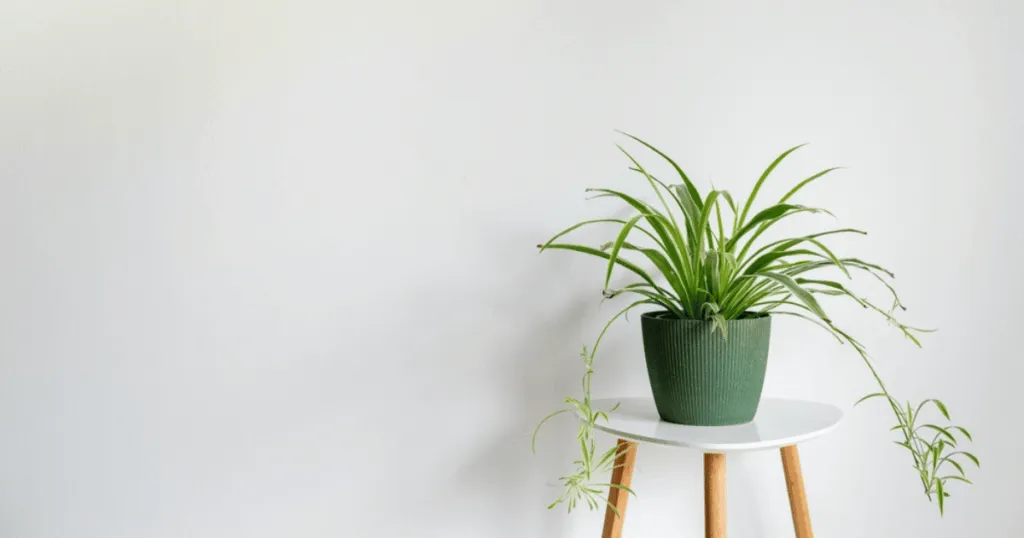
Known for producing cascading plantlets along long arching stems, the Spider Plant adds dynamic visual movement to desktop shelving or high ledges. It tolerates fluorescent office lighting and adapts to variable watering habits without losing its vigor. Because it is non-toxic to cats and dogs, it serves as a safe choice for pet-friendly corporate offices or home workspaces. Regular trimming of dry tips keeps the plant looking tidy and professional.
Its robust root system stores moisture efficiently, forgiving the occasional missed watering cycle by a distracted team. When the plantlets multiply, facilities staff can easily snip and propagate them to populate additional desks throughout the building at zero extra cost.
Peperomia
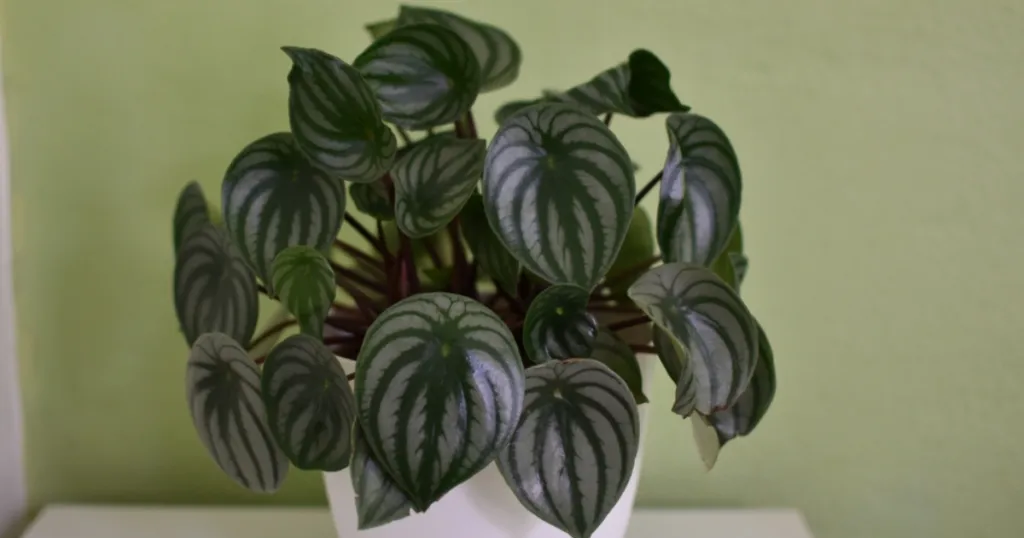
For tight desk footprints and shared collaborative tables, compact Peperomia varieties deliver diverse leaf textures and patterns without overcrowding the workspace. They thrive under standard interior fluorescent lighting and prefer their soil to dry out significantly between waterings. Their modest size makes them ideal for window sills, computer hutches, or small collaborative meeting tables. Avoiding heavy-handed watering is the primary rule for keeping these compact selections healthy.
Because they function as semi-succulents, their succulent-like leaves hold reserve moisture, protecting them from sudden drying caused by overhead vents. They require minimal desk real estate while providing an immediate psychological boost to individual workstations.
Strategic Placement Across Different Office Zones
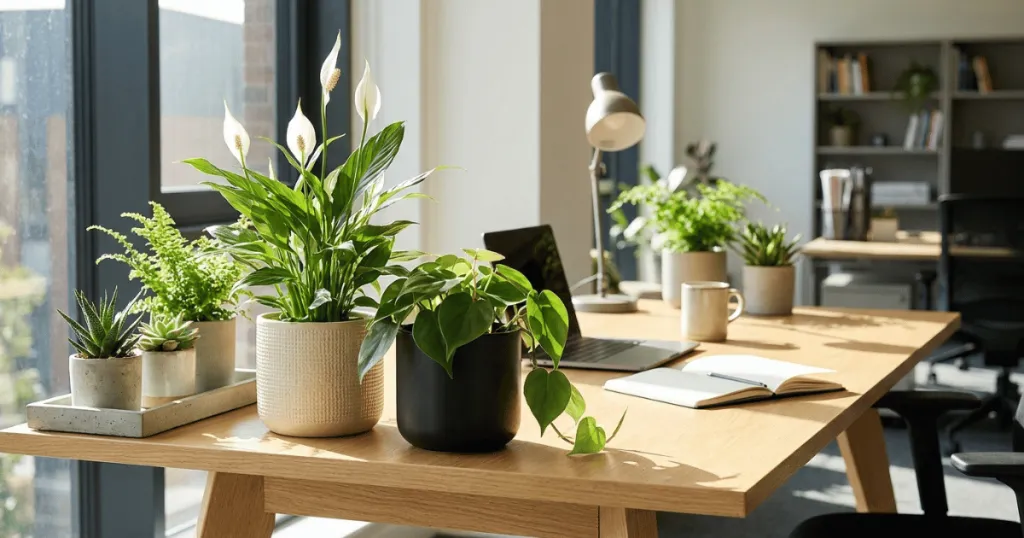
Matching the right greenery to specific architectural zones prevents maintenance failures and maximizes visual impact. Reception areas and lobbies typically benefit from larger, sculptural floor specimens like the Cast Iron Plant or Dracaena, which create an immediate impression of warmth and professionalism without cluttering walkways. These high-visibility spots often have better ambient light or architectural spotlighting, allowing more diverse species to flourish.
By contrast, windowless interior cubicles and private inner offices require extreme tolerance. Placing low-light champions like the ZZ Plant or Snake Plant in these dim corners ensures long-term survival even when natural light is entirely absent. For shared breakrooms or collaborative conference spaces, trailing options placed on high shelving draw the eye upward and soften rigid architectural angles, creating a more relaxed environment for staff meetings and breaks.
When planning layouts, consider how foot traffic patterns interact with foliage. Narrow corridors require upright, non-branching species that won’t get brushed against and snapped by passing staff. Conversely, sprawling open-plan collaborative hubs benefit from sturdy tabletop selections that remain secure during energetic team brainstorming sessions.
Limitations, Trade-Offs, and Choosing Differently
While resilient indoor species tolerate demanding conditions, no living plant thrives in complete darkness or total neglect. If your interior office space lacks both windows and reliable overhead lighting for twelve hours a day, even the toughest specimens will eventually decline unless supplemented with dedicated grow lamps. A common misconception is that indoor greenery can completely replace mechanical air filtration; while plants add aesthetic value and psychological benefits, they should not be treated as HVAC substitutes.
Furthermore, office managers must weigh pet safety against aesthetic preferences. Several popular tall species contain calcium oxalate crystals or saponins that cause irritation if chewed by curious office pets or visiting animals. If your workplace permits dogs or cats, prioritize non-toxic choices such as the Parlor Palm or Spider Plant to eliminate any safety risks in shared common areas.
Another operational trade-off involves water source logistics. Buildings with highly chlorinated or hard tap water can induce mineral salt accumulation in container soils, leading to tip burn on sensitive species. Implementing a simple water filtration protocol or allowing tap water to sit in jugs overnight mitigates this issue, protecting long-term foliage health without requiring expensive chemical treatments.
FAQ
Can office plants survive entirely on fluorescent lighting without windows?
Yes, hardy species like the ZZ Plant and Snake Plant adapt well to windowless interior rooms illuminated solely by standard office fluorescent or LED fixtures.
How often should office plants be watered during long holiday weekends?
Most resilient office species easily endure a standard weekend or short holiday without water, provided they are thoroughly watered just before the break and never left sitting in standing drainage trays.
Why do interior office plants often develop brown leaf tips?
Brown tips typically result from dry HVAC airflow, inconsistent watering habits, or mineral buildup from untreated tap water used during maintenance.
Are all common office plants safe for pet-friendly workplaces?
No, many popular interior selections contain compounds like calcium oxalate crystals that cause oral irritation if ingested, so pet-friendly offices should specifically select non-toxic varieties.