When you begin selecting greenery for your workspace, the distinction between indoor plants vs office plants often feels like a matter of semantics, but in practice, it determines whether your investment thrives or fails within a month. While most office plants are technically indoor plants, the inverse is rarely true. The primary difference you will notice is their threshold for neglect; office plants are specifically selected for their ability to withstand the unique stressors of a commercial environment, such as inconsistent watering, low-light conditions, and the drying effects of centralized HVAC systems.
Choosing the wrong category of plant often leads to a cycle of replacement that drains your budget and creates a cluttered, unhealthy aesthetic. If you are managing a reception area, a cubicle, or a conference room, you need to prioritize physiological resilience over aesthetic trends. This guide breaks down the functional realities of these two categories to help you make a selection that survives the weekend and flourishes under fluorescent lighting.
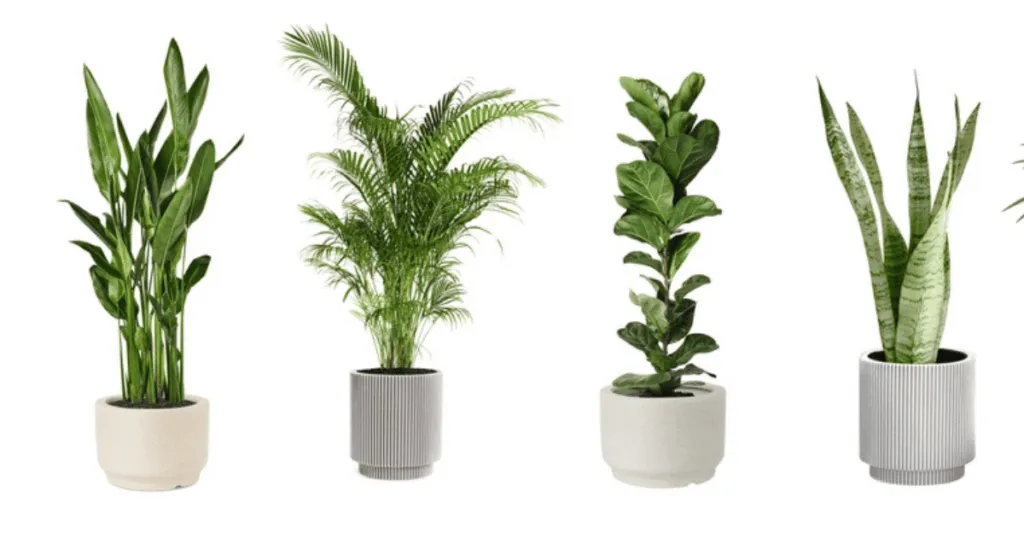
Understanding the Functional Differences
The core difference lies in the environmental tolerance profile of the species. Residential indoor plants are often curated for their visual variety and specific growth habits, which may require high humidity, precise light cycles, or frequent attention. In contrast, plants categorized as office-ready are essentially survivors. They have been vetted for their ability to maintain structural integrity in environments where light is often artificial and humidity is consistently low.
The Resilience Factor
Office plants are chosen for their ability to handle the “weekend gap”—the period where no one is present to monitor soil moisture or adjust light exposure. Many common indoor plants, such as ferns or delicate tropicals, will exhibit immediate stress if they miss a single watering or if the office air conditioning kicks in at full blast on a Monday morning. Office-grade plants, such as Sansevieria or Zamioculcas zamiifolia, possess thick, waxy cuticles that prevent moisture loss, making them far more forgiving of the erratic care schedules typical in a professional setting.
Light and Air Quality Adaptations
Most offices rely on LED or fluorescent lighting rather than natural sunlight. While many indoor plants struggle to photosynthesize under these narrow light spectrums, office plants are selected for their high photosynthetic efficiency in low-light environments. Furthermore, the air in a modern office is often filtered and recirculated, leading to extremely low humidity levels that can cause leaf tip burn in sensitive residential species. Office plants are generally more robust against these atmospheric conditions.
| Feature | Residential Indoor Plants | Office Plants |
|---|---|---|
| Light Requirement | Variable (often high) | Low to Moderate (LED/Fluorescent) |
| Watering Tolerance | Strict/Frequent | Forgiving/Infrequent |
| Humidity Needs | Moderate to High | Low |
| Growth Rate | Often Fast | Slow to Moderate |
| Maintenance Intensity | High | Low |
Analyzing Residential Indoor Plants in a Workspace
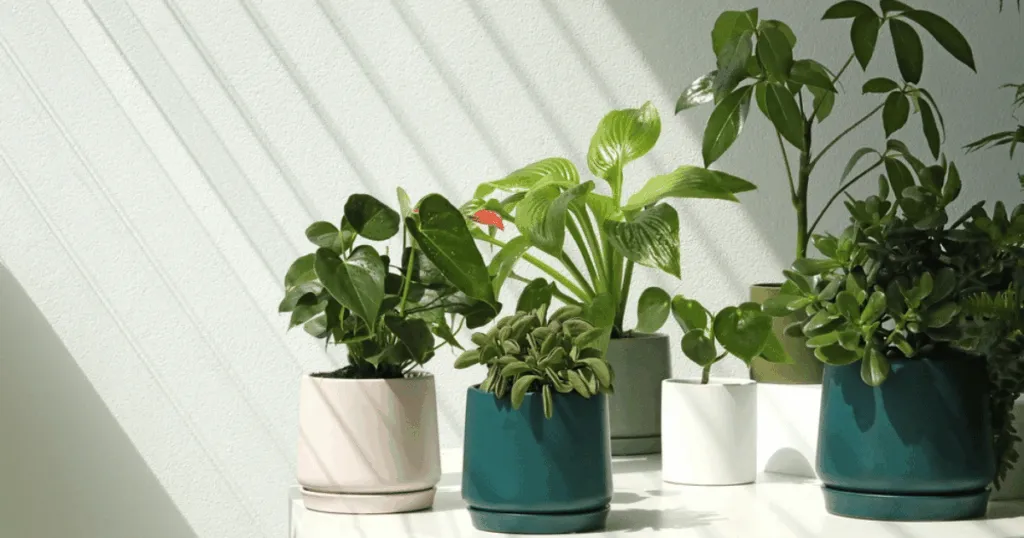
Residential indoor plants are often chosen for their foliage patterns, flowering potential, or specific aesthetic appeal. While they can provide a significant boost to office morale and biophilic design, they require a dedicated maintenance strategy. If you choose to bring a residential plant into the office, you are effectively taking on the role of a gardener rather than a facility manager. These plants often demand consistent humidity, which may require the installation of pebble trays or the use of humidifiers, both of which can be impractical in a professional cubicle or open-office plan.
The risk with residential plants is their tendency to show “environmental shock” quickly. If the office temperature drops significantly overnight or if a draft from a vent hits the plant directly, residential varieties may drop leaves or develop brown spots within days. They are best reserved for private offices where the occupant has direct control over the environment and can provide the consistent care required to keep them healthy. Without this level of oversight, these plants often become a liability, requiring constant cleaning of fallen debris and frequent replacement.
Analyzing Specialized Office Plants
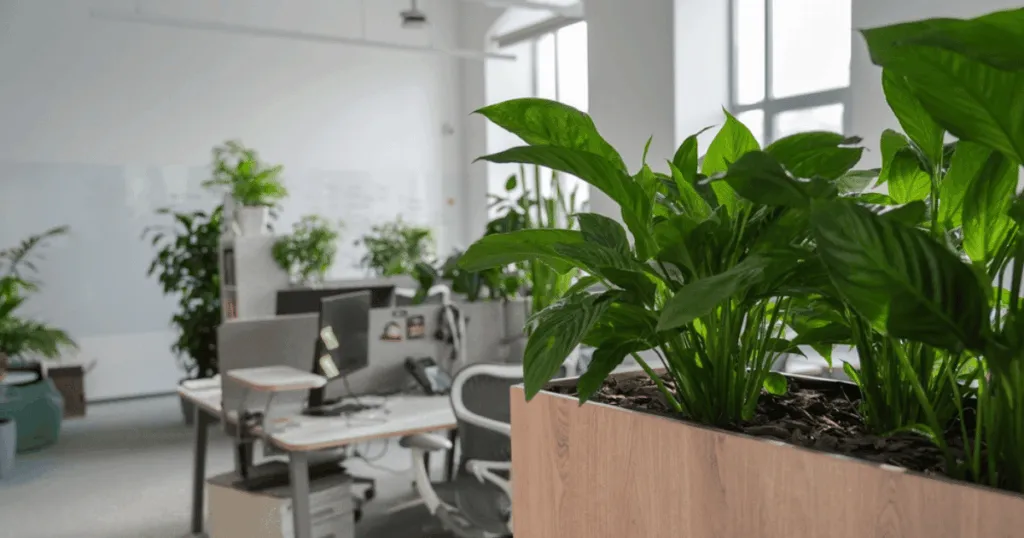
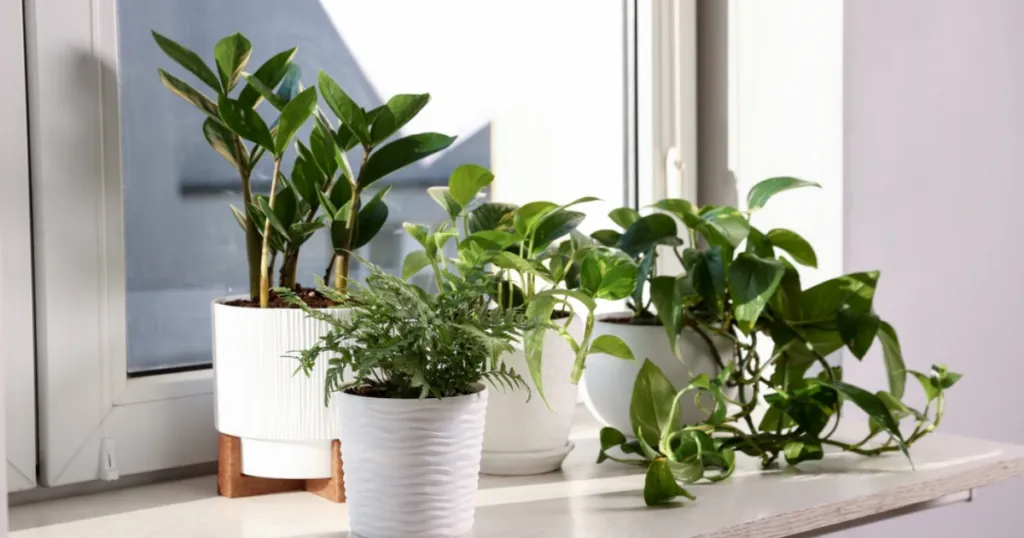
Office plants are the workhorses of the interior landscaping world. They are typically selected for their structural durability and their ability to thrive in “set it and forget it” scenarios. These plants, such as the Snake Plant, ZZ Plant, and Pothos, are not just chosen for their hardiness; they are chosen because they maintain their visual appeal even when they are not actively growing. In an office, a plant that grows slowly is often preferred because it does not require frequent pruning or repotting, which saves on labor costs and maintenance time.
From a facility management perspective, these plants offer the best return on investment. They are less prone to pest infestations because they are not constantly stressed by environmental fluctuations. Furthermore, their root systems are often more stable, meaning they are less likely to tip over in high-traffic areas. When you select an office-grade plant, you are choosing a biological asset that is designed to integrate into the building’s infrastructure rather than fight against it.
Feature-by-Feature Comparison
Watering and Maintenance Schedules
The most critical difference is the frequency of care. Residential plants often require a weekly check, whereas many office plants can go two to three weeks without intervention. This makes a massive difference in labor-intensive environments. If your office lacks a dedicated plant care service, choosing plants that can tolerate a dry-down period is essential. Office plant care must be streamlined; complex fertilizing or misting routines are rarely feasible in a professional setting.
Environmental Stability
Offices are notorious for “micro-climates.” A plant sitting near a window might be in direct sun, while a plant ten feet away is in deep shade. Office plants are generally more plastic in their light requirements, meaning they can adapt to these variations better than their residential counterparts. Residential plants often require a specific “spot” and will decline if moved even a few feet. Understanding the light spectrum provided by your office lighting is key to selecting the right specimen.
Pest and Disease Resistance
Because office plants are usually selected for robustness, they are less likely to harbor common pests like spider mites or scale, which thrive on stressed plants. A residential plant that is struggling due to low light is a magnet for these pests, which can then spread to other plants in your office, creating a larger maintenance issue. Maintaining a clean, pest-free workplace greenery collection requires starting with specimens that have high natural resistance.
Strategic Integration of Workplace Greenery
Implementing biophilic design in a professional setting requires a shift in mindset. Rather than viewing plants as decorative accessories, view them as part of the office infrastructure. When selecting plants for high-traffic areas, consider the physical footprint of the plant. A sprawling residential plant may be a tripping hazard or get damaged by passing foot traffic. Office-grade plants are often more upright and compact, making them ideal for narrow hallways or reception desks.
Furthermore, consider the containerization of your plants. In an office, the pot is as important as the plant itself. Self-watering containers can bridge the gap between residential and office-grade plants, providing a buffer for moisture. However, even with advanced containers, the plant species itself must be capable of handling the office environment. Always prioritize species that are known for their longevity in low-light office plants categories.
Decision Guidance: When to Choose Which
If you are managing a reception area, prioritize high-impact, low-maintenance office plants like large-leafed Philodendrons or Sansevieria. These areas are the “face” of your company, and you cannot afford to have dying or brown-leafed plants in view. For open-office layouts, use durable, trailing plants that can be placed on top of filing cabinets or partitions. These areas are often subject to drafts and dust, making hardy office plants the only logical choice.
If you have a private office with a window, you have more flexibility. This is the only environment where you might successfully maintain a residential plant, such as a Fiddle Leaf Fig or a delicate fern. Even here, however, be prepared to manage the humidity and light levels manually. If you are looking to improve air quality or employee well-being, focus on the volume of plants rather than the variety. A larger number of hardy office plants will provide more consistent benefits than a few high-maintenance residential plants that are constantly on the brink of failure.
Long-Term Management and Expectations
The decision between indoor plants vs office plants ultimately comes down to your available maintenance capacity. If you have a professional interior landscaping service that visits weekly, you have the freedom to choose almost any indoor plant that fits your light levels. However, if you are a manager or an employee responsible for your own greenery, the choice is clear: stick to office plants. The risk of failure is simply too high with residential species, and the time required to keep them alive is better spent on your actual work.
A common mistake is over-focusing on the “look” of a plant in a catalog or a home-decor magazine. These photos are taken in ideal conditions that rarely exist in a workplace. Instead, prioritize plants that are labeled as “low light” and “drought tolerant.” These are the hallmarks of true office plants. If you find yourself drawn to a specific residential plant, test it in a small, low-stakes area before committing to a larger installation. If it survives for three months without significant leaf loss, you might consider expanding. If it shows signs of stress, do not try to “fix” it with more water or fertilizer; instead, replace it with a more resilient office-grade alternative.
FAQ
Can I use residential indoor plants in my office?
Yes, but only if you are prepared to manage their specific environmental needs. Residential plants often require higher humidity, more consistent light, and more frequent watering than office plants. In most office settings, these requirements are difficult to meet, leading to plant decline. Use them only in private offices where you can control the environment.
What is the most important factor when choosing between indoor plants vs office plants?
The most important factor is the maintenance schedule. Office plants are specifically selected for their ability to withstand neglect and inconsistent environmental conditions, such as low light and dry air. Residential plants are often bred for aesthetics and require a level of care that is rarely sustainable in a busy office environment.
Do office plants actually improve air quality?
While all plants contribute to a healthier environment through oxygen production and humidity regulation, the effect in a typical office is modest. The primary benefit of office plants is psychological, as they provide a visual connection to nature, which can reduce stress and improve focus. Do not rely on plants as a primary air filtration system.
How often should I water office plants?
Most office plants are drought-tolerant and prefer their soil to dry out significantly between waterings. A good rule of thumb is to check the soil moisture at a depth of two inches; if it is dry, water it. In an office, it is almost always safer to under-water than to over-water, as over-watering is the leading cause of plant death in commercial spaces.
Are office plants more expensive than residential plants?
Not necessarily, but they are often a better long-term investment. While you might pay a premium for a mature, hardy office plant, the cost of replacing residential plants that die due to poor office conditions is significantly higher. Choosing the right plant for the environment saves money on replacement costs and maintenance labor.