Maintaining a consistent watering schedule by season for office plants requires a departure from traditional home gardening advice. In a climate-controlled workplace, the primary drivers of plant health are not necessarily the outdoor weather patterns, but rather the artificial environment created by HVAC systems, fluorescent or LED lighting, and the presence or absence of staff during weekends and holidays. While plants do experience natural cycles of growth and dormancy, your office environment often overrides these cues, making it essential to observe the soil moisture rather than relying on a rigid calendar.
The most common mistake office managers make is treating plant care as a static task. A plant that requires weekly attention in the summer may suffer from root rot if watered with the same frequency during the winter months. By shifting your focus toward environmental cues like humidity levels and light availability, you can create a more responsive care routine that protects your office greenery from the stress of over-watering or dehydration.
Adapting Care to Environmental Dynamics
In an office setting, the seasons are often defined by the intensity of your building’s climate control. During the summer, air conditioning units frequently run at high capacity, which can strip moisture from the air and dry out potting soil rapidly. Conversely, winter heating systems often create a desert-like environment with extremely low humidity, even if the ambient temperature remains constant. This is the primary reason why a static watering schedule by season often fails to protect office plants.
To manage this effectively, you must understand how your specific office layout influences evaporation rates. Plants placed near windows, for instance, will experience higher light levels and potentially more heat gain during the summer, leading to faster water uptake. In contrast, plants located in interior cubicles or meeting rooms with consistent, low-intensity artificial lighting will have much slower metabolic rates. These plants require significantly less water regardless of the calendar month.
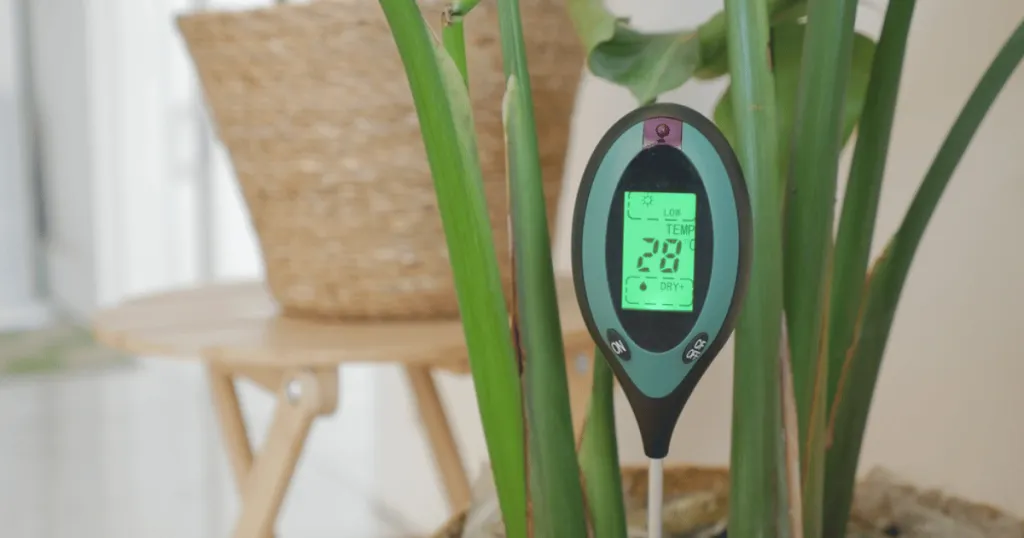
When assessing whether to water, always use the finger test or a moisture meter. Push your finger about two inches into the soil. If the soil feels damp, hold off on watering. If it feels dry or crumbly, it is time to provide water. This simple verification step is far more reliable than following a set day of the week, as it accounts for the specific microclimate of your office space. Furthermore, consider the drainage capacity of your containers.
In an office, where plants are often kept in decorative cachepots without drainage holes, water can pool at the bottom, leading to hidden root rot. If you cannot repot into a container with drainage, ensure you are using a layer of expanded clay pebbles or similar material at the bottom to create a reservoir that keeps roots away from standing water.
Seasonal Growth Cycles and Dormancy
Even in the artificial light of an office, most indoor plants follow a biological rhythm. During the spring and summer, plants enter their active growth phase, producing new foliage and requiring more water to support this development. During the fall and winter, many species slow their growth, entering a period of semi-dormancy. During this time, their water consumption drops significantly.
If you continue to water at the same rate during the winter as you do in the summer, you risk saturating the root zone. Excess water in the soil displaces oxygen, which can lead to root rot, a common cause of plant failure in office environments. Instead, reduce the frequency of your watering sessions as the days shorten. You do not need to change the amount of water you provide per session, but you should increase the time interval between those sessions.
Be mindful of holiday closures. If your office closes for an extended period, ensure that your plants are not left sitting in water-logged saucers. Empty any standing water before leaving for a long weekend or holiday break. This prevents the roots from suffocating while the building is unattended and the plant is not being monitored. During prolonged winter breaks, the lack of human presence often means the HVAC system may be set to a lower, more energy-efficient temperature, which further slows plant metabolism and reduces their need for hydration.
The Role of Light and Humidity in Seasonal Shifts
Light is the primary engine of plant metabolism. In an office, the duration and intensity of light are often dictated by the building’s lighting schedule. During the summer, if your office has large windows, the increased natural light can accelerate photosynthesis, necessitating more frequent hydration. However, in the winter, the sun’s angle changes, and the days shorten. Even if your office lights remain on for the same number of hours, the lack of supplemental natural light can cause plants to enter a state of reduced activity. Adjusting your watering schedule by season means acknowledging that a plant in a bright corner in July is a completely different entity than the same plant in that same corner in January.
Humidity is equally critical. Office air is notoriously dry. During the winter, when heating systems are active, the relative humidity can drop to levels that stress even the most resilient tropical plants. While you might be tempted to water more frequently to compensate for dry leaves, this is often the wrong approach. Instead, consider increasing the ambient humidity through grouping plants or using pebble trays. Over-watering to combat low humidity will only lead to root issues, as the roots cannot process the excess moisture if the plant’s transpiration rate is low due to the season.
Practical Takeaways for Workplace Plant Management
Managing a watering schedule by season is ultimately about observation and adjustment. Start by creating a simple log or a digital reminder system that allows you to note when you last watered each plant. If you notice a plant consistently drying out too quickly, move it away from direct heat vents or drafty windows. If a plant stays wet for too long, consider increasing the light or checking the drainage of its container.
A useful strategy for busy office managers is to group plants with similar water needs together. By clustering plants that prefer to dry out between waterings, such as succulents or snake plants, away from those that prefer consistent moisture, such as peace lilies or ferns, you can streamline your maintenance routine. This grouping also makes it easier to spot when a specific plant is struggling, as you can compare its condition to its neighbors. For example, if your peace lily is wilting while the neighboring snake plant is thriving, you know immediately that the peace lily requires a localized adjustment to its watering frequency.
Avoid the temptation to fertilize during the winter months. Fertilizer encourages new growth, which the plant is not prepared to support during its dormant phase. Stick to a light feeding schedule only during the active growing season, and always follow the manufacturer’s dilution instructions to avoid chemical burn. By simplifying your approach and prioritizing the plant’s actual moisture needs over a rigid calendar, you will ensure a healthier, more resilient office environment throughout the year. Remember that plant health is a marathon, not a sprint; consistent, moderate care is always superior to sporadic, heavy-handed intervention.
Troubleshooting Common Watering Errors
Even with a well-planned schedule, errors occur. Recognizing the signs of improper watering is essential for any office manager. Yellowing leaves are often the first sign of over-watering, indicating that the roots are struggling to breathe in saturated soil. Conversely, crispy, brown leaf tips or drooping stems usually signal that the plant is dehydrated. When you see these signs, do not immediately change your entire schedule. Instead, evaluate the plant’s position relative to HVAC vents, as a sudden change in airflow can cause localized dehydration even if the soil is moist.
If you discover that a plant has been over-watered, the best course of action is to stop watering immediately and ensure the pot has adequate drainage. You may need to remove the plant from its decorative pot to allow the root ball to dry out in the air for a few hours. For severe cases, repotting into fresh, well-draining potting mix can save the plant. By staying proactive and observing these subtle cues, you can maintain a vibrant, green office space that enhances the workplace environment without the constant need for replacement plants.
FAQ
How does an office HVAC system affect my watering schedule by season?
HVAC systems significantly alter your office’s microclimate. In winter, heating systems often lower indoor humidity, causing soil to dry out faster than expected. In summer, air conditioning can have a similar drying effect. You must adjust your watering schedule by season based on these environmental shifts rather than just the time of year.
Should I change the amount of water I give my plants in the winter?
It is better to change the frequency rather than the amount. During the winter, plants often enter a dormant phase and grow more slowly, meaning they need water less often. Keep the volume of water consistent to ensure the entire root ball is hydrated, but increase the number of days between waterings to prevent the soil from becoming waterlogged.
What is the best way to check if an office plant needs water?
The most reliable method is the finger test. Insert your finger about two inches into the potting mix. If the soil feels dry to the touch, it is time to water. If it feels cool or damp, wait a few more days. This method is more accurate than following a calendar because it accounts for the specific light and temperature conditions of your office.