If your orchid looks distressed, check the roots first. Healthy roots are firm and green or silvery-white; mushy, brown, or hollow roots indicate overwatering and rot. Stop watering immediately, remove the plant from its decorative pot, and trim away dead material to save the plant.
When you notice your office orchid struggling, the instinct is often to add more water or move it to a brighter spot. However, most orchid problems in a professional setting stem from subtle environmental stressors rather than a lack of attention. Office environments, characterized by consistent HVAC airflow, artificial lighting, and occasional weekend neglect, create a unique set of challenges for the Phalaenopsis, or moth orchid. Before you attempt any major intervention, take a moment to look at the base of the plant. The health of the root system is the most reliable indicator of what is happening beneath the surface of the bark mix.
Most issues are reversible if caught early. Whether you are dealing with drooping leaves, discolored foliage, or a complete lack of blooms, the solution usually involves adjusting the micro-climate or refining your watering technique. By focusing on the specific needs of the orchid in an office context, you can move past the frustration of a fading plant and restore its vitality.
Quick Checks and Fast Fixes
Before you commit to repotting or drastic measures, perform a quick triage. The most common culprit in an office is standing water at the bottom of a decorative cachepot. Orchids are epiphytes, meaning they grow on trees in the wild, not in dense soil. If your plant is sitting in a pool of water, the roots are suffocating. Lift the inner plastic nursery pot out of the decorative container and inspect the drainage holes. If water drips out, your plant has been sitting in a swamp.
Next, assess the light levels. While orchids enjoy bright, indirect light, the harsh, direct sun hitting a desk through a window can scorch leaves, leading to unsightly brown patches. If the leaves feel warm to the touch or show bleached, papery areas, move the plant a few feet away from the glass or use a sheer curtain to diffuse the intensity. Conversely, if the leaves are a deep, dark forest green and the plant refuses to bloom, it is likely not receiving enough light to produce the energy required for flowering.
Finally, check the ambient humidity. Office air is notoriously dry due to heating and cooling systems. If the leaf tips are turning brown and crispy, the plant is struggling to retain moisture. While you cannot change the building HVAC settings, you can place the orchid on a humidity tray filled with pebbles and a small amount of water, ensuring the bottom of the pot never touches the water itself. This creates a localized micro-climate that helps the plant cope with the arid office air.
Symptom-to-Cause Diagnosis
| Symptom | Likely Cause | Immediate Action |
|---|---|---|
| Mushy, brown roots | Root rot from overwatering | Trim dead roots, repot in fresh bark |
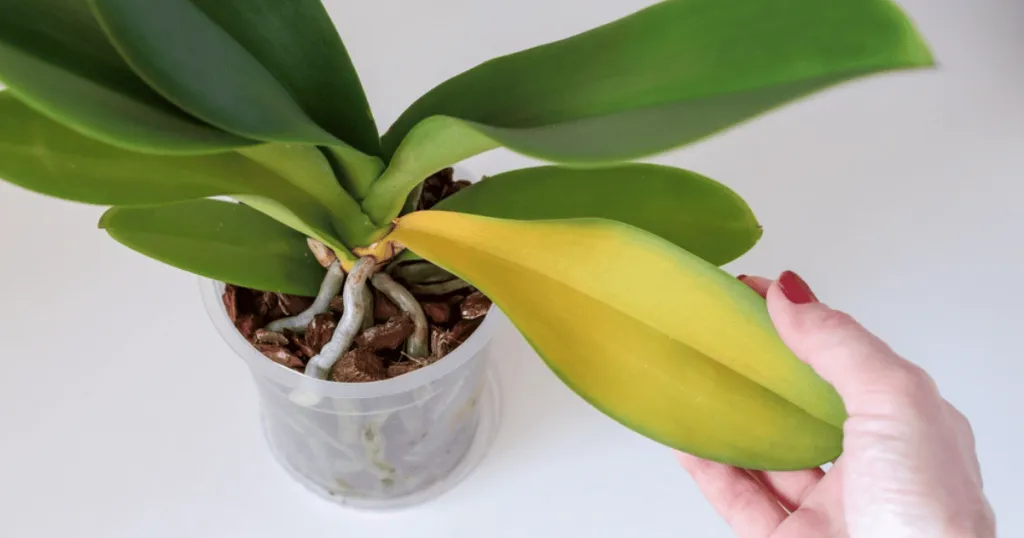
| Yellowing lower leaves | Natural aging or overwatering | Check root firmness; remove only if fully shriveled |
| Brown, crispy leaf tips | Low humidity | Increase humidity via pebble tray |
| Sunken, bleached spots | Sunburn | Move to indirect light |
| Wrinkled, limp leaves | Dehydration or root damage | Check roots; soak bark mix thoroughly |
Addressing Root Rot and Watering Issues
Root rot is the single most frequent cause of orchid decline. In an office, it is easy to fall into the habit of giving the plant a small splash of water every day. This keeps the medium constantly damp, which is fatal for orchid roots. They require a soak-and-dry cycle. The bark mix should be allowed to dry out significantly between waterings. When you do water, take the plant to the breakroom sink, run lukewarm water through the bark for a minute, and let it drain completely before returning it to its spot.
If you suspect rot, you must act decisively. Remove the orchid from its pot and gently shake away the old, decomposed bark. Healthy roots are firm and plump. Any roots that are soft, mushy, or hollow are dead and will continue to decay, spreading the issue. Use a pair of clean, sterilized scissors to trim these away. If you lose a significant portion of the root system, the plant will need time to recover. Repot the orchid into a clean, well-draining plastic pot with fresh, high-quality orchid bark. Avoid standard potting soil at all costs, as it lacks the aeration required for healthy root respiration.
After repotting, avoid the urge to fertilize immediately. The plant is in a state of shock and needs to focus its energy on stabilizing its root system. Keep the plant in a slightly shadier spot for a week or two to reduce stress before moving it back to its usual location. Consistency is your best tool here. Using a clear plastic pot can also help you monitor root health visually, allowing you to see exactly when the roots turn from green to a silvery-white, which is the signal that it is time to water again.
Managing Environmental Stress
Beyond watering, the office environment presents specific challenges regarding temperature and airflow. Phalaenopsis orchids prefer temperatures between 65 and 75 degrees Fahrenheit. If your plant is located directly under an air conditioning vent or next to a drafty door, the fluctuating temperatures can cause the plant to drop its buds prematurely. This is a common frustration for office managers who place plants in high-traffic reception areas.
If your orchid is failing to thrive despite proper watering, look at the airflow. While orchids appreciate good air circulation to prevent fungal issues, direct, high-velocity blasts of cold or hot air will dehydrate the leaves rapidly. If you cannot move the plant, consider a small decorative barrier to deflect the air. Additionally, be mindful of the weekend. If your office shuts down the climate control on Friday nights, the temperature swings can be significant. Ensuring the plant is not in a window that gets freezing cold at night or excessively hot during the day is a simple but effective way to prevent long-term damage.
Prevention Habits for Office Orchids
Preventing orchid problems starts with observation. Instead of a rigid calendar schedule, adopt a touch-and-see approach. Before you water, touch the bark. If it feels moist, wait another day or two. If you are unsure, the weight of the pot is a great indicator; a dry pot feels significantly lighter than a hydrated one. Training yourself to notice these subtle cues will prevent the vast majority of common issues.
Cleanliness is also a preventative measure. Dust can accumulate on broad orchid leaves, blocking light and potentially harboring pests like mealybugs. Wipe the leaves down with a damp cloth every few weeks. This not only keeps the plant looking professional but also allows you to inspect the underside of the leaves for any signs of infestation. If you notice sticky residue or small cotton-like tufts, isolate the plant immediately to prevent the spread to other office greenery.
Finally, choose the right location from the start. An orchid on a desk is a beautiful addition, but it must be a place where you can easily reach it for care. If the plant is tucked into a dark corner or behind a monitor, it will likely be neglected. Place it where it is visible and accessible. When you see the plant every day, you are far more likely to notice the early warning signs of distress, such as a slight change in leaf color or a drooping stem, long before they become unmanageable problems.
Frequently Asked Questions
- Why are my orchid buds falling off before they open? This is often caused by bud blast, which occurs when the plant experiences a sudden change in environment. In offices, this is usually due to temperature fluctuations from HVAC systems, exposure to ethylene gas from ripening fruit nearby, or extreme changes in humidity.
- Is it safe to keep an orchid on my desk if I have pets? Yes, according to the ASPCA, Phalaenopsis orchids are considered non-toxic to cats and dogs. This makes them an excellent choice for office environments where pets might occasionally visit or for employees who are concerned about plant safety.
- How often should I fertilize my office orchid? During the growing season, use a balanced, water-soluble orchid fertilizer diluted to half-strength once or twice a month. Never fertilize a struggling or dehydrated plant, as the salts can burn the roots. Always flush the bark with plain water between fertilizing sessions to prevent mineral buildup.
- Can I use ice cubes to water my office orchid? While some suggest this method, it is not recommended for long-term health. The cold temperature can shock the roots, and the volume of water is often insufficient to hydrate the entire root system properly. A thorough soak under a faucet is always better for the plant.
- What should I do if my orchid stops blooming? It is normal for orchids to have a dormant period after flowering. Continue providing bright, indirect light and proper care. Often, a slight drop in nighttime temperatures for a few weeks can trigger the plant to produce a new flower spike.