A healthy Beaucarnea recurvata, commonly known as the ponytail palm, is a striking architectural feature in any office. Its signature look features a bulbous, water-storing caudex at the base, topped with a cascading fountain of long, thin, leathery leaves. When thriving, the foliage remains a deep, vibrant green, and the trunk feels firm to the touch, indicating that the plant is successfully managing its internal water reserves. It is a slow-growing, resilient species that thrives on neglect, making it a favorite for busy workplace environments.
When you notice ponytail palm problems, the plant is often signaling that its environment has shifted away from its drought-tolerant requirements. Unlike tropical foliage that demands constant moisture, this plant is a succulent masquerading as a palm. Most issues in an office setting stem from over-enthusiastic watering or insufficient light, which disrupts the plant’s ability to process its stored moisture. Recognizing these early warning signs allows you to intervene before the plant suffers permanent structural damage.
Short Answer
Most ponytail palm problems are caused by overwatering or low light. If your plant shows yellowing leaves or a soft trunk, stop watering immediately, move it to a brighter location, and allow the soil to dry out completely. These plants prefer neglect over excessive care.
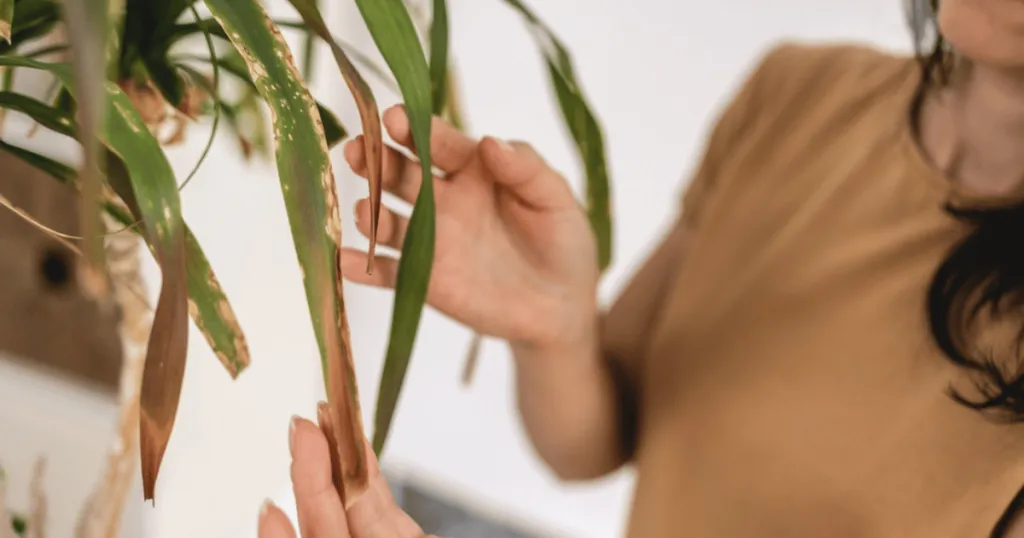
Identifying Common Symptoms and Causes
In an office, the most frequent stressors are inconsistent light levels and well-meaning but excessive watering. Because the ponytail palm stores water in its caudex, it is highly susceptible to rot if the root zone remains consistently damp. Use this guide to match your plant’s current state with the likely underlying cause.
| Symptom | Likely Cause |
|---|---|
| Soft, mushy trunk base | Severe overwatering or root rot |
| Yellowing or drooping leaves | Excessive moisture or poor drainage |
| Brown, crispy leaf tips | Low humidity or underwatering |
| Stalled growth | Insufficient light or root-bound pot |
| Leaf drop | Sudden change in light or temperature |
Addressing the Most Common Issues
Managing Overwatering and Root Rot
The most dangerous of all ponytail palm problems is root rot, usually triggered by water sitting in the bottom of a decorative pot or a liner. Because these plants are drought-adapted, they cannot handle wet feet. If you notice the trunk base feels soft or spongy, you must act quickly. First, remove the plant from its decorative container.
If the soil is saturated, you may need to repot it into a fresh, well-draining succulent or cactus mix. Inspect the roots; healthy roots are firm and light-colored, while rotting roots are dark, slimy, and smell foul. Trim away any damaged roots with sterilized shears before repotting into a container with drainage holes.
In an office setting, the risk of overwatering is often exacerbated by the use of decorative cachepots that lack drainage. If your plant is sitting in a decorative vessel, ensure there is a plastic nursery liner inside that can be removed for watering. Never allow the plant to sit in a saucer of standing water.
If you find water pooling at the bottom of a decorative pot, the roots are likely suffocating due to a lack of oxygen in the root zone. This is a critical failure point for many succulent office plants, as the lack of airflow in typical office environments prevents the soil from drying out at the pace the plant requires.
Correcting Light Deficiency
While often marketed as low-light tolerant, the ponytail palm genuinely prefers bright, indirect light. In an office, placing this plant in a dim corner or far from a window will cause it to stretch toward the light, resulting in weak, thin growth. If your plant is leaning heavily or losing its vibrant color, move it closer to a south or west-facing window. If natural light is unavailable, a dedicated LED grow light can provide the necessary intensity to maintain its health. Avoid placing it directly under harsh, hot spotlights, as this can scorch the foliage.
Light deficiency is a slow-acting problem. You might not notice it immediately, but over several months, the plant will lose its characteristic fountain-like shape, becoming sparse and elongated. This process, known as etiolation, is the plant’s attempt to reach a light source. In a professional workspace, this can make the plant look unkempt.
To prevent this, rotate the pot every few weeks to ensure even light distribution, especially if the plant is positioned near a single window source. If the office has limited natural light, consider placing the ponytail palm in a reception area or near a glass-walled conference room where light penetration is higher.
Advanced Care and Long-Term Recovery
Repotting and Soil Management
If your plant has outgrown its current pot or is suffering from compacted soil that holds too much moisture, repotting is necessary. Choose a pot that is only slightly larger than the root ball, as excess soil volume retains too much water. Always use a gritty, fast-draining potting medium. Incorporating perlite or pumice into standard potting soil can significantly improve aeration. When repotting, ensure the caudex sits slightly above the soil line to prevent moisture from accumulating against the trunk, which is a common site for fungal issues.
When selecting a new pot, prioritize material breathability. Terracotta or unglazed ceramic pots are excellent for ponytail palms because they allow moisture to evaporate through the walls of the pot, which helps prevent the soil from staying wet for too long. If you must use a plastic or glazed ceramic pot for aesthetic reasons, ensure the drainage holes are large and unobstructed.
During the repotting process, gently tease the roots to remove old, compacted soil, but be careful not to damage the delicate root system. If the plant has been in the same soil for several years, nutrients may be depleted, so a fresh, well-draining succulent mix will provide the necessary structure and minerals for renewed growth.
Handling Pests and Environmental Stress
While generally hardy, ponytail palms can occasionally attract scale or mealybugs, especially in offices with poor air circulation. These pests appear as small brown bumps or white, cottony masses on the leaves. If you spot them, wipe the foliage down with a damp cloth dipped in a mild solution of water and dish soap. Avoid heavy chemical pesticides, as they are unnecessary and can be disruptive in a shared office space. Consistent, gentle cleaning is usually enough to manage minor infestations.
Environmental stress in an office often stems from HVAC systems. While the ponytail palm is drought-tolerant, it does not appreciate the constant, dry, high-velocity air coming from overhead vents. This can lead to rapid moisture loss from the leaves, causing brown, crispy tips. If your plant is located directly under a vent, consider moving it to a more sheltered spot.
If moving the plant is not an option, you can use a small decorative screen or adjust the vent louvers to redirect the airflow. Temperature stability is also key; avoid placing the plant near exterior doors where it might be exposed to cold drafts in the winter or hot blasts in the summer.
Prevention Habits for Office Success
The secret to avoiding future ponytail palm problems is to adopt a hands-off approach. Establish a routine where you check the soil moisture before adding water. Stick your finger at least two inches into the soil; if you feel any moisture, do not water. In the winter months, when growth slows, you can often go weeks without watering. Ensure that any decorative pots have drainage holes, and never let the plant sit in a saucer of standing water after a flush of irrigation.
Positioning is equally important. Keep the plant away from direct blasts of HVAC vents, as constant airflow can dry out the leaf tips prematurely. While the plant tolerates dry air well, extreme temperature fluctuations from heating or cooling systems can cause leaf drop.
By keeping the plant in a stable, bright, and well-drained environment, you minimize the risk of recurring issues and allow the plant to serve as a long-term office companion. Remember that the ponytail palm is an architectural plant; its beauty lies in its structural integrity. By respecting its need for light and its aversion to soggy soil, you ensure that it remains a focal point in your office for years to come.
Understanding the Caudex: The Plant’s Life Support
The most unique feature of the Beaucarnea recurvata is its caudex, the swollen base of the trunk. This organ is not just for show; it is a specialized adaptation for water storage. In its native habitat, the ponytail palm experiences long periods of drought followed by short, intense rainy seasons. The caudex allows it to survive these cycles. In an office, this means the plant is essentially a living water reservoir. When you see the caudex begin to shrink or wrinkle, it is a sign that the plant is tapping into its reserves. This is the only time you should consider a deep watering if the soil is also bone dry.
Conversely, if the caudex feels soft, it is a sign of internal decay, often caused by the roots being unable to move water upward due to rot. Understanding this relationship between the root zone and the caudex is the most important skill for anyone managing ponytail palm care.
Seasonal Adjustments for Office Environments
Office environments are often climate-controlled, which can trick plants into thinking it is always the growing season. However, even in a temperature-controlled office, the ponytail palm will respond to changes in natural light levels throughout the year. During the shorter days of winter, the plant’s metabolic rate slows down. You should reduce your watering frequency significantly during this time. If the office is kept very warm, you might be tempted to water more, but this is a mistake.
The plant needs a period of rest. By aligning your care routine with the natural light cycles, you prevent the common issue of yellowing leaves caused by winter overwatering. If you observe leaf drop during the transition between seasons, assess whether the plant has been exposed to a sudden change in temperature, such as a heating system being turned on for the first time in the autumn.
The Role of Humidity and Airflow
While the ponytail palm is highly tolerant of the low humidity typical of modern office buildings, it is not immune to the effects of stagnant air. In large open-plan offices or enclosed meeting rooms, air circulation can be poor. This creates a microclimate where moisture can linger on the foliage or in the top layer of the soil, potentially leading to fungal issues.
While you do not need to mist the plant – which can actually encourage fungal growth on the leaves – ensuring that there is some natural air movement is beneficial. If the office is very stuffy, a small desk fan running occasionally can help mimic the natural breeze the plant would experience in its native environment, keeping the foliage dry and healthy.
Troubleshooting Summary for Office Managers
For those managing multiple plants, keeping a simple log can be highly effective. Note when you last watered, and if you notice any changes in the plant’s appearance. Because the ponytail palm is so slow-growing, problems often develop slowly. A monthly check-up is usually sufficient. If you see brown tips, check the soil moisture and the proximity to air vents. If you see yellowing, check the drainage and the weight of the pot. By treating the ponytail palm as a succulent rather than a tropical foliage plant, you will find that it is one of the most reliable and low-maintenance additions to your office greenery collection.
Related Ponytail Palm Guides
FAQ
Is the ponytail palm toxic to office pets?
According to the ASPCA, the ponytail palm is considered non-toxic to cats and dogs. This makes it a safer choice for office environments where pets might occasionally visit or reside, though it should still be kept out of reach to prevent physical damage to the leaves.
How do I know if my ponytail palm needs more water?
The plant will tell you through its leaves and trunk. If the leaves become dull or slightly shriveled and the caudex feels less firm than usual, the plant is using its stored water reserves. A light watering is appropriate only when the soil is completely dry throughout the entire pot.
Why are the tips of my ponytail palm leaves turning brown?
Brown, crispy tips are typically a reaction to low humidity or inconsistent watering. While the plant handles dry office air well, extreme dryness can still affect the delicate tips. Ensure you are allowing the soil to dry out fully between waterings, as inconsistent moisture can also cause this symptom.
Can I prune a ponytail palm if it gets too tall?
Yes, you can prune the top of a ponytail palm to control its height or encourage branching. Use clean, sharp shears to make a straight cut across the stem. Keep the cut area dry and place the plant in bright light to help it heal and eventually sprout new growth from the cut site.