Do Plants Grow Better in a Greenhouse or Office Light? A Practical Comparison
Wondering do plants grow better in a greenhouse or office light? We compare growth outcomes,...
If your plant's leaves are turning pale, curling, or developing brown edges, its surroundings may be the problem. Light, temperature, and humidity all influence how well indoor plants grow.
Our office plant light and environment guides help you understand these conditions and make practical adjustments. Even hardy plants can struggle when their location doesn't meet their needs.
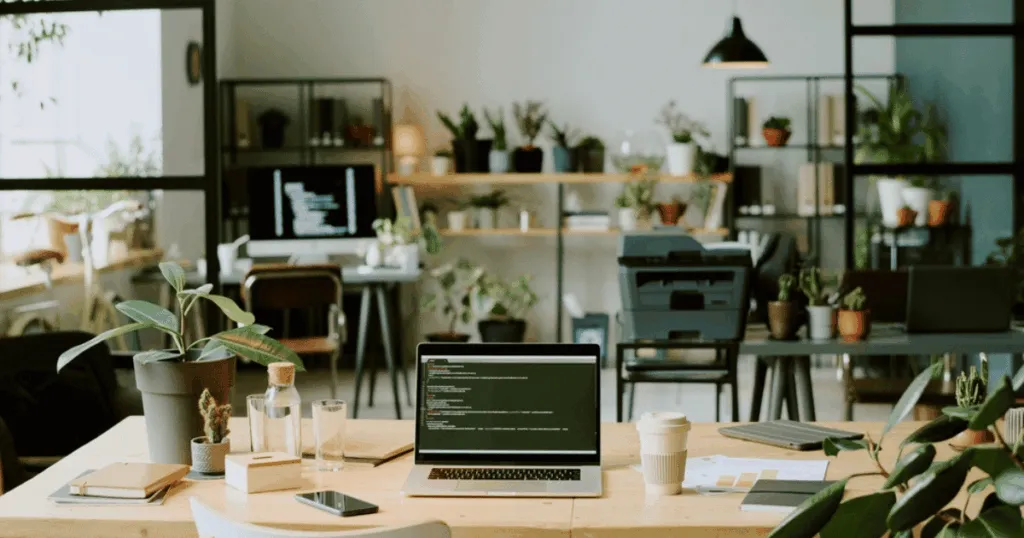
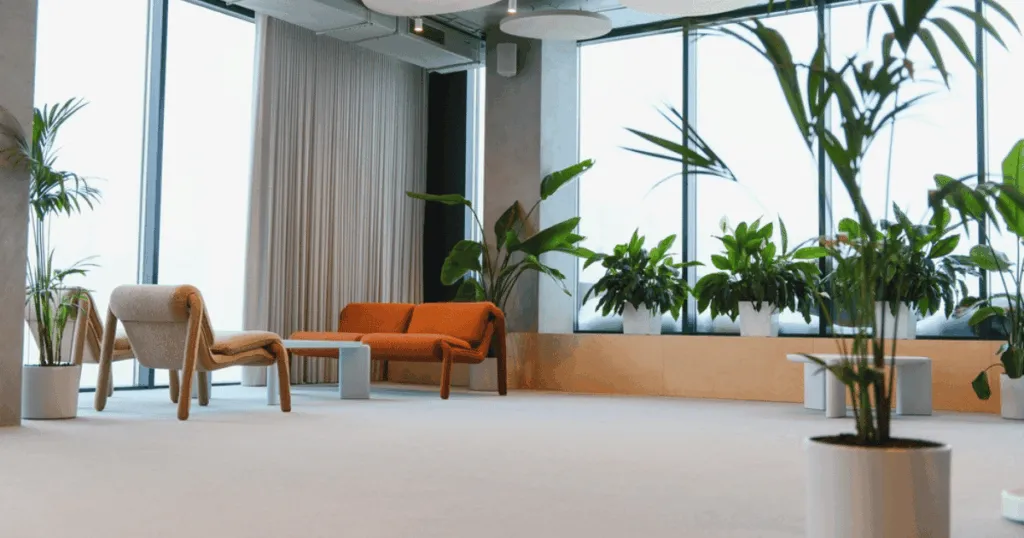
Office lighting varies more than it appears. A desk beside a window may receive bright indirect sunlight. Another desk across the same room might get very little usable natural light.
Plants need sufficient light for photosynthesis, but their requirements differ. Some tolerate shaded spaces, while others need brighter conditions to maintain healthy growth.
Artificial grow lights can help where natural daylight is limited. Many indoor foliage plants benefit from approximately 12 to 16 hours of suitable artificial lighting daily. The ideal duration depends on light intensity, plant species, and available daylight.
Regular office ceiling lights may provide insufficient light for healthy plant growth. We recommend checking actual growing conditions rather than judging brightness by appearance alone.
Most common office plants grow well around 65–75°F (18–24°C). Many also prefer relative humidity near 40–60%, although individual species have different requirements.
These conditions can change considerably inside HVAC-controlled buildings. Air conditioning may reduce humidity, while heating systems can create unusually dry surroundings.
Cold drafts, direct airflow, and sudden temperature changes can also stress sensitive plants. Brown leaf edges or unexpected leaf drops may indicate environmental problems.
A small digital thermometer and hygrometer can help identify these changes. Keep plants away from direct heating and cooling vents whenever possible.
This section covers practical ways to assess office lighting, manage humidity, maintain comfortable temperatures, and improve plant placement. You'll also learn how changing environmental conditions affect everyday plant care.
With a better understanding of your office environment, you can create more suitable growing conditions without unnecessary equipment or complicated routines.