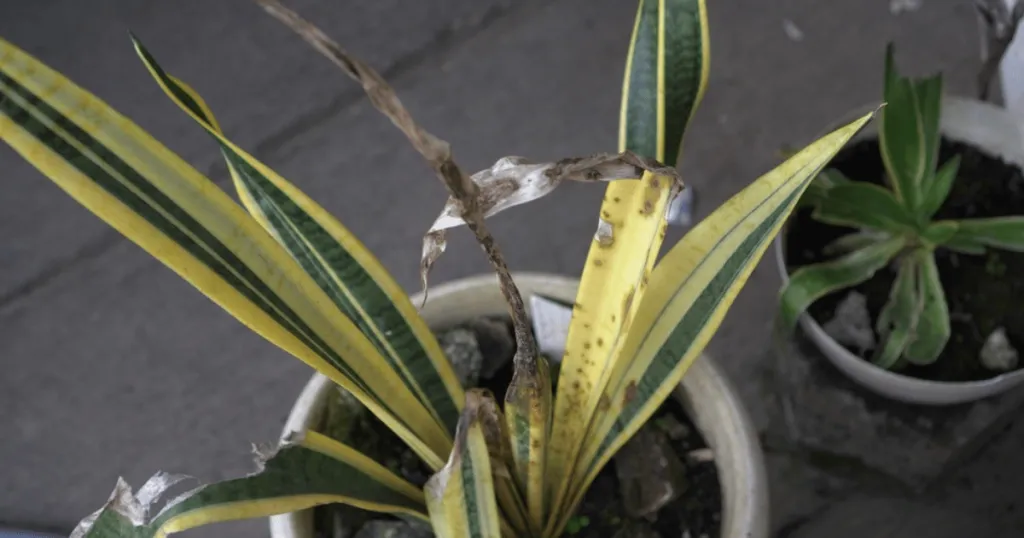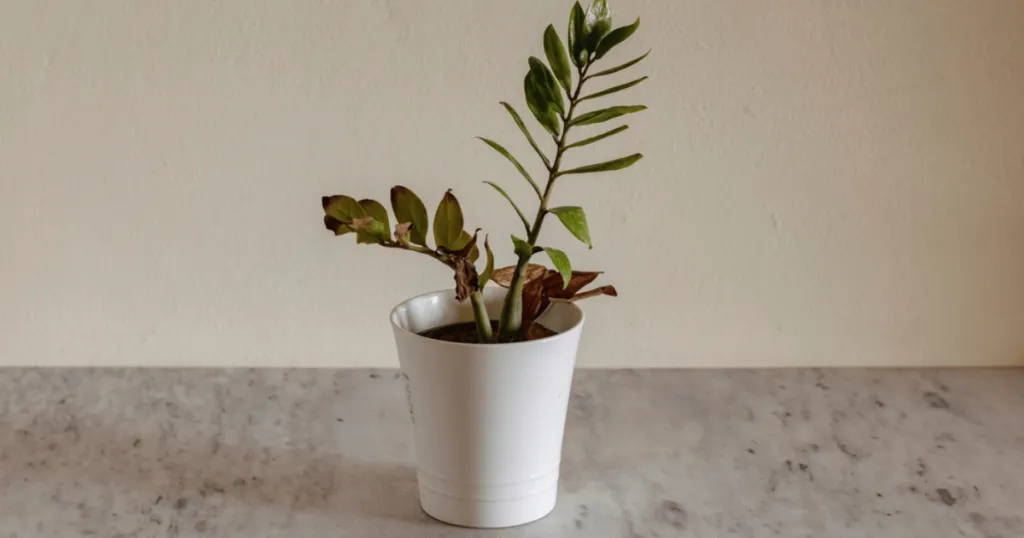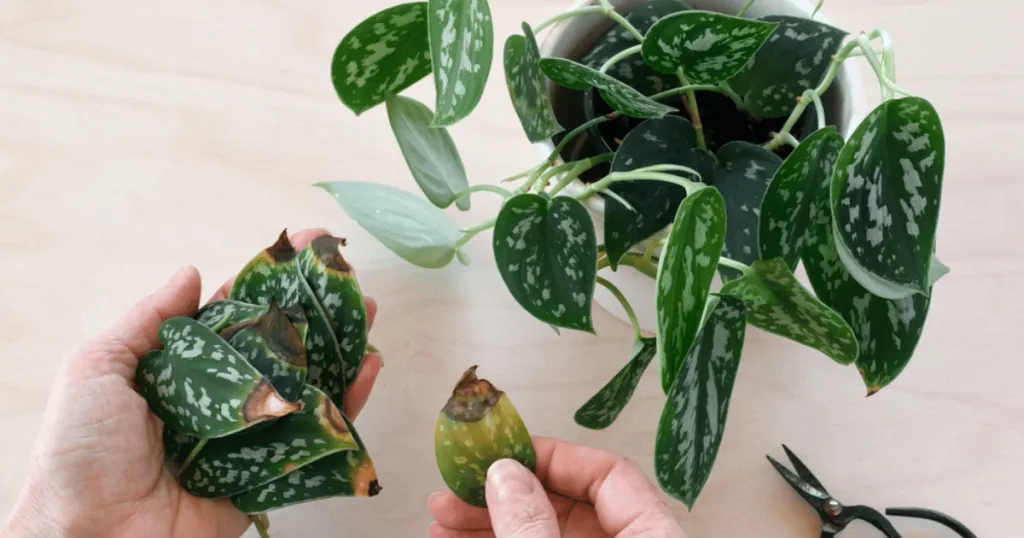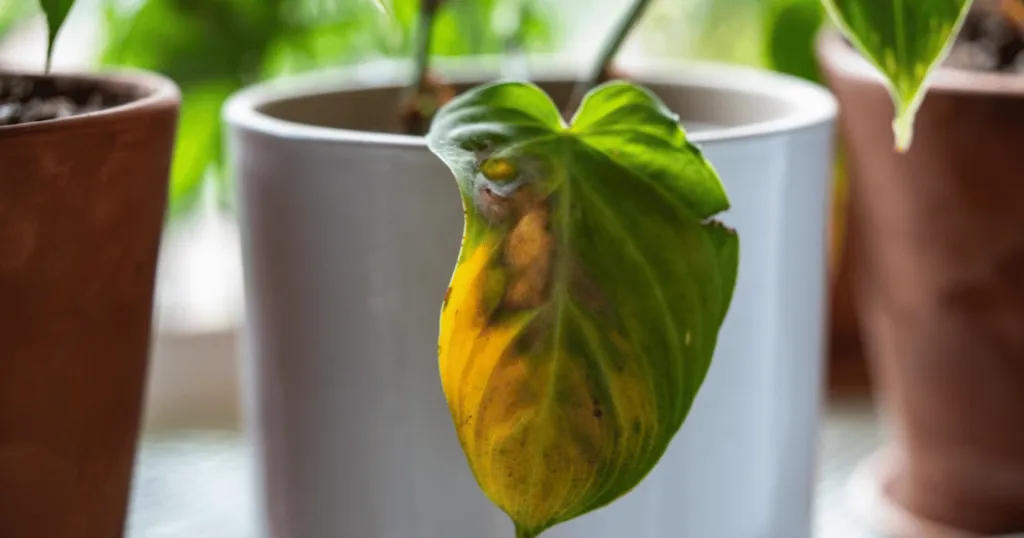
When you notice your Norfolk Island Pine struggling, the most likely culprit is a mismatch between the plant’s natural habitat and your office environment. Before you adjust light or fertilizer, check the soil moisture and humidity levels immediately, as these are the two most common factors leading to rapid needle drop and browning in commercial spaces.
If your Norfolk Island Pine is showing signs of distress, start by looking at the needles. Are they turning brown at the tips, or are they falling off entirely? A healthy plant should feel soft to the touch, not brittle. If the needles feel dry and snap easily, you are likely dealing with low humidity or inconsistent watering. If the needles are yellowing or drooping, you may be overwatering or dealing with insufficient light.
Most office environments present a challenge because they are climate-controlled, meaning the air is often much drier than what this tropical-origin plant prefers. By identifying the specific symptom, you can avoid common mistakes like over-fertilizing or repotting when the plant is already stressed.
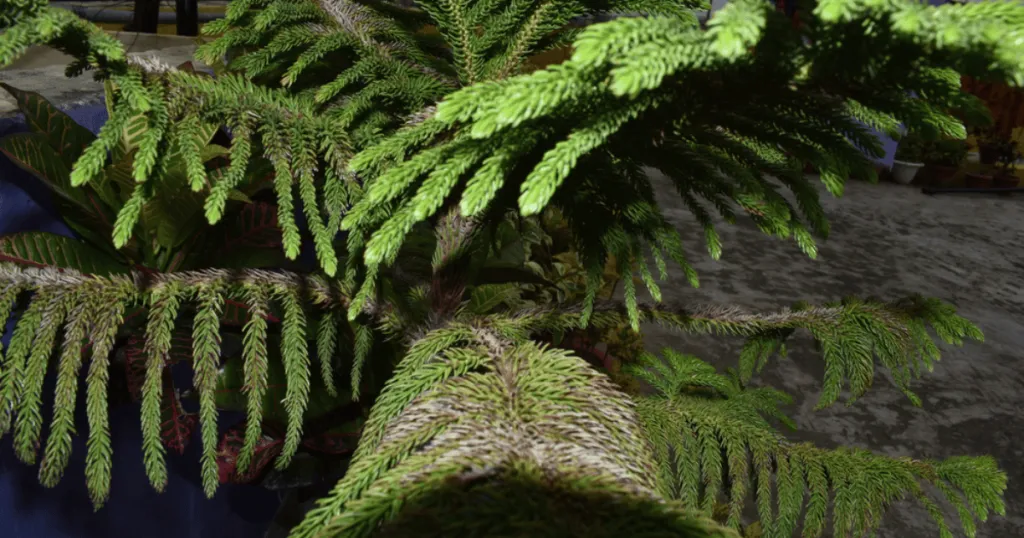
Symptom-Based Diagnosis and Quick Fixes
Troubleshooting this plant requires a systematic approach. Because it is not a true pine, it does not have the same resilience to drought as outdoor conifers. Instead, it acts more like a tropical tree that requires consistent, stable conditions. Understanding these norfolk island pine problems is essential for maintaining a healthy specimen in a professional setting.
Browning Tips and Needle Drop
Browning tips are the most frequent complaint in office settings. This is almost always a reaction to dry air or water that contains too many minerals. Office HVAC systems pull moisture from the air, which causes the delicate needles to desiccate. To fix this, increase the humidity around the plant. You can use a pebble tray filled with water, provided the pot sits on the pebbles and not directly in the water. If the browning is severe, the needles will not turn green again, but stopping the progression is your priority.
Needle drop, specifically, is often a sign of cumulative environmental stress where the plant is shedding foliage to conserve energy. In an office, this is frequently triggered by a sudden change in temperature, such as being placed too close to a drafty door or a heating vent.
Yellowing Needles and Drooping
Yellowing usually indicates a root-zone issue. If the soil is consistently soggy, the roots may be suffocating. Norfolk Island Pines need well-draining soil. If you suspect overwatering, check the drainage holes in the container. If the pot is sitting in a decorative cover without drainage, water will pool at the bottom, leading to root rot. Allow the top inch of soil to dry out before watering again, and ensure the plant is not sitting in a pool of water after a soak.
Drooping, conversely, can also signal that the plant is struggling to transport water to its upper branches, often because the root system has been compromised by either extreme dryness or prolonged saturation.
Stalled Growth and Pale Color
If the plant is not growing or looks pale, it is likely starving for light. While these plants can tolerate lower light levels, they thrive in bright, indirect light. In an office, this means placing the plant near a window that does not receive harsh, direct sun during the hottest part of the day. If you are in an interior office with only artificial light, you may need to supplement with a dedicated grow light to keep the plant healthy.
Pale color, or chlorosis, can also indicate a nutrient deficiency, but in an office setting, light is almost always the primary limiting factor for growth. Ensure the plant is not blocked by office furniture or partitions that might be casting a shadow over the lower branches.
Addressing Common Maintenance Issues
The most common cause of decline is the cycle of neglect followed by over-correction. Because offices are often empty on weekends, the soil can dry out completely. When you return on Monday and soak the plant, the roots experience a shock. Maintain a consistent moisture level by checking the soil twice a week. If the soil is dry to the touch, water it thoroughly until liquid runs out of the bottom of the pot. Consistency is key; these plants do not handle the “feast or famine” watering schedule well.
Another frequent error is the use of tap water that is high in chlorine or fluoride. These chemicals can accumulate in the soil and cause tip burn. If your office tap water is heavily treated, consider using filtered water or letting the water sit in an open container for 24 hours before use. This allows some of the chlorine to dissipate.
Additionally, avoid placing your Norfolk Island Pine near air vents or heaters. The direct blast of hot or cold air will dry out the needles faster than any other environmental factor in the office. If you must have the plant in a high-traffic area, ensure it is shielded from direct airflow.
Advanced Care and Root Health
If you have corrected the watering and light but the plant continues to decline, you may need to inspect the root system. Gently remove the plant from its pot to check for mushy, dark, or foul-smelling roots. These are signs of root rot. If you find healthy white roots, the issue may be a lack of nutrients. Use a balanced, water-soluble fertilizer at half-strength during the growing season, which is typically spring and summer. Avoid fertilizing in the winter when the plant is in a period of dormancy.
Repotting should be a last resort. These plants do not like having their roots disturbed. If you must repot, use a well-draining potting mix that contains perlite or pumice to ensure air reaches the roots. Never move the plant to a pot that is significantly larger than the current one, as extra soil will hold too much moisture and increase the risk of rot. When selecting a new container, ensure it has ample drainage holes, as this is the most critical defense against root-related problems in indoor environments.
Prevention Habits for Office Success
To prevent future issues, establish a routine. Place the plant in a location where it receives consistent light and is away from high-traffic areas where branches might be brushed against or damaged. The needles are sensitive to physical contact, and broken tips will turn brown. If your office layout requires the plant to be in a walkway, consider using a decorative barrier or a stand to elevate it above the level of foot traffic.
Monitor the humidity levels, especially during winter months when office heating is running constantly. A small humidifier placed near the plant can make a significant difference. Finally, keep an eye out for common indoor pests like spider mites. These tiny insects thrive in dry, warm office air and can cause the needles to look dusty or webbed. If you see signs of infestation, wipe the branches with a damp cloth or use an insecticidal soap specifically labeled for indoor use. Regular inspection of the foliage is the best way to catch these issues before they become widespread.
Managing Environmental Stress in the Workplace
Norfolk Island Pines are particularly sensitive to the “micro-climates” created by office architecture. A plant sitting on a desk near a window might experience a 20-degree temperature swing between day and night, especially if the office heating system shuts down after hours. This fluctuation is a major contributor to environmental stress.
To mitigate this, try to keep the plant away from exterior walls that might get very cold in the winter or very hot in the summer. Consistency is the most important factor in long-term plant health.
Furthermore, consider the impact of office cleaning crews. Sometimes, cleaning solutions or floor waxes can inadvertently impact the air quality around the plant. If you notice a sudden decline after a deep cleaning of the office, ensure the plant was not exposed to chemical sprays. Always keep the foliage clean by gently dusting it with a soft brush or a damp cloth, as dust accumulation can block the light and hinder the plant’s ability to photosynthesize effectively. This simple step of foliage maintenance is often overlooked but is essential for plants kept in dusty office environments.
Understanding the Lifecycle of the Norfolk Island Pine
It is helpful to remember that the Norfolk Island Pine is a long-lived tree in its native habitat. When kept indoors, it is essentially living in a containerized, restricted environment. As it grows, it will naturally shed its lower, older branches. This is not always a sign of a problem. If the top of the plant is producing new, vibrant green growth, the lower browning is likely just a natural part of its development.
Do not panic if you see a few lower needles drop; focus your concern on the new growth at the crown. If the crown is healthy, your plant is likely doing just fine despite the occasional loss of older needles.
If you find that the plant has become too large for its space, resist the urge to prune the top. Pruning the leader (the top-most stem) will permanently alter the growth habit of the plant, causing it to lose its characteristic symmetrical, pyramid shape. Instead, if the plant is outgrowing its location, it is better to move it to a larger area or consider propagating or replacing it if it no longer fits the office aesthetic. Managing the expectations of what an indoor tree can do is part of successful office plant management.
Related Norfolk Island Pine Guides
FAQ
Are Norfolk Island Pine problems related to pet safety?
According to the ASPCA, the Norfolk Island Pine is considered toxic to cats and dogs if ingested. While the primary issue for the plant is environmental, keep it in a location where office pets or curious animals cannot chew on the needles, as this causes both plant damage and potential health risks for the animal.
Why are the lower branches of my Norfolk Island Pine turning brown?
It is natural for the very bottom branches to turn brown and die off as the plant matures and grows taller. However, if the browning is occurring on upper branches or is widespread, it is likely due to low humidity, poor watering habits, or insufficient light rather than natural aging.
Can I trim the brown tips off my Norfolk Island Pine?
Yes, you can trim the brown tips for aesthetic reasons. Use clean, sharp scissors to snip the brown portion, but avoid cutting into the green, healthy tissue. Note that the plant will not grow new needles on the cut stem, so prune sparingly to maintain the plant’s natural shape.
How do I know if my office light is enough for this plant?
If you can read a newspaper comfortably in the spot where the plant sits, the light is likely sufficient. If the plant is in a corner or a windowless room, it will eventually struggle. If you notice the plant leaning heavily toward a light source, it is a clear sign it needs to be moved closer to a window or provided with supplemental grow lights.